Introduction
Digital spaces are woven into early childhood long before children master cursive handwriting or double-digit math. Young learners navigate shared family tablets, cooperative multiplayer video games, and automated video streaming platforms on a daily basis. Naturally, adults worry about how to introduce guardrails without inducing fear. Children do not process abstract digital threats through stern lectures or lengthy rulebooks. Instead, they absorb concepts best when hands-on creativity meets gentle guidance. Utilizing targeted art activities for digital wellbeing transforms abstract concepts into tangible lessons. Coloring reinforces safety messages and opens natural conversation between kids and their caregivers. Safety is a skill to build step by step, never a looming threat to dread.
💡 Educational Key Takeaways:
- Core Skill: Structured Colouring Sheets For Interenet Saftey focused on developing pencil grip, stroke control, and early literacy/math confidence.
- Target Scope: Suited for homeschoolers, preschool, kindergarten, and elementary learners.
- Best Recommendation: Practice 10–15 minutes daily with ergonomic writing tools to reinforce muscle memory without hand fatigue.
What This Printable Covers
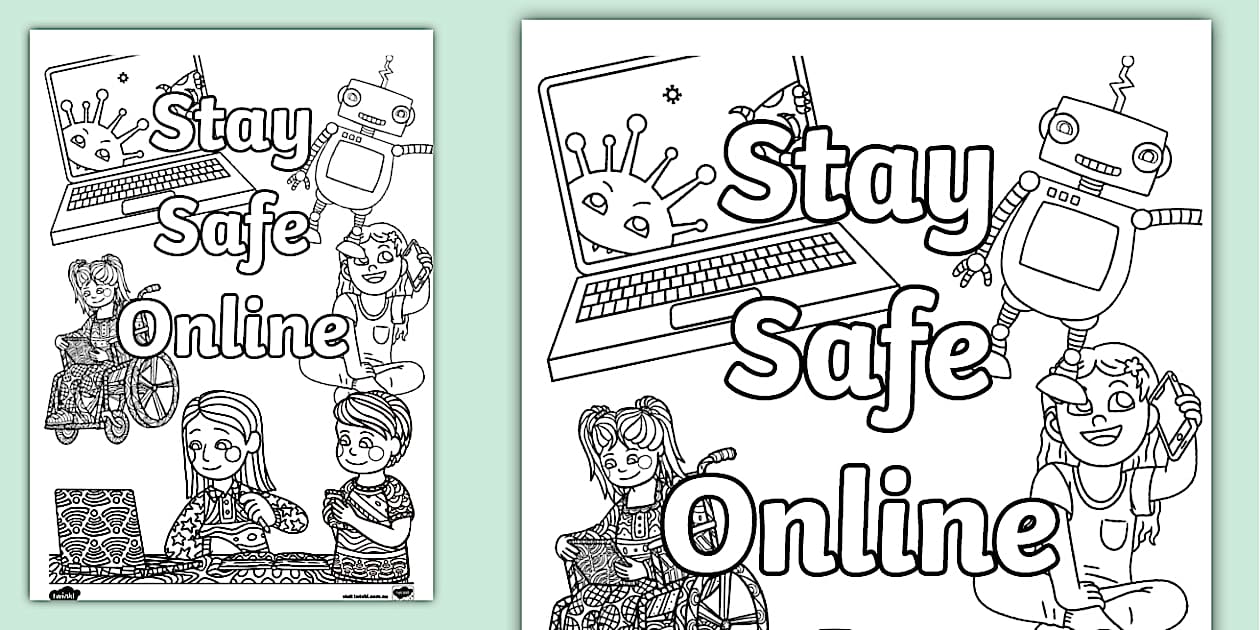
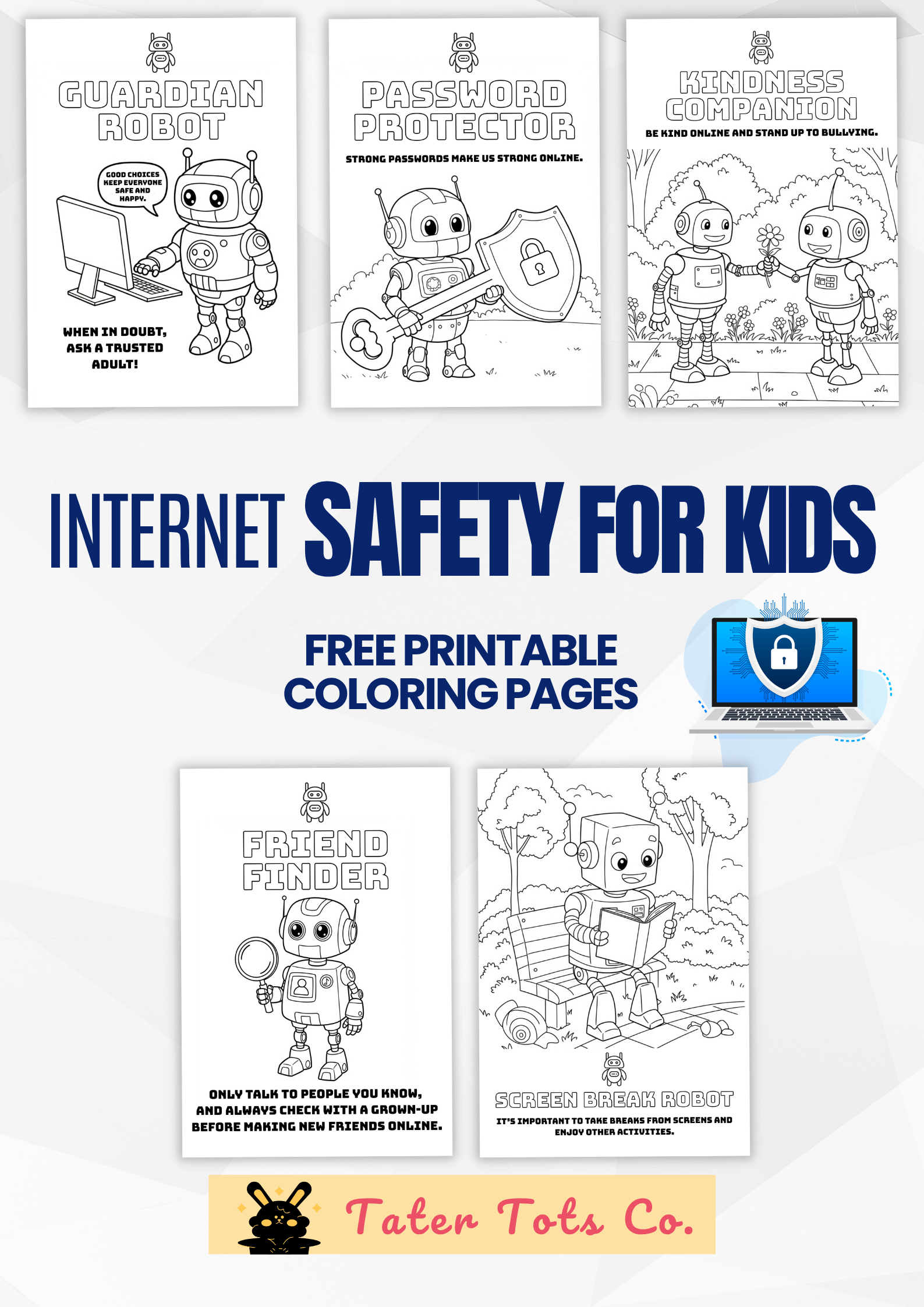
The free printable colouring sheets for interenet saftey focus on foundational protective habits that keep children grounded in reality while exploring virtual worlds. Artwork depicts characters making smart choices, such as pausing before clicking buttons, guarding home addresses, and turning to trusted adults when something feels confusing. According to Pew Research Center, a substantial majority of parents of young children express concern about their children’s digital exposure, highlighting the urgent need for accessible conversation starters. Rather than policing device time, these pages spotlight practical actions like creating strong passwords and remembering that online friends are still strangers. Children actually encounter risks through everyday avenues like in-game chat windows and shared family devices, making early literacy around digital boundaries essential. Exploring a collection of foundational digital safety resources provides educators and parents with the exact vocabulary needed to guide these early online explorers.
Key Learning Outcomes
Working through these creative prompts helps children internalize four core digital citizenship habits. First, young learners discover the absolute importance of keeping personal information completely private. Second, the illustrations normalize the vital practice of telling a trusted adult immediately whenever an online interaction feels uncomfortable or weird. Crucially, every child learns the golden rule of reporting: youngsters are never in trouble for coming forward with online mistakes or uncomfortable encounters. Third, participants explore the concept of digital permanence, understanding that pictures and messages live on long after screens turn off. Fourth, the exercises encourage critical thinking about who sits on the other side of a screen name. Mastering these concepts prepares learners to navigate modern interactive virtual environments with confidence and poise.
How to Use This Printable
Coloring serves as a magnificent psychological bridge for young minds. It sounds simple, and that is precisely the point. While hands remain busy blending crayons or pencils, the cognitive load lightens, allowing children to talk freely about their digital experiences without feeling interrogated. Adults can sit alongside learners during an art session to ask open-ended questions about favorite video games or online video channels. Here is what makes this resource different: it shifts the dynamic from rule enforcement to collaborative discovery. Educators often slip these pages into morning work bins or technology lab rotations to prime students before device-based lessons begin. Homeschooling families find success using the artwork as a weekly discussion prompt during morning meetings. Related guide: Two Factor Authentication Coloring Page Kids.
Practical Tips for Parents and Teachers
Patience remains the ultimate tool when introducing internet safety concepts to elementary-aged children. Adults should avoid hovering or correcting the artistic expression, letting the focus remain entirely on the thematic elements of the drawing. Pausing to ask what the character on the page is thinking opens a safe door for children to share their own digital dilemmas. It helps to establish a household or classroom motto stating that mistakes online are simply learning opportunities. Adults must model calm curiosity rather than panic when children report strange pop-ups or mean messages in multiplayer lobbies. Reinforcing these lessons requires consistency rather than intensity.
Age-Appropriate Recommendations
Tailoring digital citizenship to developmental stages ensures the messaging sticks without overwhelming young minds. For kindergarteners and first graders aged five to seven, focus strictly on basic device boundaries, such as asking permission before downloading apps and keeping screens in common family areas. Second through fourth graders aged eight to ten can explore nuances regarding strong passwords, digital footprints, and recognizing unkind behavior in chat rooms. Upper elementary students aged eleven and twelve benefit from deep dives into media literacy, peer pressure, and respectful online communication. Aligning these lessons with the Common Sense Education Digital Citizenship Curriculum provides a structured framework that scales gracefully alongside cognitive development. No printable single-handedly guarantees online safety, but consistent dialogue builds resilient critical thinkers.
According to Common Sense Media, a significant portion of young children begin interacting with digital devices before starting kindergarten, emphasizing the necessity of early, gentle safety guidance. — Common Sense Media
Frequently Asked Questions
Explore More Free Kids Online Safety Printables
Expanding a digital citizenship toolkit requires a variety of mediums beyond single coloring pages. Incorporating diverse educational worksheets and activity pages keeps children engaged across different learning styles and age brackets. Combining visual art with interactive role-playing solidifies protective habits that children carry into middle school and beyond. Adults equipped with the right materials can transform daunting digital safety talks into empowering, routine conversations.
Developmental Milestone & Activity Table
| Development Stage | Recommended Daily Duration | Primary Learning Objective |
|---|---|---|
| Preschool & Pre-K | 10 – 15 Minutes | Pencil grip development & basic pre-stroke lines |
| Kindergarten | 15 – 20 Minutes | Letter/number formation & spatial line awareness |
| Early Elementary (Grade 1–2) | 20 – 30 Minutes | Fluency, sentence construction & neatness |
Images References