Introduction
Digital spaces are woven into the fabric of modern childhood, appearing on shared family tablets, classroom laptops, and living room television screens. Children frequently encounter online environments through in-game chat features, video streaming platforms, and multiplayer games long before adolescence begins. Guiding children through these spaces requires moving past fear-based warnings and toward practical, confidence-building habits. Educational tools that rhyme and catch the ear offer a gentle entry point into complex topics. The free printable strong poem on cyber safety transforms abstract rules about digital footprints into memorable rhythms that resonate with young learners. Effective online safety education treats digital citizenship as a positive skill to build over time, much like looking both ways before crossing the street. Related guide: Teachers Of Grades 9–12 Should Expand Internet Safety Instruction To Include Which Of The Following Topics?.
💡 Educational Key Takeaways:
- Core Skill: Structured Strong Poem On Cyber Safety focused on developing pencil grip, stroke control, and early literacy/math confidence.
- Target Scope: Suited for homeschoolers, preschool, kindergarten, and elementary learners.
- Best Recommendation: Practice 10–15 minutes daily with ergonomic writing tools to reinforce muscle memory without hand fatigue.
What This Printable Covers
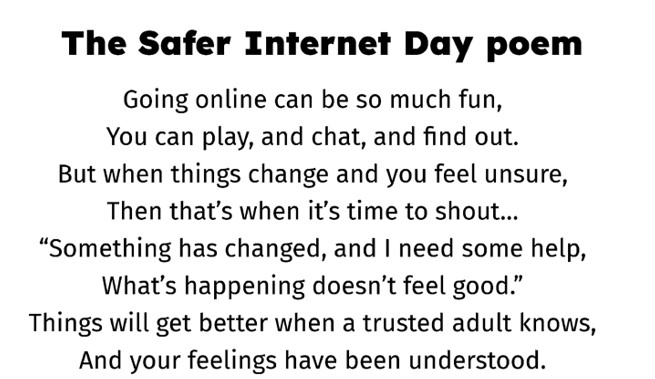
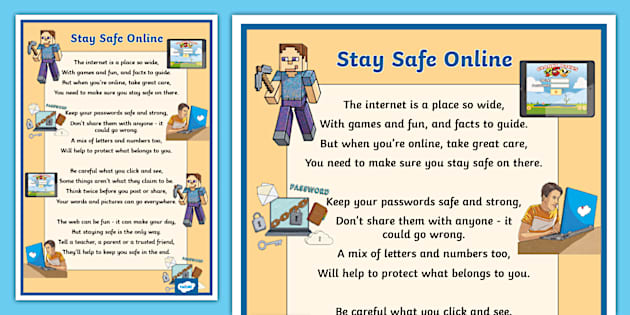
Rhymes stick in young minds, making poetry an ideal vehicle for safety messaging. The stanzas inside the strong poem on cyber safety focus on protective foundational habits: keeping personal information private, creating resilient passwords, pausing before clicking, and identifying trusted adults. Children often face digital dilemmas—such as pop-up windows promising free prizes or stranger messages in game lobbies—when adults are not immediately watching. Equipping students with lyrical prompts helps them recall the correct steps in moments of uncertainty. It sounds simple, and that is the point. When rules are catchy, children internalize them without feeling overwhelmed by technical jargon or worst-case scenarios.
Key Learning Outcomes
Working with this text supports multiple developmental milestones in digital literacy. Students learn to recognize the boundary between public and private information, understanding that names, locations, and school names stay offline. Another core focus is absolute transparency. The poem reinforces the vital message that children are never in trouble for reporting something uncomfortable, weird, or scary online. According to the National Center for Missing & Exploited Children, open communication between youth and trusted adults remains one of the strongest buffers against online exploitation. By practicing these concepts regularly, classrooms and households build a culture where seeking help is always celebrated.
How to Use This Printable
Versatility defines the best educational materials. Educators can integrate the verses into morning meetings, literacy blocks, or technology orientation units. Families benefit from reading the verses aloud together during screen-time routines, using the stanzas as springboards for authentic discussions about internet usage. For broader instructional support, pairing this poetry with printable student activity pages deepens comprehension through reflective writing and drawing. Children love to illustrate the concepts they read, connecting creative expression directly to real-world caution. A poem on paper becomes a tangible anchor for digital boundaries.
Practical Tips for Parents and Teachers
Adults play a powerful role in modeling calm, balanced digital habits. When presenting the poem, invite children to read lines aloud, pausing to discuss what specific phrases mean in everyday life. Ask open-ended questions about favorite online games or apps to discover where children spend their digital time. Exploring related internet safety lessons provides additional context for tackling tricky online scenarios. Patience matters immensely during these talks. Children need reassurance that mistakes happen, and the primary goal is learning how to navigate the digital world safely and smartly alongside supportive adults.
Age-Appropriate Recommendations
Tailoring digital citizenship instruction to developmental stages ensures messages land effectively. Younger elementary students, ages five to eight, respond best to concrete rules regarding screen time limits and device sharing. Older elementary children, ages nine to twelve, can explore nuanced concepts like digital footprints, respectful communication, and critical evaluation of online sources. Grounding these lessons in frameworks such as the Common Sense Education Digital Citizenship Curriculum helps educators align activities with research-backed competencies. Younger children memorize the poetry for rhythmic comfort, while older students analyze the underlying responsibility of every shared word or image.
Young children frequently encounter digital environments through shared family devices, in-game chat features, and video platforms long before adolescence begins. — Common Sense Media
Frequently Asked Questions
Addressing common inquiries helps adults maximize the impact of safety printables. Parents and educators often wonder how to access the materials, how poetry aids retention, and what national organizations recommend for youth digital safety. Clear, concise answers empower adults to take immediate action in homes and classrooms. Exploring broader digital safety resources expands the toolkit for year-round learning.
Explore More Free Kids Online Safety Printables
Building robust digital citizenship is an ongoing journey that benefits from diverse learning tools. Beyond poetry, educators and families can utilize creative coloring sheets to reinforce positive habits through visual art and discussion. Every conversation, worksheet, and shared reading session moves children closer to becoming confident, independent, and secure digital citizens.
Developmental Milestone & Activity Table
| Development Stage | Recommended Daily Duration | Primary Learning Objective |
|---|---|---|
| Preschool & Pre-K | 10 – 15 Minutes | Pencil grip development & basic pre-stroke lines |
| Kindergarten | 15 – 20 Minutes | Letter/number formation & spatial line awareness |
| Early Elementary (Grade 1–2) | 20 – 30 Minutes | Fluency, sentence construction & neatness |
Images References