Introduction
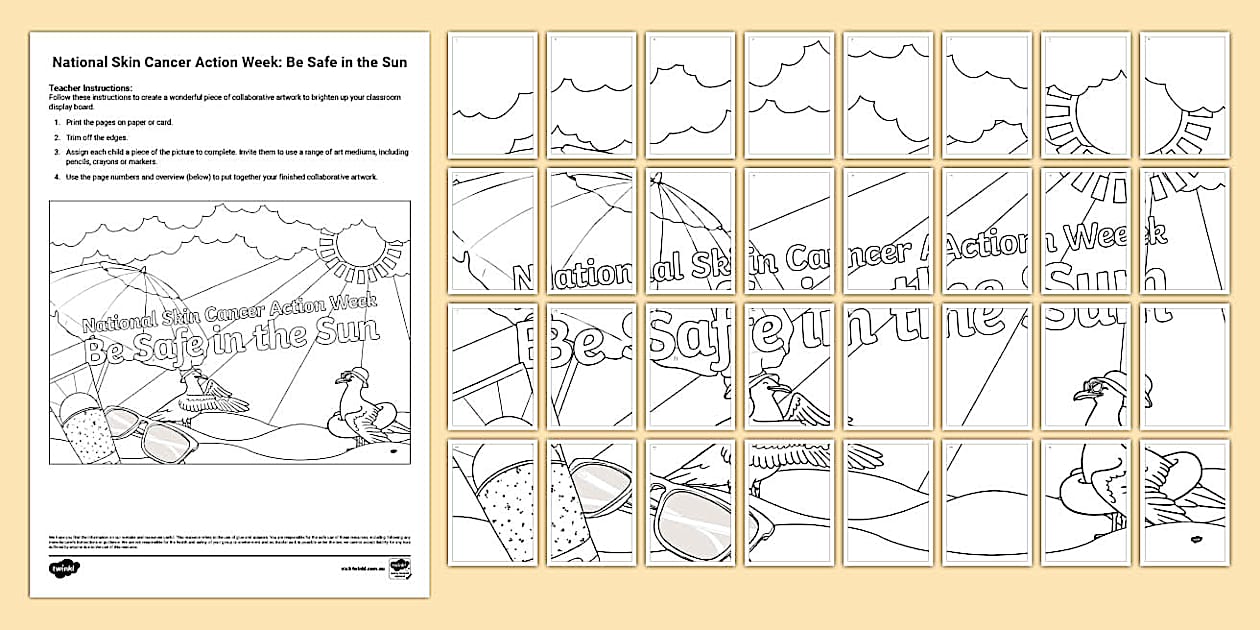
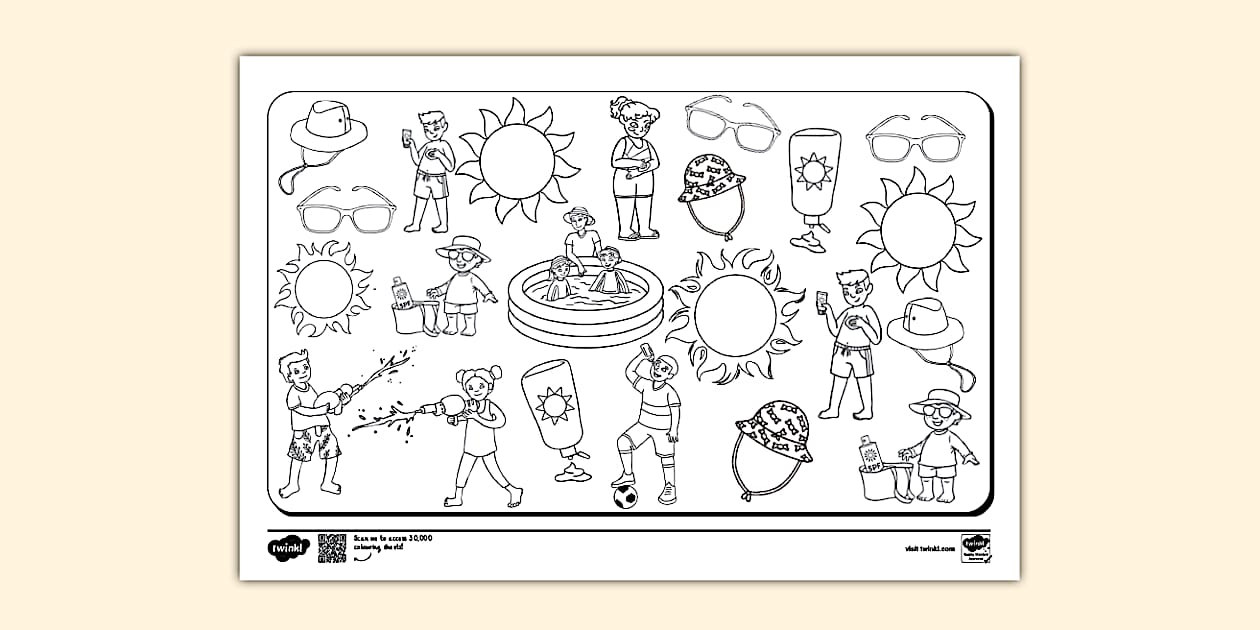
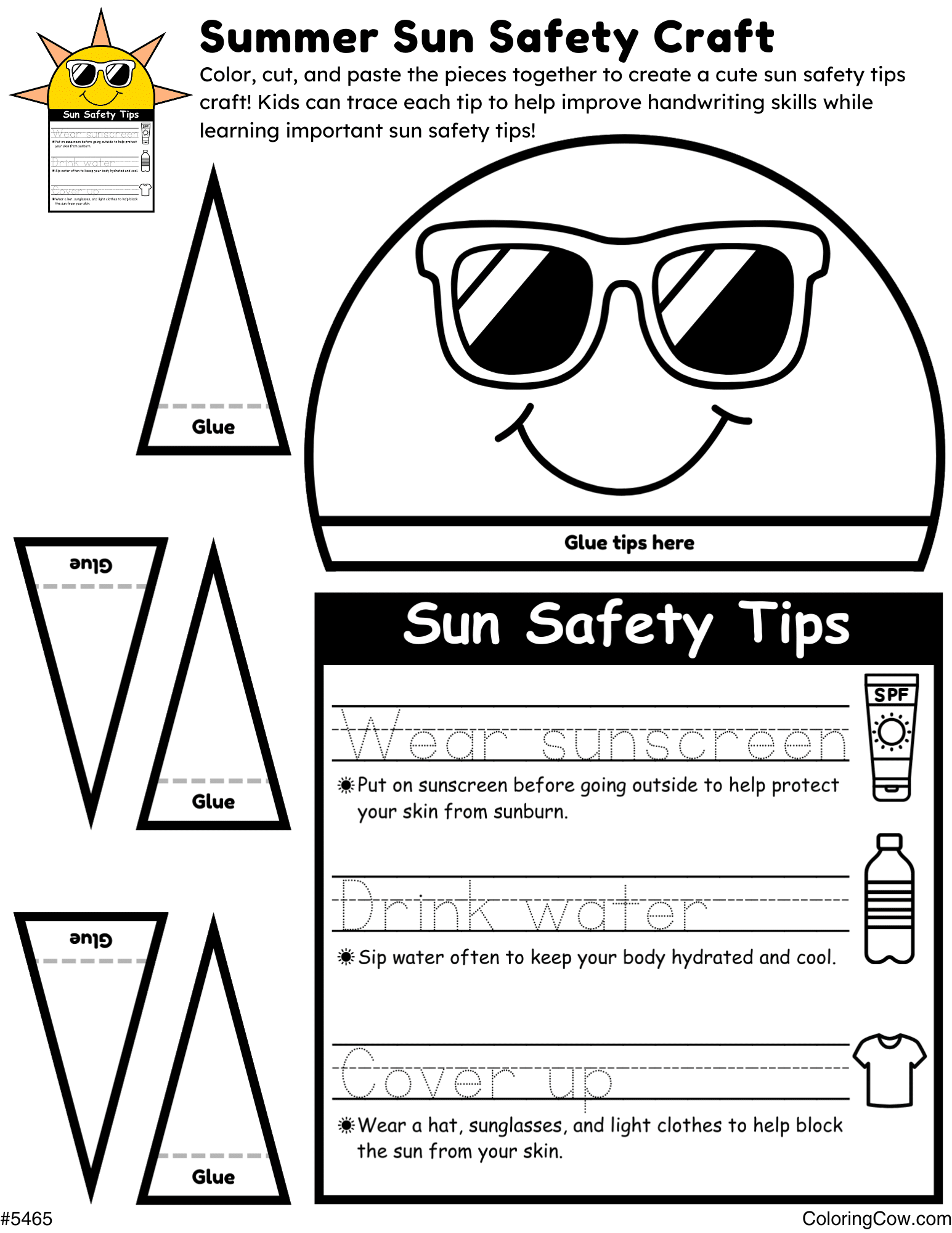
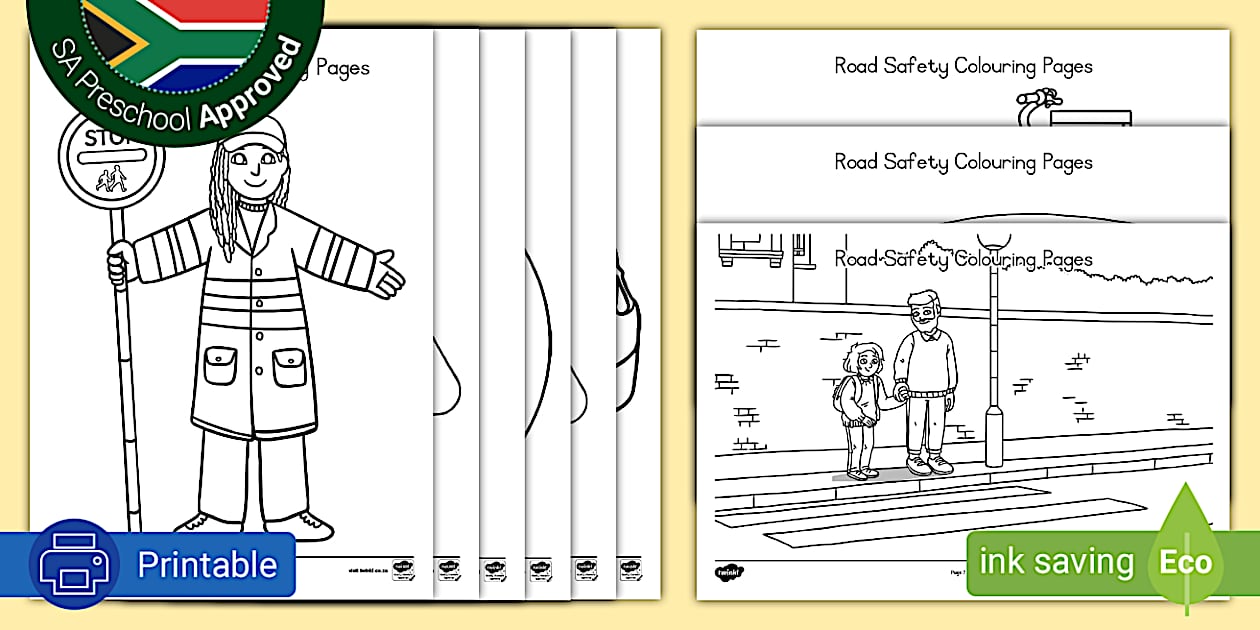
Children encounter digital environments long before they master reading complex safety manuals. Tablets passed around in the living room, shared classroom devices, and in-game chat features within popular gaming platforms introduce young minds to virtual spaces daily. Navigating these digital realms requires steady guidance rather than fear-based restrictions. Educators and caregivers frequently seek accessible tools to introduce foundational digital citizenship concepts without overwhelming developing brains. Engaging visual activities bridge this gap by transforming abstract rules into tangible concepts. The free printable seun safe colouring in serves as a welcoming entry point for initiating meaningful conversations about digital habits, helping young learners visualize positive behaviors while keeping crayons moving across the page. Related guide: Safe Websites Meaning For Kids.
💡 Educational Key Takeaways:
- Core Skill: Structured Seun Safe Colouring In focused on developing pencil grip, stroke control, and early literacy/math confidence.
- Target Scope: Suited for homeschoolers, preschool, kindergarten, and elementary learners.
- Best Recommendation: Practice 10–15 minutes daily with ergonomic writing tools to reinforce muscle memory without hand fatigue.
What This Printable Covers
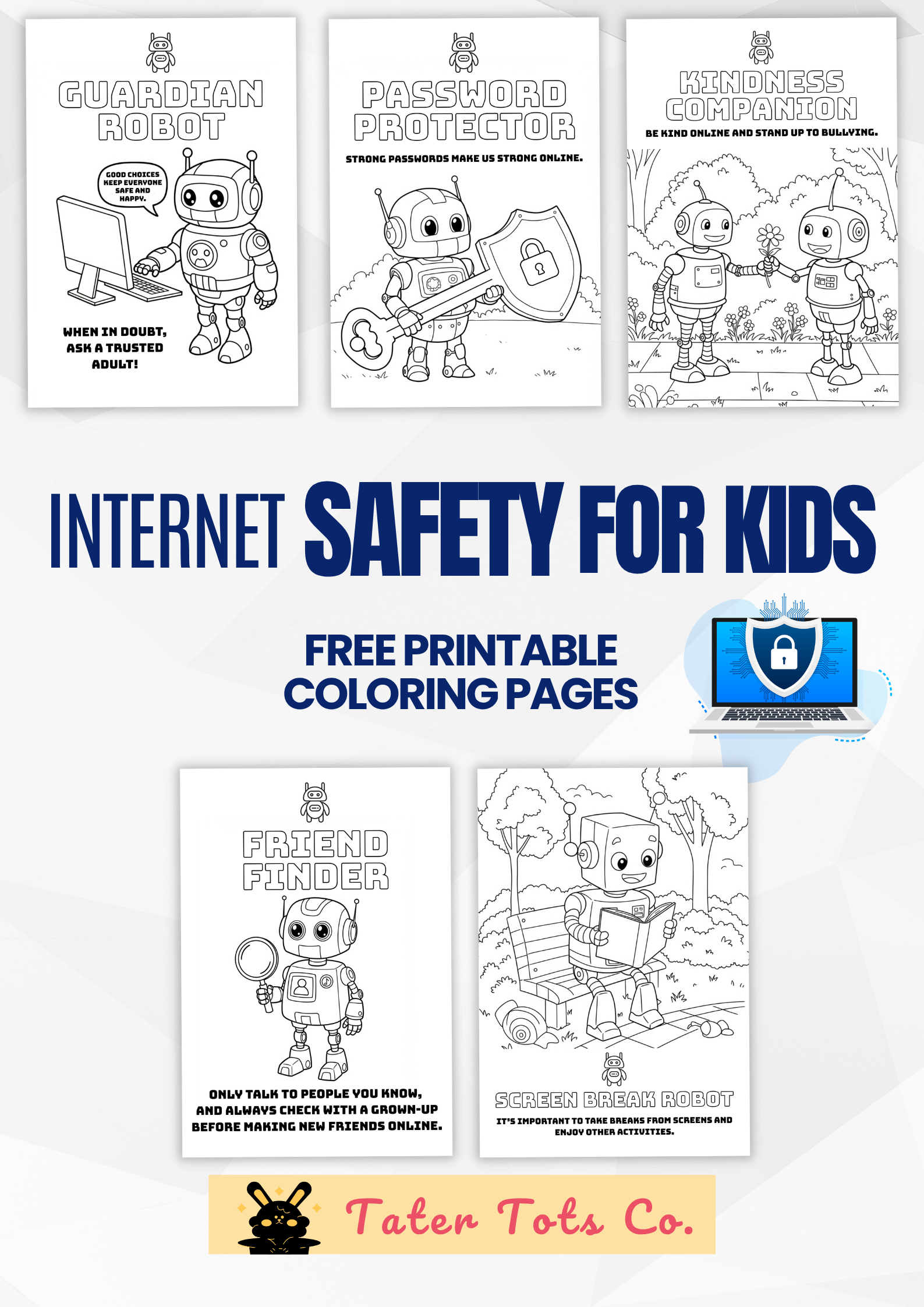
Visual learning tools work exceptionally well in elementary classrooms and living rooms because they anchor intangible concepts to concrete images. This specific coloring resource introduces core safety habits like keeping personal information private, recognizing strong passwords, and pausing before sharing images or messages. Rather than focusing on threats or scary scenarios, the artwork highlights positive choices, such as stepping away from screens and seeking out a trusted adult when something feels confusing. Coloring reinforces these safety messages naturally, keeping hands busy while the brain processes vital information. It sounds simple, and that is precisely the point. When children color characters practicing safe digital habits, they internalize those behaviors as normal routines. Exploring additional Internet and Digital Safety strategies expands this foundation further across home and school environments.
Key Learning Outcomes
Working through this creative activity helps children identify the difference between public and private information, such as home addresses and favorite colors. Participants practice the fundamental habit of stopping to think before clicking or typing responses into shared spaces. Another crucial outcome centers on open communication: reinforcing the absolute rule that children are never in trouble for reporting something uncomfortable or unexpected online. Developing these protective habits early ensures that learners build confidence long before encountering complex web interactions. Educators can pair these visual exercises with hands-on Worksheets designed to solidify critical thinking skills in group settings.
How to Use This Printable
Facilitating a productive session with this resource involves setting a calm, conversational tone. Adults can print copies ahead of small group rotations or quiet afternoon home activities. As crayons scratch against paper, natural openings arise to discuss real-world scenarios, such as encountering pop-up messages or talking to strangers in multiplayer video games. Here is what makes this resource different: it relies on low-pressure creativity to invite questions rather than demanding immediate, memorized answers. Children feel safe expressing curiosity when they are actively engaged in art.
Practical Tips for Parents and Teachers
Guiding conversations around digital citizenship works best when adults ask open-ended questions instead of lecturing. Asking questions like “What do you think our character should do next?” encourages active problem-solving. Teachers can integrate these pages into morning meeting routines, while parents might use them during quiet weekend afternoons. Consistency between home and school messaging helps children recognize that digital rules apply everywhere devices are used. Integrating broader Online and Digital Safety practices into daily schedules ensures these lessons stick.
Age-Appropriate Recommendations
Tailoring digital literacy to developmental stages ensures messages resonate effectively. Younger elementary students benefit immensely from concrete visual aids that emphasize basic boundaries, such as asking permission before downloading apps. Aligning these lessons with the Common Sense Education Digital Citizenship Curriculum provides structured pathways that match children’s growing cognitive abilities. Older elementary learners can transition from coloring to deeper discussions regarding digital footprints and respectful online communication.
According to Common Sense Media research, a significant percentage of young children use mobile devices daily, often before starting formal school, making early digital habit-formation essential. — Common Sense Media
Frequently Asked Questions
Navigating digital safety education often brings up practical questions for educators and families. Clear answers help streamline implementation whether at home or inside a bustling classroom environment. Reviewing these common inquiries ensures adults feel fully prepared to guide young learners toward healthy, balanced technology habits.
According to the Federal Trade Commission, equipping children with foundational privacy habits early helps them navigate connected environments with greater confidence and awareness. — Federal Trade Commission
Explore More Free Kids Online Safety Printables
Expanding a digital citizenship library with diverse educational tools keeps learning fresh and engaging throughout the school year. Educators and parents can discover additional creative resources by browsing the collection of Coloring Pages available on the platform. Combining these artistic activities with structured discussions builds a comprehensive safety net for every child.
Developmental Milestone & Activity Table
| Development Stage | Recommended Daily Duration | Primary Learning Objective |
|---|---|---|
| Preschool & Pre-K | 10 – 15 Minutes | Pencil grip development & basic pre-stroke lines |
| Kindergarten | 15 – 20 Minutes | Letter/number formation & spatial line awareness |
| Early Elementary (Grade 1–2) | 20 – 30 Minutes | Fluency, sentence construction & neatness |
Images References