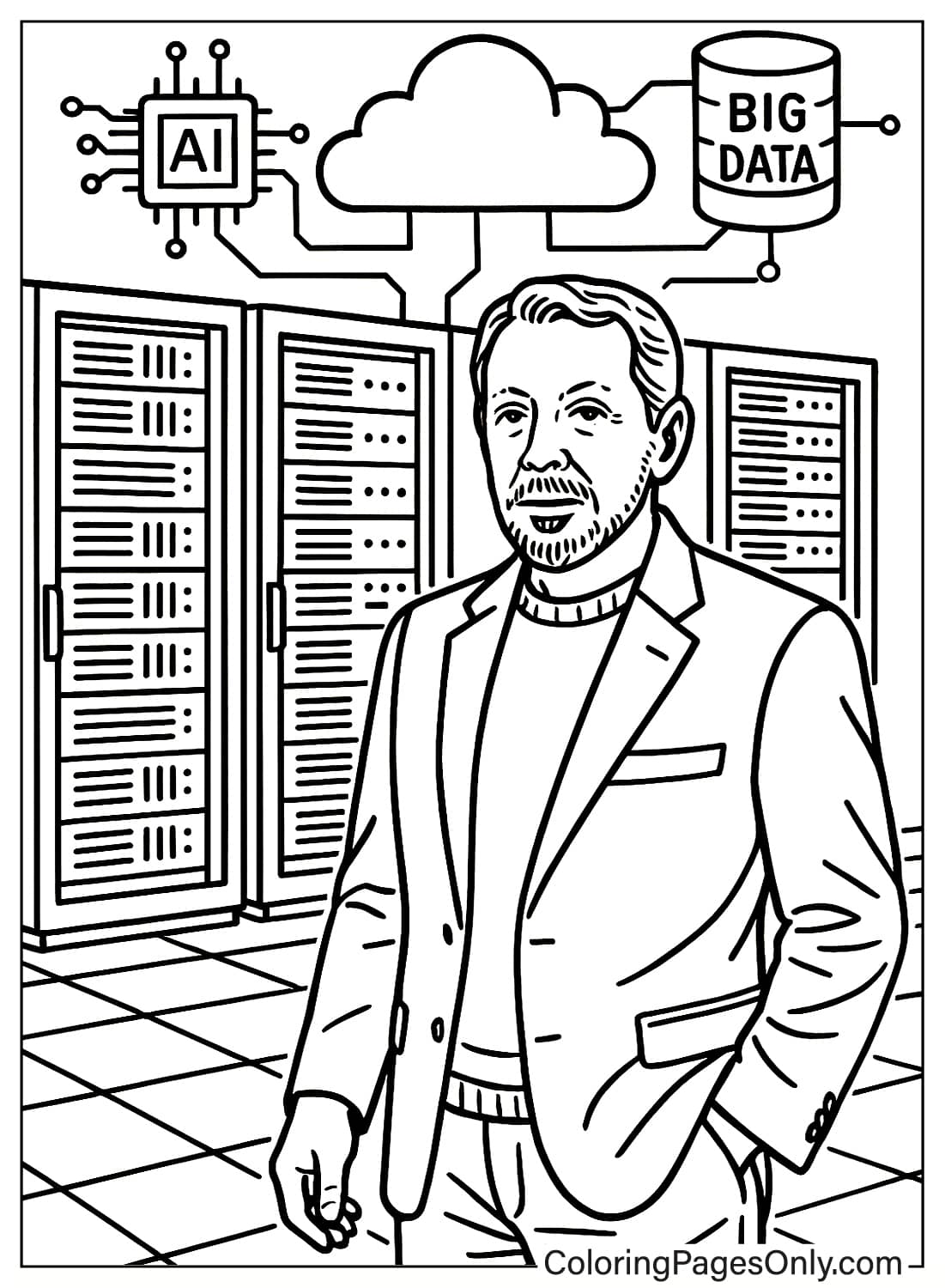
Introduction
Young children navigate digital environments long before they master cursive. Shared family tablets, immersive in-game chat features, and popular video platforms form a standard part of daily childhood. Children encounter digital spaces naturally, yet the abstract concept of data privacy remains difficult for developing minds to grasp. Traditional lectures on cybersecurity often fall flat because the terminology feels disconnected from everyday play. Educators and families need approachable tools that translate invisible digital footprints into concrete concepts. Coloring engages tactile creativity while freeing cognitive space for gentle comprehension. Exploring these themes through art helps bridge the gap between abstract rules and tangible habits, supporting foundational lessons found in Internet and Digital Safety initiatives.
💡 Activity Key Takeaways:
- Core Focus: Printable Anti Data Coloring Pages designed for creative expression and fine-motor coordination.
- Target Scope: Ideal for toddlers, preschool, kindergarten, and classroom art activities.
- Best Recommendation: Use standard heavy printer paper (24–28 lb) or cardstock for vibrant results with crayons, colored pencils, or washable markers.
What This Printable Covers
The free printable anti data coloring pages for {site_name} introduce foundational digital literacy through imagery. Illustrations depict everyday choices, such as keeping home addresses private, recognizing personal information, and choosing strong passwords. Instead of relying on fear, the artwork highlights empowering habits like asking a trusted adult before downloading new content. Children actually meet online risks during casual moments, such as typing a real name into an open game lobby or sharing a school mascot in a public video comment. Visual cues make these scenarios recognizable without inducing anxiety. Grounding digital concepts in familiar scenes allows kids to process information at their own pace, complementing broader resources like printable Worksheets designed for early learners.
Key Learning Outcomes
Working through these creative sheets builds essential protective instincts. Children learn to identify digital footprints, understand why certain details stay private, and recognize the importance of open communication. According to Common Sense Media, children benefit immensely from structured media mentorship that reframes technology use around critical thinking rather than restriction. When kids color scenes about telling an adult regarding uncomfortable online moments, the message is clear: children are never in trouble for reporting digital concerns. This reinforcement fosters trust and ensures young users feel supported when unexpected situations arise during independent device use. Related guide: Two Factor Authentication Coloring Page Kids.
How to Use This Printable
Facilitating a productive session requires a calm, conversational atmosphere. Adults can print the pages, provide crayons or markers, and sit alongside the child to color together. It sounds simple, and that’s the point. As pencils move across the paper, natural openings for dialogue emerge. Questions like “What kind of information should stay a secret?” or “Who is your go-to trusted adult?” flow easily during a shared art project. Coloring reinforces safety messages because the tactile act of filling in shapes anchors memory more effectively than passive listening alone. This activity serves as a bridge, transforming a solitary screen-time habit into an interactive, relationship-building experience.
Practical Tips for Parents and Teachers
Maximizing the impact of this resource involves intentional pacing and positive reinforcement. Educators can integrate these sheets into morning work rotations or digital citizenship units, while parents might use them during quiet afternoon hours. Keep the tone light, curious, and supportive. Avoid interrogating the child about their past online behavior. Instead, focus on the fictional scenarios depicted in the artwork to discuss future choices. Praise thoughtful answers and validate any confusion children express about tricky online pop-ups or chat messages. Consistent, low-pressure conversations build resilience over time, aligning with strategies highlighted across Online and Digital Safety guides.
Age-Appropriate Recommendations
Children aged five to twelve process digital concepts differently depending on their developmental stage. Younger elementary students focus on basic boundaries, such as distinguishing between real-world friends and online strangers. Older children tackle more nuanced topics like digital footprints and secure passwords. Grounded in the Common Sense Education Digital Citizenship Curriculum, these pages adapt to varied age groups by scaling the complexity of accompanying discussions. For kindergarteners, keep the focus on simple secrets versus surprises. For upper elementary students, delve into how public posts remain visible for a long time. These creative activities also pair wonderfully with specialized Coloring Pages that target specific media literacy skills.
According to Pew Research Center, a vast majority of parents express concern about their young children’s digital privacy and screen interactions, highlighting the need for proactive educational tools at home and in classrooms. — Pew Research Center
Frequently Asked Questions
Explore More Free Kids Online Safety Printables
Building lasting digital citizenship is an ongoing journey that benefits from diverse resources. Beyond coloring sheets, families and educators can explore a wide variety of printable activities designed to reinforce healthy tech habits. Consistent reinforcement across multiple formats helps children internalize important boundaries without fear. Dive deeper into supplementary teaching aids to keep internet safety discussions engaging, approachable, and relevant to modern childhood experiences.
Key Specifications & Age-Group Overview
| Age / Grade Group | Target Skill Focus | Recommended Medium |
|---|---|---|
| Toddlers (Ages 2–4) | Hand-eye coordination & broad motor grasp | Jumbo crayons & washable finger paints |
| Early Elementary (Ages 5–7) | Line boundaries & fine pencil control | Standard colored pencils & fine-tip markers |
| Intermediate (Ages 8+) | Color blending, shading & artistic patience | Watercolor pencils, gel pens & dual-brush markers |
Images References