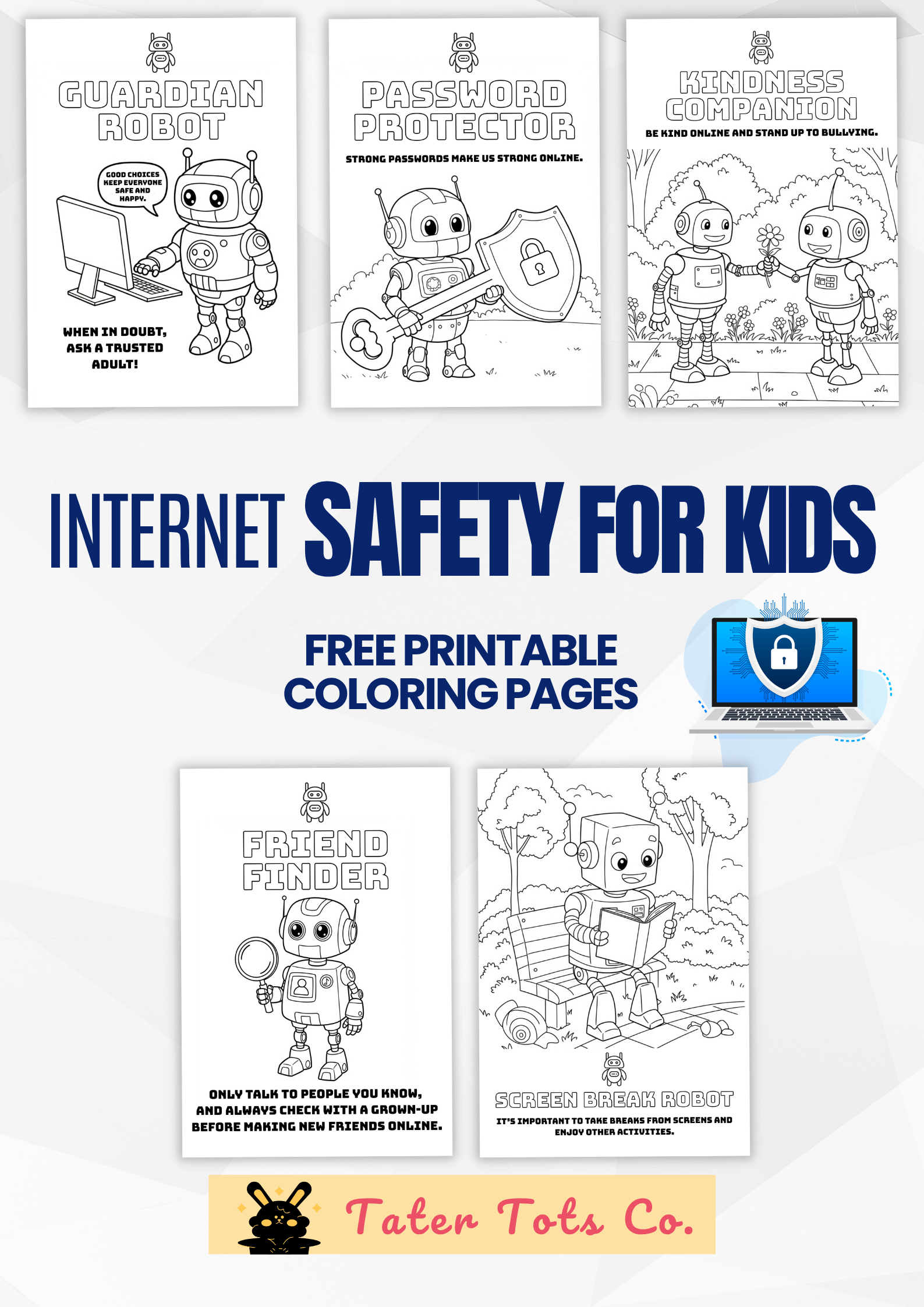
Why Visual Learning and Danger Sign Coloring Sheet Tools Matter for Young Learners
As children navigate tablets, school Chromebooks, and family computers at increasingly younger ages, teaching them how to recognize online hazards requires creative, accessible approaches. Early digital citizenship foundations must move beyond technical jargon to resonate with elementary and middle school students. By integrating visual resources like a danger sign coloring sheet into lesson plans or family media nights, educators and parents can introduce vital concepts such as private data, secure websites, and stranger awareness. Grounded in youth privacy insights from organizations like ConnectSafely and the Family Online Safety Institute (FOSI), this hands-on approach helps kids anchor abstract online rules into concrete, recognizable symbols they can remember when interacting with the digital world. Related guide: Two Factor Authentication Coloring Page Kids.
💡 Activity Key Takeaways:
- Core Focus: Printable Danger Sign Coloring Sheet designed for creative expression and fine-motor coordination.
- Target Scope: Ideal for toddlers, preschool, kindergarten, and classroom art activities.
- Best Recommendation: Use standard heavy printer paper (24–28 lb) or cardstock for vibrant results with crayons, colored pencils, or washable markers.
Risk Signals and Preventive Guardrails for Digital Environments
Protecting youth online requires a balance of device-level technical controls and active behavioral oversight. Whether a student is browsing educational games on a home laptop or completing assignments on a school-issued tablet, adults must watch for behavioral shifts and technical vulnerabilities. The following breakdown highlights common risk areas alongside practical safeguards that parents and teachers can implement immediately.
| Setting / Context | Common Vulnerability | Practical Safeguard |
|---|---|---|
| Home Devices | Unmonitored web browsing and pop-up ads offering deceptive downloads. | Enable router-level content filters, strict safe search defaults, and centralized family charging stations. |
| School Chromebooks & Tablets | Bypassing extension-based classroom monitoring or accessing unapproved peer-to-peer chat apps. | Partner with IT administrators to audit installed extensions and review Internet and Digital Safety guidelines. |
| Social & Chat Habits | Oversharing personal details or responding to unverified messages in gaming lobbies. | Establish clear communication boundaries, turning downtime into moments for review using Worksheets and creative prompts. |
Daily Routines and Classroom Policies That Reinforce Student Safety
Building a resilient safety culture relies on consistent habits rather than one-time lectures. In classrooms, educators can establish predictable guidelines by communicating digital expectations clearly during the first week of term, integrating interactive Coloring Pages to reinforce offline versus online boundaries. At home, families should establish transparent device rules, such as keeping screens out of bedrooms overnight and encouraging children to report strange pop-ups, awkward messages, or accidental clicks immediately without fear of punishment. When children know adults will respond with guidance rather than anger, they are far more likely to speak up when encountering online trouble.
Overly restrictive internet bans often backfire by driving curious students to seek out secret workarounds, anonymous proxy sites, or hidden messaging apps. Cybersecurity guidance from agencies like CISA emphasizes that education and open communication yield better long-term compliance than locking down devices completely. Instead of imposing sudden penalties when a child slips up, use the moment to investigate how the boundary was crossed. Pair age-appropriate technical filters with regular, calm check-ins where students feel comfortable discussing strange encounters they faced online or in gaming environments.
Frequently Asked Questions About Integrating Safety Visuals
How can a danger sign coloring sheet help teach younger children about cybersecurity?
Visual aids transform complex concepts like malicious links, secure padlocks, and private information into recognizable symbols. Coloring activities give kids physical ownership over these concepts, making abstract safety rules easier to recall.
What age group benefits most from tactile and creative digital safety resources?
Children in kindergarten through fifth grade respond best to coloring sheets, guided storytelling, and visual checklists. These tools lay the groundwork for more advanced Online and Digital Safety discussions as they grow older.
How do I start a conversation with my child after they spot a potential online danger?
Stay calm, validate their honesty, and thank them for bringing the issue to your attention. Frame the conversation around teamwork and problem-solving rather than interrogation to maintain their trust.
Explore More Digital Citizenship Resources
Empowering the next generation of digital citizens takes a collaborative community effort between educators, caregivers, and school staff. Explore additional guides, lesson plans, and protective tools by visiting SafeWiredSchools.org to keep your students secure, informed, and confident online.
Printable Coloring Page Previews