Why Boundary Education Begins Before the Screen Opens
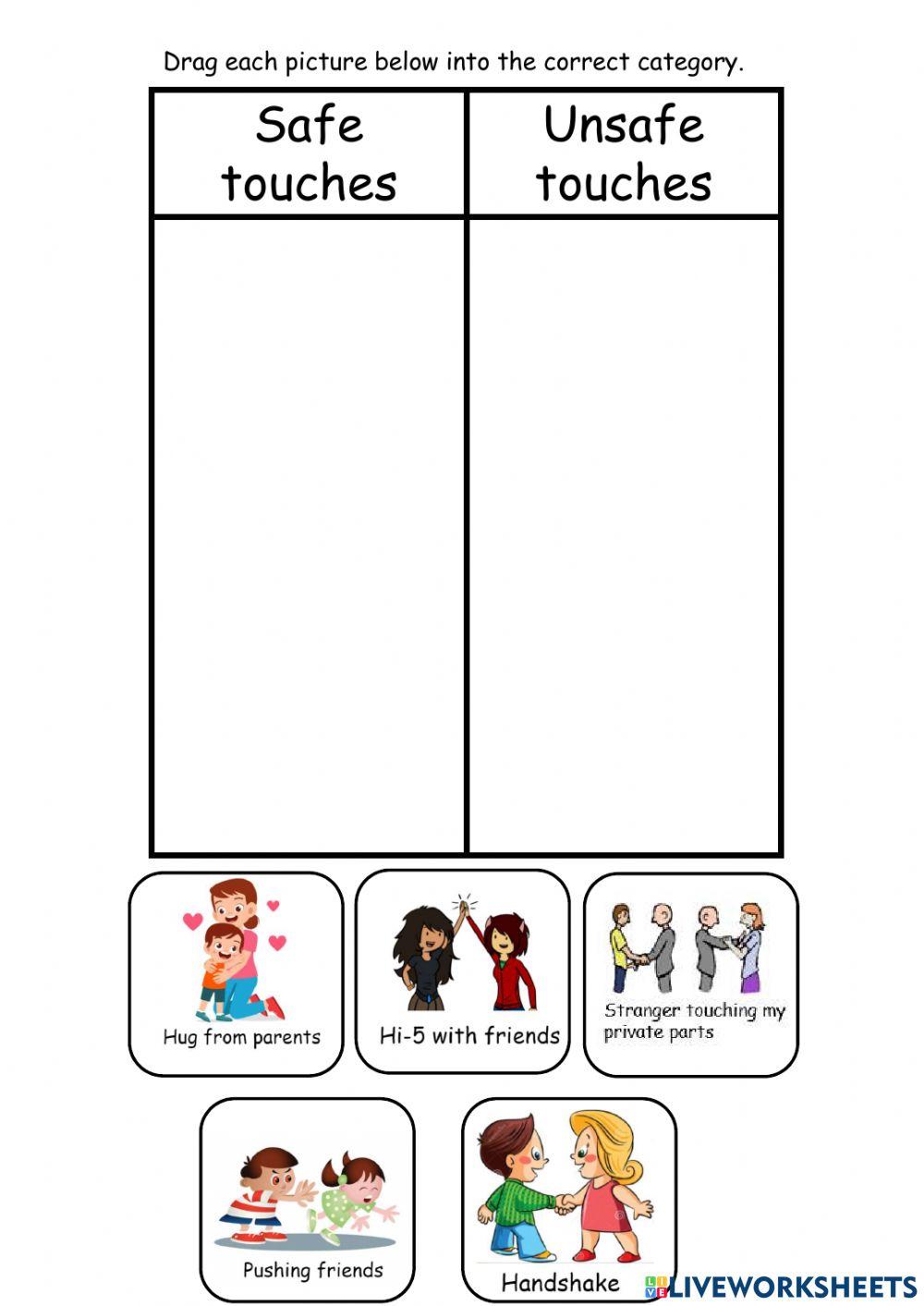
Teaching children how to navigate interpersonal connections is one of the most vital responsibilities educators and parents share. As young students spend more time interacting through apps, multiplayer games, and school-issued devices, traditional social cues are filtered through pixels. Integrating safe and unsafe relationships worksheets into daily instruction provides a tangible, scaffolded way for kids to analyze boundaries, recognize manipulation, and articulate when something online or offline feels wrong. Aligning with guidance from organizations like ConnectSafely and the Cybersecurity and Infrastructure Security Agency, these educational tools help children build critical thinking skills before they face difficult peer pressure or grooming attempts in digital spaces.
💡 Educational Key Takeaways:
- Core Skill: Structured Safe And Unsafe Relationships Worksheets focused on developing pencil grip, stroke control, and early literacy/math confidence.
- Target Scope: Suited for homeschoolers, preschool, kindergarten, and elementary learners.
- Best Recommendation: Practice 10–15 minutes daily with ergonomic writing tools to reinforce muscle memory without hand fatigue.
Spotting Risk Signals and Strengthening Digital Guardrails
Recognizing the difference between healthy online interactions and predatory behavior requires a mix of thoughtful discussion and proper technical configuration. Adults must monitor not only what children view, but also who they communicate with across shared platforms. The table below outlines common digital contexts, the vulnerabilities associated with them, and actionable safeguards educators and parents can implement today.
| Setting / Context | Common Vulnerability | Practical Safeguard |
|---|---|---|
| Home Devices & Tablets | Unmonitored direct messaging apps bypassing parental sightlines. | Establish centralized family charging stations and review app permissions together monthly. |
| School Chromebooks | Students using hidden browser extensions or shared logins to bypass filters. | Enforce strict classroom policy communication regarding acceptable use and audit activity logs regularly. |
| Social & Gaming Chat | Strangers offering in-game currency in exchange for personal information or private photos. | Disable public voice chat features and teach kids how to block and report unknown users immediately. |
Establishing Clear Habits Between Home and Classroom
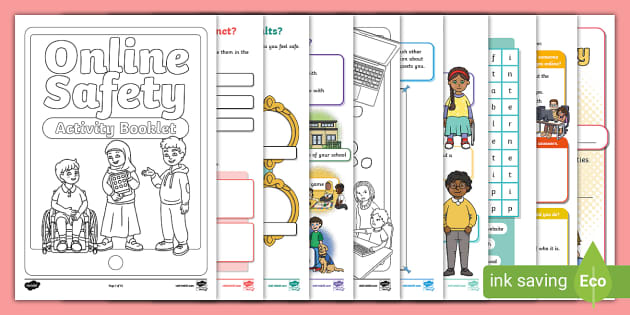
Effective digital citizenship relies on consistency. When schools and homes reinforce the same vocabulary around safe and unsafe relationships worksheets, children receive a unified message. Educators can introduce these concepts during computer lab lessons or health classes, while parents can reinforce them during quiet weekend discussions. To make these lessons stick, create simple routines: use safe and unsafe relationships worksheets as conversation starters rather than tests, establish a strict rule that children can report online mistakes without facing immediate device confiscation, and encourage them to pause before clicking or sharing. Pairing these activities with resources from our Worksheets archive ensures children have continuous practice in identifying healthy boundaries.
Overcoming Student Workarounds and Adult Hesitation
One of the biggest hurdles adults face is student pushback. Children quickly learn how to delete browser histories, use incognito windows, or create secret secondary accounts to evade overly restrictive parental controls. Total bans or aggressive surveillance often backfire, driving student communication further underground and making children fearful of asking for help when a peer situation turns toxic. Instead of relying solely on heavy-handed filtering software, adults must pair technical guardrails with calm, non-judgmental check-ins. If a student encounters an uncomfortable interaction online, they need to know that trusting an adult will result in problem-solving and support rather than immediate punishment and digital isolation.
Frequently Asked Questions About Relationship Safety Tools
At what age should we introduce safe and unsafe relationships worksheets?
Foundational concepts regarding personal space, trusted adults, and digital boundaries can be introduced as early as kindergarten. As children advance into upper elementary and middle school, these exercises can evolve to cover online peer pressure, digital footprints, and recognizing manipulative behavior in group chats.
How can teachers incorporate these lessons without adding to instructional bloat?
Relationship and safety lessons fit seamlessly into existing reading comprehension, health, or computer science curricula. Educators often utilize material found in our Internet and Digital Safety category to merge literacy skills with vital real-world survival strategies.
What should a parent do if a child hides their online activity out of fear?
Acknowledge their fear calmly and focus on open communication rather than immediate anger. Validate their choice to finally speak up, review privacy settings together as a collaborative team, and consult additional guides available via our Online and Digital Safety hub to rebuild trust.
Explore More Digital Citizenship Resources
Equipping students with the tools to navigate friendships and digital spaces safely is an ongoing journey that requires up-to-date strategies and community collaboration. Continue exploring practical guides, lesson plans, and safety protocols by visiting SafeWiredSchools.org to help every child build a secure and confident digital future.
Worksheet Previews & Reference Materials