Introduction
Children encounter digital environments long before mastering complex reading skills. Tablets, family laptops, and school-issued Chromebooks introduce young learners to vibrant virtual worlds filled with interactive games and streaming videos. Modern online interactions often begin on shared family devices or through in-game chat windows where unexpected messages arrive disguised as exciting rewards or friendly requests. Digital citizenship requires proactive guidance rather than reactive restriction. Equipping young minds with foundational protective habits starts by turning abstract digital concepts into tangible, approachable lessons. Creative analog tools help bridge the gap between invisible online mechanics and concrete physical understanding. Related guide: Two Factor Authentication Coloring Page Kids.
💡 Educational Key Takeaways:
- Core Skill: Structured Phishing Free Colouring Page Free Printable Awearness For Kids focused on developing pencil grip, stroke control, and early literacy/math confidence.
- Target Scope: Suited for homeschoolers, preschool, kindergarten, and elementary learners.
- Best Recommendation: Practice 10–15 minutes daily with ergonomic writing tools to reinforce muscle memory without hand fatigue.
What This Printable Covers
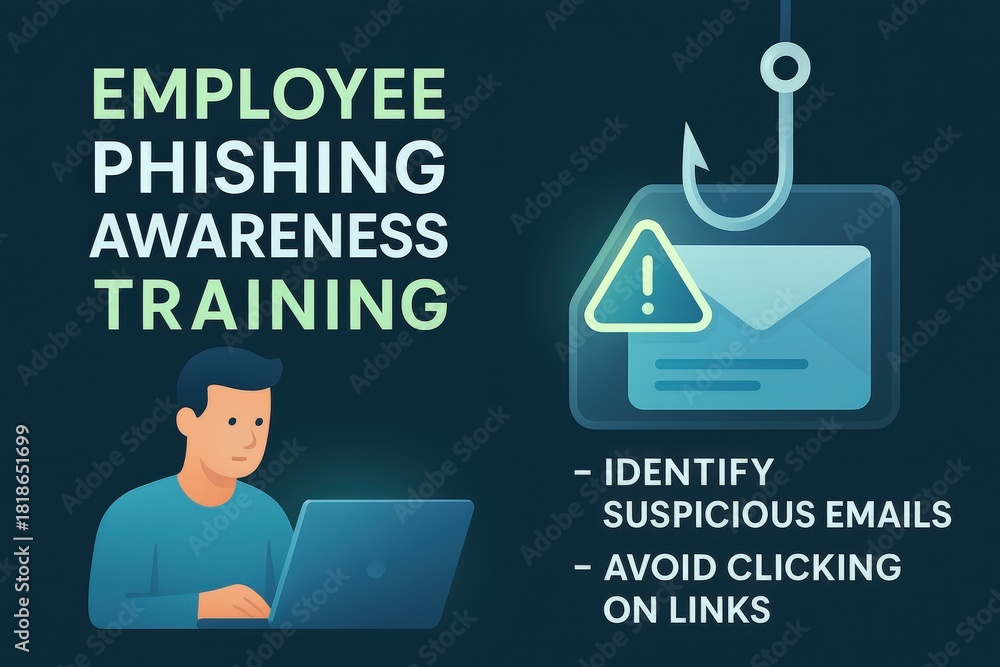
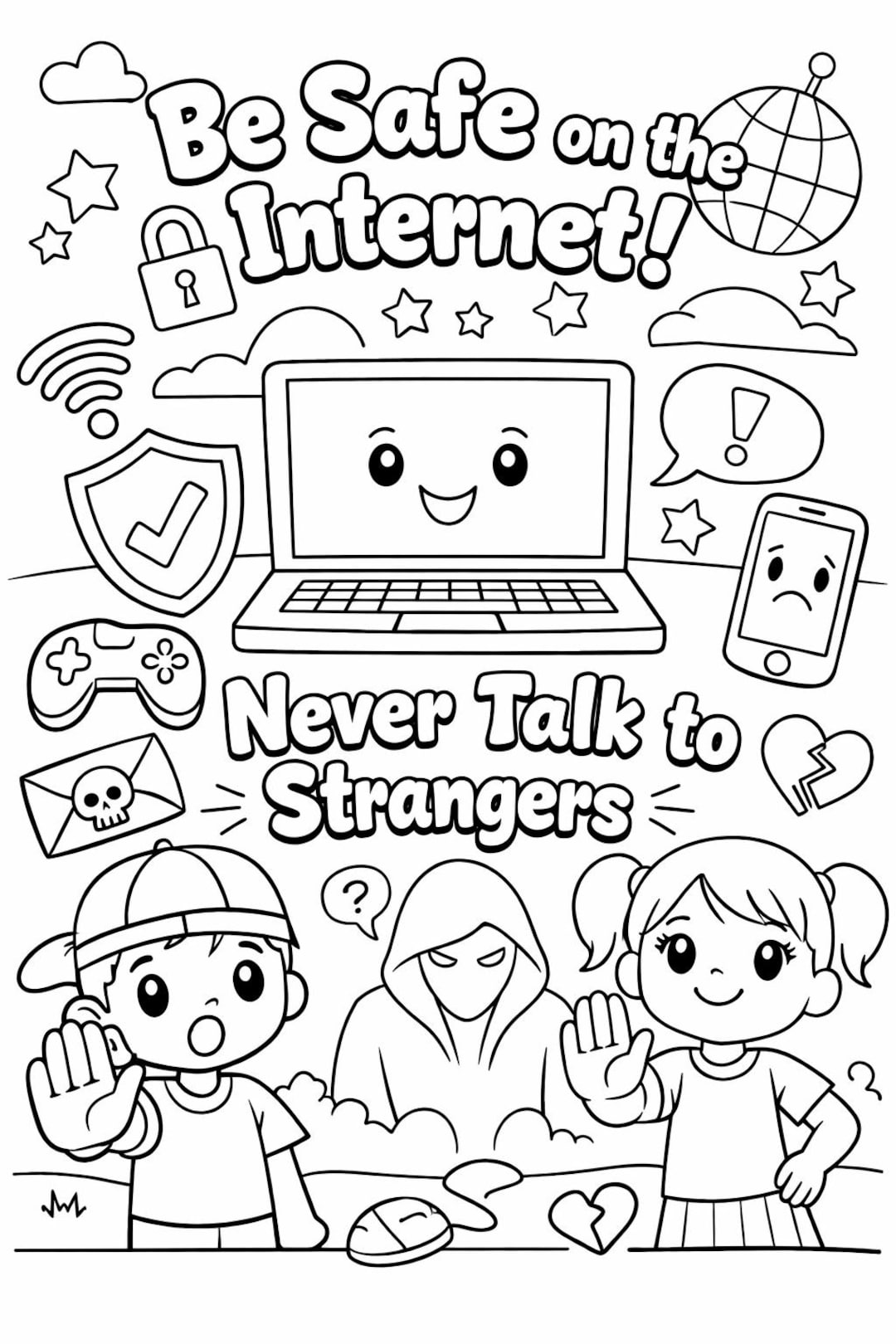
The phishing free colouring page free printable awearness for kids addresses deceptive online communication through accessible visual imagery. Visual learning works exceptionally well for elementary-aged students who process information best through shapes, characters, and color. When youngsters color depictions of digital traps, they absorb the concept that not every online message tells the truth. The artwork prompts discussions around recognizing digital trickery, understanding why strangers might ask for personal details, and learning the importance of pausing before clicking buttons. Coloring reinforces safety messages while keeping the atmosphere relaxed and pressure-free. It sounds simple, and that’s the point.
Key Learning Outcomes
Engaging with educational creative safety sheets supports multiple cognitive and social-emotional development milestones. Learners build the vocabulary needed to describe uncomfortable online encounters to trusted grown-ups. The activity emphasizes three core protective habits: keeping personal information private, identifying suspicious prompts, and immediately alerting an adult without fear of punishment. According to the Federal Trade Commission, children increasingly encounter digital solicitations across gaming platforms and messaging apps, making early recognition skills essential. Establishing these concepts early transforms caution into a natural, empowering habit rather than a source of anxiety.
How to Use This Printable
Facilitating this activity requires minimal preparation, making it ideal for busy classrooms, afternoon homeschool sessions, or quiet kitchen table discussions. Adults can introduce the sheet by asking what students love most about playing games online, gradually steering the dialogue toward how people communicate in virtual spaces. As pencils and crayons move across the paper, natural conversational openings appear regarding pop-up windows and strange messages offering free prizes. Educators frequently pair these visual exercises with hands-on digital citizenship printables to deepen comprehension. Every child deserves to feel equipped with the knowledge to navigate the internet safely and confidently.
Practical Tips for Parents and Teachers
Maximizing the educational value of any safety resource involves creating a welcoming, non-judgmental dialogue environment. Children must hear explicitly that they are never in trouble for reporting an accidental click, a strange pop-up, or an uncomfortable chat message. Here’s what makes this resource different: it shifts the focus away from strict screen-time limits and toward critical thinking skills. Adults should listen attentively when youngsters describe online scenarios, validating their observations while reinforcing standard family safety boundaries. Consistent, calm conversations build lasting resilience against digital manipulation.
Age-Appropriate Recommendations
Adapting digital safety lessons to match developmental stages ensures maximum retention and emotional safety. Younger children in early elementary grades benefit most from basic concepts like identifying trusted adults and keeping passwords secret. Older elementary students can explore nuanced topics like recognizing manipulative language and understanding how digital footprints grow. The Common Sense Education Digital Citizenship Curriculum provides structured benchmarks that align seamlessly with these visual activities, helping educators tailor discussions to specific age groups. Exploring broader topics through foundational safety resources ensures continuous learning as children mature.
Children increasingly encounter deceptive digital solicitations through in-game chats and shared video platforms. — Federal Trade Commission (FTC)
Frequently Asked Questions
Navigating digital literacy tools brings up common questions among educators and families striving to protect young internet users. Clear answers help maximize the impact of every learning session. Reviewing these frequently asked questions provides quick guidance on downloading, implementing, and expanding upon these foundational online safety concepts at home or in the classroom.
Young digital learners benefit from open, supportive communication channels regarding online experiences. — National Center for Missing & Exploited Children (NCMEC)
Explore More Free Kids Online Safety Printables
Continuous reinforcement helps digital citizenship habits stick long-term. Families and educators can expand their toolkit by browsing additional resources dedicated to protective online habits. Discovering new ways to talk about technology keeps safety discussions engaging and fresh. Explore the complete collection of comprehensive child safety materials to support every stage of a young learner’s digital journey.
Developmental Milestone & Activity Table
| Development Stage | Recommended Daily Duration | Primary Learning Objective |
|---|---|---|
| Preschool & Pre-K | 10 – 15 Minutes | Pencil grip development & basic pre-stroke lines |
| Kindergarten | 15 – 20 Minutes | Letter/number formation & spatial line awareness |
| Early Elementary (Grade 1–2) | 20 – 30 Minutes | Fluency, sentence construction & neatness |
Images References