Introduction
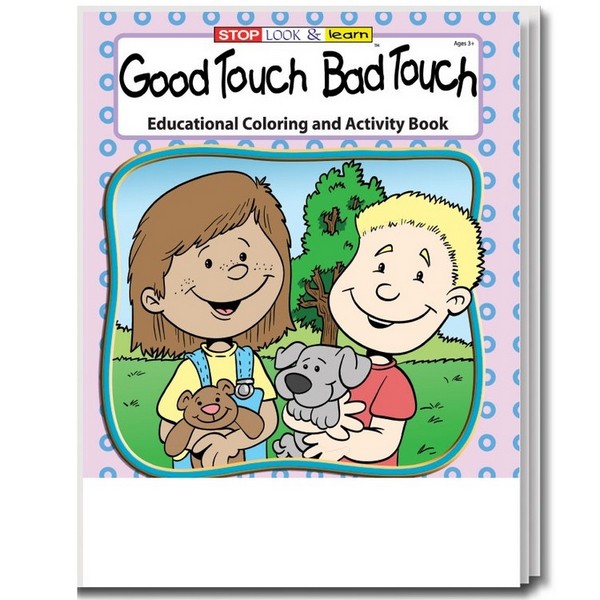
Digital safety education often starts with awkward lectures, but young learners grasp complex concepts much better through creative, hands-on experiences. Free printable safe touch coloring sheets available through {site_name} bridge the gap between abstract internet rules and tangible understanding by combining art with vital personal boundary lessons. Children rarely encounter online risks through dramatic breaches; instead, risks frequently slip in through shared household tablets, casual in-game chats, and autoplay video platforms where strangers mingle with kids. Building resilience requires calm, proactive habit-building rather than fear-inducing warnings. Educators and parents need accessible tools that open doors to meaningful dialogue without overwhelming developing minds. This approach frames physical and digital safety as empowering life skills rather than threats to dread.
💡 Activity Key Takeaways:
- Core Focus: Printable Safe Touch Coloring Sheets designed for creative expression and fine-motor coordination.
- Target Scope: Ideal for toddlers, preschool, kindergarten, and classroom art activities.
- Best Recommendation: Use standard heavy printer paper (24–28 lb) or cardstock for vibrant results with crayons, colored pencils, or washable markers.
What This Printable Covers
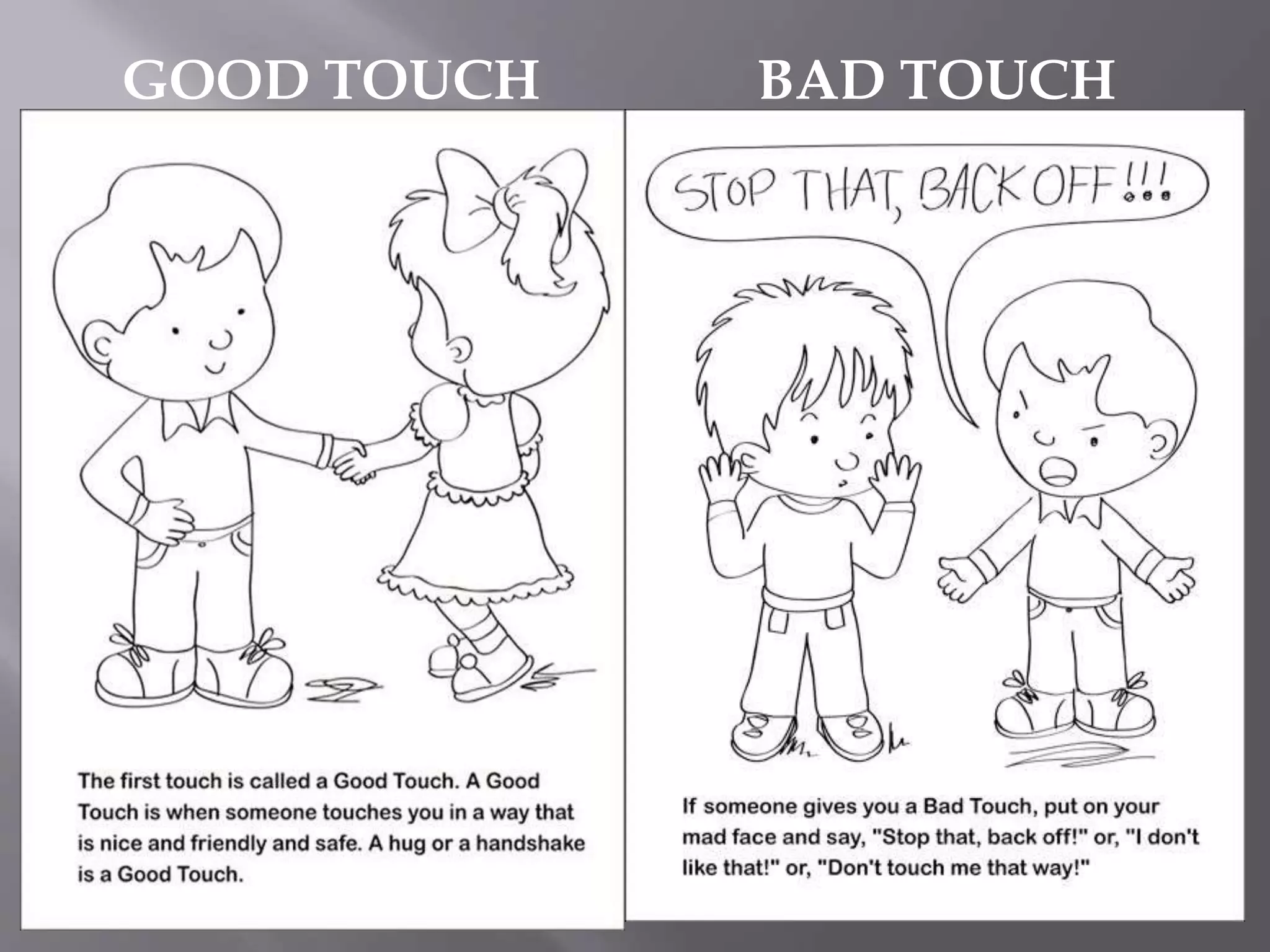
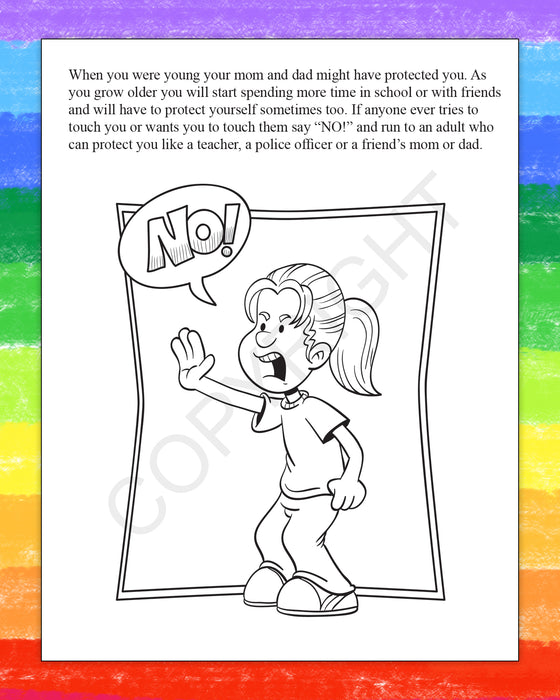
These coloring pages translate core protective habits into visually engaging scenes that resonate with early elementary students. The illustrations guide children through recognizing comfortable versus uncomfortable interactions, keeping personal information private, and identifying trusted adults in their support networks. It sounds simple, and that’s the point. Coloring reinforces safety messages through motor engagement, allowing young minds to process sensitive boundaries at a comfortable, self-directed pace. When children fill in the lines of these educational sheets, they actively internalize the golden rule of digital citizenship: pausing to think before sharing anything online. Furthermore, the activities explicitly reinforce the message that children are never in trouble for reporting something uncomfortable, establishing a crucial safety net for home and school environments alike.
Key Learning Outcomes
Working through these creative sheets helps children identify the physical warning signs that accompany unsafe digital or physical situations. Learners practice naming their support systems, ensuring every child can instantly identify specific trusted adults they can approach when something feels wrong online. According to the National Center for Missing & Exploited Children, open communication between youth and trusted adults remains one of the most effective safeguards against online exploitation. The resource also introduces foundational concepts found across various Internet and Digital Safety materials, helping kids distinguish between public information, like a favorite color, and private data, such as a home address or school name.
How to Use This Printable
Facilitators can easily integrate these pages into morning tubs, art centers, or quiet afternoon routines at the kitchen table. Sitting beside a child with a box of crayons transforms a quiet coloring session into an organic conversation about digital boundaries and smart online choices. Here’s what makes this resource different: it relies on tactile creativity to lower the emotional stakes of talking about tricky topics. Adults can ask open-ended questions about the pictures, such as asking whom the character in the drawing should talk to when a strange message pops up on screen. Educators looking for supplementary exercises often pair these pages with additional Worksheets to reinforce password safety and respectful communication in multi-player gaming environments.
Practical Tips for Parents and Teachers
Keeping the atmosphere light and encouraging ensures children stay engaged instead of feeling scolded or anxious. Adults should normalize talking about digital spaces the same way they talk about crossing the street or playing on the playground safely. Establishing clear rules, such as keeping shared devices in common household areas, works hand-in-hand with the concepts practiced on the coloring pages. When a child brings up an odd encounter from a video platform or game, responding with calm gratitude rather than anger strengthens their willingness to speak up next time. Remember that printables support conversation and habit-building; they do not replace active supervision or technical safeguards.
Age-Appropriate Recommendations
For kindergarten and first-grade students, the focus stays entirely on physical boundaries, identifying trusted grown-ups, and keeping basic personal details secret. Older elementary students, spanning ages nine to twelve, can tackle more nuanced discussions about digital footprints, strong passwords, and recognizing peer pressure in chat rooms. Aligning these lessons with the Common Sense Education Digital Citizenship Curriculum provides a structured pathway that grows alongside the child. Educators can scaffold the activities by having older children explain the coloring scenarios to younger peers, reinforcing leadership and mastery of foundational digital citizenship principles.
According to recent data from the Pew Research Center, a vast majority of children access digital devices and online platforms daily, making early and continuous safety conversations essential for every household. — Pew Research Center
Frequently Asked Questions
How do these coloring sheets support digital citizenship learning? They use creative art to help kids practice personal boundaries, recognize private information, and identify trusted adults.
Explore More Free Kids Online Safety Printables
Expanding a child’s digital literacy toolkit requires a variety of engaging, low-stress resources designed for growing minds. Caregivers and educators can discover a broader selection of creative assets by browsing the complete library of Coloring Pages suited for diverse learning environments. Pairing artistic activities with structured lessons from the Online and Digital Safety archives ensures children receive a well-rounded foundation in responsible technology use. Every conversation started today builds a safer, more confident digital citizen for tomorrow.
Key Specifications & Age-Group Overview
| Age / Grade Group | Target Skill Focus | Recommended Medium |
|---|---|---|
| Toddlers (Ages 2–4) | Hand-eye coordination & broad motor grasp | Jumbo crayons & washable finger paints |
| Early Elementary (Ages 5–7) | Line boundaries & fine pencil control | Standard colored pencils & fine-tip markers |
| Intermediate (Ages 8+) | Color blending, shading & artistic patience | Watercolor pencils, gel pens & dual-brush markers |
Images References