Introduction
Online safety digital citizenship represents the ethical, responsible, and secure navigation of digital environments by students, educators, and administrators within modern educational ecosystems. According to ConnectSafely, establishing proactive digital safety habits prevents exploitation, secures institutional networks, and cultivates resilient online behavior among middle school learners. This framework directly supports school internet safety, student digital footprint management, cyberbullying prevention, device hygiene, and classroom screen balance. Integrating these competencies into daily curriculum equips adolescents with practical skills to protect personal data while engaging constructively in virtual communities. Educators can reinforce these lessons through structured Worksheets that translate abstract safety principles into concrete student exercises.
Digital Safety Snapshot:
- Core Focus: Online safety digital citizenship ensures secure, ethical, and responsible school network utilization.
- Target Scope: Middle school students, teachers, parents, and administrative leadership.
- Key Recommendation: Implement consistent device hygiene and proactive digital footprint monitoring across all campuses.
Core Principles and Detailed Overview
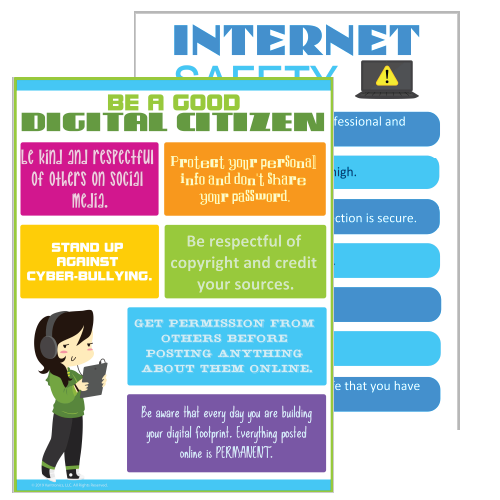
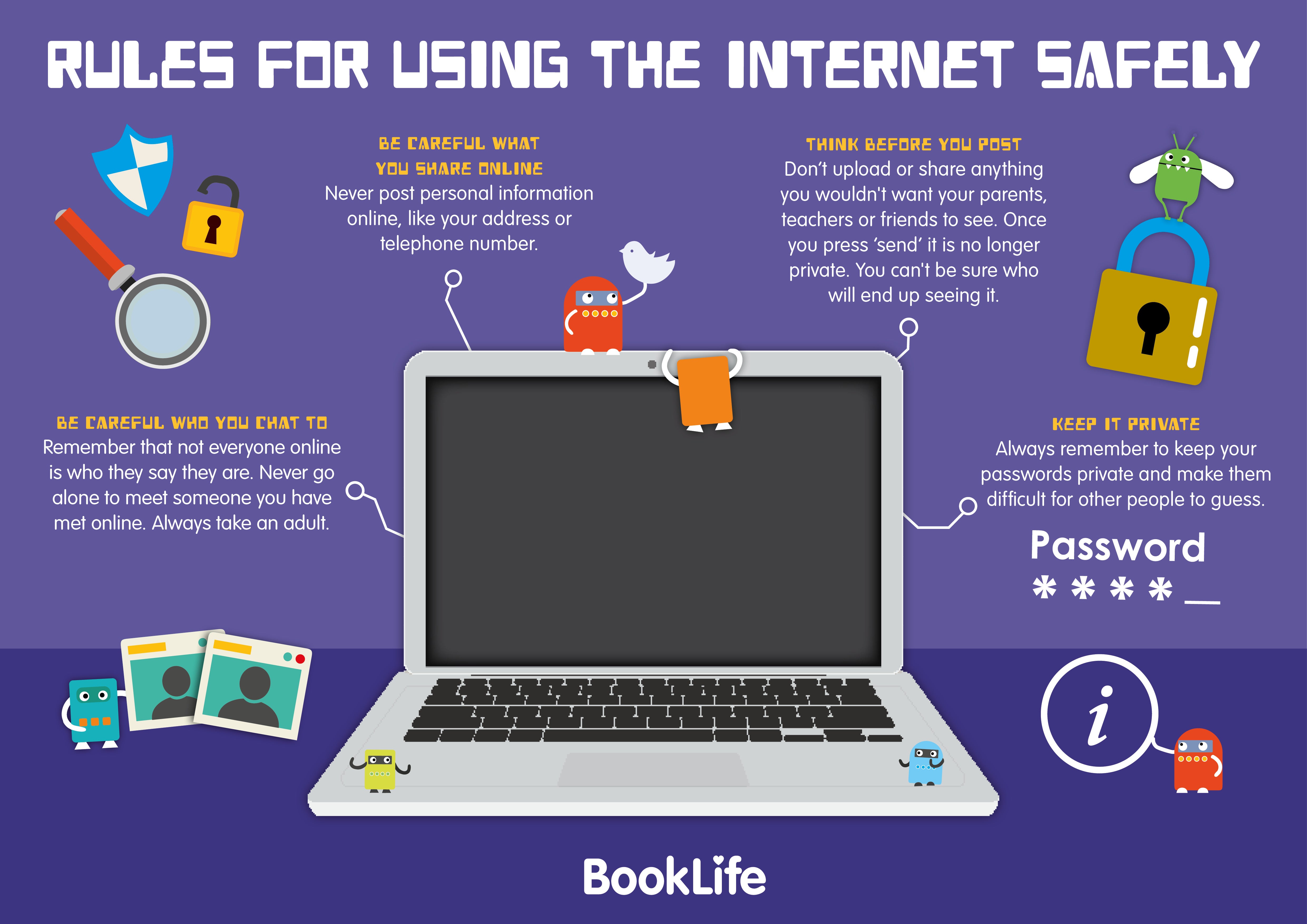
Online safety digital citizenship requires a multi-layered approach that addresses school internet safety, permanent student digital footprints, and targeted cyberbullying prevention. School internet safety relies on robust firewall configurations, filtered Wi-Fi access, and strict adherence to institutional acceptable use policies. Simultaneously, managing a student digital footprint involves teaching adolescents that online actions carry permanent consequences that can impact future academic and professional opportunities. Cyberbullying prevention demands immediate intervention protocols, peer reporting mechanisms, and empathy-building exercises integrated directly into core subjects. Furthermore, device hygiene practices—such as routine software updates, secure password management, and proper hardware maintenance—minimize vulnerabilities to malware and unauthorized access. Finally, maintaining classroom screen balance ensures that digital tools enhance pedagogical engagement without inducing cognitive fatigue or displacing crucial offline interpersonal communication.
Key Specifications and Breakdown
| Safety Pillar | Digital Risk Factor | Actionable Protective Habit |
|---|---|---|
| Internet Safety | Unfiltered network exposure | Enforce district-wide content filters and secure protocols. |
| Digital Footprint | Permanent compromising posts | Conduct regular self-audits of shared media and profiles. |
| Cyberbullying | Anonymous online harassment | Utilize confidential reporting tools and bystander intervention. |
Proactive digital citizenship education significantly reduces online risks by teaching students self-regulation, empathy, and critical evaluation of digital content before dissemination. — Cybersecurity and Infrastructure Security Agency (CISA)
Step-by-Step Practical Application and Guidelines
Implementing online safety digital citizenship effectively requires a synchronized operational sequence across educational facilities and households. First, establish clear institutional boundaries by publishing updated acceptable use agreements that govern school-issued devices and personal hardware on campus networks. Second, integrate structured Internet and Digital Safety modules into regular advisory or computer science periods to reinforce safe communication habits. Third, mandate weekly device hygiene protocols where students clear browser caches, update operating systems, and log out of shared educational portals. Fourth, deploy proactive monitoring frameworks that flag concerning search terms related to self-harm or aggressive behavior, ensuring prompt intervention by school counselors. Fifth, schedule routine digital wellness breaks during extended instructional blocks to maintain optimal classroom screen balance and reduce cognitive strain.
Common Challenges and How to Avoid Them
A primary obstacle in maintaining online safety digital citizenship is the reactive posture many institutions adopt following a cybersecurity breach or severe cyberbullying incident. Educators and parents often struggle with enforcing consistent device hygiene policies across home and school environments, leading to security gaps. To avoid these vulnerabilities, schools must establish open communication channels with families, providing clear guidelines on home network security and device monitoring. Another frequent challenge involves over-reliance on automated filtering software, which can block legitimate educational resources while failing to catch sophisticated peer harassment. Overcome this limitation by combining automated security filters with active teacher supervision, comprehensive digital literacy training, and engaging resources found within Online and Digital Safety curriculum collections. Addressing these friction points ensures a resilient, secure, and balanced digital learning ecosystem.
💬 Frequently Asked Questions
Explore More Kids Safety and Digital Citizenship Guides on SafeWiredSchools
Empowering students with comprehensive knowledge requires continuous access to vetted educational tools, expert guidance, and practical pedagogical strategies. Educators, parents, and school administrators can explore additional insights, downloadable resources, and specialized frameworks by visiting Safe Wired Schools. Utilizing these centralized resources ensures that every classroom and household remains equipped to foster secure, responsible, and digitally literate learners.
Visual Reference Gallery