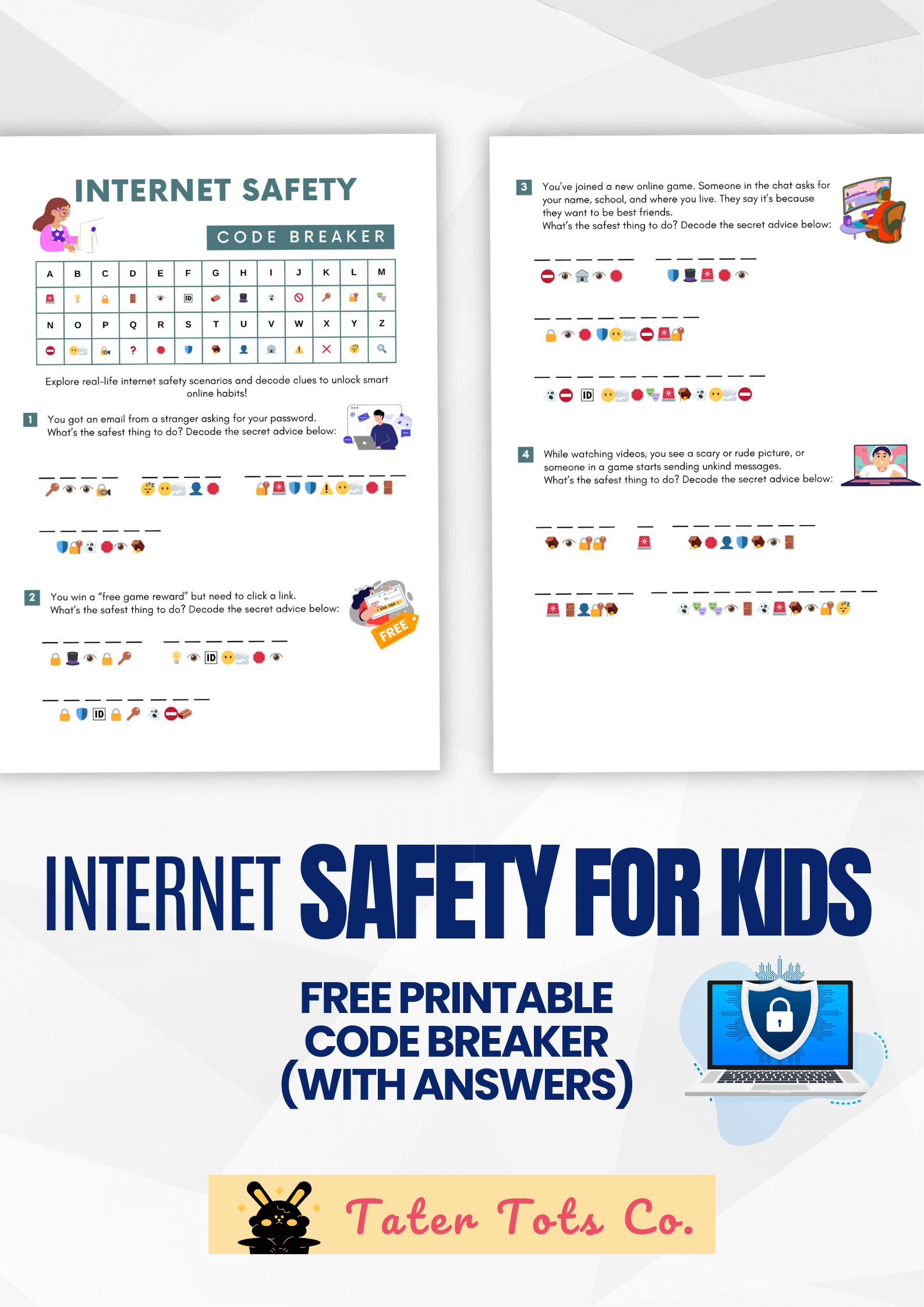
Why Integrating Keeping Safe Worksheets Strengthens K-12 Digital Literacy
Teaching children how to navigate the digital world requires more than just blocking malicious websites or setting strict screen time limits. Educators and families need interactive tools that encourage active participation rather than passive listening. By incorporating keeping safe worksheets into daily lesson plans and home routines, adults can translate abstract cybersecurity concepts into tangible lessons. Organizations like ConnectSafely and the Cybersecurity and Infrastructure Security Agency emphasize that early, consistent conversations build long-term digital resilience. When children physically complete a worksheet matching secure passwords to scenarios or identifying phishing red flags, they develop the critical thinking skills needed to spot online threats independently.
💡 Educational Key Takeaways:
- Core Skill: Structured Keeping Safe Worksheets focused on developing pencil grip, stroke control, and early literacy/math confidence.
- Target Scope: Suited for homeschoolers, preschool, kindergarten, and elementary learners.
- Best Recommendation: Practice 10–15 minutes daily with ergonomic writing tools to reinforce muscle memory without hand fatigue.
Mapping Risk Signals to Preventive Guardrails
To protect students effectively across both school-issued devices and home electronics, adults must understand where technical vulnerabilities intersect with behavioral habits. The following breakdown outlines common exposure points and the proactive measures educators and parents can implement using keeping safe worksheets to reinforce awareness.
| Setting / Context | Common Vulnerability | Practical Safeguard |
|---|---|---|
| School Chromebooks & Tablets | Bypassing web filters through unapproved browser extensions or proxy sites. | Pair strict district firewall policies with lessons from our Internet and Digital Safety modules to explain why filters protect student data. |
| Home Personal Devices | Over-sharing personal details on gaming servers and public chat forums. | Establish clear device-use contracts and use interactive Worksheets to practice red-flag identification before unsupervised access begins. |
| Social Apps & Messaging | Interacting with unknown profiles posing as peers or trusted authorities. | Review privacy settings together monthly and practice calm reporting workflows so students feel safe disclosing uncomfortable online encounters. |
Actionable Rules and Healthy Habits for Home and School
Consistency is vital when teaching children how to safeguard their personal information. Schools and homes should align their messaging so that digital citizenship rules do not stop at the classroom door. Start by creating a shared device charging station in a common household area, which naturally limits late-night browsing and encourages open communication. Enable multi-factor authentication on all personal and educational accounts where available, and teach students why verification steps matter. Whenever a new app or online game is introduced, pair the download with a short discussion or a printable activity from our Online and Digital Safety collection. This routine transforms compliance from a rigid mandate into an empowering habit rooted in mutual trust.
Overcoming Student Workarounds and Adult Pushback
Overly restrictive filters and reactive bans often backfire by driving curious students to seek out secretive workarounds. When children feel micromanaged without explanation, they are far less likely to report accidental exposure to inappropriate content or cyberbullying out of fear of losing device privileges. Instead of relying purely on lock-down mechanisms, adults should pair technical controls with transparent dialogue. Use keeping safe worksheets to prompt constructive conversations about why certain sites are blocked and what to do if an unexpected pop-up appears. Fostering a blame-free environment ensures that children view adults as helpful allies rather than strict enforcers when digital trouble arises.
Frequently Asked Questions From Educators and Parents
What is the best age to start introducing digital safety worksheets?
Children can begin learning foundational concepts as early as kindergarten through visual sorting activities and guided discussions. As students progress into middle and high school, the content should naturally evolve to cover complex topics like data privacy, digital footprints, and malicious phishing attempts.
How can teachers keep digital safety lessons engaging for diverse learners?
Combining visual aids, group discussions, and hands-on keeping safe worksheets accommodates different learning styles and keeps students actively involved. Rotating through varied formats ensures that safety education feels fresh rather than repetitive.
What should a student do immediately after encountering suspicious online content?
Students should be taught to immediately close the browser tab, avoid clicking any links, and report the incident to a trusted teacher or parent without fear of punishment. Establishing this calm, predictable response protocol is critical for mitigating online risks.
Explore More Digital Citizenship Resources
Empowering the next generation of digital citizens takes a collaborative community effort between dedicated teachers, supportive parents, and school staff. To discover more printable activities, classroom guides, and expert-vetted strategies, visit SafeWiredSchools.org today.
Worksheet Previews & Reference Materials