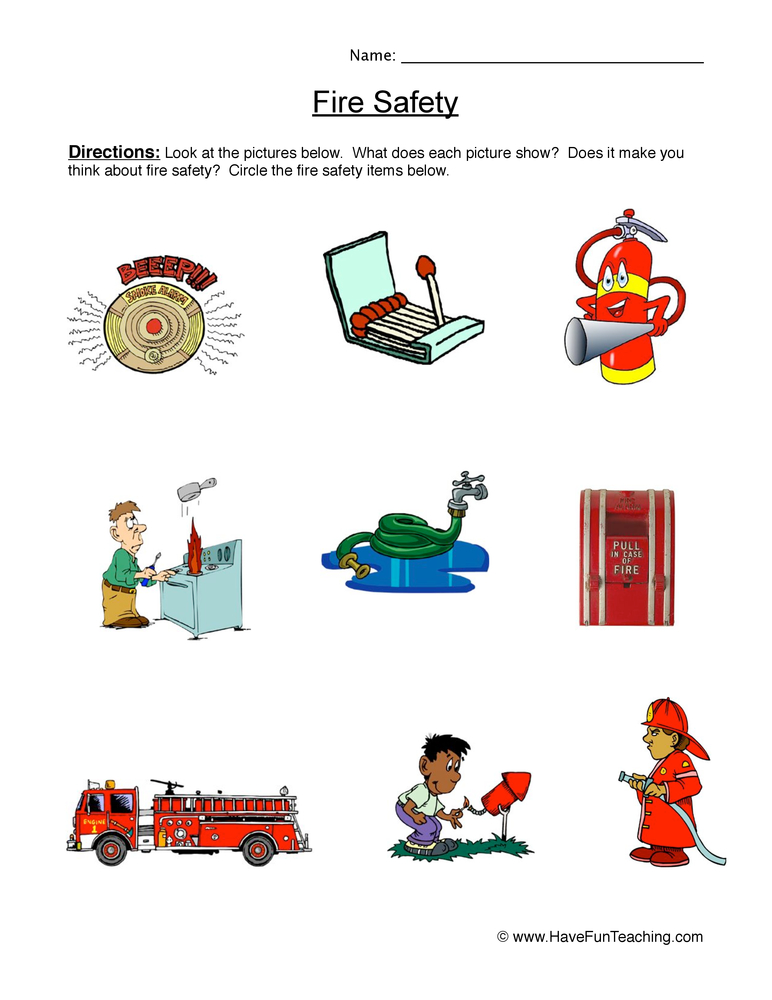
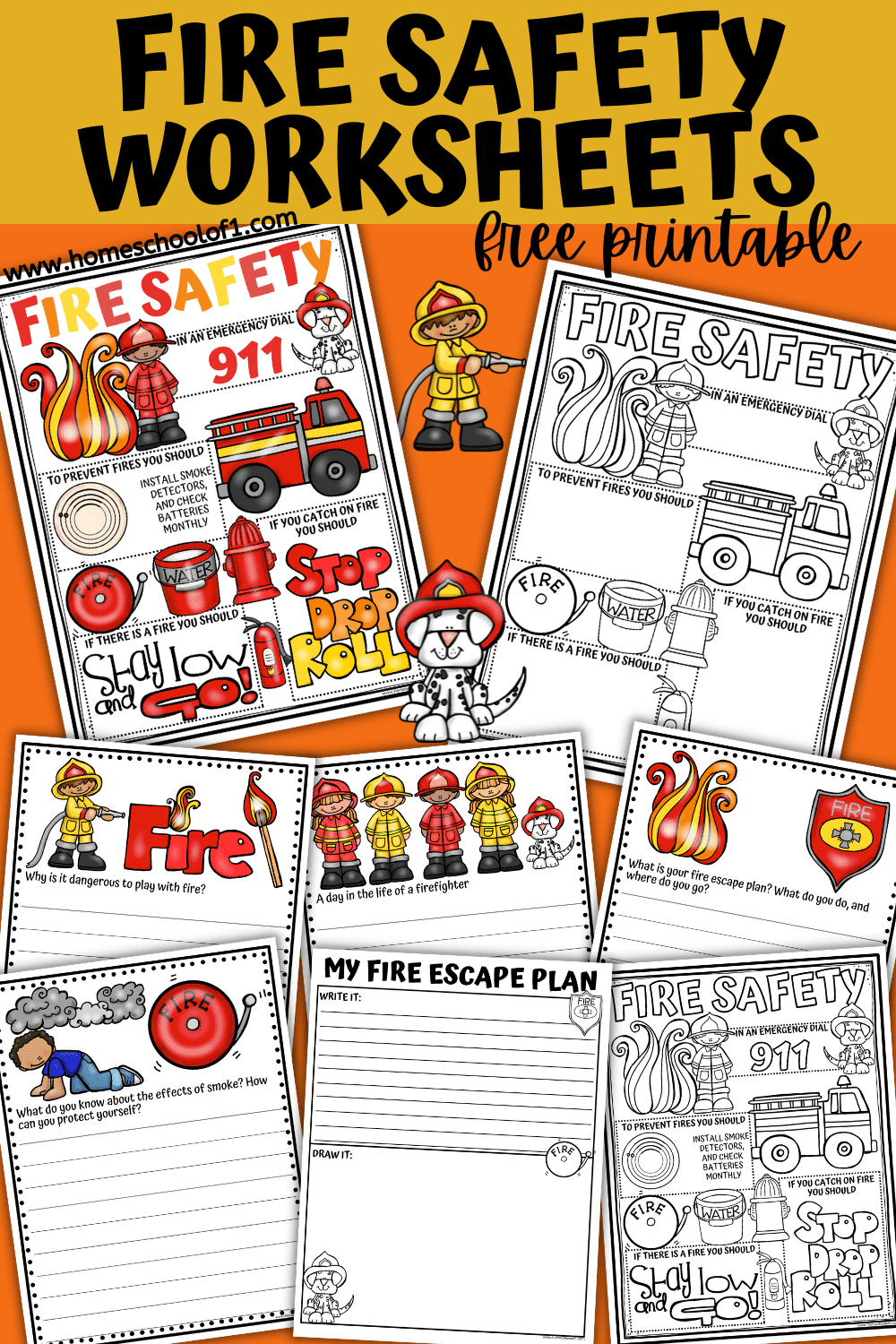
Why Integrating Fire Prevention Worksheets Into Digital and Physical Lesson Plans Matters
Teaching children how to stay safe in both physical emergencies and digital environments requires a multi-layered approach. Educators and parents often look for engaging, low-screen ways to reinforce vital concepts, which is where high-quality fire prevention worksheets become incredibly valuable. By blending traditional offline activities with modern safety awareness, adults can help students process critical survival skills without overwhelming them. According to guidance from organizations like ConnectSafely and the Cybersecurity and Infrastructure Security Agency, maintaining a balanced educational routine helps kids retain safety procedures for both offline hazards like household fires and online risks like phishing scams.
💡 Educational Key Takeaways:
- Core Skill: Structured Fire Prevention Worksheets focused on developing pencil grip, stroke control, and early literacy/math confidence.
- Target Scope: Suited for homeschoolers, preschool, kindergarten, and elementary learners.
- Best Recommendation: Practice 10–15 minutes daily with ergonomic writing tools to reinforce muscle memory without hand fatigue.
Assessing Digital and Physical Vulnerabilities Through Structured Safety Exercises
When incorporating educational printouts into a curriculum, it helps to understand where children might encounter gaps in their safety knowledge. Whether navigating school-issued tablets or preparing for an evacuation drill, students benefit from clear, structured breakdowns of potential risks and appropriate responses. The table below outlines common safety contexts, vulnerabilities, and practical safeguards educators and parents can implement immediately.
| Setting / Context | Common Vulnerability | Practical Safeguard |
|---|---|---|
| Home Devices & Charging | Leaving personal devices charging overnight on beds or soft surfaces, creating a physical fire hazard. | Establish a centralized family charging station on a hard, uncarpeted surface away from beds. |
| School Chromebooks & Tablets | Students ignoring hardware warnings, overheating devices, or clicking untrusted links on educational worksheets. | Pair digital Worksheets with direct instruction on hardware care and safe link navigation. |
| Online Safety & Research | Accidental exposure to unverified safety websites or pop-up malware while searching for homework printouts. | Utilize resources curated within trusted portals like Internet and Digital Safety guidelines. |
Establishing Clear Routines for Safe Device Usage and Emergency Preparedness
Combining physical safety drills with digital hygiene habits creates a comprehensive framework for students of all ages. Teachers can integrate creative activities such as Coloring Pages that feature emergency exit routes, smoke detectors, and trusted adult helpers. At home, families should establish a non-punitive reporting workflow where children feel comfortable speaking up if a device begins overheating or if they encounter unexpected pop-ups online. Keeping device software updated, enabling parental controls, and reviewing fire escape plans twice a year ensures that safety rules become second nature.
Overcoming Student Resistance and Managing Device Workarounds
Children can sometimes push back against safety boundaries, viewing device management or structured safety printouts as micromanagement. Rather than relying solely on restrictive blocking software, adults should explain the reasoning behind these rules. When kids understand that fire safety printouts and device charging guidelines protect their personal wellbeing and physical safety, they are far more likely to cooperate. Open dialogues and collaborative rule-setting foster mutual trust, ensuring that students take both digital citizenship and emergency preparedness seriously.
Frequently Asked Questions About Integrating Safety Printouts
At what age should children start learning emergency evacuation and device safety basics?
Basic concepts can be introduced as early as preschool using visual aids and interactive games. As children grow older and begin using school tablets independently, concepts can expand to include hardware maintenance and digital hazard awareness.
How do offline safety printouts complement digital literacy instruction?
Offline exercises give students a much-needed break from screens while reinforcing critical thinking skills. They allow teachers to focus on fundamental survival concepts and hazard identification without the distractions of pop-ups or notifications.
Where can educators find reliable materials for daily lessons?
Teachers can explore specialized categories like Online and Digital Safety to find vetted lesson plans, printable activities, and guidance tailored to modern K-12 classrooms.
Explore More Digital Citizenship and Safety Resources
Equipping children with the knowledge to navigate physical emergencies and digital spaces safely is an ongoing journey. Visit SafeWiredSchools.org to discover additional guides, printable activities, and expert tips designed to protect students everywhere.
Worksheet Previews & Reference Materials