Introduction
Early adolescence brings an unprecedented desire for digital independence, yet eighth graders often navigate complex virtual spaces without a reliable roadmap. Children encounter online risks during casual moments, such as chatting through game lobbies on shared devices or watching algorithm-driven video platforms late at night. These digital environments demand proactive guidance rather than reactive punishment. Educational professionals and families constantly seek practical tools that turn abstract digital safety concepts into tangible habits. A dedicated internet risks 8th grade in english resource bridges this gap by providing structured reflection for middle school students. Safety is not an innate instinct; it is a learned competency that requires deliberate practice and open communication. Related guide: Teachers Of Grades 9–12 Should Expand Internet Safety Instruction To Include Which Of The Following Topics?.
💡 Educational Key Takeaways:
- Core Skill: Structured Internet Risks 8 Th Grade In English focused on developing pencil grip, stroke control, and early literacy/math confidence.
- Target Scope: Suited for homeschoolers, preschool, kindergarten, and elementary learners.
- Best Recommendation: Practice 10–15 minutes daily with ergonomic writing tools to reinforce muscle memory without hand fatigue.
What This Printable Covers
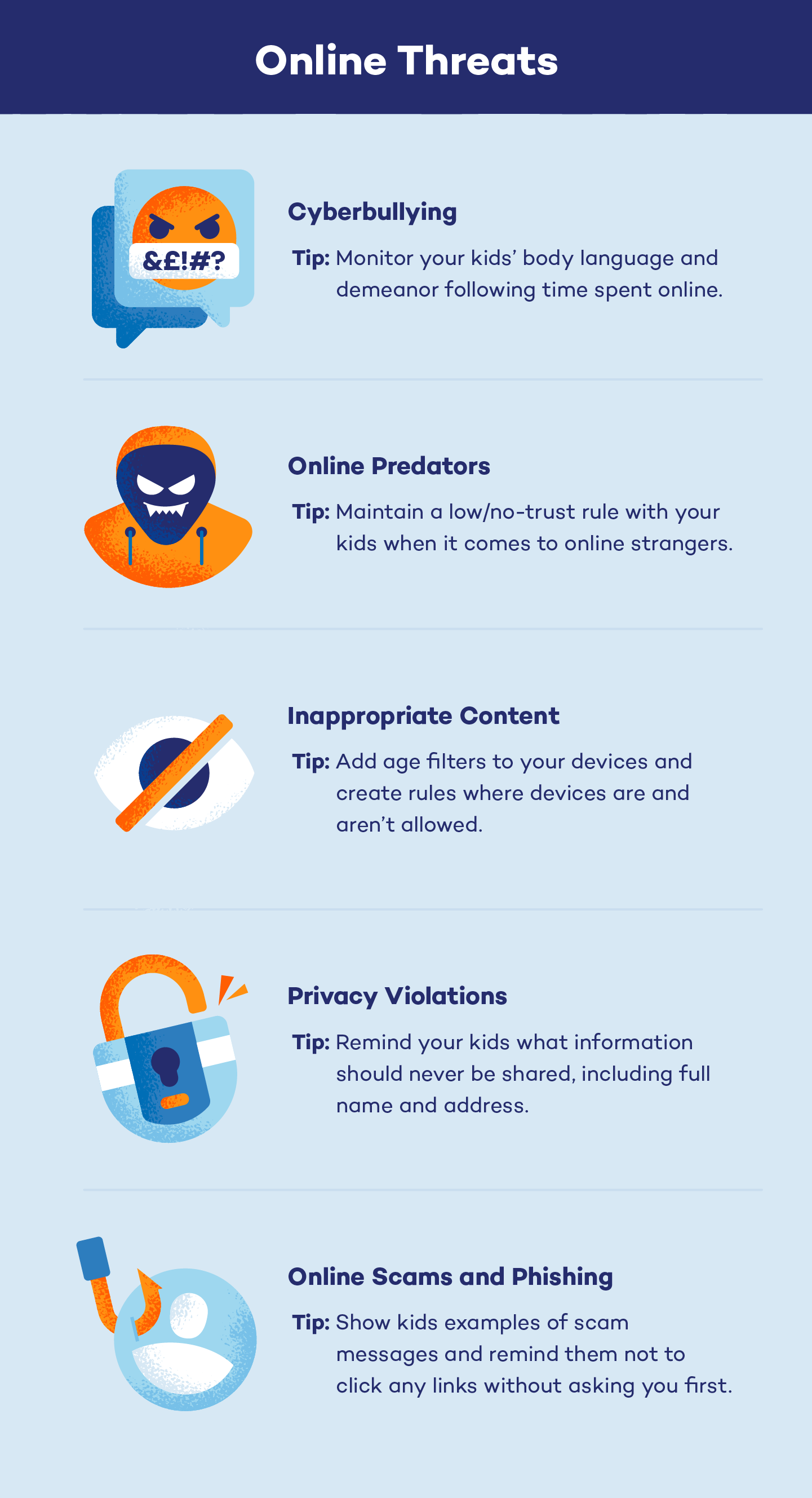
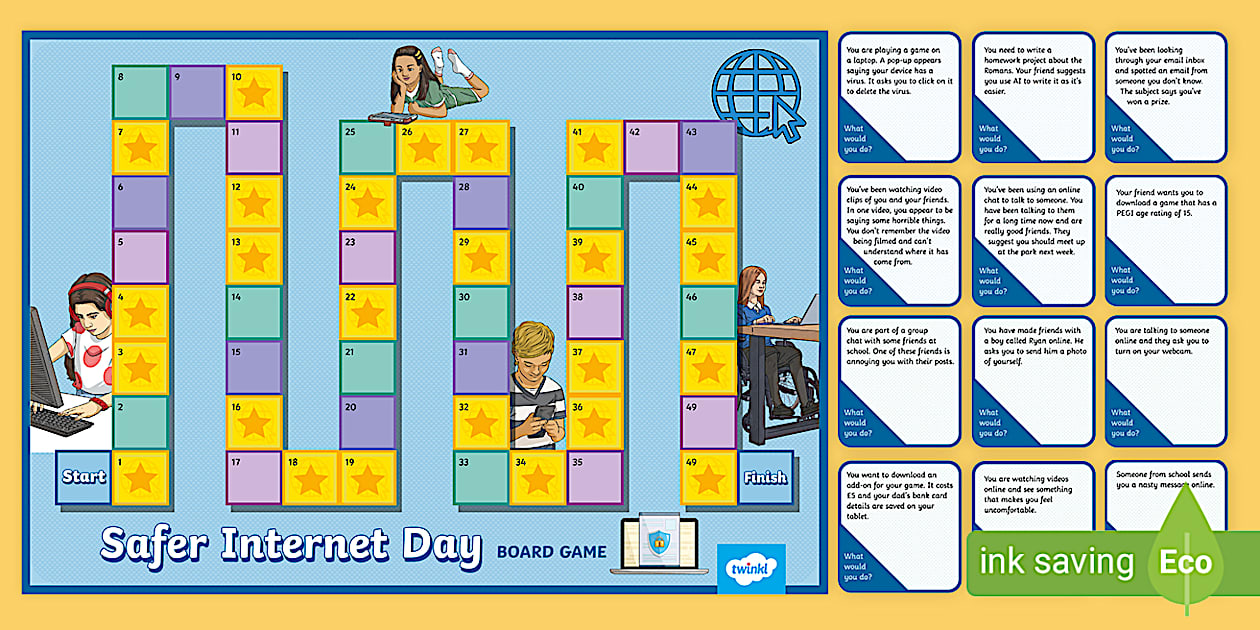
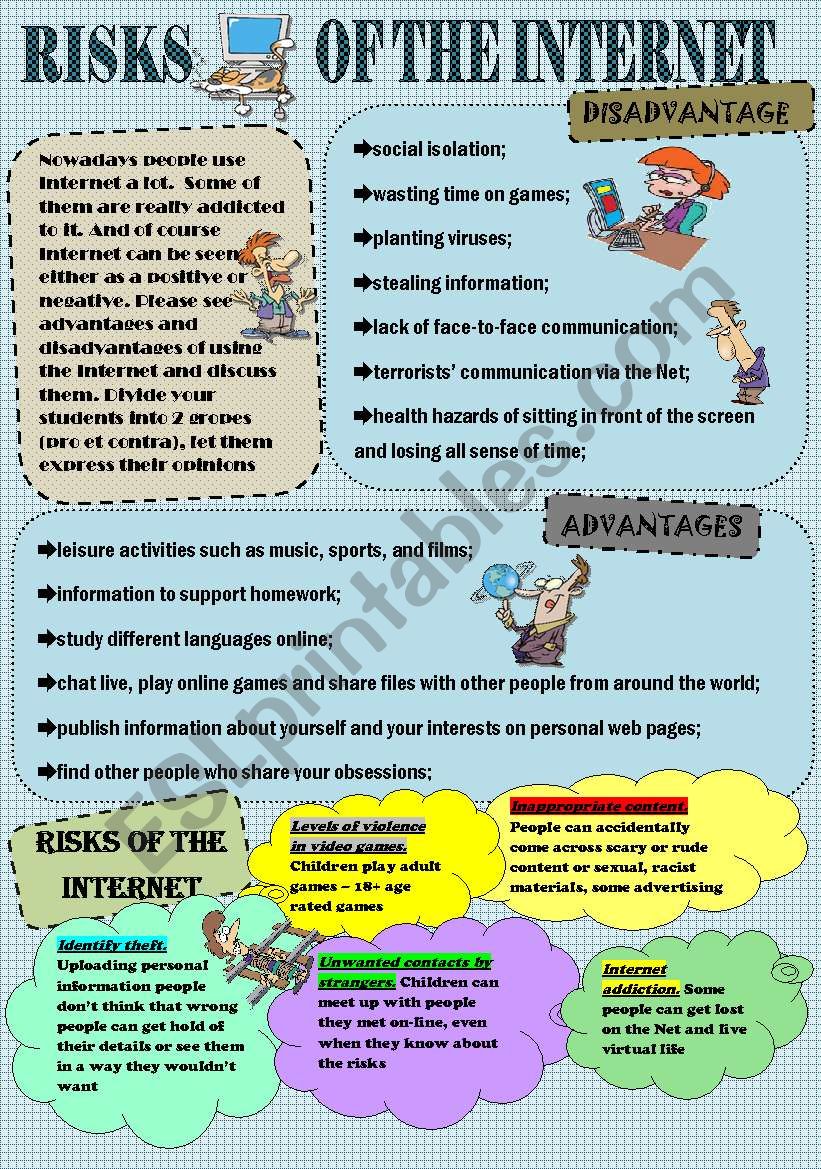
Middle school learners require content that speaks directly to their lived experiences rather than treating them like younger children. This specific printable addresses modern digital dilemmas, including peer pressure on social media, the permanence of digital footprints, and the subtle mechanics of online manipulation. It translates heavy security concepts into relatable scenarios where students evaluate choices made by hypothetical peers. Exploring these scenarios helps adolescents recognize how easily personal information slips into public view. Educators often pair these printables with lessons found in Internet and Digital Safety modules to deepen student comprehension.
Key Learning Outcomes
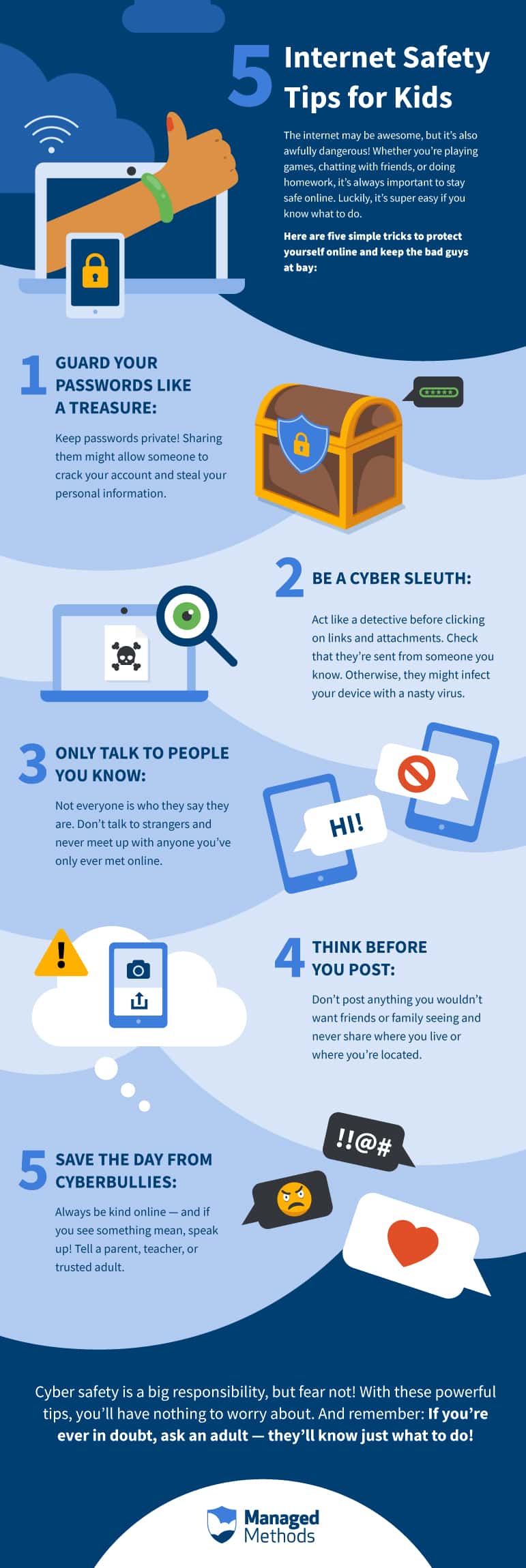
Completing this activity equips students with a vocabulary to articulate digital discomfort. Learners identify the boundary between public sharing and private life, understanding why passwords remain strictly confidential. Another vital takeaway involves the reporting process: students internalize the absolute truth that they are never in trouble for reporting something uncomfortable to a trusted adult. Practicing critical thinking about digital interactions transforms passive consumers into discerning young citizens who pause before clicking, sharing, or responding.
How to Use This Printable
Classrooms and living rooms serve as ideal laboratories for digital citizenship discussions. Adults can distribute the sheets during advisory periods, homeroom sessions, or evening family meetings to spark authentic dialogue. It sounds simple, and that’s the point: a paper-based worksheet removes the distraction of glowing screens, allowing adolescents to focus entirely on ethical reasoning. Working through the questions together creates a non-judgmental space where students feel safe voicing their confusion or admitting past mistakes.
Practical Tips for Parents and Teachers
Facilitators should resist the urge to lecture while children complete the activity. Asking open-ended questions like “What would you do if a friend shared this?” invites deeper critical thinking than simply providing the right answer. Adults must model calm curiosity instead of panic, ensuring adolescents feel comfortable bringing future digital problems to light. For additional exercises that reinforce these foundational habits, educators frequently utilize printable lessons from the Worksheets archive.
Age-Appropriate Recommendations
Thirteen-year-olds process information through a social lens, heavily influenced by peer validation and community belonging. The Common Sense Education Digital Citizenship Curriculum provides a robust framework for structuring these developmental conversations around media balance, privacy, and cyberbullying. Eighth graders benefit from materials that respect their growing maturity while firmly establishing boundaries around personal safety and respectful communication.
According to Pew Research Center, the vast majority of teens access the internet daily, with a substantial portion reporting being online almost constantly, highlighting the necessity for continuous digital literacy education. — Pew Research Center
Frequently Asked Questions
Explore More Free Kids Online Safety Printables
Building resilient digital habits requires consistent reinforcement across multiple school years and home environments. Educators and caregivers can expand their toolkit by browsing additional resources dedicated to Online and Digital Safety. Fostering a secure digital culture takes patience, partnership, and the right educational materials.
Developmental Milestone & Activity Table
| Development Stage | Recommended Daily Duration | Primary Learning Objective |
|---|---|---|
| Preschool & Pre-K | 10 – 15 Minutes | Pencil grip development & basic pre-stroke lines |
| Kindergarten | 15 – 20 Minutes | Letter/number formation & spatial line awareness |
| Early Elementary (Grade 1–2) | 20 – 30 Minutes | Fluency, sentence construction & neatness |
Images References