Why Blending Creativity and Digital Literacy Matters This October
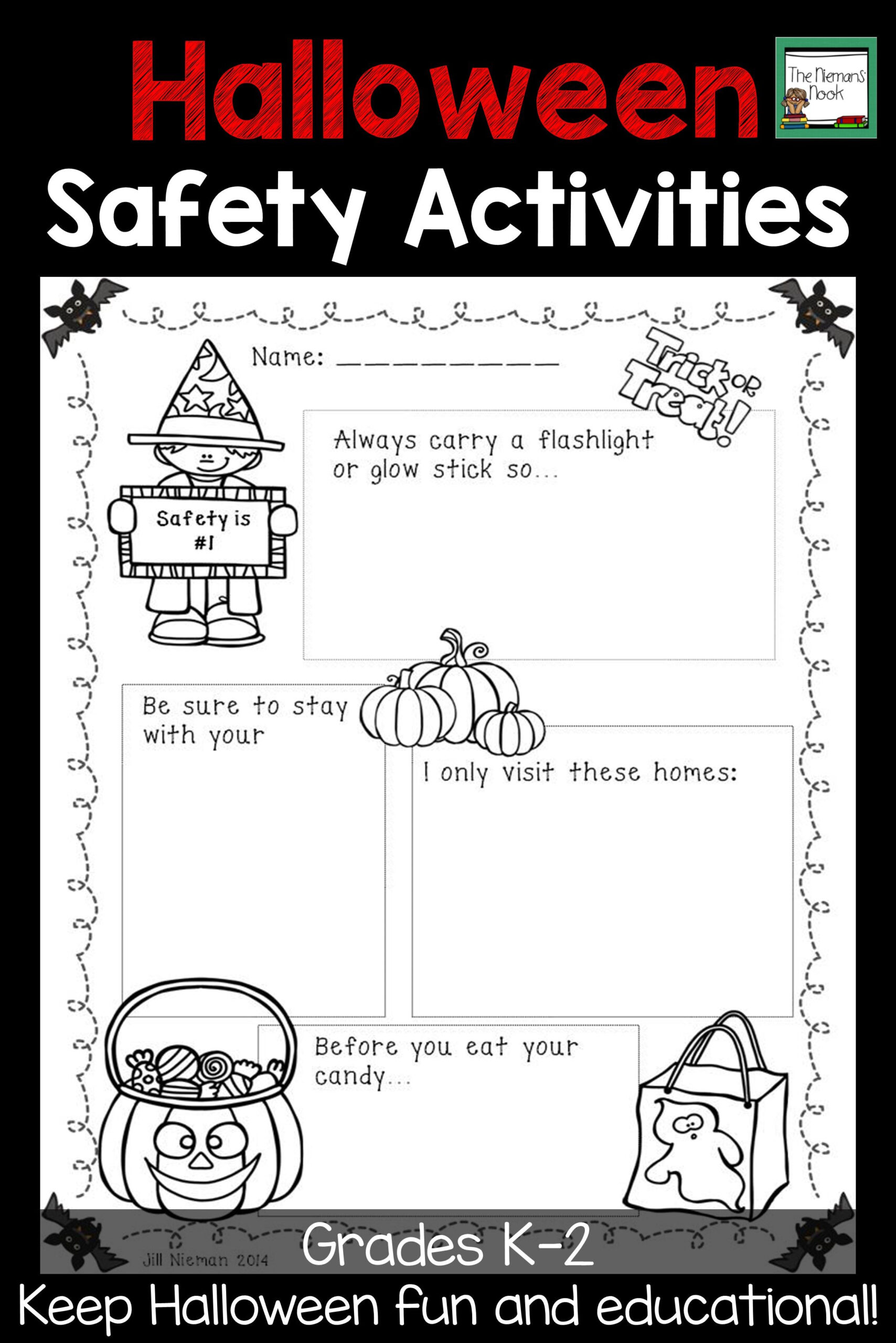
As spooky season arrives, classrooms and living rooms naturally fill with festive art activities. Integrating seasonal printables into your routine offers a brilliant opportunity to discuss digital wellness. When educators and parents introduce Halloween safety coloring sheets, they open the door to important conversations about online footprints, public sharing, and device boundaries. Aligning with frameworks from organizations like ConnectSafely and the Cybersecurity and Infrastructure Security Agency, pairing creative downtime with structured digital citizenship helps young learners navigate technology safely during holiday celebrations.
💡 Activity Key Takeaways:
- Core Focus: Printable Halloween Safety Coloring Sheets designed for creative expression and fine-motor coordination.
- Target Scope: Ideal for toddlers, preschool, kindergarten, and classroom art activities.
- Best Recommendation: Use standard heavy printer paper (24–28 lb) or cardstock for vibrant results with crayons, colored pencils, or washable markers.
Spotting Vulnerabilities Across School and Home Environments
Children frequently bounce between district-issued devices, personal tablets, and household computers to find seasonal printables, games, and templates. Without proper guardrails, open browser searches can expose students to malicious pop-ups or inappropriate data tracking. Reviewing technical settings, classroom device policies, and home network rules ensures that holiday fun remains secure and free from unexpected digital hazards. Related guide: Please Provide Free 8.5″X11″ Digital Safety Coloring Pages For K-2 Grade.
| Setting / Context | Common Vulnerability | Practical Safeguard |
|---|---|---|
| Home Devices | Unfiltered search engines exposing kids to adult ads while downloading free seasonal art files. | Configure safe search filters and stick to reputable educational Coloring Pages portals. |
| School Chromebooks | Accessing unverified external web apps or games embedded on unofficial printable hubs. | Rely on district-vetted Worksheets and approved educational software directories. |
| Chat & Social Habits | Oversharing personal details or location data on interactive drawing and crafting community boards. | Establish strict rules against posting completed artwork alongside identifying personal information online. |
Establishing Healthy Device Routines and Classroom Boundaries
Proactive guardrails protect students far better than reactive bans. Educators can set clear classroom expectations by vetting digital resources before project time begins, ensuring that printing tasks happen through secure school portals. At home, families should establish central charging stations in common areas rather than allowing devices in private bedrooms late at night. When children search for creative inspiration online, parents can sit alongside them to model safe browsing habits. Introduce clear reporting workflows so students know they can talk to a trusted adult immediately if a strange pop-up or suspicious download request appears on their screen, reinforcing a culture of trust without shame.
Curiosity is a natural part of growing up, and tech-savvy children often find clever ways around standard web filters to locate popular games or unblocked images. If a student attempts to bypass restrictions, avoid an immediate overreaction that triggers secrecy. Instead, lean into educational guidance by explaining why certain sites pose security or privacy risks. Cultivating open dialogues about digital safety ensures children understand that device controls are designed to protect their personal privacy, not to ruin their fun.
Answers to Common Questions From Parents and Teachers
Are free holiday art printables safe for young children to download independently?
Not always. Unvetted third-party websites often feature aggressive advertising, malicious tracking cookies, or misleading download buttons. Adults should always supervise the search and download process or select files from trusted educational platforms.
How can I connect offline creative activities to broader digital citizenship concepts?
Use the themes within the artwork to spark discussions. For example, talking about masks and costumes can lead to a great conversation about digital avatars, anonymity, and how we present ourselves truthfully versus deceptively online, which aligns closely with core Internet and Digital Safety principles.
What should a teacher do if a student stumbles upon inappropriate content while searching for craft ideas?
Keep calm, guide the student to close the browser tab immediately, and document the incident according to school policy. Reassure the child that they did nothing wrong by reporting the unexpected exposure right away.
Explore More Digital Citizenship Resources
Keeping kids secure in a connected world requires ongoing collaboration between home and school. Discover more expert-backed lesson plans, guides, and protective strategies by visiting us at SafeWiredSchools.org.
Printable Coloring Page Previews