Introduction
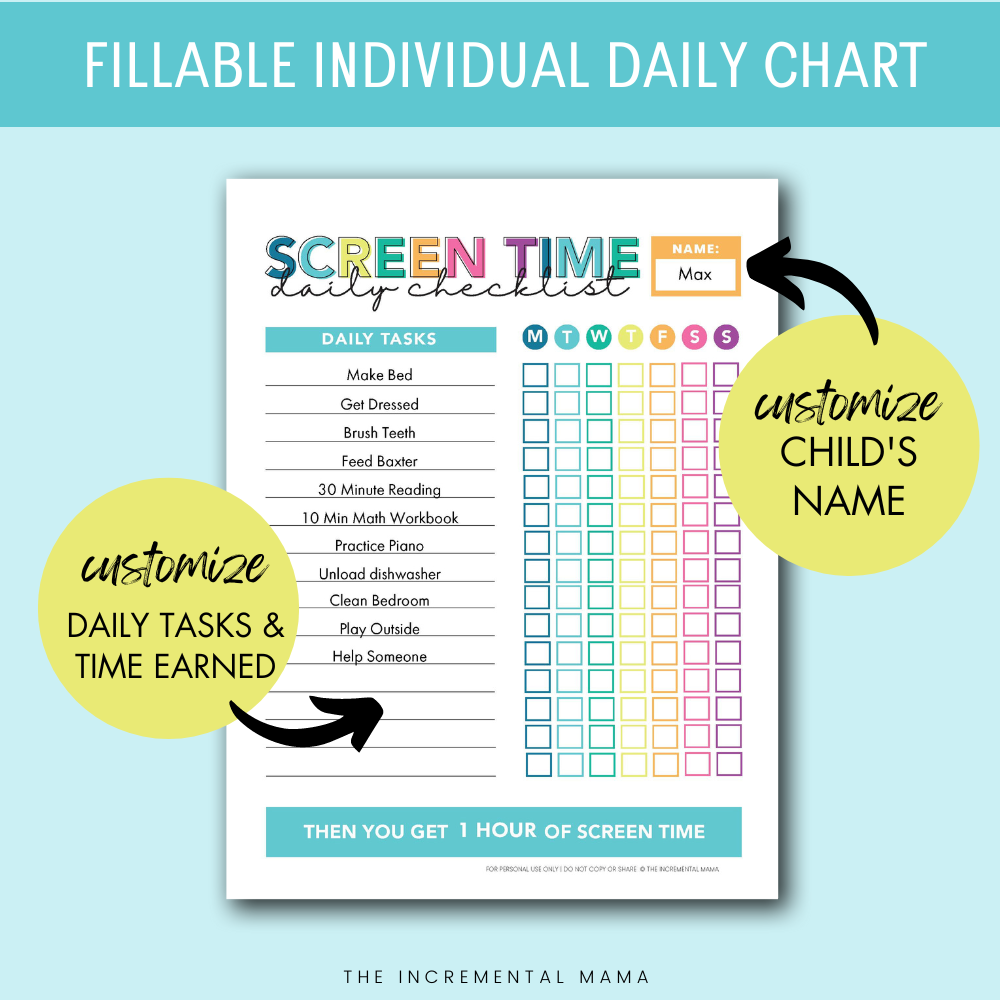
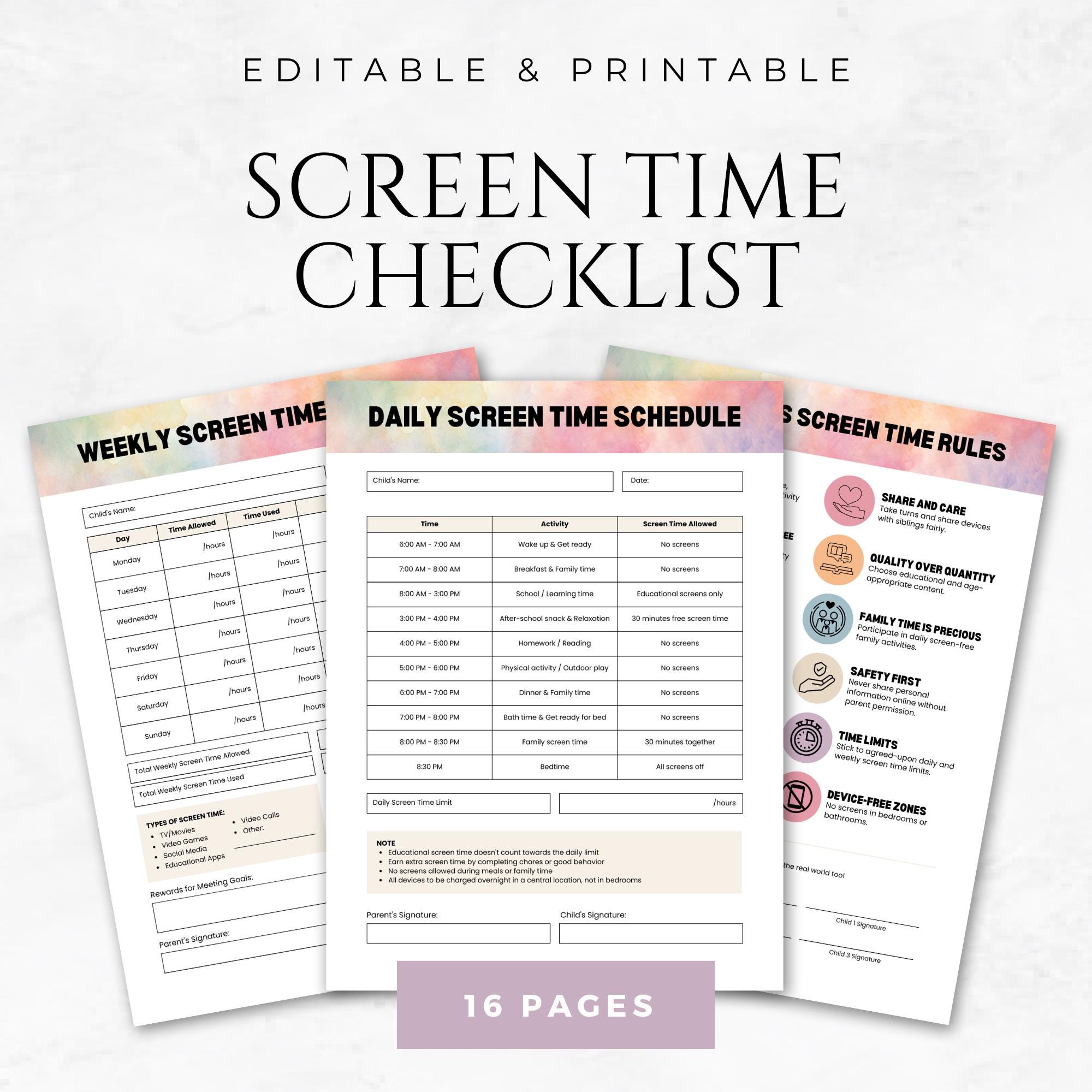
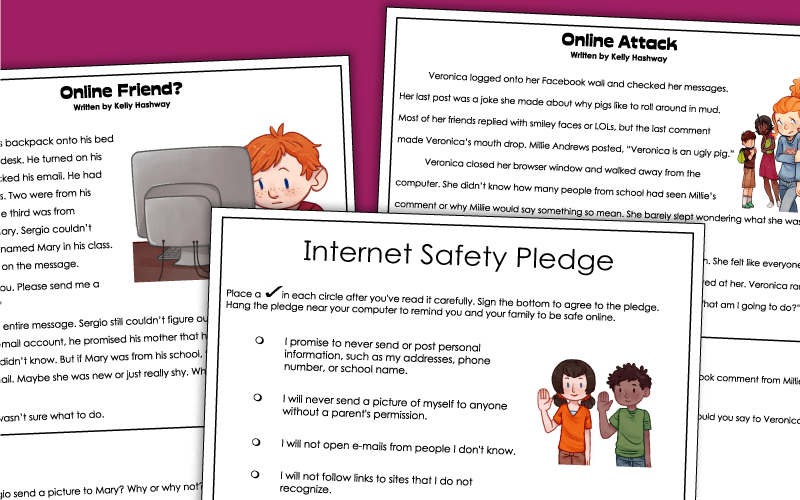
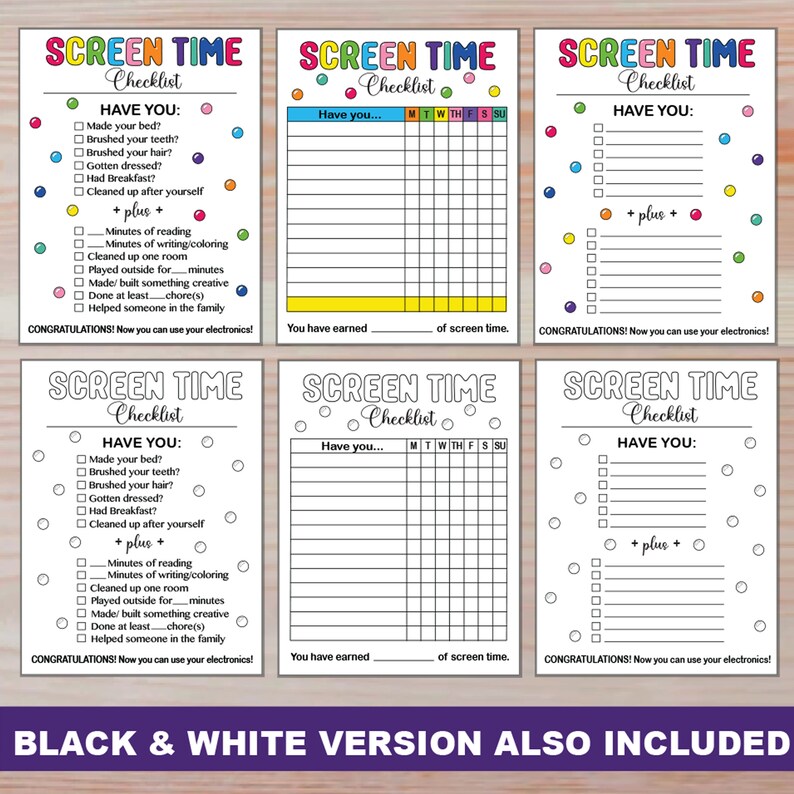
The digital landscape presents both incredible opportunities and significant challenges, particularly concerning screen time. Establishing healthy digital habits from an early age is paramount for fostering responsible online behavior. The “screen time management checklist for families” is a free printable resource specifically designed for Elementary grades 1-5 and Middle/High School grades 6-12, offering a structured approach to managing device use. This invaluable tool reinforces essential internet safety concepts through hands-on, printable learning. Educators and parents consistently trust printable worksheets as fundamental instruments for building digital awareness and cultivating responsible online conduct. Such resources provide a tangible, consistent framework, enabling families and students to engage actively with digital citizenship principles. The checklist serves as a practical guide, translating abstract screen time guidelines into actionable steps for daily life, thereby promoting a balanced and safe digital experience for all family members.
💡 Educational Key Takeaways:
- Core Skill: Structured Screen Time Management Checklist For Families focused on developing pencil grip, stroke control, and early literacy/math confidence.
- Target Scope: Suited for homeschoolers, preschool, kindergarten, and elementary learners.
- Best Recommendation: Practice 10–15 minutes daily with ergonomic writing tools to reinforce muscle memory without hand fatigue.
What This Worksheet Covers
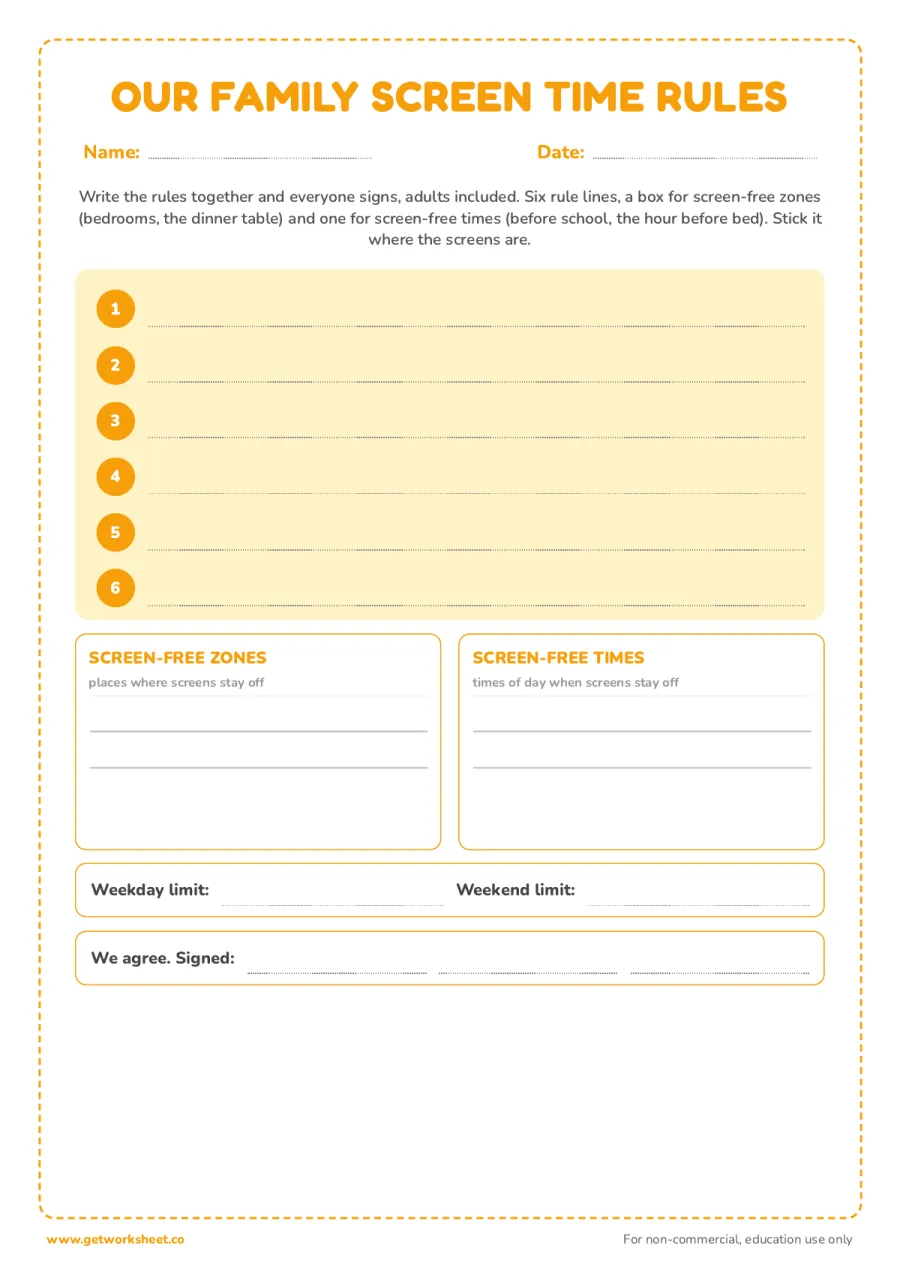
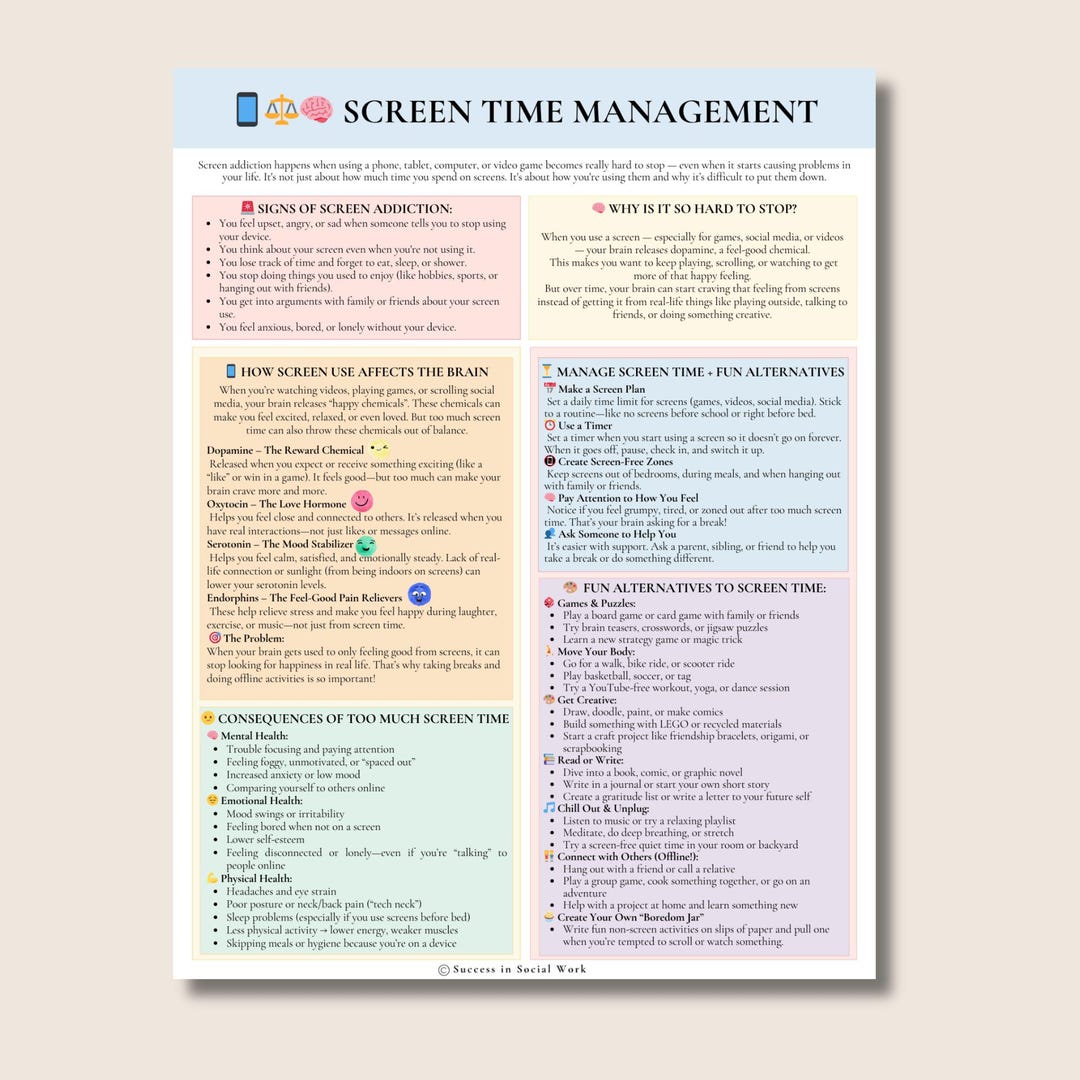
This “screen time management checklist for families” directly addresses the critical internet safety topic of digital well-being through intentional screen time management. The resource covers fundamental concepts such as setting clear boundaries for device use, understanding the importance of balancing digital activities with offline pursuits, and developing healthy tech habits. It guides families in establishing customized rules and expectations for various devices and online platforms. The worksheet content directly connects to recognized digital citizenship and child safety education standards by promoting self-regulation, media literacy, and a critical understanding of how screen time impacts daily routines and overall wellness. It encourages proactive discussions within families about technology use, moving beyond mere restrictions to foster genuine understanding and shared responsibility for a balanced digital lifestyle.
Key Learning Outcomes
By engaging with the “screen time management checklist for families,” individuals and families will develop several crucial skills and knowledge areas:. Browse more guides on Safe Wired Schools.
- Ability to identify and articulate healthy screen time habits and their importance for well-being.
- Understanding of family-specific screen time rules and the rationale behind their implementation.
- Capacity to effectively balance digital activities with essential non-digital pursuits such as homework, physical activity, and social interactions.
- Development of self-regulation skills regarding personal device use, fostering greater independence and responsibility.
- Familiarity with practical tools and strategies for managing screen time effectively within a family context.
How to Use This Worksheet
The “screen time management checklist for families” offers a versatile framework for educators and parents to implement effectively in various settings. This printable resource features activity types that encourage reflection, goal setting, and consistent tracking of screen time habits. Its difficulty level is adaptable, allowing for guided completion with younger learners and independent application for older students. Instructions within the checklist scaffold learning progressively, beginning with foundational principles and moving towards personalized action plans. The worksheet can function as a standalone activity to initiate conversations about digital habits, integrate seamlessly into broader lesson plans on digital citizenship, or serve as a practical homework assignment to bridge classroom learning with home application. Its structured format encourages active participation and promotes a collaborative approach to managing screen time.
Practical Tips for Parents and Teachers
Maximizing the benefits of the “screen time management checklist for families” involves thoughtful implementation and ongoing engagement. Here are some actionable tips:
- Involve Children in Rule-Setting: Facilitate a family discussion where children contribute to defining screen time rules and expectations, fostering a sense of ownership and increasing adherence.
- Model Responsible Screen Use: Adults should consistently demonstrate the healthy screen habits outlined in the checklist, serving as positive examples for younger learners.
- Regularly Review and Discuss: Schedule weekly or bi-weekly check-ins to review progress, discuss challenges, and adjust the checklist as family needs or digital landscapes evolve.
- Create “Tech-Free” Zones/Times: Designate specific areas or periods, such as dinner time or bedrooms after a certain hour, as completely free from digital devices to encourage alternative activities.
- Focus on the “Why”: Explain the reasoning behind each rule or guideline on the checklist, helping children understand the benefits of balanced screen time for their health, learning, and relationships.
Age-Appropriate Recommendations
The adaptability of the “screen time management checklist for families” allows for tailored application across a wide age range, ensuring relevance and engagement for every learner.
For Ages 5-8 (Early Elementary), the focus should remain on simple, concrete rules and highly visual tracking. Adults should lead the discussion, using clear, straightforward language to explain concepts like “device breaks” or “no screens before bed.” The checklist can be simplified into a few key items with visual cues (e.g., drawing a sun for outdoor time, a book for reading). Parental or teacher involvement is crucial for guiding completion, offering frequent positive reinforcement, and helping children understand the immediate benefits of following the guidelines.
For Ages 9-12 (Upper Elementary/Middle School), the checklist can introduce more elements of self-management and understanding of consequences. Discussions should explore the trade-offs between screen time and other activities, fostering a nascent ability to negotiate and prioritize. Vocabulary support might be needed for terms like “digital footprint” or “media literacy.” Learners at this stage can take more responsibility for tracking their own screen time and identifying areas for improvement, with adult oversight providing support and guidance rather than strict enforcement.
For Ages 13-18 (Middle/High School), the checklist becomes a tool for personal responsibility and critical thinking about media consumption. Emphasis shifts to digital well-being, the impact of screen time on sleep and mental health, and navigating peer influence regarding device use. The approach should be collaborative, empowering young adults to set their own goals, evaluate their habits, and adapt the checklist to their evolving lifestyles. Discussions can delve into deeper topics, such as the psychology of social media and strategies for mindful tech engagement, with adults acting as mentors rather than enforcers.
Frequently Asked Questions
Q: What is the “screen time management checklist for families”?
A: It is a free, printable educational resource designed to help families establish, track, and manage healthy screen time habits. The checklist provides structured guidance for setting boundaries and promoting digital well-being.
Q: How can this resource benefit my family or classroom?
A: This checklist fosters open communication about technology use, helps children develop self-regulation skills, and ensures a balanced approach to digital and offline activities. It provides a consistent framework for establishing healthy digital habits at home and reinforces classroom lessons on digital citizenship.
Q: Where can the free printable “screen time management checklist for families” be accessed?
A: The “screen time management checklist for families” is available for free download directly from the SafeWiredSchools.org website. Simply navigate to the resources section to access and print this valuable tool.
Explore More Free Printable Worksheets
While the “screen time management checklist for families” provides a robust foundation for digital well-being, consistent learning requires a broader collection of resources. A single worksheet works best as part of a comprehensive digital safety curriculum. Educators and parents are invited to explore a full collection of free printable internet safety worksheets, activity sheets, checklists, quizzes, and more at SafeWiredSchools.org Worksheets. These resources cover every essential internet safety topic and are meticulously designed for every grade level and learning environment, ensuring continuous engagement and reinforcement of critical digital citizenship skills.
Developmental Milestone & Activity Table
| Development Stage | Recommended Daily Duration | Primary Learning Objective |
|---|---|---|
| Preschool & Pre-K | 10 – 15 Minutes | Pencil grip development & basic pre-stroke lines |
| Kindergarten | 15 – 20 Minutes | Letter/number formation & spatial line awareness |
| Early Elementary (Grade 1–2) | 20 – 30 Minutes | Fluency, sentence construction & neatness |
Images References