Introduction
Establishing healthy digital habits from an early age is paramount in today’s connected world. A valuable resource for fostering this essential skill is the “screen time checklist for children,” a free printable designed to empower young learners and guide them toward responsible online engagement. This resource primarily supports children in Elementary (grades 1-5) through Middle and High School (grades 6-12), offering a structured approach to managing digital device usage. Printable worksheets serve as trusted educational tools, recognized by both educators and parents for their ability to reinforce learning concepts through hands-on interaction. They provide a tangible means for children to engage with abstract ideas like digital citizenship and responsible online behavior, transforming passive information into active understanding and practical application. Utilizing such resources builds foundational awareness, encouraging thoughtful decision-making in the digital realm.
💡 Educational Key Takeaways:
- Core Skill: Structured Screen Time Checklist For Children focused on developing pencil grip, stroke control, and early literacy/math confidence.
- Target Scope: Suited for homeschoolers, preschool, kindergarten, and elementary learners.
- Best Recommendation: Practice 10–15 minutes daily with ergonomic writing tools to reinforce muscle memory without hand fatigue.
What This Worksheet Covers
The “screen time checklist for children” specifically addresses the critical topic of balanced digital engagement and digital well-being. It covers essential concepts such as setting appropriate screen time limits, identifying productive versus recreational online activities, recognizing signs of digital fatigue, and prioritizing offline experiences. The worksheet guides children through a process of self-assessment and goal-setting, promoting an understanding of how screen time impacts daily routines, sleep patterns, and physical activity. Its content aligns directly with established digital citizenship education standards, which emphasize media balance, digital etiquette, and personal health and wellness in a technology-rich environment. This resource provides a practical framework for children to internalize and apply these vital principles consistently.
Key Learning Outcomes
Children completing the “screen time checklist for children” will develop several crucial skills and areas of knowledge:
- An understanding of what constitutes healthy and unhealthy screen time habits.
- Improved self-regulation skills related to digital device usage and engagement.
- The ability to identify and differentiate between beneficial and less productive online activities.
- Enhanced communication skills for discussing screen time needs and boundaries with caregivers.
- Practical experience in setting and achieving personal screen time goals.
How to Use This Worksheet
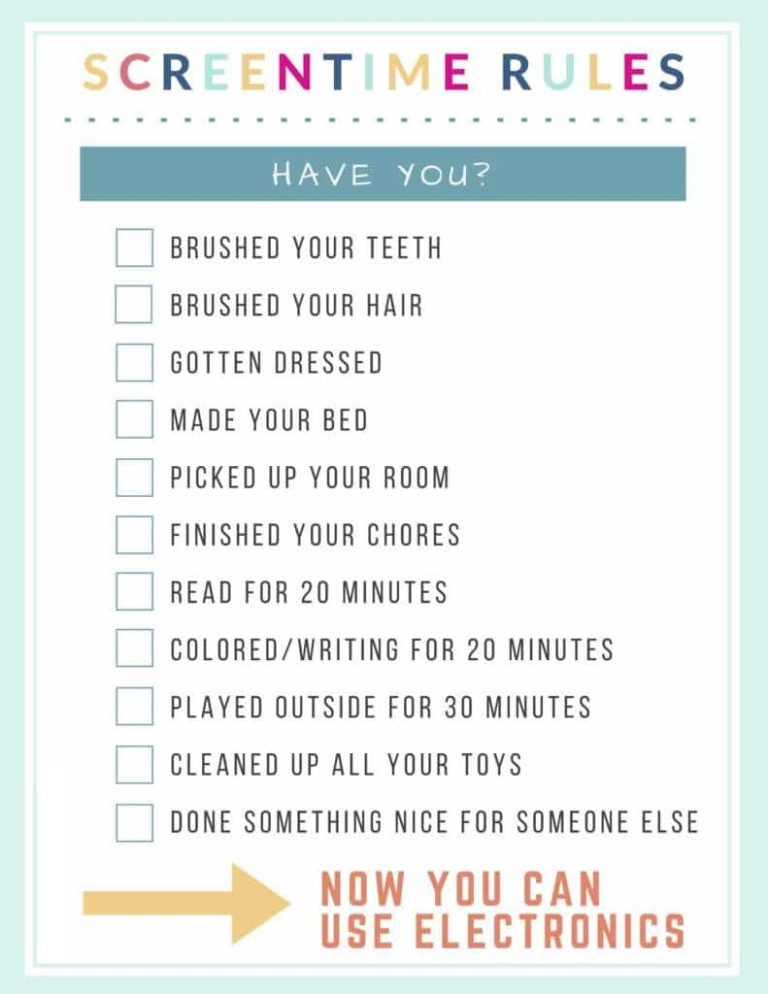
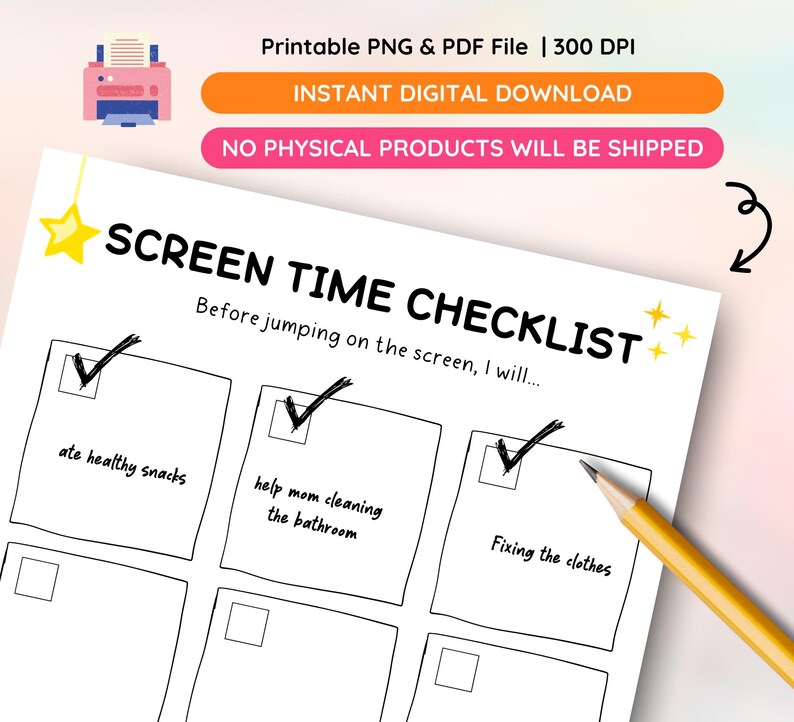
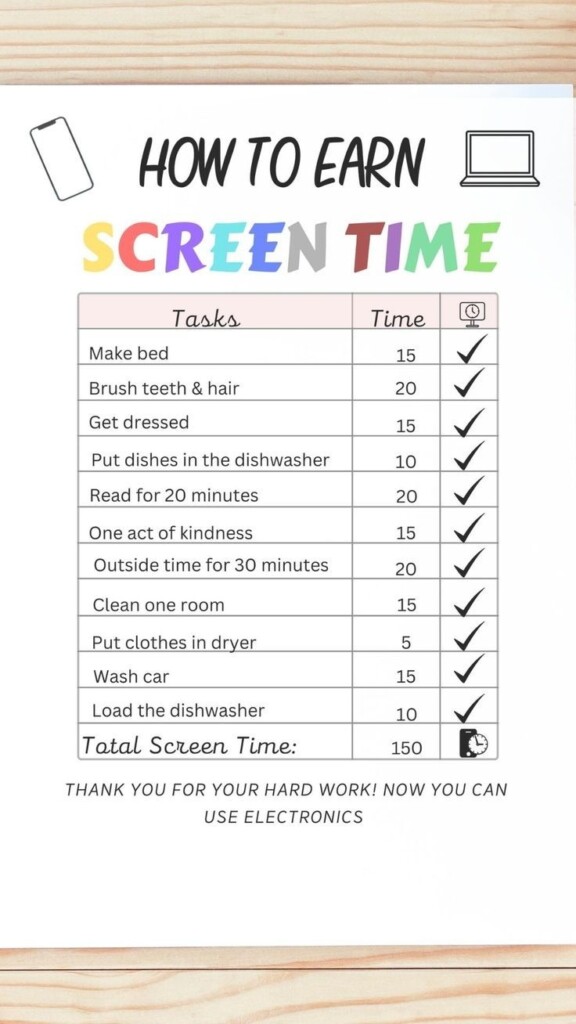
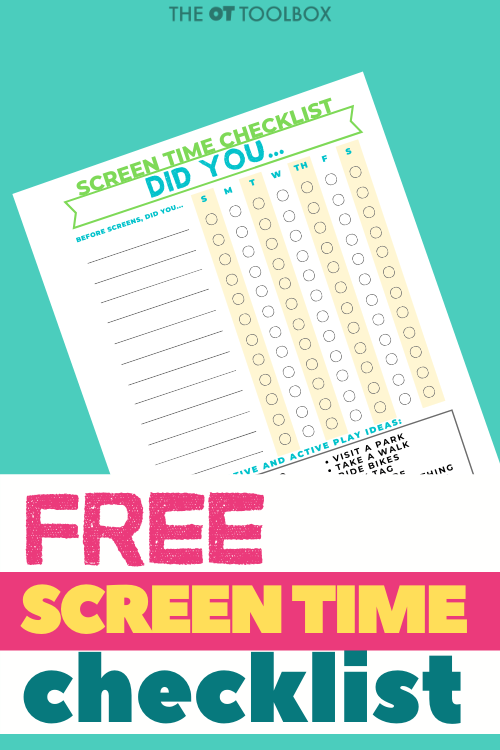
Educators can integrate the “screen time checklist for children” into digital citizenship lessons, health education curricula, or as a proactive tool during technology integration units. Parents will find it useful as a family activity, promoting open discussions about digital habits. The worksheet typically features activity types such as simple check-boxes for daily or weekly tracking, fill-in-the-blank sections for goal-setting, and reflective prompts encouraging children to consider the impact of their screen time choices. Its difficulty level is adaptable, with instructions often scaffolded to guide learners progressively. This resource functions effectively as a standalone activity for personal reflection, a component within a broader lesson plan on digital wellness, or as a meaningful homework assignment that extends learning into the home environment. Browse more guides on Safe Wired Schools.
Practical Tips for Parents and Teachers
- Set Clear Expectations: Before starting, discuss the purpose of the checklist, explaining it is a tool for understanding and improving habits, not a punitive measure.
- Facilitate Discussion: Encourage open conversation during and after completion. Ask questions about observed patterns and the feelings associated with different screen time levels.
- Model Desired Behavior: Demonstrate healthy screen time practices as an adult. Children often learn by observing the habits of caregivers and teachers.
- Involve Children in Goal-Setting: Allow children to contribute to setting their own screen time goals and boundaries, fostering a sense of ownership and responsibility.
- Extend Learning Beyond the Worksheet: Integrate the checklist findings into daily routines, perhaps by scheduling dedicated offline activities or family tech-free zones.
Age-Appropriate Recommendations
Effective utilization of the “screen time checklist for children” requires tailoring the approach to the developmental stage of the child. For Ages 6-10 (Early Elementary), the checklist functions best as a collaborative tool. A parent or teacher should sit with the child, reading questions aloud and helping to mark responses. Focus on concrete examples and simple rules, emphasizing the balance between online play and physical activities. Vocabulary support might be needed for terms like “productive” or “reflect.” For Ages 11-14 (Middle School), the checklist can be introduced as a self-assessment tool. Encourage independent completion, followed by a guided discussion to explore their insights and challenges. The conversation should shift towards self-management and the personal benefits of balanced screen use, including improved sleep and focus. For Ages 15-18 (High School), the resource becomes a sophisticated instrument for critical self-reflection and personal accountability. Students can use it to analyze their digital footprint, manage academic and social screen time, and develop strategies for avoiding digital burnout. Discussions at this level can delve into the long-term implications of digital habits on mental health, future careers, and personal relationships, with minimal direct adult involvement.
Frequently Asked Questions
Q: How can this “screen time checklist for children” resource be accessed? A: The “screen time checklist for children” is available as a free printable download directly from the SafeWiredSchools.org website. Simply navigate to the worksheets section to find and print it. Q: Is this checklist suitable for all ages within the 5-18 range? A: While broadly applicable, the checklist requires age-appropriate adaptation and adult guidance for younger children. Its structure allows for varied engagement levels, making it versatile. Q: What makes a screen time checklist an effective educational tool? A: A checklist provides a tangible framework for self-monitoring and goal-setting. It encourages consistent engagement with healthy habits, fostering self-awareness and responsible decision-making over time.
Explore More Free Printable Worksheets
A single worksheet forms a valuable component within a comprehensive digital safety education program. Consistent reinforcement of learning through varied resources proves most effective in building lasting habits. Educators and parents are invited to explore the full collection of free printable internet safety worksheets, activity sheets, checklists, quizzes, and more. These resources cover every essential internet safety topic and are meticulously designed for every grade level and learning environment, ensuring continuous development of digital literacy at SafeWiredSchools.org Worksheets.
Developmental Milestone & Activity Table
| Development Stage | Recommended Daily Duration | Primary Learning Objective |
|---|---|---|
| Preschool & Pre-K | 10 – 15 Minutes | Pencil grip development & basic pre-stroke lines |
| Kindergarten | 15 – 20 Minutes | Letter/number formation & spatial line awareness |
| Early Elementary (Grade 1–2) | 20 – 30 Minutes | Fluency, sentence construction & neatness |
Images References