Introduction
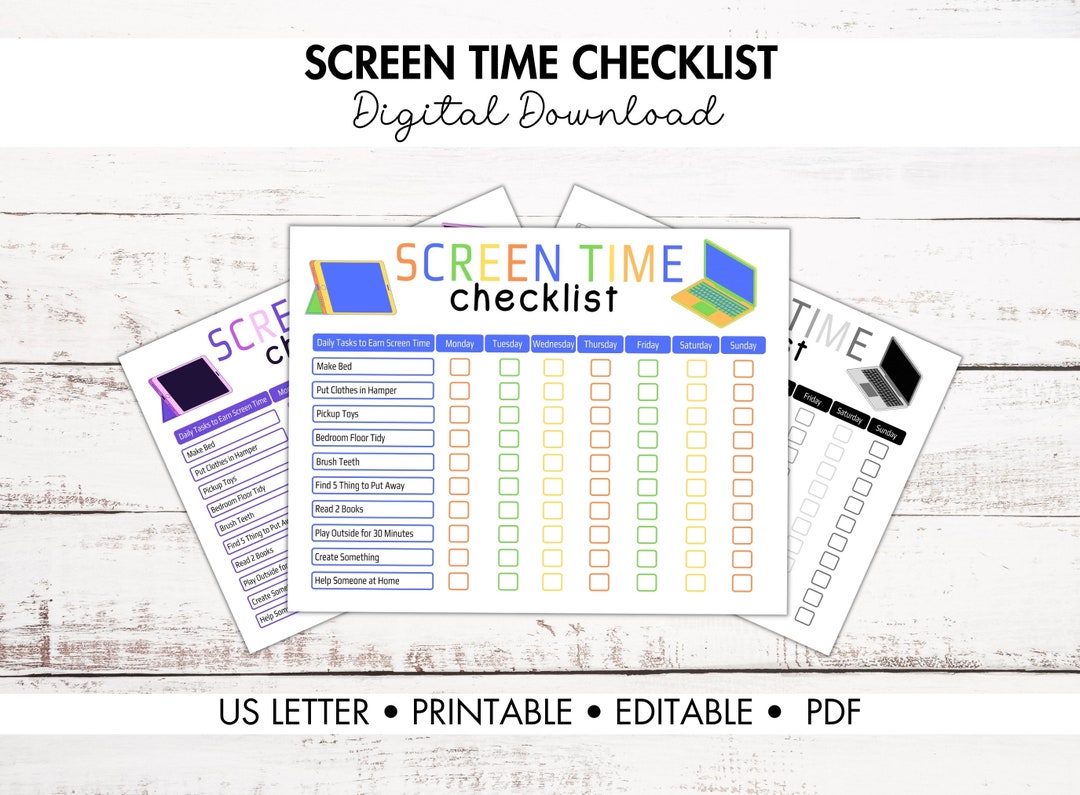
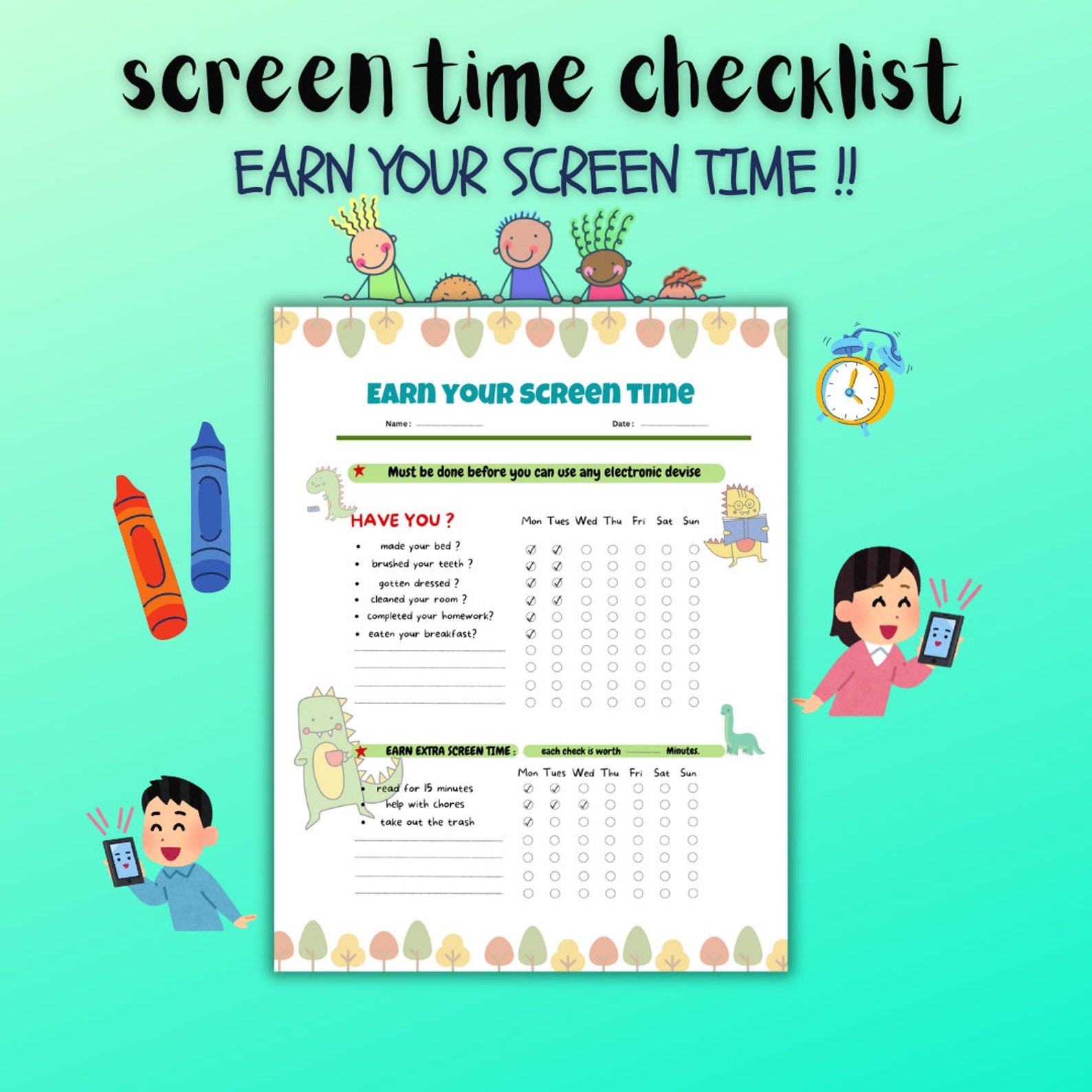
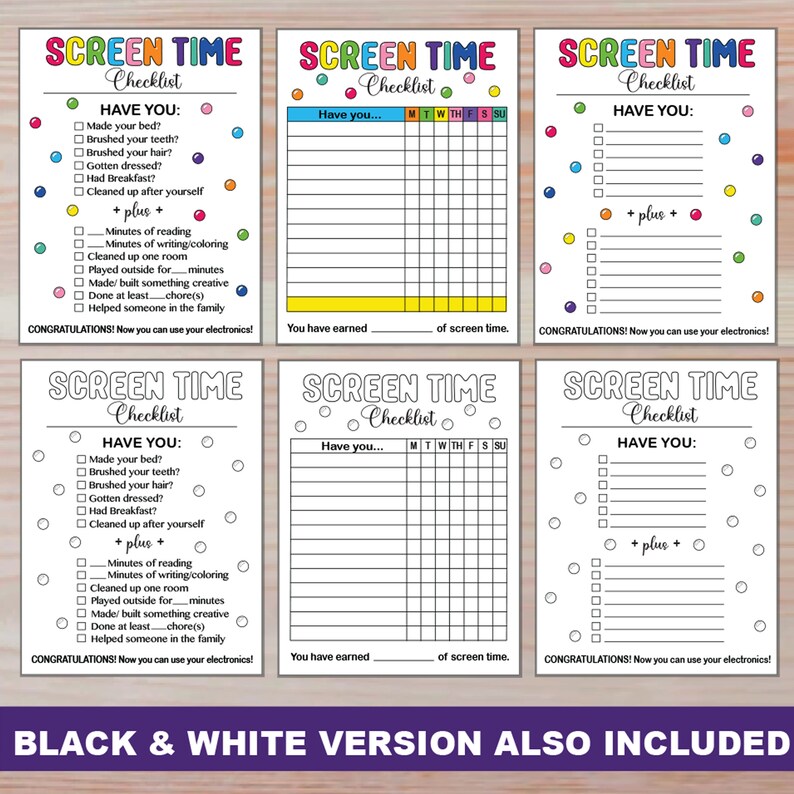
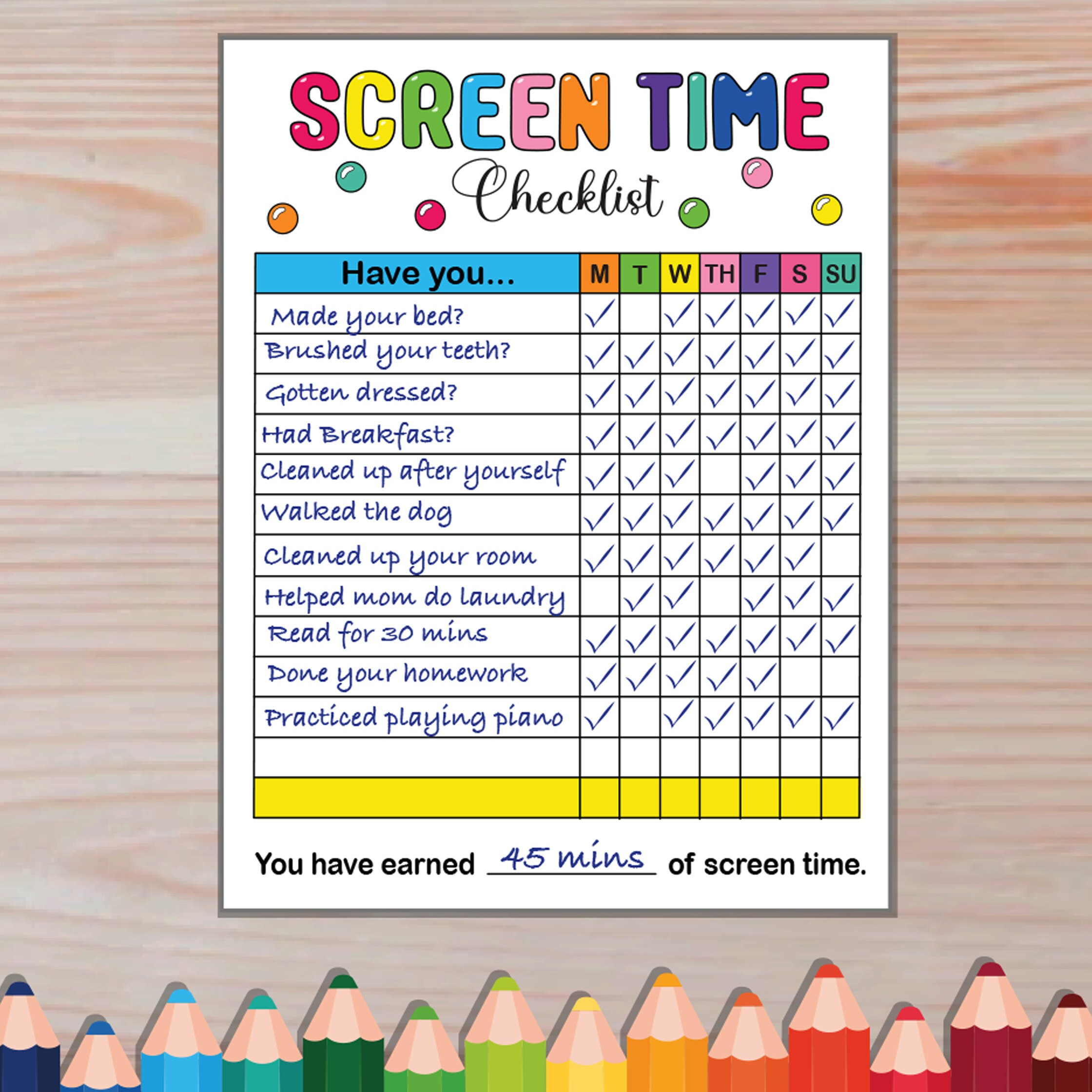
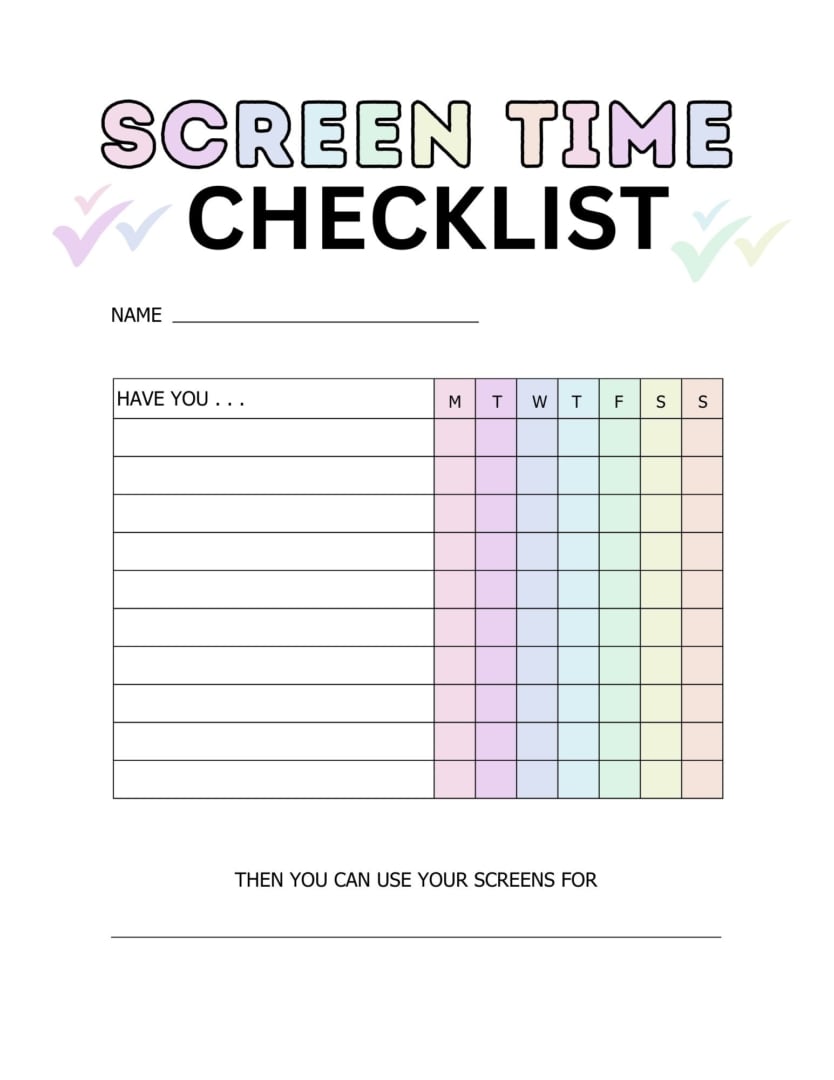
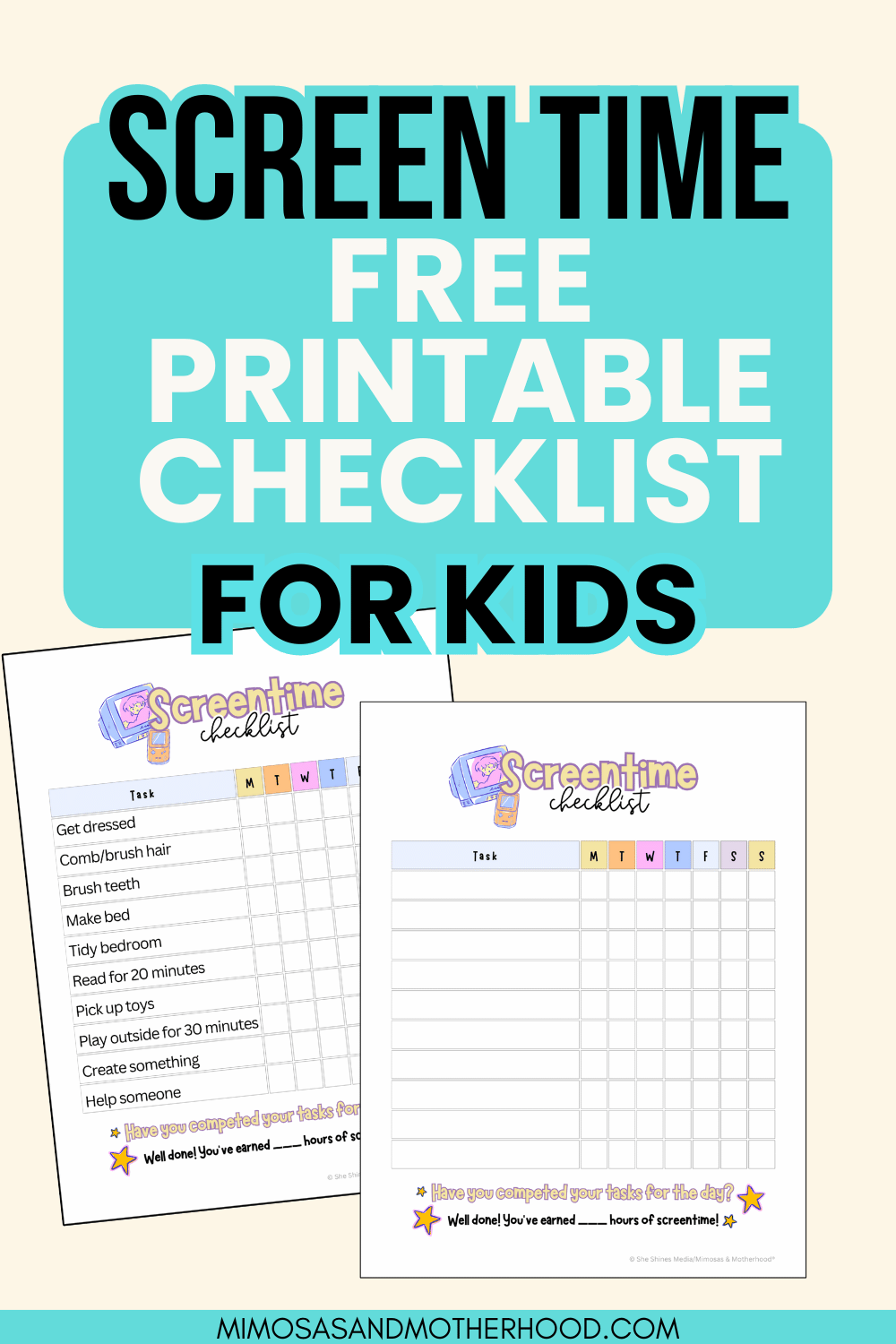
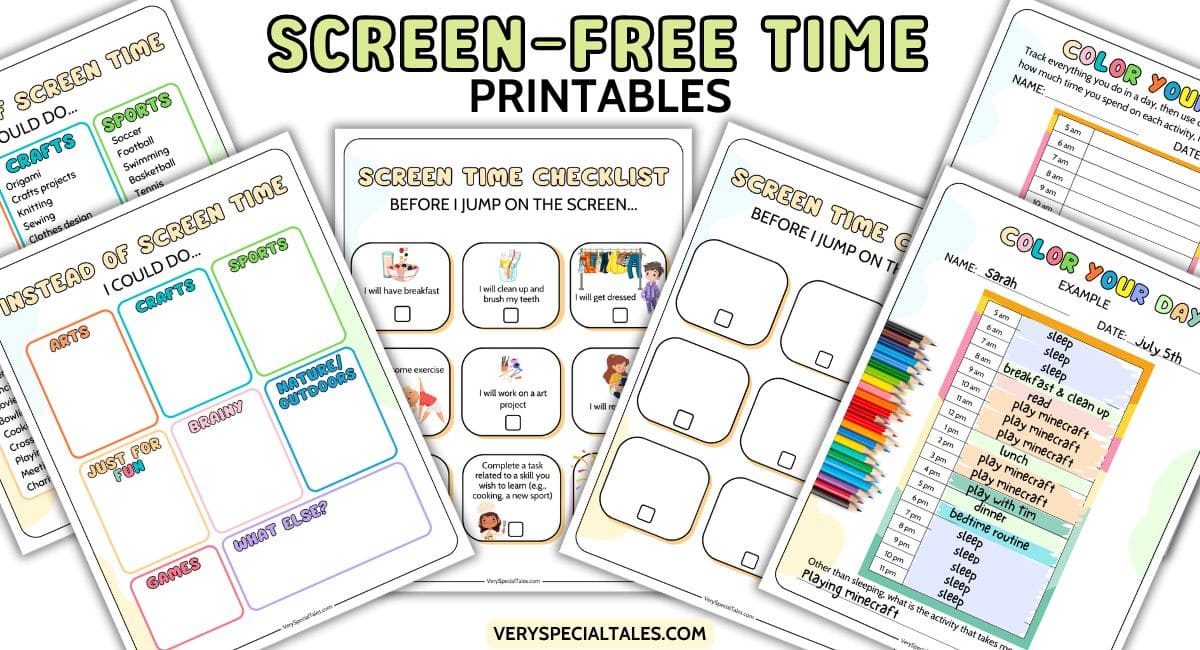
The “free screen time checklist for grade 5” provides an essential resource for fostering responsible digital habits in elementary school children. This printable tool is specifically designed for students in Grade 5, an age when digital interactions become more frequent and complex. It reinforces fundamental internet safety concepts through practical, hands-on learning, guiding children toward balanced screen use. Printable worksheets have long been trusted by educators and parents alike for their effectiveness in building foundational knowledge and promoting responsible online behavior. They offer a tangible, engaging way to discuss crucial topics like digital well-being and responsible device management, translating abstract rules into concrete, actionable steps. Implementing such resources helps establish a secure and mindful approach to technology from an early age, equipping children with the self-awareness needed for a healthy digital life.
💡 Educational Key Takeaways:
- Core Skill: Structured Free Screen Time Checklist For Grade 5 focused on developing pencil grip, stroke control, and early literacy/math confidence.
- Target Scope: Suited for homeschoolers, preschool, kindergarten, and elementary learners.
- Best Recommendation: Practice 10–15 minutes daily with ergonomic writing tools to reinforce muscle memory without hand fatigue.
What This Worksheet Covers
The “free screen time checklist for grade 5” addresses the critical topic of balanced digital engagement and healthy technology habits. This resource focuses on practical strategies for managing daily screen use, covering concepts such as setting realistic time limits, recognizing the importance of offline activities, and identifying signs of excessive screen time. The checklist helps children understand the value of a diverse daily routine that integrates physical activity, social interaction, and creative pursuits alongside digital engagement. Content within the worksheet directly connects to recognized digital citizenship and child safety education standards, particularly those emphasizing digital health and wellness. It promotes self-regulation skills and encourages thoughtful decision-making regarding digital device usage, aligning with educational goals for responsible technology integration.
Key Learning Outcomes
By completing the “free screen time checklist for grade 5,” students develop several crucial skills and areas of knowledge. Browse more guides on Safe Wired Schools.
- Ability to identify and articulate appropriate screen time durations for various activities.
- Development of self-regulation and time management skills related to digital device use.
- Understanding the importance of balancing online activities with offline pursuits such as reading, play, and physical activity.
- Recognition of healthy digital habits that contribute to overall well-being.
- Capacity to engage in constructive discussions about personal screen time rules and boundaries with adults.
How to Use This Worksheet
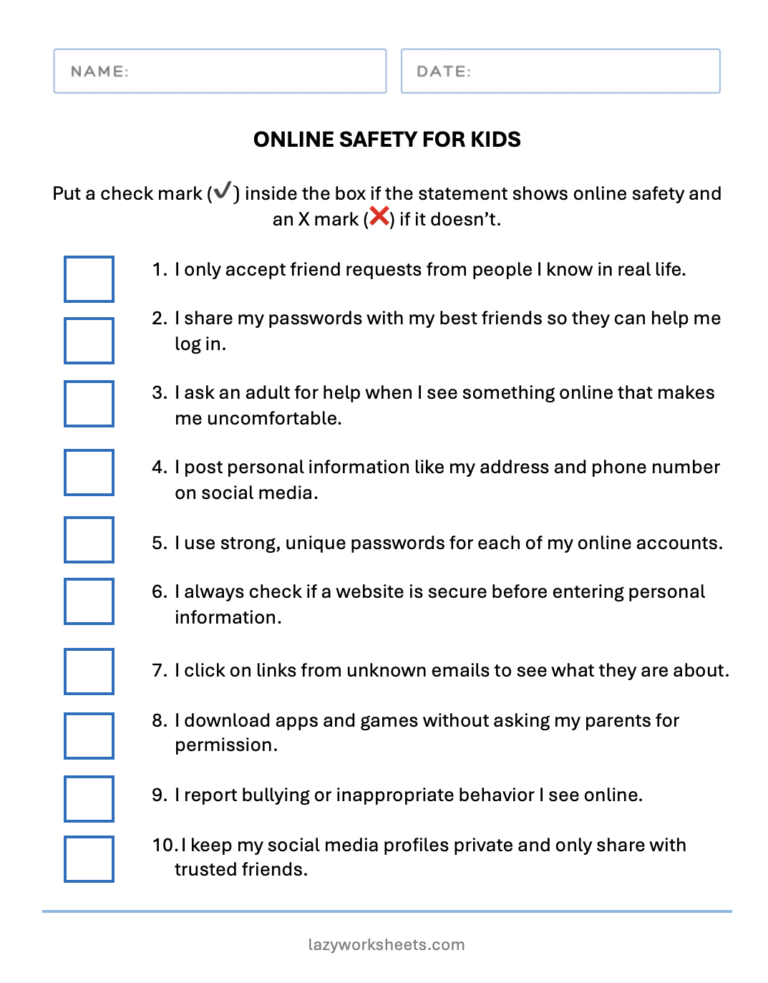
Educators and parents can effectively utilize the “free screen time checklist for grade 5” both in classroom settings and within the home environment. The worksheet typically presents a series of clear statements or questions related to daily screen use, requiring children to check boxes, complete short answers, or reflect on their habits. Its difficulty level is perfectly suited for Grade 5 students, featuring straightforward language and actionable items. Instructions within the worksheet scaffold learning progressively, beginning with basic awareness and moving towards personal responsibility. This resource functions excellently as a standalone activity to initiate discussions about digital habits, as an integral component of a broader lesson plan on digital citizenship, or as a thoughtful homework assignment designed to involve families in promoting healthy screen time practices.
Practical Tips for Parents and Teachers
- Facilitate Discussion: Before or after completion, discuss each item on the checklist. Encourage children to explain their choices and reasoning, fostering deeper understanding.
- Personalize the Checklist: Allow for customization of certain items to align with specific family rules or classroom guidelines, making the resource more relevant and impactful.
- Model Healthy Habits: Adults demonstrating responsible screen time behavior provides a powerful example, reinforcing the principles outlined in the checklist.
- Integrate into Routine: Incorporate the checklist review into a weekly family meeting or a regular classroom digital safety check-in, normalizing the conversation around screen time management.
- Extend the Learning: Use the checklist as a springboard for creating a family screen time agreement or a classroom digital well-being charter, empowering children to contribute to their own guidelines.
Age-Appropriate Recommendations
While the “free screen time checklist for grade 5” is specifically tailored for elementary students, the principles of balanced digital engagement are applicable across various age groups, requiring adapted approaches for optimal effectiveness.
For Ages 35 (Preschool), direct use of the checklist is generally not recommended due to cognitive development. Instead, adults should focus on modeling very basic screen time rules, such as designated viewing times and device-free zones. Discussions should be simple, emphasizing short, positive statements about playing outside or reading books. Parental involvement is paramount, acting as the primary guide and limit-setter for young childrens digital interactions.
For Ages 610 (Elementary Grades, including Grade 5), the checklist serves as an excellent direct tool. Children at this stage can comprehend the instructions and engage in self-reflection. Educators and parents should guide them through each item, providing vocabulary support as needed. Activity pacing should be moderate, allowing time for thoughtful consideration of each point. Active adult involvement, including discussions about answers and offering encouragement, significantly enhances the learning experience for this age group.
For Ages 1118 (Middle/High School), the core concepts of the Grade 5 checklist can be adapted for more complex self-assessment. While direct checklist use may feel too simplistic, the underlying themes of digital balance, critical thinking about online influence, and personal responsibility remain vital. Discussions should shift towards self-management, the impact of social media, and developing internal motivation for healthy digital choices. The focus moves from adult-imposed rules to self-advocacy and understanding the long-term effects of digital habits on mental and physical health.
Frequently Asked Questions
Q: What is the “free screen time checklist for grade 5”?
A: This is a printable educational resource designed for fifth-grade students. It helps children reflect on their daily screen time habits and encourages balanced digital engagement through a series of actionable items.
Q: How does this checklist support digital well-being?
A: The checklist promotes awareness of healthy digital practices by encouraging self-assessment and discussion. It helps children understand the importance of balancing online activities with essential offline experiences, contributing to overall well-being.
Q: Where can this free printable checklist be accessed?
A: The “free screen time checklist for grade 5” is available for immediate download on the SafeWiredSchools.org website. It can be easily printed for use in classrooms or at home, providing a convenient and accessible resource.
Explore More Free Printable Worksheets
A single resource, however valuable, functions best when integrated into a consistent digital safety learning routine. The “free screen time checklist for grade 5” represents just one component of a comprehensive approach to digital literacy. SafeWiredSchools.org offers an extensive collection of free printable internet safety worksheets, activity sheets, quizzes, and more. These resources cover every essential internet safety topic, including online privacy, cyberbullying prevention, digital footprints, and responsible social media use, designed for every grade level and learning environment. Educators and parents are invited to explore the full range of resources available at SafeWiredSchools.org Worksheets, ensuring a holistic and continuous education in digital citizenship.
Developmental Milestone & Activity Table
| Development Stage | Recommended Daily Duration | Primary Learning Objective |
|---|---|---|
| Preschool & Pre-K | 10 – 15 Minutes | Pencil grip development & basic pre-stroke lines |
| Kindergarten | 15 – 20 Minutes | Letter/number formation & spatial line awareness |
| Early Elementary (Grade 1–2) | 20 – 30 Minutes | Fluency, sentence construction & neatness |
Images References