Introduction
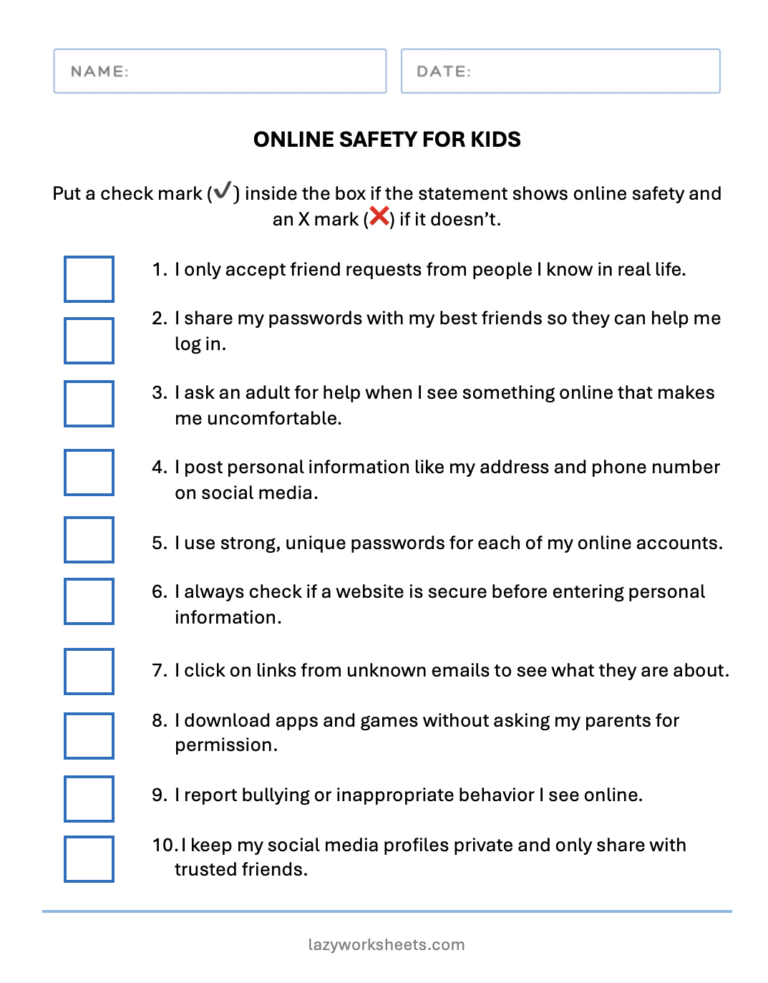
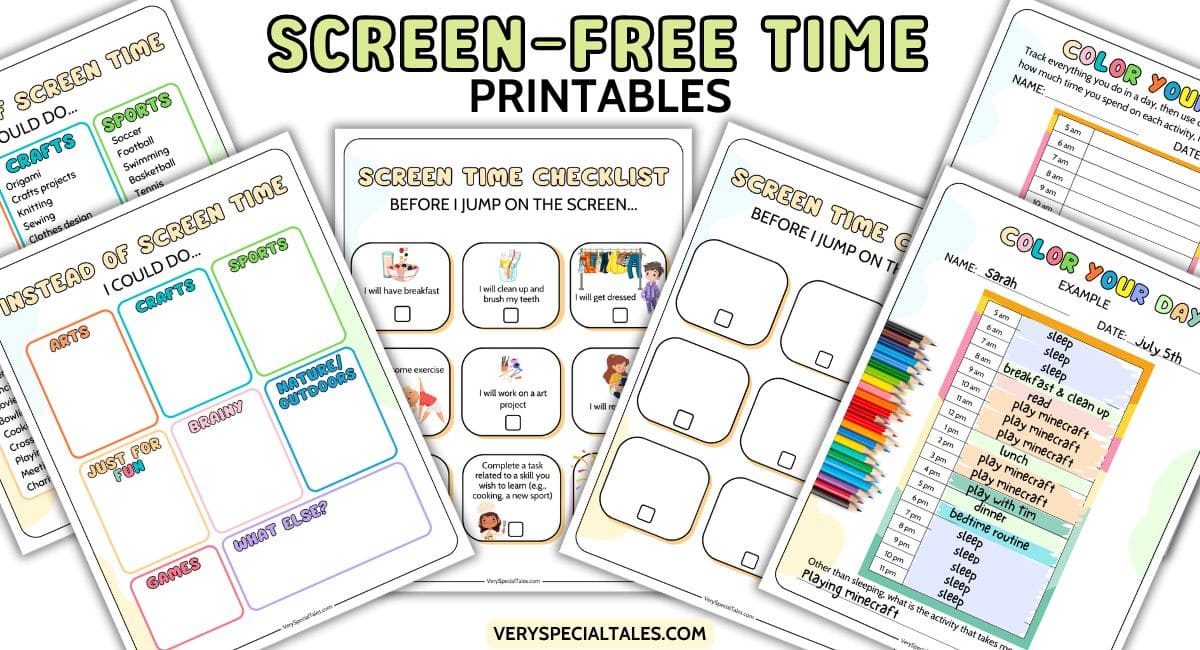
Navigating the digital landscape responsibly is a cornerstone of modern education. A fundamental aspect of this journey involves fostering healthy relationships with technology, particularly concerning screen time. The “screen time balance checklist for students” is a vital resource designed to empower young learners across Elementary (grades 1-5) and Middle/High School (grades 6-12) with the tools for mindful digital engagement. This printable worksheet reinforces critical internet safety concepts through a hands-on, reflective learning experience. Educators and parents consistently trust printable worksheets for their efficacy in building foundational digital awareness and promoting responsible online behavior. These resources offer a tangible, accessible method for children to engage with complex topics, allowing for repeated review and personalized application, thereby solidifying essential digital citizenship skills.
💡 Educational Key Takeaways:
- Core Skill: Structured Screen Time Balance Checklist For Students focused on developing pencil grip, stroke control, and early literacy/math confidence.
- Target Scope: Suited for homeschoolers, preschool, kindergarten, and elementary learners.
- Best Recommendation: Practice 10–15 minutes daily with ergonomic writing tools to reinforce muscle memory without hand fatigue.
What This Worksheet Covers
The “screen time balance checklist for students” specifically addresses the crucial topic of digital well-being and responsible screen time management. This resource guides students in understanding the impact of digital device usage on various aspects of their lives, including academic performance, physical health, social interactions, and sleep patterns. It introduces concepts such as identifying healthy versus unhealthy screen habits, recognizing the importance of offline activities, and establishing personal boundaries for digital engagement. The worksheet‘s content aligns directly with recognized digital citizenship and child online safety education standards, which emphasize self-regulation, media literacy, and the cultivation of a balanced digital lifestyle. It encourages proactive planning and reflective practices rather than simply limiting access, fostering a deeper understanding of personal responsibility in the digital age.
Key Learning Outcomes
By engaging with the “screen time balance checklist for students,” learners will achieve several significant developmental and educational milestones:. Browse more guides on Safe Wired Schools.
- Ability to identify personal screen time habits and assess their impact on daily routines.
- Development of specific, actionable goals for achieving a balanced approach to digital device use.
- Enhanced understanding of the benefits of integrating offline activities into their schedules.
- Cultivation of self-awareness and self-regulation skills concerning digital media consumption.
- Capacity for critical reflection on personal digital choices and their long-term implications.
How to Use This Worksheet
The “screen time balance checklist for students” offers a flexible and engaging format suitable for diverse learning environments. The worksheet typically includes a combination of self-assessment questions, reflection prompts, goal-setting sections, and activity planners. Instructions are designed to scaffold learning progressively, beginning with basic awareness and moving towards personalized action plans. For instance, an activity might involve listing daily screen activities, followed by identifying alternatives, and finally committing to specific changes. The difficulty level is adaptable, allowing for guided completion with younger students and independent work for older learners. This resource functions effectively as a standalone activity to initiate discussions on digital habits, as an integral component of a broader lesson plan on digital citizenship, or as a thoughtful homework assignment that encourages family involvement in establishing healthy tech boundaries.
Practical Tips for Parents and Teachers
- Introduce the checklist with an open discussion about the benefits and challenges of screen time, emphasizing balance rather than restriction.
- Model healthy screen habits personally; children often learn by observing adult behavior regarding digital devices.
- Review completed checklists collaboratively, offering supportive feedback and celebrating efforts towards healthier habits.
- Encourage students to set realistic, achievable goals and provide opportunities for tracking progress over time.
- Connect the checklist’s concepts to real-life situations, discussing how balanced screen time positively impacts sleep, friendships, and academic focus.
Age-Appropriate Recommendations
Implementing the “screen time balance checklist for students” effectively requires tailoring the approach to different developmental stages, ensuring maximum engagement and comprehension across age groups.
Ages 5-10 (Elementary Grades): For younger children, focus on introducing basic concepts of “too much” and “just right” screen time. Adult guidance is essential; the checklist can be completed verbally or with significant assistance. Emphasize visual aids and simple routines, such as “screen-free meal times” or “playing outside after school.” Vocabulary support should be extensive, explaining terms in concrete, child-friendly language. Activity pacing should be broken into short segments to maintain attention, and discussions should focus on immediate, observable benefits like better sleep or more time for favorite games.
Ages 11-14 (Middle School Grades): Students in this age band can engage with more self-reflection and goal-setting independently. Discussions should explore the broader consequences of imbalanced screen time, including its impact on grades, peer relationships, and mental well-being. The worksheet can prompt them to analyze their own usage patterns and identify specific triggers for excessive screen time. Vocabulary can include terms like “digital footprint” and “mindful consumption.” Encourage them to set personal, measurable goals and to track their progress, fostering a sense of ownership over their digital habits. Parental or teacher involvement transitions to a mentorship role, offering support and guidance rather than direct supervision.
Ages 15-18 (High School Grades): For older students, the checklist serves as a tool for advanced self-management and critical analysis of digital habits in the context of future goals. Discussions can delve into the long-term impacts of screen time on academic success, career readiness, and overall well-being. Students can explore strategies for managing digital distractions during study periods and developing healthy habits for higher education or the workplace. The worksheet can encourage them to consider the psychological aspects of device use, such as FOMO (fear of missing out) or social media pressure. The level of adult involvement shifts to a consultative role, respecting their autonomy while providing resources and support for their ongoing development of digital literacy.
Frequently Asked Questions
Q: What is the primary goal of this “screen time balance checklist for students”?
A: The primary goal is to empower students with the knowledge and tools to assess their digital habits, understand the importance of balanced screen use, and develop personal strategies for healthier engagement with technology. It promotes self-awareness and responsible digital citizenship.
Q: How can this resource be integrated into existing curricula?
A: This checklist integrates seamlessly into health education, digital citizenship lessons, technology courses, or even as part of a guidance counselor’s curriculum. It can initiate discussions, serve as a pre-assessment, or act as a follow-up activity to reinforce concepts.
Q: Where can this free printable checklist be accessed?
A: The “screen time balance checklist for students” is available for free download directly from the SafeWiredSchools.org website. Navigate to the “Worksheets” section to find this and many other valuable digital safety resources.
Explore More Free Printable Worksheets
A single resource, however valuable, works best as part of a comprehensive and consistent learning routine. The “screen time balance checklist for students” is one of many expertly designed tools available to support ongoing digital safety education. Educators and parents are invited to explore a full collection of free printable internet safety worksheets, activity sheets, checklists, quizzes, and more at SafeWiredSchools.org Worksheets. These resources cover every essential internet safety topic and are meticulously designed for every grade level and learning environment, ensuring continuous development of crucial digital literacy skills.
Developmental Milestone & Activity Table
| Development Stage | Recommended Daily Duration | Primary Learning Objective |
|---|---|---|
| Preschool & Pre-K | 10 – 15 Minutes | Pencil grip development & basic pre-stroke lines |
| Kindergarten | 15 – 20 Minutes | Letter/number formation & spatial line awareness |
| Early Elementary (Grade 1–2) | 20 – 30 Minutes | Fluency, sentence construction & neatness |