Introduction
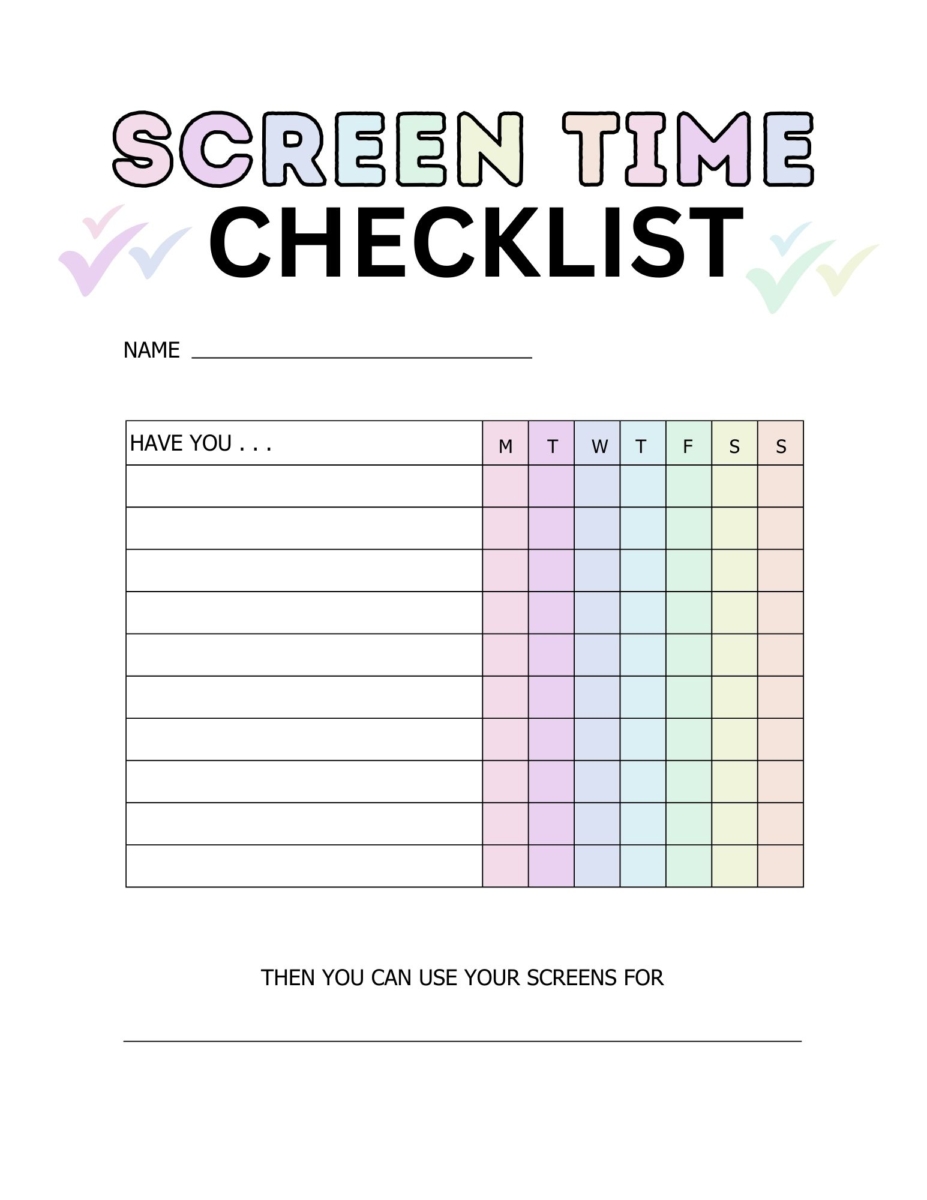
Fostering responsible digital habits represents a crucial aspect of modern education. The “free screen time checklist for children” serves as an invaluable resource, specifically designed to empower young learners in navigating their digital engagement with greater awareness and self-regulation. This printable worksheet primarily targets elementary grades (15) and early middle school (grades 68), providing a structured yet flexible framework for understanding and managing screen time effectively. Educators and parents consistently rely on printable resources for their tangible nature and direct engagement, making them trusted tools for reinforcing vital internet safety concepts. Such hands-on learning experiences cultivate digital awareness and lay a solid foundation for responsible online behavior, moving beyond passive consumption to active participation in one’s digital well-being. The act of physically interacting with a checklist helps children internalize concepts more effectively than purely digital instructions might allow, making it a cornerstone in digital literacy development.
💡 Educational Key Takeaways:
- Core Skill: Structured Free Screen Time Checklist For Children focused on developing pencil grip, stroke control, and early literacy/math confidence.
- Target Scope: Suited for homeschoolers, preschool, kindergarten, and elementary learners.
- Best Recommendation: Practice 10–15 minutes daily with ergonomic writing tools to reinforce muscle memory without hand fatigue.
What This Worksheet Covers
This worksheet addresses the critical internet safety topic of healthy screen time management and digital balance. It guides children through an exploration of their daily digital routines, encouraging reflection on the types of activities engaged in and the duration of these sessions. Core concepts covered include distinguishing between productive and recreational screen time, identifying alternative activities away from screens, and recognizing the importance of breaks. The resource also subtly introduces the idea of setting personal boundaries for device use. The content aligns with recognized digital citizenship and child safety education standards, which emphasize media balance and well-being. By engaging with the checklist, children begin to understand the impact of excessive screen time on their physical and mental health, a foundational principle for developing lifelong healthy digital habits. The language employed is straightforward, ensuring accessibility for its intended age groups while maintaining an authoritative stance on digital wellness.
Key Learning Outcomes
By completing the “free screen time checklist for children,” learners will develop several essential skills and knowledge areas:. Browse more guides on Safe Wired Schools.
- Enhanced Self-Awareness: Children gain a clearer understanding of their current screen time habits and the types of content they consume.
- Improved Time Management: The checklist encourages a structured approach to allocating time, fostering an ability to balance digital activities with other pursuits.
- Critical Reflection Skills: Learners practice evaluating their digital choices and considering the broader impact of those decisions on their well-being.
- Proactive Goal Setting: The resource prompts children to identify and set achievable goals for managing their screen time more effectively.
- Recognition of Digital Balance: Children begin to grasp the concept of a balanced digital life, understanding the importance of both online and offline engagement.
How to Use This Worksheet
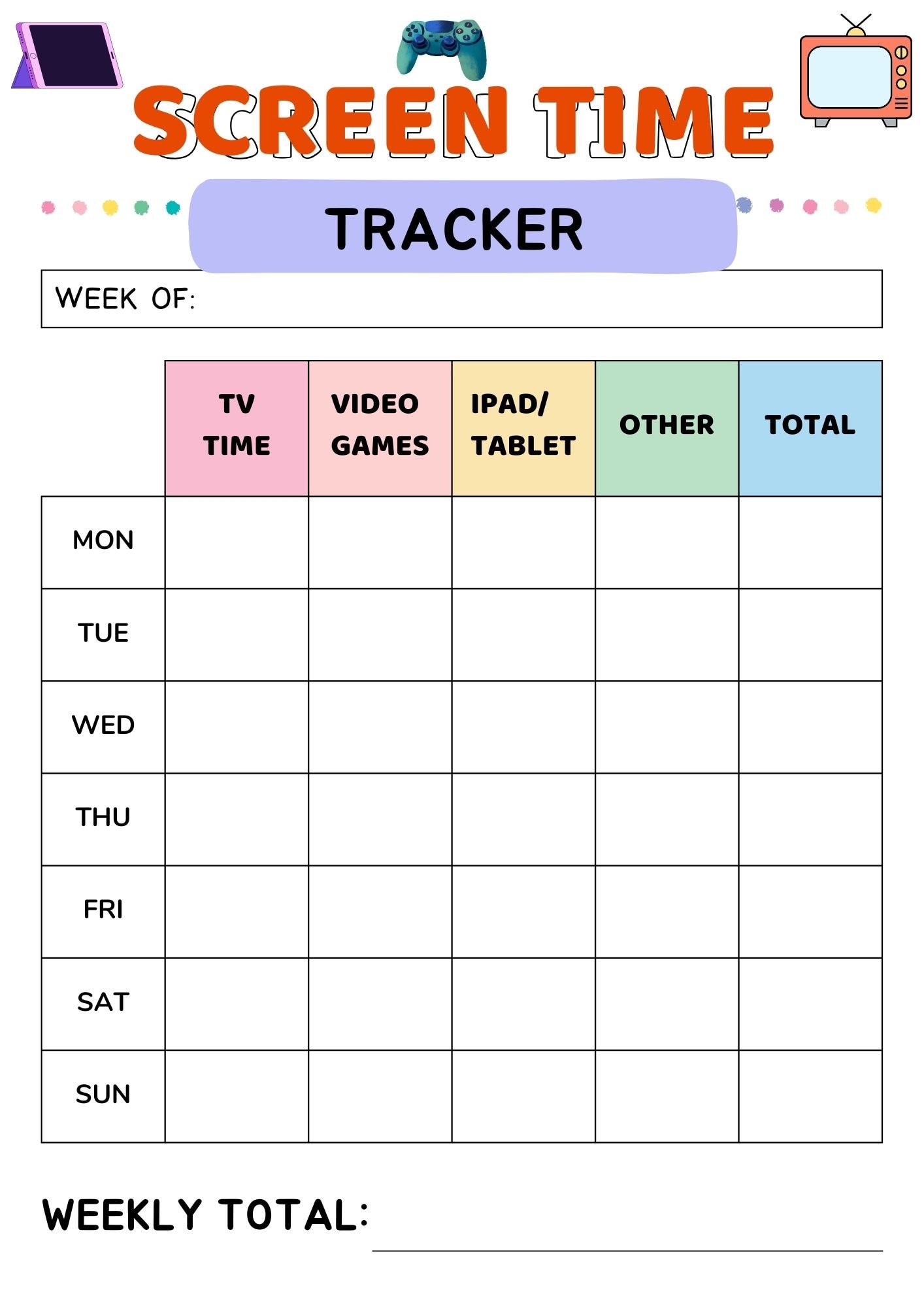
The “free screen time checklist for children” is designed for versatile application in both educational and home settings. Its format typically involves simple checkboxes, fill-in-the-blank sections, and opportunities for self-reflection, making it highly engaging. The difficulty level is appropriate for elementary and middle school students, with instructions that scaffold learning progressively. For instance, children might tally their screen time for different activities, reflect on how they feel after extended use, or brainstorm non-screen alternatives. Educators can integrate the worksheet as a standalone activity to initiate discussions on digital wellness, incorporate it into a broader digital citizenship lesson plan, or assign it as homework to encourage family involvement. Parents can utilize it as a conversation starter, a tool for establishing family screen time rules, or a weekly tracker to monitor progress toward healthier habits. Its clear layout supports independent completion by older children while providing ample opportunity for guidance and discussion with younger learners.
Practical Tips for Parents and Teachers
- Set the Stage: Before distributing the worksheet, discuss the concept of screen time balance and its importance for overall well-being. Explain that the checklist is a tool for understanding, not a judgment.
- Facilitate Open Discussion: Encourage children to share their reflections and observations after completing the checklist. Pose questions like, “What did you learn about your screen time?” or “What changes might you consider?”
- Model Healthy Habits: Adults can demonstrate responsible screen time practices themselves, showing children that digital balance is a family-wide or classroom-wide commitment.
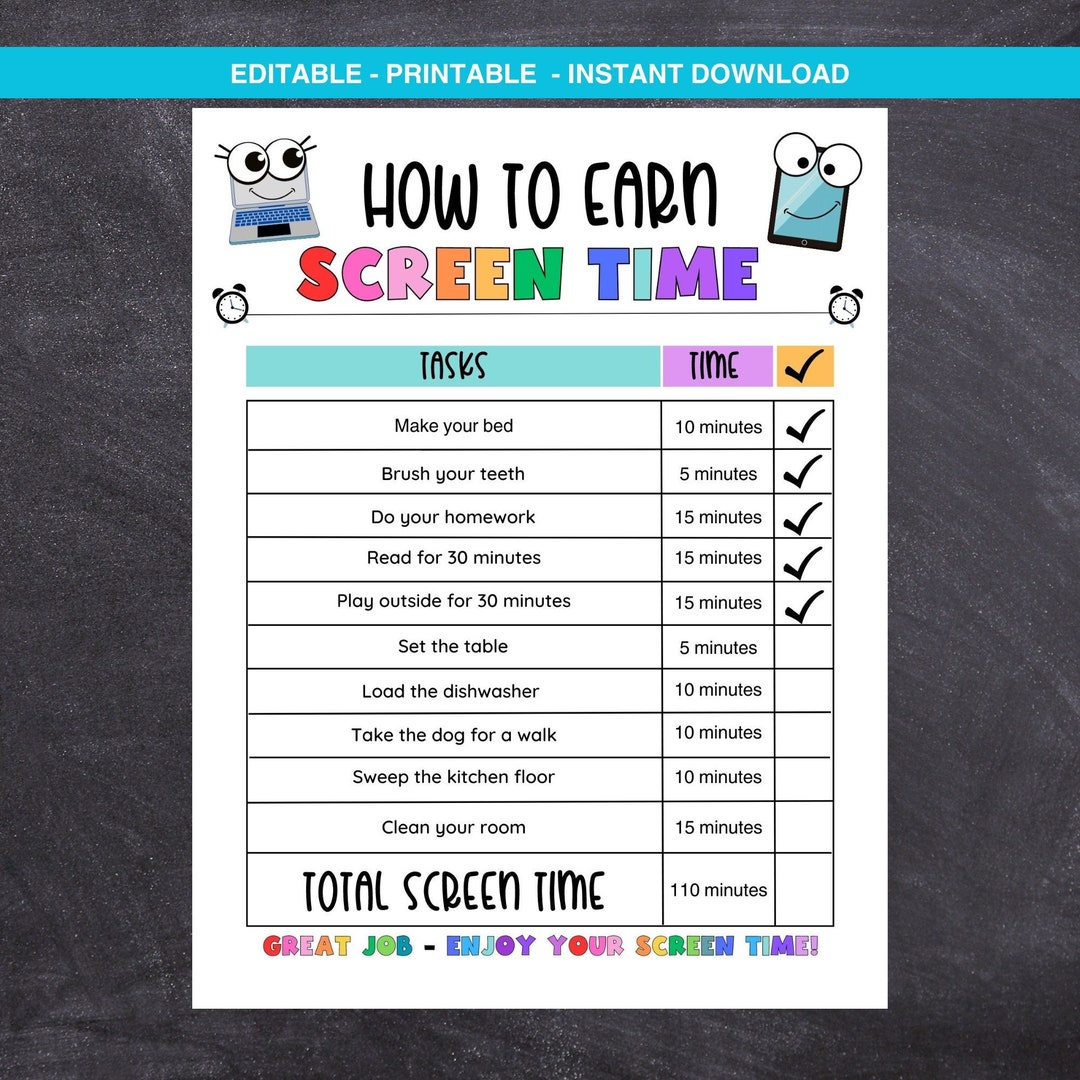
- Extend the Learning: Use the completed checklist as a springboard for creating a family media plan or classroom digital agreement. Consider incorporating a “challenge week” to implement new screen time goals.
- Celebrate Progress: Acknowledge and praise efforts to manage screen time effectively, reinforcing positive behaviors and encouraging continued self-regulation rather than focusing solely on limitations.
Age-Appropriate Recommendations
Implementing the “free screen time checklist for children” effectively requires tailoring the approach to different age bands, ensuring maximum educational impact.
For Ages 58 (Early Elementary), the worksheet functions best with significant adult involvement. Vocabulary support is crucial; terms like “digital balance” should be explained simply. The activity pacing should be slow, allowing children to focus on one section at a time. Parents or teachers can complete the checklist alongside the child, turning it into a collaborative discovery process. Focus on identifying types of screen activities and simple alternatives, rather than strict time limits initially.
For Ages 912 (Late Elementary/Early Middle School), children can begin to complete the checklist more independently. A brief introductory discussion and clarification of instructions are generally sufficient. Encourage honest self-assessment and reflection on how different screen activities make them feel. This age group benefits from discussing the “why” behind screen time recommendations, linking it to concepts like sleep, homework, and outdoor play. The worksheet can serve as a personal accountability tool, leading to self-set goals.
For Ages 1318 (Middle/High School), the checklist can be framed as a self-reflection and goal-setting exercise for personal digital wellness. While direct supervision may be less necessary, providing a safe space for discussion about findings is vital. The focus shifts to critical evaluation of screen content, understanding digital citizenship responsibilities, and the long-term impacts of screen habits on mental health, academic performance, and social connections. The worksheet can prompt the creation of a personalized digital wellness plan, fostering greater autonomy in managing their online lives.
Frequently Asked Questions
Q: What is the primary benefit of using a screen time checklist for children? A: A screen time checklist helps children develop self-awareness about their digital habits and encourages them to consider a balanced approach to technology use. It promotes critical thinking about online activities and the importance of engaging in diverse, healthy behaviors.
Q: How does this resource support broader digital citizenship education? A: This checklist contributes to digital citizenship by fostering responsible media consumption and self-regulation, key components of being a good digital citizen. It helps children understand that their online choices impact their overall well-being and encourages thoughtful interaction with digital environments.
Q: Where can the “free screen time checklist for children” be downloaded? A: The “free screen time checklist for children” is available for immediate download directly from SafeWiredSchools.org. Visit the worksheets section of the website to access and print this valuable educational resource without cost.
Explore More Free Printable Worksheets
A single resource, while powerful, reaches its full potential when integrated into a consistent digital safety learning routine. The “free screen time checklist for children” represents just one component of a comprehensive approach to digital literacy. Educators and parents are invited to explore a full collection of free printable internet safety worksheets, activity sheets, checklists, quizzes, and more at SafeWiredSchools.org Worksheets. These resources cover every essential internet safety topic, from privacy and cyberbullying to critical thinking and media literacy, and are meticulously designed for every grade level and learning environment, ensuring continuous support for children’s digital journey.
Visual Reference Gallery


Developmental Milestone & Activity Table
| Development Stage | Recommended Daily Duration | Primary Learning Objective |
|---|---|---|
| Preschool & Pre-K | 10 – 15 Minutes | Pencil grip development & basic pre-stroke lines |
| Kindergarten | 15 – 20 Minutes | Letter/number formation & spatial line awareness |
| Early Elementary (Grade 1–2) | 20 – 30 Minutes | Fluency, sentence construction & neatness |