Introduction
Ensuring children navigate the digital world safely is a paramount concern for all adults. The resource, a free online safety worksheet for children, offers a tangible and effective tool for reinforcing essential internet safety concepts. This printable learning material is primarily designed for Elementary grades 1-5, though its adaptable nature allows for meaningful engagement across a broader age range. Printable worksheets are trusted pedagogical instruments, widely recognized by educators and parents for their ability to facilitate hands-on learning. They provide a structured approach to building digital awareness and fostering responsible online behavior, transforming abstract safety principles into concrete, actionable steps. The act of physically interacting with information through writing and drawing strengthens comprehension and retention, making these resources invaluable in modern digital literacy education. Utilizing such materials empowers young learners to develop critical thinking skills necessary for a secure online experience.
💡 Educational Key Takeaways:
- Core Skill: Structured Free Online Safety Worksheet For Children focused on developing pencil grip, stroke control, and early literacy/math confidence.
- Target Scope: Suited for homeschoolers, preschool, kindergarten, and elementary learners.
- Best Recommendation: Practice 10–15 minutes daily with ergonomic writing tools to reinforce muscle memory without hand fatigue.
What This Worksheet Covers
This particular free online safety worksheet for children focuses on foundational principles of online privacy and responsible interaction. It addresses crucial aspects such as identifying personal information that should never be shared online, understanding the concept of digital strangers, and recognizing safe vs. unsafe online scenarios. The worksheet guides young learners through activities designed to clarify what constitutes private data like home addresses, phone numbers, and school names versus information that might be shared more openly with trusted adults. Content within the worksheet directly aligns with established digital citizenship standards, emphasizing the importance of privacy, critical evaluation of online content, and the necessity of seeking adult guidance when encountering uncomfortable or confusing situations online. The material is presented in a manner that demystifies complex internet safety rules, making them accessible and relatable for young minds.
Key Learning Outcomes
By completing this free online safety worksheet for children, students and children will develop several critical skills and areas of knowledge:. Browse more guides on Safe Wired Schools.
- Distinguishing Private from Public Information: Learners will gain the ability to identify personal details that must be kept private online.
- Recognizing Trusted Adults for Online Help: Children will understand the importance of reporting concerns to a parent, teacher, or other trusted guardian.
- Understanding Online Stranger Danger: The worksheet helps differentiate between known contacts and potentially harmful interactions with unknown individuals online.
- Practicing Safe Online Interaction Scenarios: Learners will be able to identify appropriate responses to common online situations, such as receiving unusual messages or links.
- Developing Critical Thinking for Online Content: The activities encourage thoughtful consideration before clicking on links or sharing information.
How to Use This Worksheet
The free online safety worksheet for children serves as a versatile educational tool for both classroom and home environments. Its format typically includes a mix of engaging activities such as fill-in-the-blank questions, matching exercises, simple true or false statements, short scenario analysis, and opportunities for drawing or reflective responses. The difficulty level is appropriate for elementary school children, with instructions that progressively scaffold learning. Each section builds upon previous concepts, ensuring a gradual understanding of internet safety principles. This worksheet can be utilized as a standalone activity to introduce or reinforce specific safety topics, integrated seamlessly into a broader digital citizenship lesson plan, or assigned as a thought-provoking homework exercise. Its printable nature encourages active participation and allows for individual pacing, catering to diverse learning styles and abilities.
Practical Tips for Parents and Teachers
Maximizing the educational impact of this free online safety worksheet for children involves thoughtful preparation and engagement:
- Review Content Prior to Use: Adults should familiarize themselves with the worksheet material beforehand to anticipate questions and prepare relevant examples.
- Facilitate Discussion, Not Just Completion: Encourage open dialogue during and after the activity, asking children to explain their answers and reasoning.
- Connect to Real-Life Examples: Relate the worksheet concepts to everyday online experiences children might encounter, making the learning more concrete.
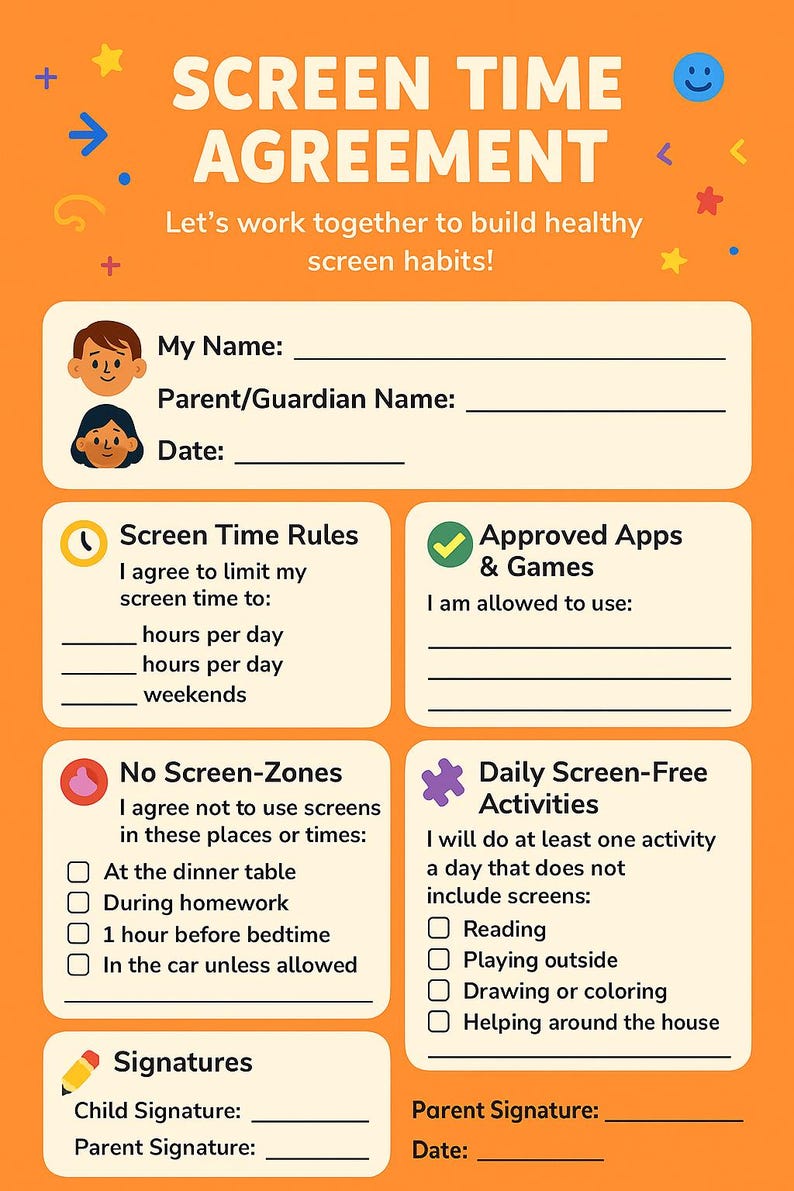
- Create a “Family/Classroom Digital Safety Contract”: Use the worksheet as a springboard to develop a personalized agreement on safe online habits.
- Display Completed Work: Showcase the children’s efforts in a prominent location to celebrate their learning and reinforce safety messages.
Age-Appropriate Recommendations
While the free online safety worksheet for children is primarily aimed at elementary learners, its adaptability allows for effective use across various age bands with tailored approaches.
Ages 5-7 (Early Elementary): For younger children, extensive adult guidance is crucial. Focus on the most basic concepts, such as identifying a trusted adult to talk to and understanding that personal information like names and addresses should not be shared with strangers. Visual elements on the worksheet should be emphasized, and vocabulary support provided for any unfamiliar terms. Activity pacing should be slow, allowing ample time for discussion and clarification, perhaps completing only one section at a time. The worksheet serves best as a prompt for conversation and drawing, with less emphasis on written responses.
Ages 8-10 (Mid-Elementary): Children in this age group can engage with the worksheet more independently. Encourage them to read instructions and complete activities with minimal direct intervention, though adult supervision remains important. Discussions can delve deeper into scenarios, exploring the “why” behind safety rules and considering potential consequences of unsafe actions. This age group benefits from connecting the worksheet’s concepts to their own emerging online interests, such as educational games or communication with friends. The worksheet can be used to initiate discussions about digital footprints in a simplified manner.
Ages 11-14 (Early Middle School): While primarily designed for younger learners, this worksheet can serve as a valuable review or foundational activity for early middle schoolers, particularly if they have not had prior formal digital safety education. The focus for this age group should shift towards critical thinking, encouraging them to analyze scenarios and propose solutions independently. Peer discussions can be particularly effective, allowing students to share perspectives and learn from each other. Vocabulary support should be minimal, but the complexity of online interactions and social media environments can be addressed verbally to bridge the worksheet’s foundational concepts with their evolving digital experiences. The worksheet reinforces the core idea that online safety principles remain consistent across platforms and activities.
Frequently Asked Questions
Q: What age group is this free online safety worksheet for children best suited for? A: This worksheet is primarily designed for children in Elementary grades 1-5 (ages 6-10). However, it can be adapted for younger learners with more adult guidance or used as a foundational review for early middle school students.
Q: How can this free online safety worksheet for children be accessed? A: The worksheet is available for free download directly from the SafeWiredSchools.org website. It can be printed at home or in the classroom for immediate use, requiring only a standard printer and paper.
Q: Does this worksheet cover all aspects of internet safety? A: This worksheet covers foundational principles of online privacy and responsible interaction, such as identifying private information and understanding online stranger danger. It serves as an excellent starting point for digital safety education but should be complemented by other resources for comprehensive learning.
Explore More Free Printable Worksheets
A single resource, while valuable, performs best when integrated into a consistent digital safety learning routine. This free online safety worksheet for children is an excellent introduction, yet continuous education is key to fostering truly safe online habits. Educators and parents are encouraged to explore a full collection of free printable internet safety worksheets, activity sheets, checklists, quizzes, and more at SafeWiredSchools.org Worksheets. This comprehensive repository covers every essential internet safety topic, meticulously designed for every grade level and learning environment, ensuring children receive ongoing, age-appropriate guidance for their digital journeys.
Developmental Milestone & Activity Table
| Development Stage | Recommended Daily Duration | Primary Learning Objective |
|---|---|---|
| Preschool & Pre-K | 10 – 15 Minutes | Pencil grip development & basic pre-stroke lines |
| Kindergarten | 15 – 20 Minutes | Letter/number formation & spatial line awareness |
| Early Elementary (Grade 1–2) | 20 – 30 Minutes | Fluency, sentence construction & neatness |