Introduction
Educators and parents consistently seek effective tools to guide young individuals toward responsible digital citizenship. The printable resource, “daily screen time schedule for kids,” offers a foundational approach to managing digital engagement, particularly relevant for elementary grades 1-5 and middle school grades 6-8. This hands-on worksheet reinforces critical internet safety concepts by transforming abstract ideas into tangible planning. Printable worksheets remain trusted educational instruments because they provide a focused, screen-free learning experience. They encourage active participation, develop fine motor skills, and allow for repeated engagement, fostering a deeper understanding of digital awareness and responsible online behavior. This resource empowers children to visualize and commit to healthy digital habits, a crucial step in navigating the complexities of the online world safely.
💡 Educational Key Takeaways:
- Core Skill: Structured Daily Screen Time Schedule For Kids focused on developing pencil grip, stroke control, and early literacy/math confidence.
- Target Scope: Suited for homeschoolers, preschool, kindergarten, and elementary learners.
- Best Recommendation: Practice 10–15 minutes daily with ergonomic writing tools to reinforce muscle memory without hand fatigue.
What This Worksheet Covers
The “daily screen time schedule for kids” worksheet directly addresses the vital internet safety topic of digital wellness and balanced screen usage. It guides learners through the process of allocating time for various activities, distinguishing between online engagement and essential offline pursuits. The resource covers fundamental concepts such as setting personal boundaries, understanding the value of diverse activities, and developing a structured approach to device use. It also encourages reflection on current habits and the benefits of a balanced digital diet. This content directly aligns with recognized digital citizenship and child safety education standards, which advocate for media literacy, self-regulation, and the promotion of healthy online-offline life integration.
Key Learning Outcomes
By engaging with the “daily screen time schedule for kids” resource, learners will achieve several significant developmental milestones:. Browse more guides on Safe Wired Schools.
- Ability to distinguish between productive and recreational screen time, promoting informed choices.
- Skill in constructing a personalized schedule that balances digital activities with essential offline responsibilities and hobbies.
- Understanding the critical importance of integrating physical activity, social interaction, and creative play into a daily routine.
- Development of self-management and planning skills concerning personal technology use.
- Capacity to articulate and adhere to established screen time boundaries, fostering greater self-discipline.
How to Use This Worksheet
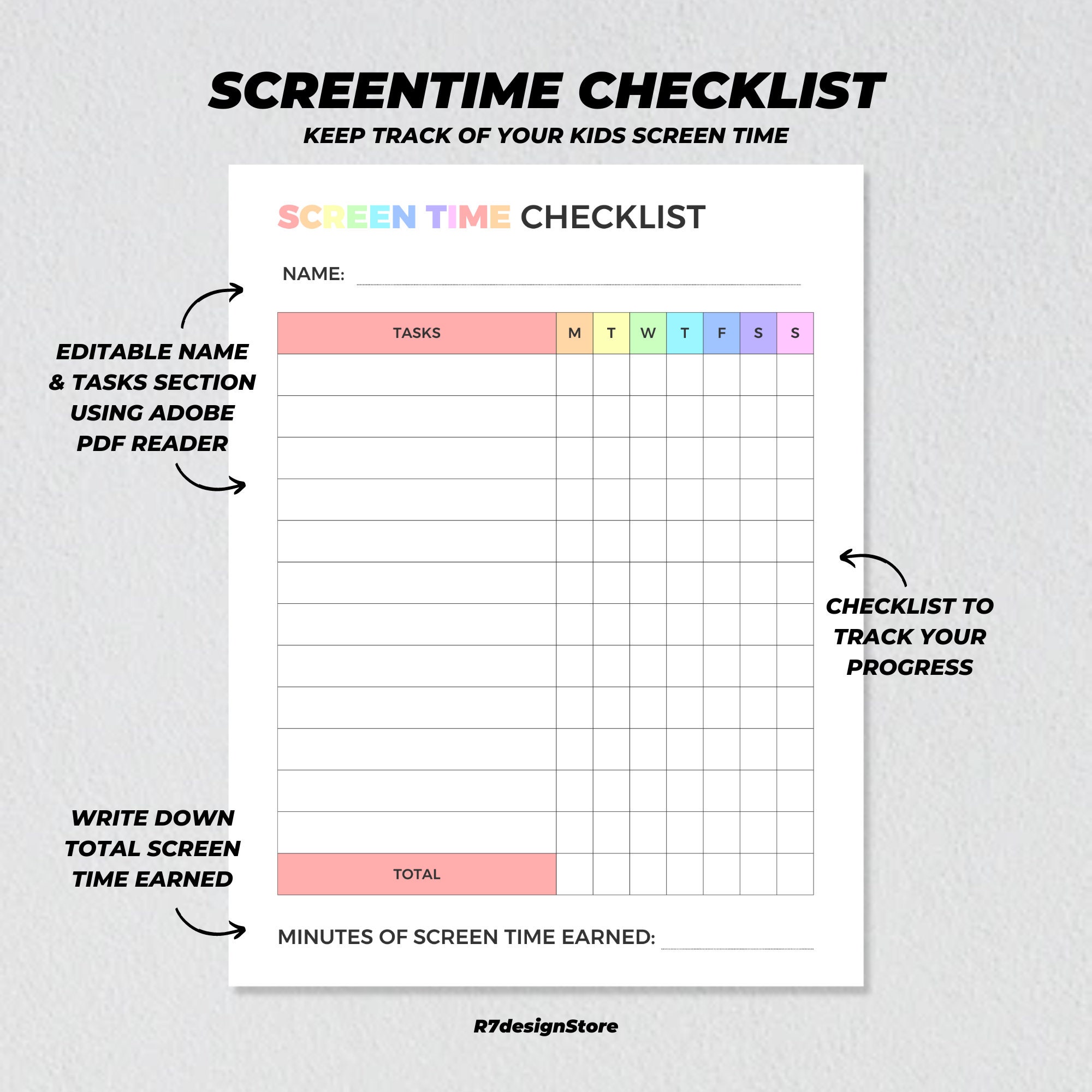
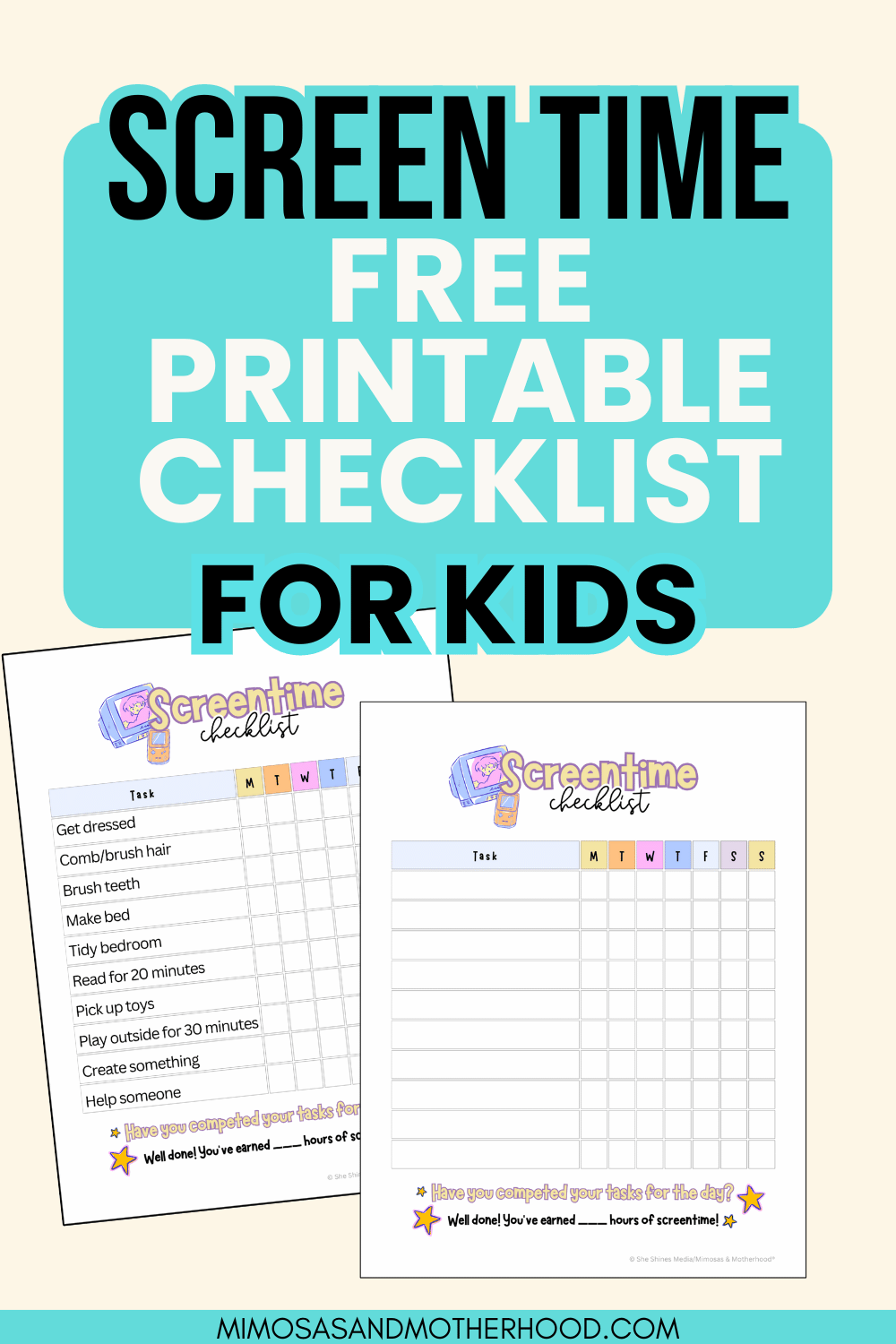
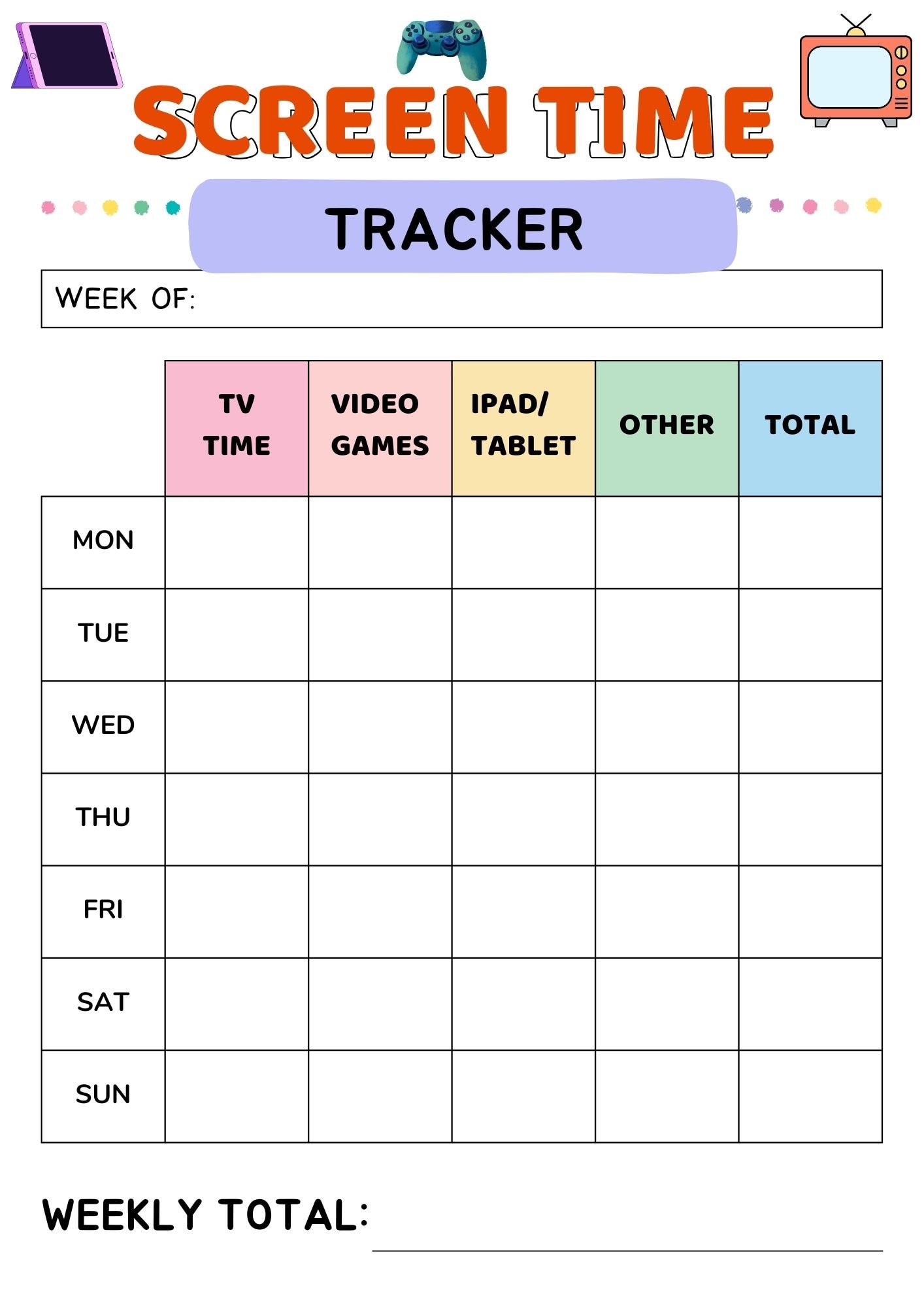
The “daily screen time schedule for kids” worksheet is designed for flexible application in both classroom and home environments. Its format typically includes sections for listing daily time slots, identifying planned online activities, and designating offline engagements. Children might fill in blanks, draw illustrations, or write short descriptions, depending on their age and ability. The difficulty level is adaptable; younger learners can focus on broader time blocks and simple activities, while older students can delve into more detailed planning and critical reflection. Instructions are structured to scaffold learning progressively, beginning with guided examples and advancing toward independent schedule creation. This worksheet can function as a standalone activity to initiate discussions on digital balance, integrate seamlessly into a broader digital citizenship lesson plan, or be assigned as homework to involve families in the screen time management process.
Practical Tips for Parents and Teachers
- Collaborative Completion: Work alongside children to fill out the schedule, offering guidance and discussing their activity choices, ensuring the plan feels collaborative rather than prescriptive.
- Model Healthy Habits: Demonstrate balanced screen use in personal routines; children learn effectively through observation and consistent adult example.
- Display and Review: Post the completed daily screen time schedule for kids in a prominent location at home or in the classroom, regularly reviewing its effectiveness and making necessary adjustments as routines evolve.
- Connect to Real-World Benefits: Discuss how adhering to the schedule creates more time for enjoyable hobbies, outdoor play, or family activities, reinforcing positive reinforcement.
- Extend the Learning: Utilize the schedule as a starting point for deeper conversations about online safety, digital footprint, and the various ways technology can be used responsibly and creatively.
Age-Appropriate Recommendations
Implementing the “daily screen time schedule for kids” requires tailoring the approach to suit different developmental stages. Expert guidance ensures the resource provides maximum benefit across various age groups.
For Ages 58 (Early Elementary), the focus remains on foundational concepts and direct adult support. Vocabulary should be simple and clear, emphasizing basic time concepts like “morning,” “afternoon,” and “evening.” Activities might involve drawing pictures of preferred offline engagements or selecting from provided options for online activities. Activity pacing should be brief, with short, focused sessions to maintain engagement. Parental or teacher involvement is crucial for guiding the child through each section, prompting ideas, and helping to write down responses.
For Ages 912 (Upper Elementary/Middle School), the approach shifts toward greater independence and critical thinking. Children at this stage can engage in more detailed planning, allocating specific time durations for various tasks and reflecting on the balance between academic, recreational, and social screen time. Discussions can explore the benefits of limiting screen time for sleep or physical activity. The worksheet encourages self-assessment and the setting of personal goals. Parental or teacher involvement transitions to facilitation, offering prompts, reviewing choices, and discussing potential challenges or successes in adhering to the schedule.
For Ages 1318 (Middle/High School), the “daily screen time schedule for kids” becomes a tool for self-directed management and understanding the broader impact of digital habits on well-being. Learners can analyze their current screen time patterns, identify areas for improvement, and negotiate reasonable boundaries with family members. The vocabulary used can encompass terms like “digital footprint,” “mindful use,” and “productivity.” The activity encourages planning for long-term habit formation, considering academic demands, social media use, and personal interests. Adult involvement supports autonomy, offering guidance on time management strategies and fostering open dialogue about online safety and digital health.
Frequently Asked Questions
Q: What is the primary purpose of the “daily screen time schedule for kids” resource? A: This worksheet aims to empower children to manage their digital device usage effectively, fostering a balanced relationship with technology. It helps in establishing healthy habits and understanding the importance of integrating online and offline activities.
Q: How can this resource be integrated into a classroom setting for digital citizenship education? A: The “daily screen time schedule for kids” serves as an excellent starting point for discussions on digital wellness, a practical planning tool for students, or a take-home assignment to involve families. It facilitates hands-on learning about responsible technology use.
Q: Where can the free printable “daily screen time schedule for kids” be accessed? A: This valuable educational resource, along with many other internet safety materials, is available for free download on the SafeWiredSchools.org Worksheets page.
Explore More Free Printable Worksheets
A single resource works most effectively as part of a comprehensive digital safety learning routine. The “daily screen time schedule for kids” worksheet provides a strong foundation, but consistent reinforcement across various topics builds lasting understanding. Educators and parents are invited to explore a full collection of free printable internet safety worksheets, activity sheets, checklists, quizzes, and more at SafeWiredSchools.org Worksheets. These resources cover every essential internet safety topic and are specifically designed for every grade level and learning environment, ensuring a well-rounded approach to digital education.
Developmental Milestone & Activity Table
| Development Stage | Recommended Daily Duration | Primary Learning Objective |
|---|---|---|
| Preschool & Pre-K | 10 – 15 Minutes | Pencil grip development & basic pre-stroke lines |
| Kindergarten | 15 – 20 Minutes | Letter/number formation & spatial line awareness |
| Early Elementary (Grade 1–2) | 20 – 30 Minutes | Fluency, sentence construction & neatness |
Images References