Introduction
Digital literacy for young children begins long before independent web browsing. Modern households and classrooms rely heavily on shared tablets, family laptops, and school-issued devices where children frequently encounter unmonitored multiplayer chat rooms and auto-playing video platforms. Navigating these spaces requires proactive habit building rather than reactive restriction. Children process abstract concepts much better through tactile, creative engagement than through lectures or long lists of internet rules. Using free printable farm safety coloring pages offers an engaging bridge between offline creativity and online awareness. Coloring reinforces essential safety messages while naturally opening up low-pressure conversations between adults and children about boundaries, privacy, and digital well-being. It sounds simple, and that’s the point. Safety is a skill set built over time, never a threat to dread.
💡 Activity Key Takeaways:
- Core Focus: Printable Farm Safety Coloring Pages designed for creative expression and fine-motor coordination.
- Target Scope: Ideal for toddlers, preschool, kindergarten, and classroom art activities.
- Best Recommendation: Use standard heavy printer paper (24–28 lb) or cardstock for vibrant results with crayons, colored pencils, or washable markers.
What This Printable Covers
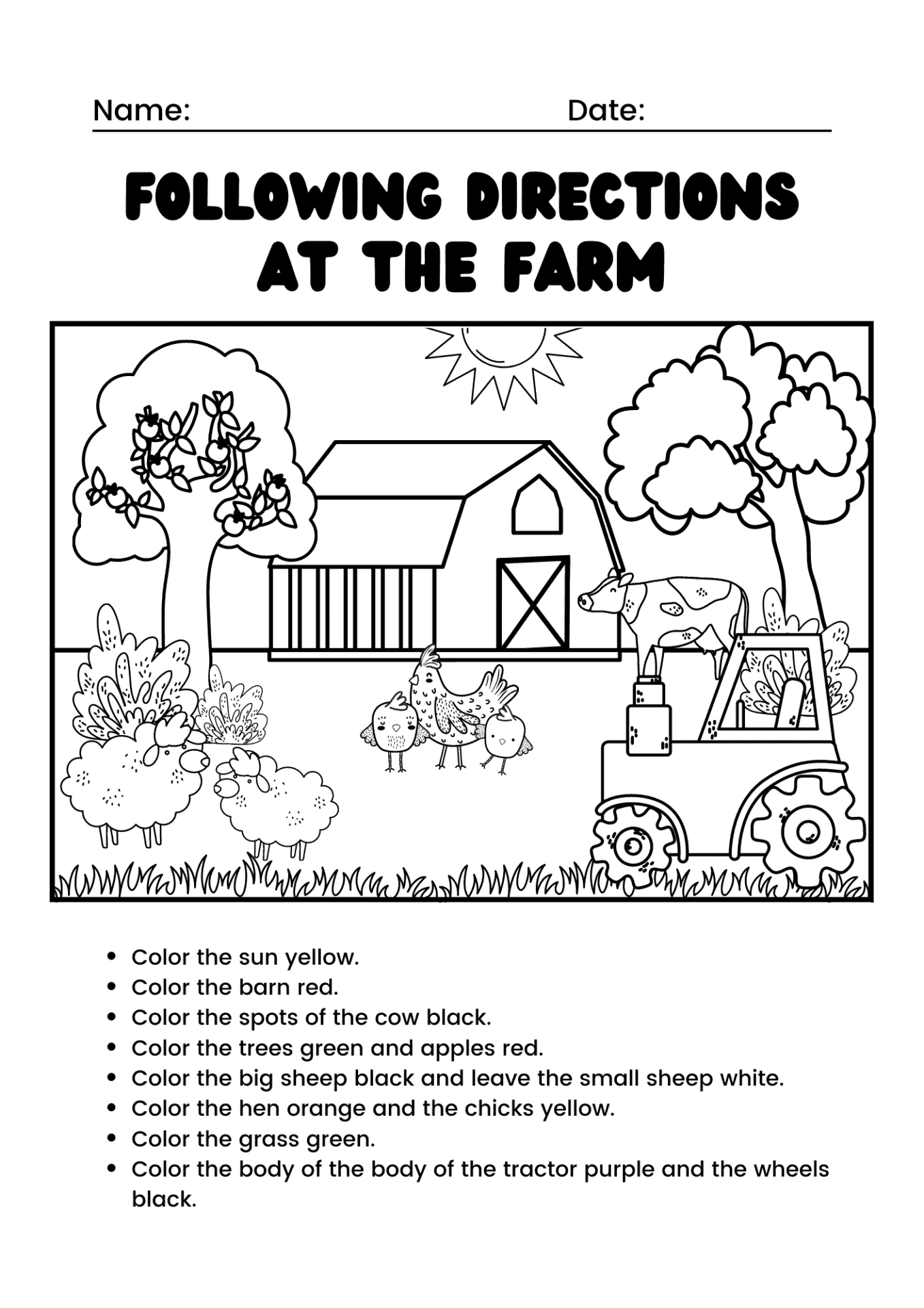
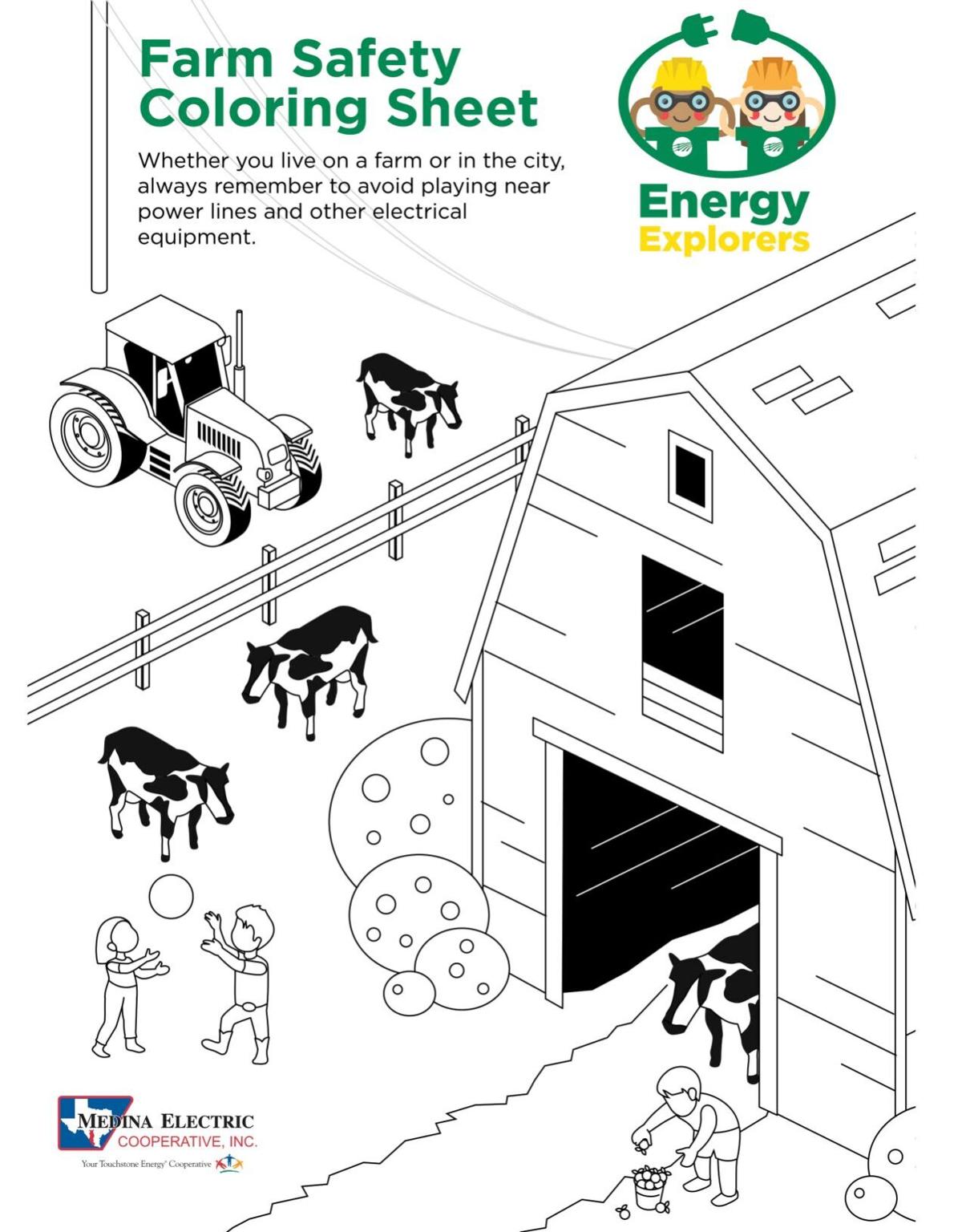
The thematic farm illustrations feature cheerful animals, barns, and tractors designed to mirror digital scenarios through gentle metaphors. While a child colors a barn door closing tightly, adults can discuss locking private accounts and keeping personal information behind secure barriers. Another page depicts a friendly farm dog watching over the flock, prompting discussions about trusted adults who can help when something online feels confusing or uncomfortable. According to the Pew Research Center, a vast majority of parents of young children report that their kids interact with digital devices regularly, making early foundational conversations vital. These pages do not magically protect a device from threats; instead, they serve as a supportive conversation starter for teaching children to think before sharing information or interacting with strangers online. Educators can easily integrate these creative exercises into broader units on Internet and Digital Safety without overwhelming young learners.
Key Learning Outcomes
Working through these creative prompts helps children identify core protective behaviors that translate directly into digital environments. Students learn the importance of keeping personal details private, such as full names, home addresses, and school names, much like keeping the farm gates safely closed. The activity encourages kids to recognize the value of strong passwords by comparing them to secret combinations only the farmer knows. Most importantly, the coloring session reinforces the fundamental rule that children are never in trouble for reporting something uncomfortable, whether it happens on a shared family tablet or an in-game chat. According to Common Sense Media, establishing open communication channels early significantly increases the likelihood that children will report distressing online encounters to a trusted adult.
How to Use This Printable
Classroom teachers and homeschool educators can incorporate the sheets into morning work, art centers, or social-emotional learning blocks. Parents find success using the printables at the kitchen table while discussing balanced screen time and device boundaries. Here’s what makes this resource different: it anchors abstract digital concepts to familiar physical imagery, allowing children to visualize boundaries. Adults can sit alongside learners, coloring their own pages while casually asking open-ended questions about favorite apps and online games. This approach transforms a quiet art activity into a dynamic dialogue, making children feel empowered rather than monitored or interrogated.
Practical Tips for Parents and Teachers
Maximizing the educational value of these sheets involves asking guiding questions while the crayons are moving. Instead of asking if they understand the rules, adults might ask what the farm dog would do if an unfamiliar visitor appeared at the gate. Displaying completed artwork on a refrigerator or classroom bulletin board serves as a visual reminder of healthy digital habits. Educators looking to expand these lessons often pair the art sessions with guided Worksheets designed to reinforce critical thinking skills. Consistency matters, so revisiting these themes periodically ensures that safety habits become second nature as children grow older and gain more digital independence.
Age-Appropriate Recommendations
Tailoring the conversation to the child’s developmental stage ensures the messaging remains helpful rather than frightening. For younger children ages five to eight, the focus stays entirely on basic concepts like asking a trusted adult before clicking links or downloading games. Children ages nine to twelve can explore more nuanced topics, such as evaluating digital footprints, recognizing persuasive advertising, and understanding the permanence of online sharing. Aligned with the International Society for Technology in Education (ISTE) Standards for Students, this resource helps learners cultivate a positive digital identity and understand their responsibilities as digital citizens. The emphasis remains firmly on building protective habits through positive reinforcement.
Children who engage in regular, open dialogue about digital habits with trusted adults demonstrate significantly higher resilience when encountering uncomfortable online situations. — Common Sense Media
Frequently Asked Questions
How do educators download and print these files for classroom use? The sheets are available as free PDF downloads that print easily on standard letter paper using any home or school printer. How does this resource support online safety learning? It uses familiar metaphors and creative coloring to help children grasp abstract concepts like privacy and reporting without feeling overwhelmed. According to the National Center for Missing & Exploited Children (NCMEC), why is early conversation important? Early, open discussions build trust, ensuring children know they can confide in adults without fear of punishment if they encounter something upsetting online.
Explore More Free Kids Online Safety Printables
Expanding a digital citizenship curriculum requires a diverse toolkit of engaging, age-appropriate resources. Educators and families can browse additional Coloring Pages that address various aspects of responsible device use and respectful online communication. Combining these creative activities with comprehensive lessons on Online and Digital Safety ensures a well-rounded approach to modern childhood education. Every conversation and creative session brings children one step closer to becoming confident, safe, and empowered digital citizens.
Key Specifications & Age-Group Overview
| Age / Grade Group | Target Skill Focus | Recommended Medium |
|---|---|---|
| Toddlers (Ages 2–4) | Hand-eye coordination & broad motor grasp | Jumbo crayons & washable finger paints |
| Early Elementary (Ages 5–7) | Line boundaries & fine pencil control | Standard colored pencils & fine-tip markers |
| Intermediate (Ages 8+) | Color blending, shading & artistic patience | Watercolor pencils, gel pens & dual-brush markers |
Images References