Introduction
Warm weather brings changes to daily routines, longer hours at home, and an increased reliance on digital devices for entertainment. Young children frequently encounter tablets, shared family computers, and gaming consoles during these unstructured months. Digital literacy begins long before independent device ownership, often starting on shared living room screens or through family video platforms. Establishing protective habits early builds a foundation for lifelong digital citizenship. Free printable summer safety coloring sheets for toddlers offer a gentle, creative entry point into these essential conversations without overwhelming young minds. Creative coloring reinforces safety messages through tactile engagement, transforming abstract concepts into tangible reminders. Furthermore, coloring together opens conversation naturally, allowing adults to introduce protective habits in a relaxed, pressure-free environment. Safety remains a skill to build step by step, never a threat to dread.
💡 Activity Key Takeaways:
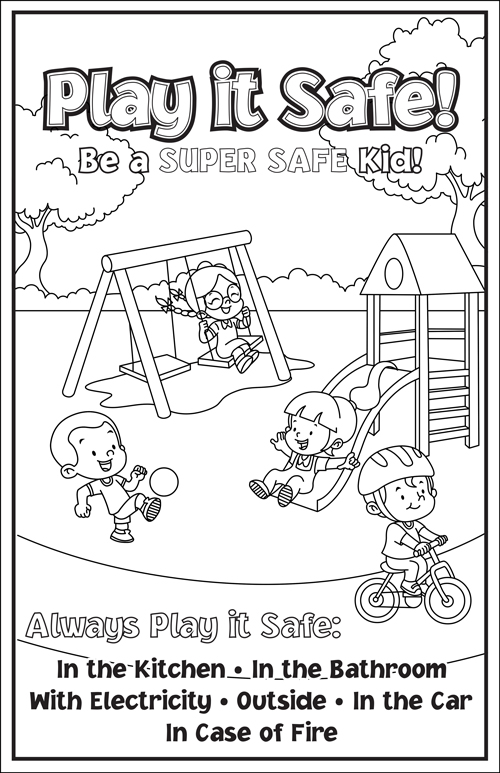
- Core Focus: Printable Summer Saftey Coloring Sheets For Toddlers designed for creative expression and fine-motor coordination.
- Target Scope: Ideal for toddlers, preschool, kindergarten, and classroom art activities.
- Best Recommendation: Use standard heavy printer paper (24–28 lb) or cardstock for vibrant results with crayons, colored pencils, or washable markers.
What This Printable Covers
Visual storytelling helps very young learners grasp digital boundaries long before they can read complex rules or understand privacy policies. The artwork focuses on friendly, relatable scenarios, such as asking a trusted adult before clicking a strange link or keeping personal details like home addresses completely private. It sounds simple, and that’s the point. Toddlers and preschoolers process information best through repetition and visual association. Each page highlights a specific protective habit, including choosing strong passwords, pausing before sharing photos, and recognizing when something on a screen feels uncomfortable. Children must always know they are never in trouble for reporting something confusing or upsetting they encounter online. Coloring these scenarios makes the abstract nature of the internet concrete, preparing children to navigate shared devices with confidence and caution.
Key Learning Outcomes
Targeted creative activities build specific cognitive pathways that strengthen retention and behavioral application. When children fill in the lines of a picture depicting a child asking a parent for help, muscle memory pairs with cognitive recognition. Here’s what makes this resource different: it relies on positive reinforcement rather than fear-based restrictions. Learners practice identifying trusted adults in their immediate circle, recognizing safe versus unsafe sharing behaviors, and understanding that devices can be turned off when feelings become overwhelming. According to the Federal Trade Commission, children increasingly encounter digital environments at younger ages, making early discussions about information privacy an essential pillar of modern parenting and education.
How to Use This Printable
Integrating these pages into a daily schedule requires minimal preparation and yields meaningful dialogue. Set out crayons, colored pencils, or markers during a quiet afternoon block. Invite children to describe what the characters on the page are doing, prompting open-ended questions about how they would handle similar situations on a tablet or television screen. Educators can incorporate these sheets into broader classroom lessons found within comprehensive Internet and Digital Safety modules. Caregivers do not need technical expertise to guide these sessions; the artwork serves as a natural conversation starter. Framing the activity around choices and help-seeking behaviors empowers young learners to view adults as partners in their digital experiences.
Practical Tips for Parents and Teachers
Maximizing the educational value of creative printables involves intentional pacing and supportive questioning. Avoid rushing through the activity; instead, let the child lead the discussion regarding the colors they choose and the stories behind the characters. Connect the coloring session to real-world device use by establishing clear physical boundaries, such as keeping tablets in common household areas where screens remain visible to adults. According to Common Sense Media, media and device use among very young children has risen steadily, highlighting the urgent need for structured guidance and shared digital engagement in homes and classrooms. Exploring additional Coloring Pages can further reinforce these foundational habits across different seasonal themes.
Age-Appropriate Recommendations
Developmental readiness dictates how digital citizenship concepts are introduced to children between the ages of five and twelve. Toddlers require simple, sensory-rich interactions focused on basic sharing rules and asking permission, aligning well with the CASEL framework for social-emotional learning by building self-awareness and responsible decision-making. Older elementary students transition toward discussions involving digital footprints, peer communication through in-game chat, and respectful online behavior. Educators can supplement these foundational lessons with structured Worksheets designed for older primary grade levels. Tailoring the conversation to the child’s exact developmental stage ensures the messaging remains empowering, practical, and entirely free of unnecessary anxiety.
Media and device use among very young children has risen steadily over recent years, highlighting the urgent need for structured guidance and shared digital engagement. — Common Sense Media
Frequently Asked Questions
Navigating digital citizenship resources is easier when common questions are answered directly and clearly. The following details address downloading procedures, learning objectives, and institutional standards for online safety education.
Explore More Free Kids Online Safety Printables
Expanding a child’s digital literacy toolkit involves exploring a diverse range of educational materials designed for home and school environments. Reviewing additional resources within the Online and Digital Safety directory provides continuous opportunities for meaningful conversations. Consistent reinforcement across multiple formats helps children internalize protective habits naturally and effectively.
Key Specifications & Age-Group Overview
| Age / Grade Group | Target Skill Focus | Recommended Medium |
|---|---|---|
| Toddlers (Ages 2–4) | Hand-eye coordination & broad motor grasp | Jumbo crayons & washable finger paints |
| Early Elementary (Ages 5–7) | Line boundaries & fine pencil control | Standard colored pencils & fine-tip markers |
| Intermediate (Ages 8+) | Color blending, shading & artistic patience | Watercolor pencils, gel pens & dual-brush markers |
Images References