Introduction
Online internet safety for teens encompasses the technical safeguards, behavioral protocols, and educational frameworks required to protect adolescents from digital threats in educational and personal environments. According to the Federal Trade Commission (FTC Consumer Advice), equipping adolescents with proactive digital literacy significantly minimizes vulnerabilities associated with identity theft, unwanted exposure, and online exploitation. School administrators, educators, parents, and middle school students must collaborate to establish rigorous boundaries, foster resilient digital footprints, and implement robust device hygiene across all connected hardware. Educational frameworks must prioritize structured instruction, ensuring students navigate virtual spaces with heightened situational awareness and technical competence.
Digital Safety Snapshot:
- Core Focus: Implementation of comprehensive online internet safety for teens across modern educational institutions.
- Target Scope: Middle school students, classroom educators, school administrators, and parent communities.
- Key Recommendation: Enforce proactive device hygiene and strict privacy configurations on all institutional endpoints.
Core Principles and Detailed Overview
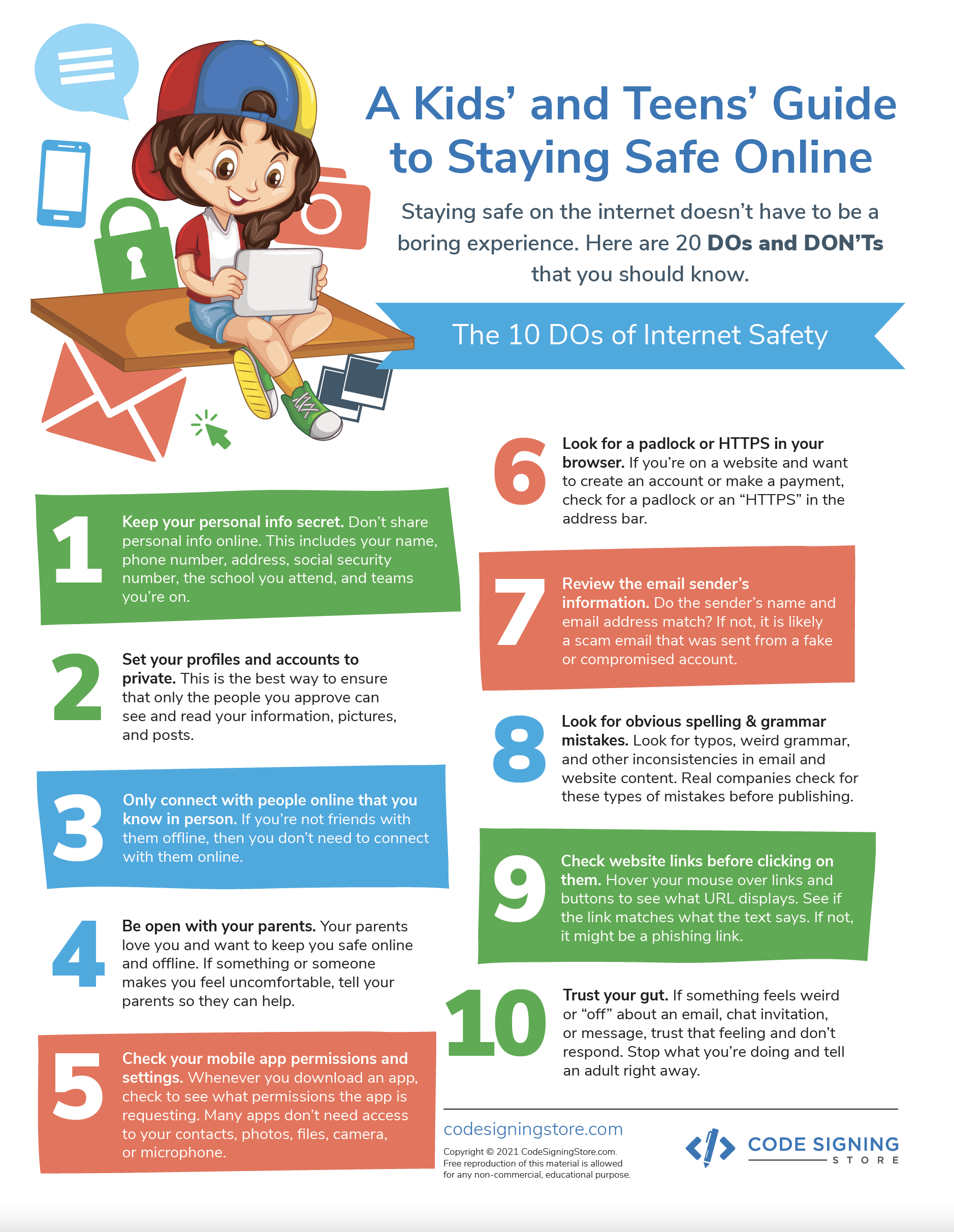
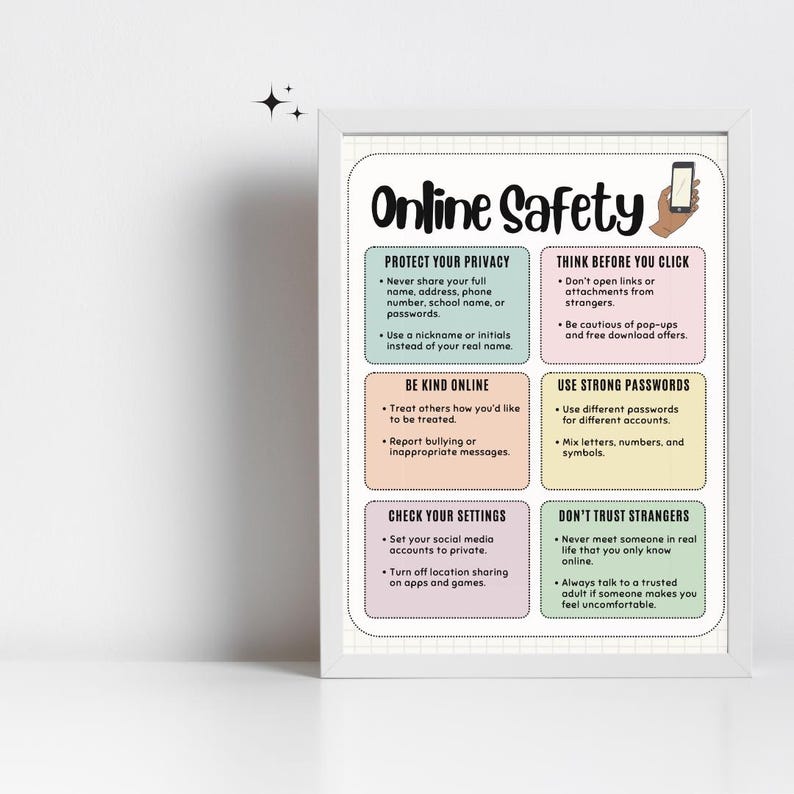
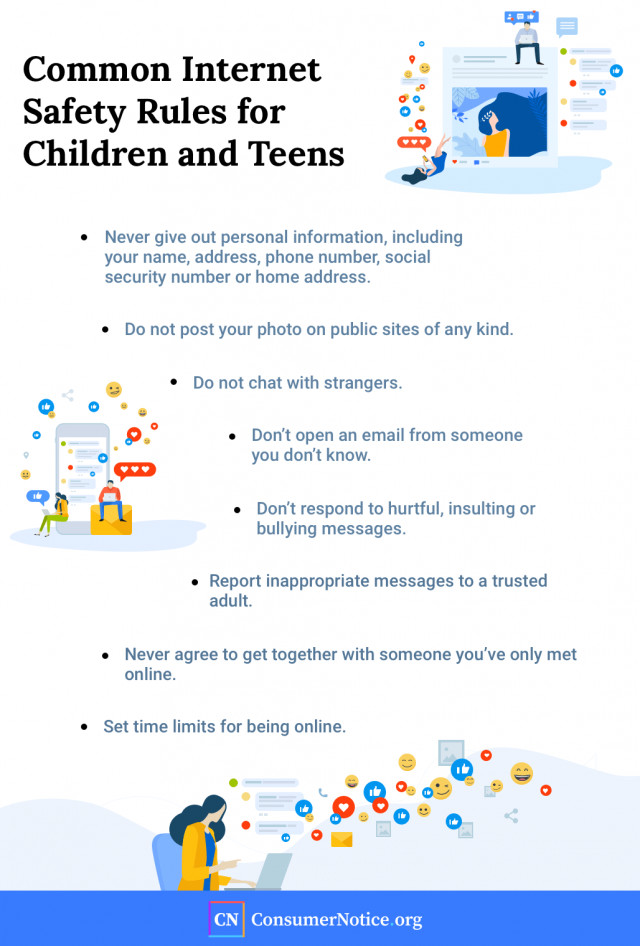
Digital citizenship and student safety form the twin pillars of effective online internet safety for teens within modern scholastic infrastructure. Managing a student digital footprint requires permanent vigilance, as transient online actions frequently carry long-term academic, professional, and personal consequences. Cyberbullying prevention relies heavily on early detection, mandatory reporting channels, and fostering empathetic online discourse among peers. Furthermore, device hygiene—including regular software updates, secure password management, and conscientious application permission audits—ensures hardware remains impenetrable to malware and unauthorized data extraction. Educational institutions balance classroom screen time by integrating intentional offline intervals, preventing digital fatigue while maintaining optimal academic engagement. For more related activities, check out our Online Cyber Safety For Kids.
Key Specifications and Breakdown
| Safety Pillar | Digital Risk Factor | Actionable Protective Habit |
|---|---|---|
| Digital Footprint | Permanent archiving of careless posts | Audit privacy settings and restrict social visibility |
| Cyberbullying Prevention | Anonymous harassment and peer exclusion | Utilize reporting tools and preserve evidentiary screenshots |
| Device Hygiene | Outdated firmware and weak passwords | Enable multi-factor authentication and automatic updates |
Proactive digital citizenship education significantly reduces online risks by teaching adolescents to evaluate source credibility, manage privacy boundaries, and recognize sophisticated social engineering tactics. — Cybersecurity & Infrastructure Security Agency (CISA)
Step-by-Step Practical Application and Guidelines
Executing a sustainable safety model for adolescents demands systematic integration across administrative policies and daily classroom routines. Educators should direct students toward verified Internet and Digital Safety modules to reinforce fundamental cyber hygiene principles. Schools must mandate the use of unique, complex passphrases across all learning management systems while prohibiting credential sharing among peers. Regular audits of browser extensions and app permissions prevent unauthorized tracking during academic research. Finally, pairing these technical measures with structured resources from Online and Digital Safety ensures students receive consistent reinforcement regarding responsible network utilization.
Common Challenges and How to Avoid Them
Overconfidence in technical literacy remains a primary barrier to maintaining effective online internet safety for teens, frequently leading adolescents to bypass security protocols or trust unverified digital links. Educators and parents often struggle with balancing monitoring needs and student privacy rights, which can drive risky online behaviors underground. To counteract these tendencies, schools must implement transparent monitoring solutions accompanied by explicit instruction on why specific restrictions exist. Establishing open communication channels between students and trusted adults ensures that accidental exposure to inappropriate content or cyber threats is reported immediately without fear of punitive measures.
💬 Frequently Asked Questions
Explore More Kids Safety and Digital Citizenship Guides on SafeWiredSchools
Empowering the next generation with robust digital citizenship requires continuous access to authoritative educational materials, comprehensive instructional modules, and expert guidance. Stakeholders seeking further resources can explore the full catalog of safety guides, interactive Worksheets, and creative learning assets available directly through Safe Wired Schools.
Visual Reference Gallery