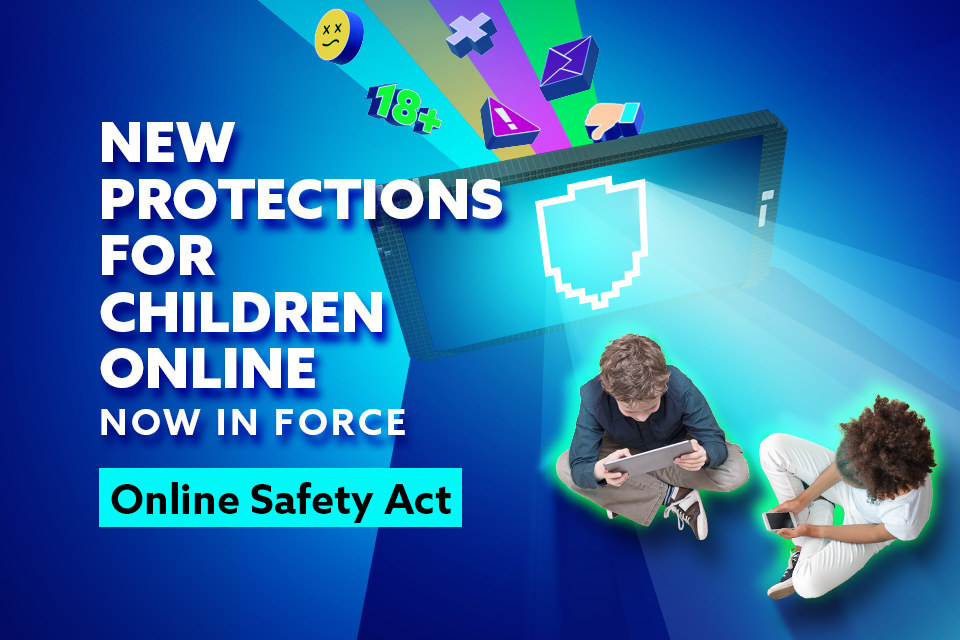
Introduction
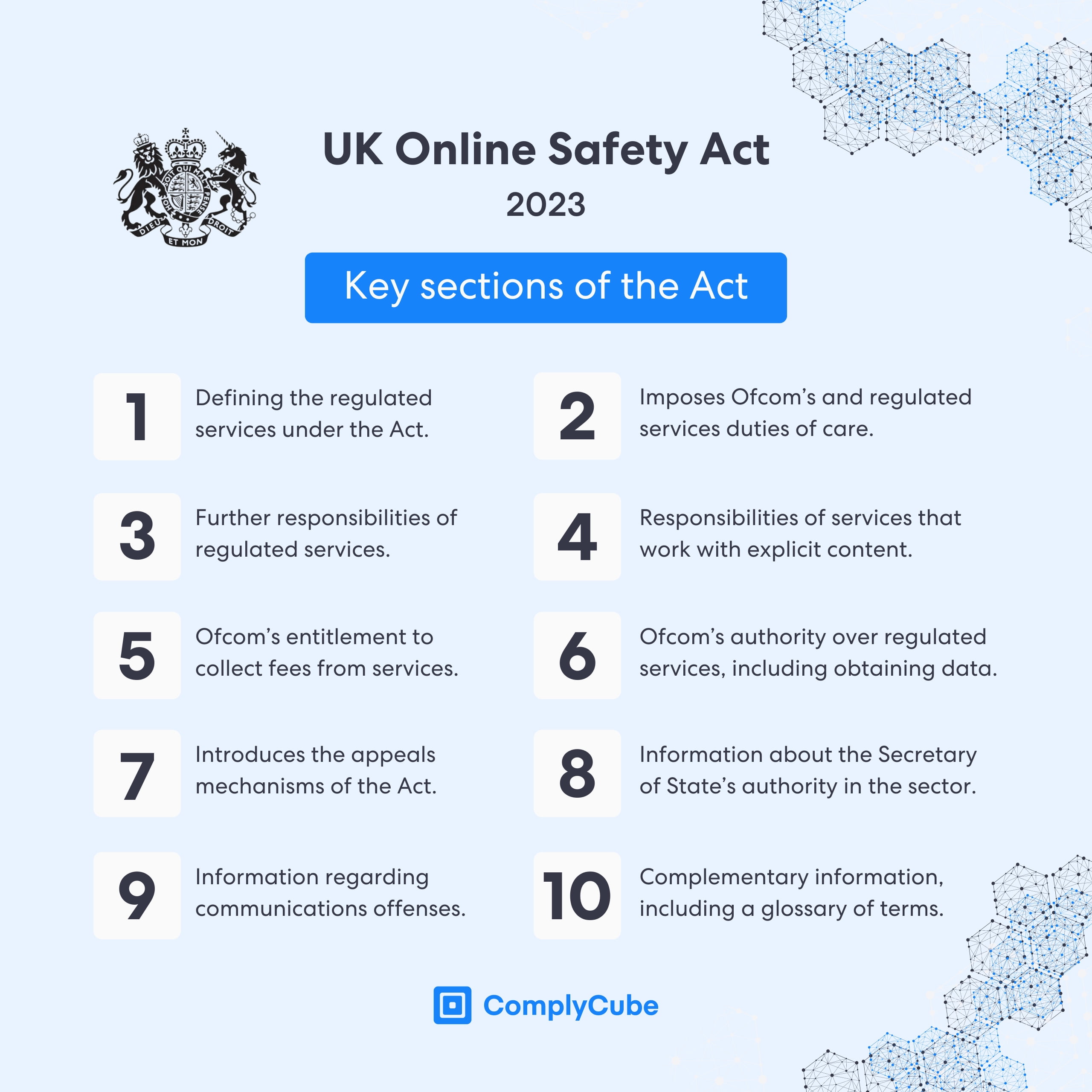
The online digital safety act framework establishes mandatory legal standards and protective boundaries to safeguard children, educators, and educational institutions from digital harms. According to the Family Online Safety Institute (FOSI), proactive parental controls and institutional digital safety legislation significantly reduce minor exposure to harmful online content and cyber threats. This guide breaks down the core tenets of legislative safety mandates, offering practical implementation strategies for school networks, teachers, parents, and middle school students. Emphasizing robust device hygiene, structured classroom screen balance, and proactive digital footprint management ensures that academic technology remains both secure and enriching.
Digital Safety Snapshot:
- Core Focus: Legislative and practical compliance with the online digital safety act in educational environments.
- Target Scope: Middle school students, teachers, administrators, and parents navigating modern school networks.
- Key Recommendation: Enforce proactive device hygiene and strict privacy boundaries across all educational devices.
Core Principles and Detailed Overview
Compliance with the online digital safety act requires a multi-layered approach to school internet safety, student privacy, and behavioral guidelines. Educational institutions must adopt strict content filtering, robust encryption standards, and clear protocols for documenting and remediating cyberbullying incidents. Middle school students navigate critical developmental phases where establishing a healthy digital footprint dictates future academic and professional opportunities. By integrating structured classroom screen balance frameworks, educators prevent digital fatigue while maximizing the instructional value of connected learning environments.
Key Specifications and Breakdown
| Safety Pillar | Digital Risk Factor | Actionable Protective Habit |
|---|---|---|
| School Internet Safety | Unfiltered network access and malicious malware vectors | Enforce enterprise-grade web filters and secure HTTPS protocols |
| Cyberbullying Prevention | Anonymous harassment, digital exclusion, and peer intimidation | Implement anonymous reporting portals and mandatory digital citizenship Worksheets |
| Device Hygiene | Outdated firmware, exposed credentials, and tracking cookies | Schedule weekly operating system patches and enforce passkey rotations |
Comprehensive risk mitigation requires continuous network monitoring, strict student data privacy policies, and verified age-appropriate content categorization across all institutional endpoints. — Cybersecurity & Infrastructure Security Agency (CISA)
Step-by-Step Practical Application and Guidelines
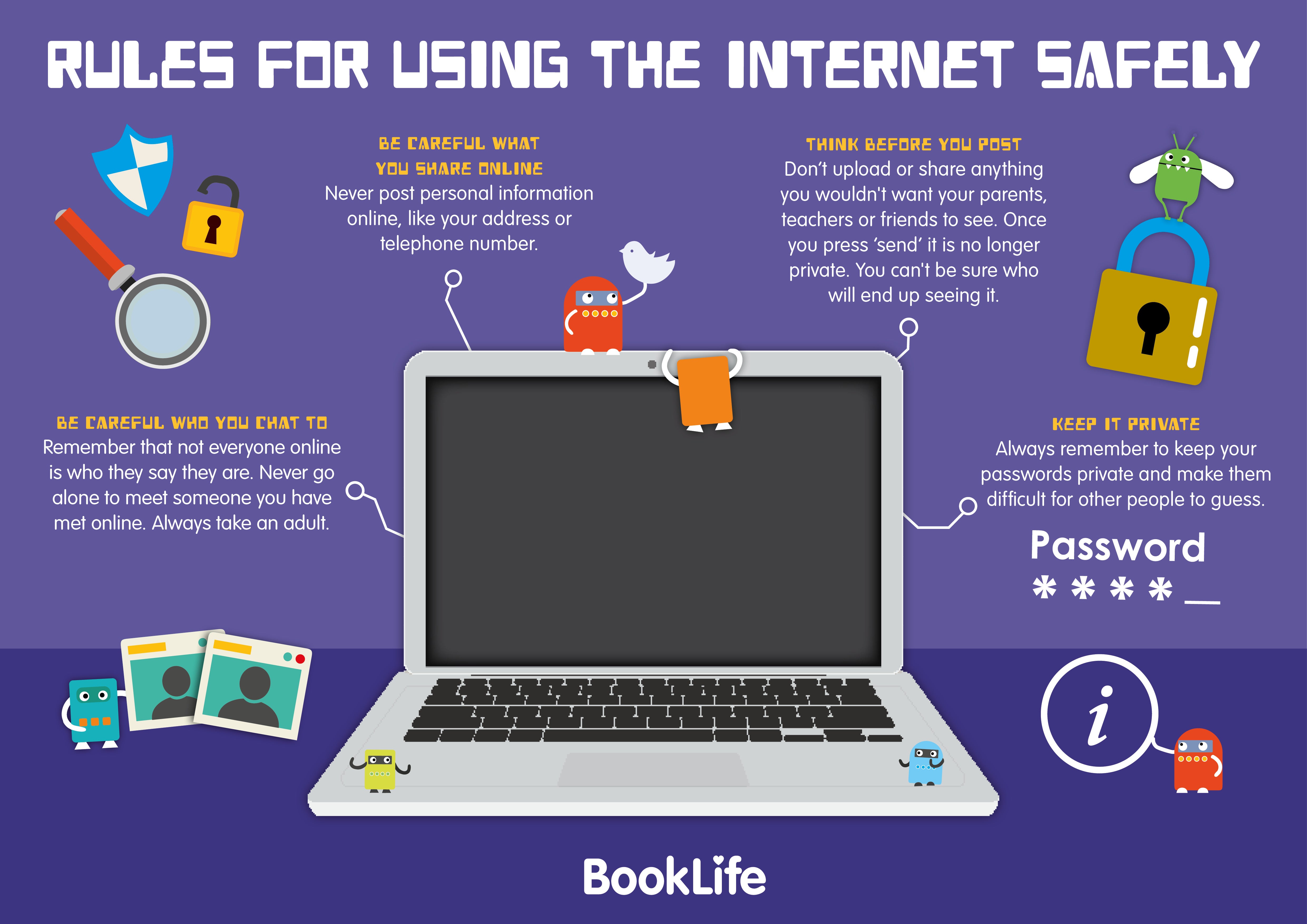
Executing an effective safety protocol under the online digital safety act begins with auditing existing school network configurations and classroom device usage policies. Administrators must establish transparent reporting channels for cyberbullying while providing teachers with engaging Internet and Digital Safety curricula. Parents reinforce these lessons at home by monitoring evening screen time and discussing the permanence of student posts. Regular audits of device hygiene—such as clearing browser caches, updating security certificates, and reviewing app permissions—prevent unauthorized data collection and maintain device integrity.
Common Challenges and How to Avoid Them
Over-reliance on automated filters often creates false positives that hinder educational tasks while failing to catch sophisticated peer-to-peer cyberbullying. Educators and parents prevent these blind spots by combining technological blocks with open dialogue and interactive Online and Digital Safety discussions that teach students how to identify manipulation. Furthermore, unmanaged screen fatigue compromises student focus; establishing clear offline breaks throughout the school day resolves balance issues without sacrificing digital literacy goals.
💬 Frequently Asked Questions
Explore More Kids Safety and Digital Citizenship Guides on SafeWiredSchools
Navigating legislative mandates and protecting students in modern digital environments requires continuous education and accessible resources. Explore comprehensive tools, expert-led tutorials, and downloadable classroom resources directly through the main Safe Wired Schools network library to build a resilient, secure digital culture for every learner.
Visual Reference Gallery