Introduction
Online privacy and digital safety encompass the technical and behavioral practices required to protect personal information, maintain a positive digital footprint, and ensure secure interactions within educational and social environments. According to the Cybersecurity and Infrastructure Security Agency (CISA), effective cybersecurity requires individuals to recognize that all information shared online can become permanent, necessitating proactive management of privacy settings and digital interactions. This framework serves as the foundation for modern educational environments, bridging the gap between technological access and responsible usage.
Digital Safety Snapshot:
- Core Focus: Safeguarding personal data and fostering responsible digital citizenship in academic environments.
- Target Scope: Middle school students, educators, and school administrators managing campus technology.
- Key Recommendation: Implement the principle of data minimization by sharing only the minimum information necessary for any digital task.
Core Principles and Detailed Overview
Digital safety relies on the consistent application of device hygiene, privacy configuration, and awareness of the long-term implications of a student’s digital footprint. A digital footprint constitutes the totality of information created, posted, or shared by an individual online, which remains accessible to future educational institutions and employers. Maintaining a clean footprint requires students to evaluate the potential permanence of comments, photos, and personal details before submission. Classroom screen balance serves as a secondary pillar, ensuring that digital engagement does not supersede critical thinking or interpersonal development. Administrators and teachers must prioritize Internet and Digital Safety to create a secure, focused learning environment that minimizes distractions and unauthorized data exposure.
Key Specifications and Breakdown
| Safety Pillar | Digital Risk Factor | Actionable Protective Habit |
|---|---|---|
| Data Privacy | Identity exposure | Use pseudonyms instead of full names |
| Cyberbullying | Social harassment | Document and report malicious activity |
| Device Hygiene | Malware transmission | Update software and enable 2FA |
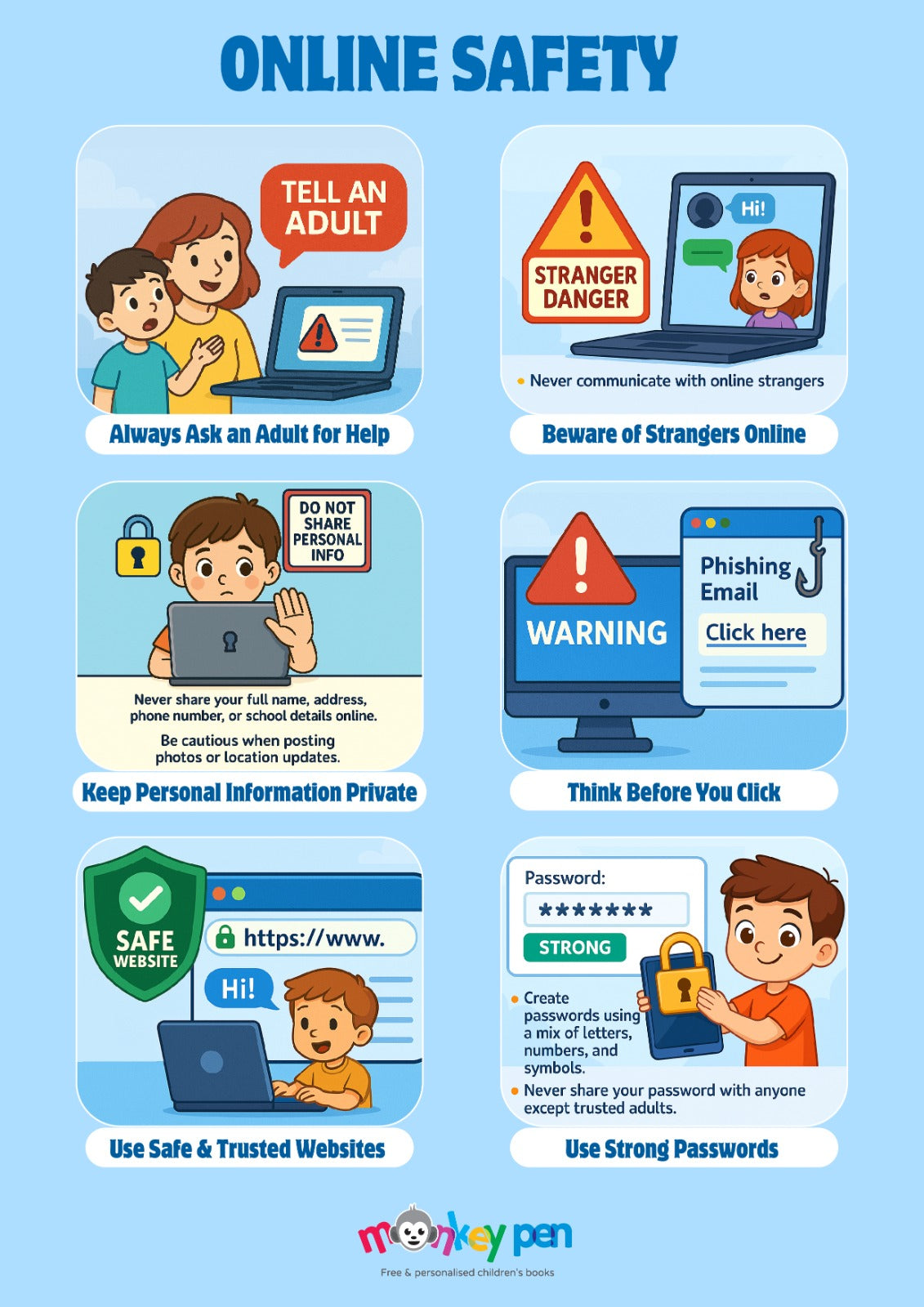
The principle of “Think Before You Click” remains the primary defense against phishing and unauthorized data disclosure in educational settings. — Cybersecurity & Infrastructure Security Agency (CISA)
Step-by-Step Practical Application and Guidelines
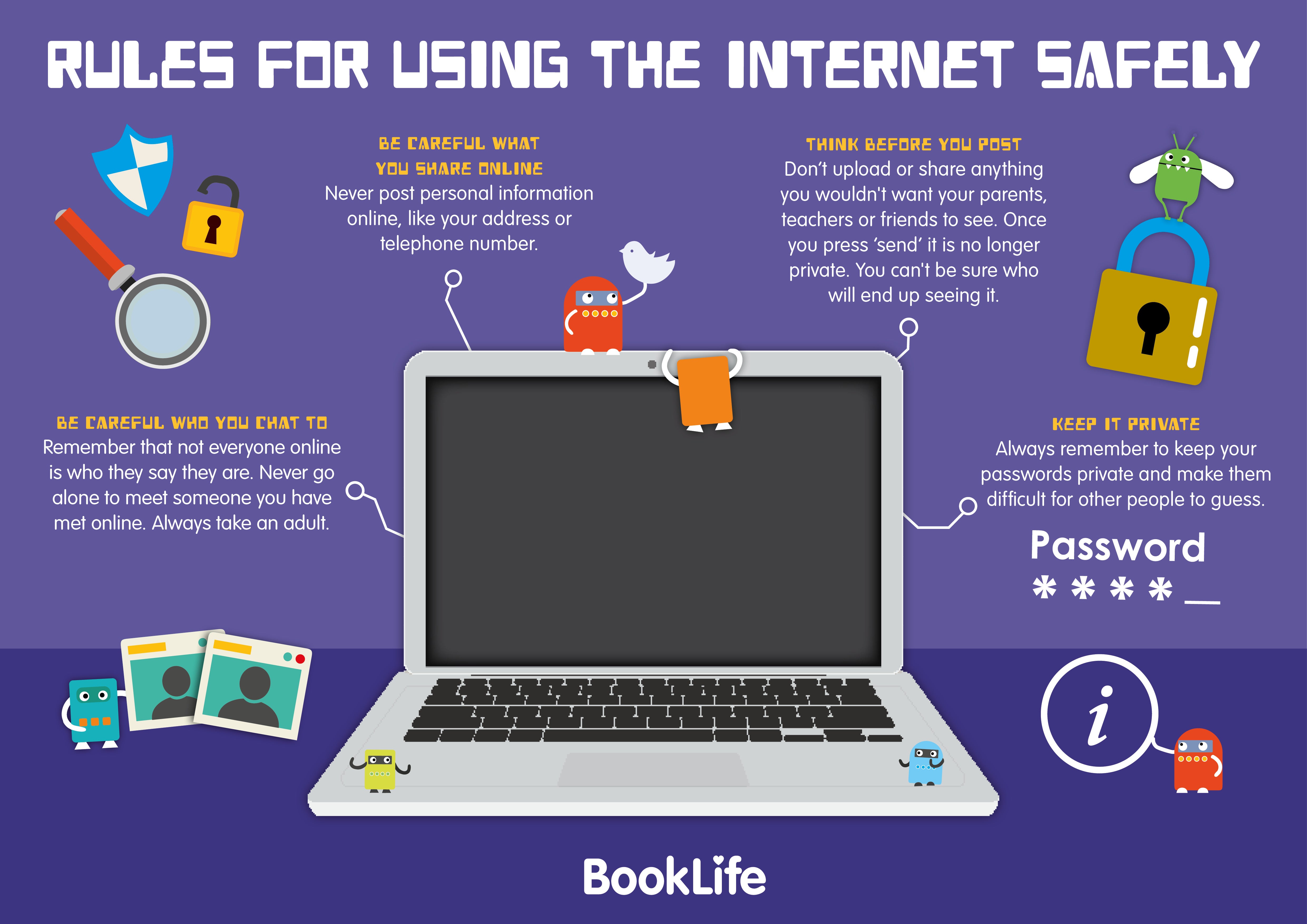
Practical application of digital safety begins with the mandatory configuration of privacy settings on every device and application utilized for schoolwork. First, disable location services on all non-essential applications to prevent unauthorized data tracking. Second, establish a routine of deleting temporary files and clearing browser caches to maintain device integrity. Third, utilize strong, unique passwords for every academic account, managed through secure, school-approved practices. Educational leaders should supplement these technical steps by providing students with Worksheets designed to test knowledge of privacy policies and social media etiquette, thereby reinforcing theoretical safety concepts with tangible, repetitive exercises.
Common Challenges and How to Avoid Them
Common challenges in digital safety often stem from the normalization of oversharing and the neglect of software update cycles. Students frequently underestimate the reach of their digital communications, leading to unintentional disclosure of sensitive personal data or participation in cyberbullying incidents. To mitigate these risks, schools must enforce strict acceptable use policies that define consequences for digital misconduct while simultaneously offering resources to support victims of online harassment. Consistent monitoring of Online and Digital Safety protocols ensures that devices remain tools for education rather than vectors for personal or institutional vulnerability.
💬 Frequently Asked Questions
Explore More Kids Safety and Digital Citizenship Guides on SafeWiredSchools
The pursuit of a secure digital future requires ongoing education and the consistent application of safety principles across all age groups. Educators and parents can access additional resources, such as Coloring Pages for younger students or advanced curriculum guides, by visiting the comprehensive library at Safe Wired Schools.
Visual Reference Gallery