Introduction
Internet safety and digital responsibility encompass the protective practices, ethical guidelines, and informed habits required to navigate online environments securely and respectfully. According to the Family Online Safety Institute (FOSI), equipping students with proactive digital citizenship skills significantly reduces online risks while fostering positive offline and online behaviors. Educational institutions, instructors, and parents share the responsibility of guiding middle school students through proper school network utilization, permanent digital footprint management, and respectful digital interactions. Establishing firm boundaries protects young learners from malware threats, identity exposure, and peer exploitation while fostering a productive, distraction-free learning climate. Comprehensive frameworks detailed within Internet and Digital Safety modules provide educators with structured resources to reinforce these vital concepts daily.
Digital Safety Snapshot:
- Core Focus: Mastering school network security, personal footprint curation, and cyberbullying prevention.
- Target Scope: Middle school students, classroom teachers, school administrators, and parents.
- Key Recommendation: Enforce proactive device hygiene and continuous digital citizenship instruction across all educational settings.
Core Principles and Detailed Overview
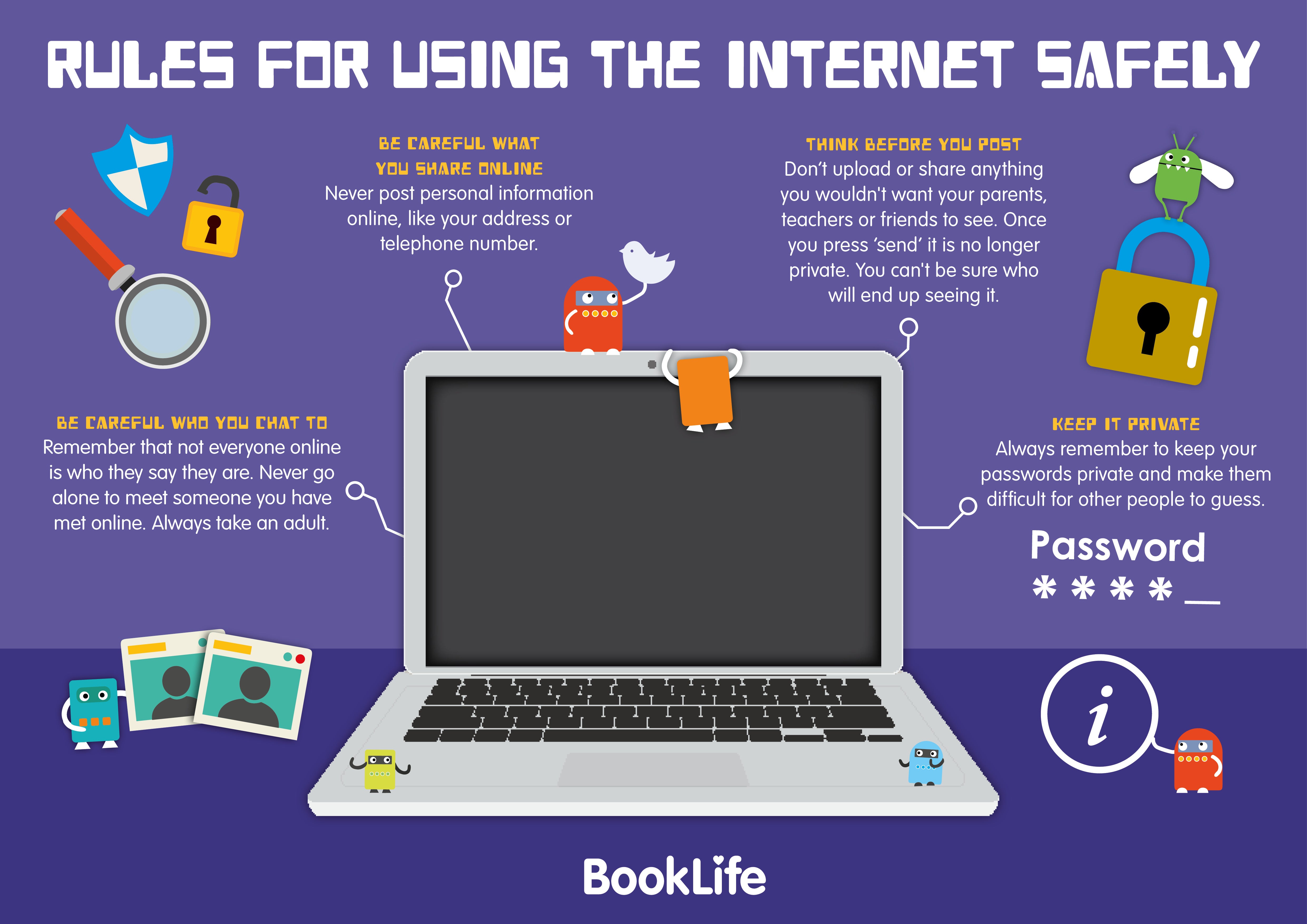
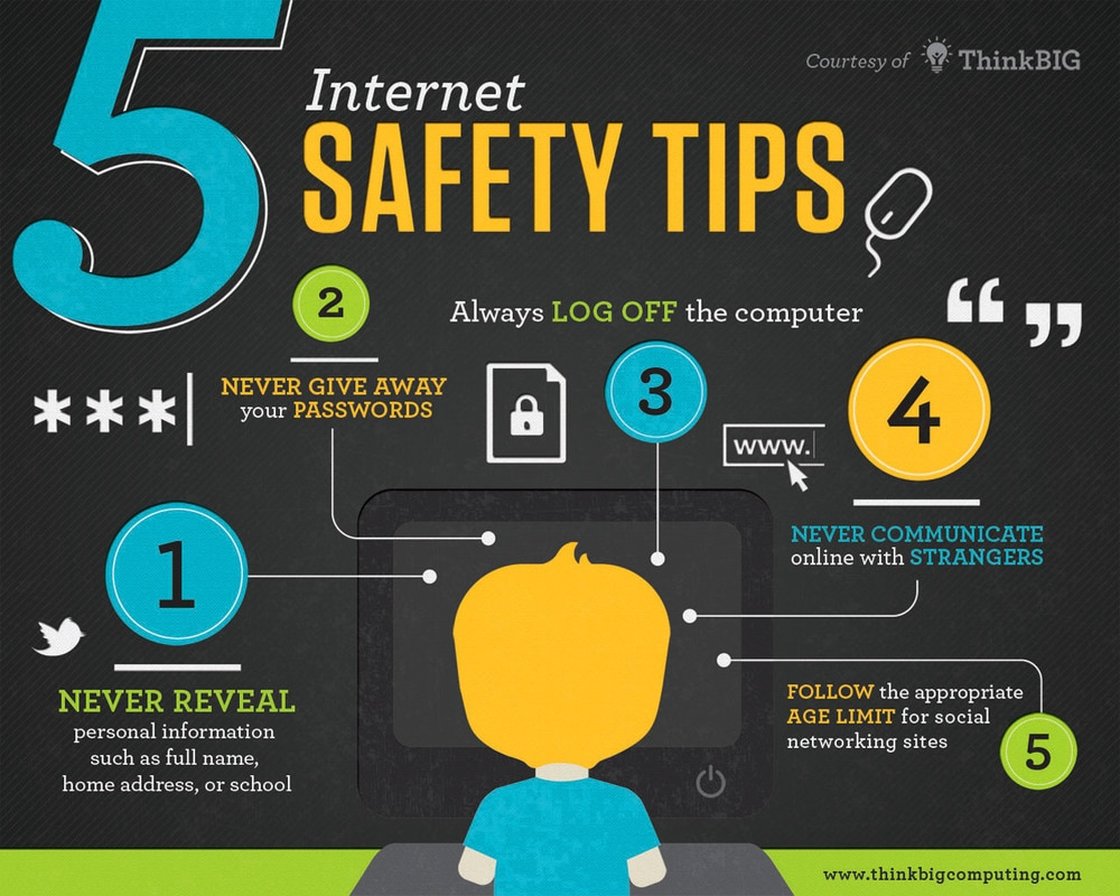
School internet safety requires a multi-layered approach combining technical content filtering with robust student digital literacy instruction. Digital footprints consist of every piece of data, photograph, chat message, and forum comment left behind on public or school-issued networks, creating a permanent record that colleges and future employers frequently review. Cyberbullying prevention relies on immediate administrative intervention, transparent reporting channels, and school-wide campaigns that promote empathy and accountability online. Maintaining device hygiene involves regular software updates, secure password management, and strict prohibition against sharing login credentials with peers. Furthermore, managing classroom screen balance ensures students transition effectively between digital research tools and analog collaborative learning, preventing cognitive fatigue and compulsive device usage.
Key Specifications and Breakdown
| Safety Pillar | Digital Risk Factor | Actionable Protective Habit |
|---|---|---|
| Digital Footprint | Permanent storage of inappropriate social posts | Audit privacy settings and restrict public personal sharing. |
| Cyberbullying | Anonymous harassment via school chat applications | Report harmful messages immediately and save digital evidence. |
| Device Hygiene | Compromised credentials and malware infection | Update passwords routinely and log out of shared terminals. |
Digital citizenship and cybersecurity education must be treated as essential life skills, requiring collaborative reinforcement between educators, parents, and administrative leadership. — Cybersecurity & Infrastructure Security Agency (CISA)
Step-by-Step Practical Application and Guidelines
Implementing effective digital citizenship programs begins with establishing clear usage agreements for all school-issued hardware. Administrators should deploy content filters that block malicious domains while permitting necessary educational tools. Teachers must integrate lessons addressing digital permanence before assigning open web research projects. Parents reinforce these lessons at home by establishing technology-free zones during evening hours and maintaining open dialogues regarding online interactions. When utilizing instructional materials, educators can incorporate printable resources available through Online and Digital Safety to engage students in interactive safety exercises. Regular device audits ensure that tracking software and antivirus definitions remain fully updated across all school laboratories.
Common Challenges and How to Avoid Them
Overreliance on passive content filtering remains a primary pitfall for schools attempting to manage student web access without teaching critical evaluation skills. Students frequently bypass filters using unauthorized proxy services or virtual private networks unless educators actively monitor physical classroom displays and network logs. Another major challenge is the reluctance of students to report cyberbullying due to fear of losing device privileges. To prevent this, schools must establish confidential reporting systems that protect victims and witnesses. Educators should also address screen fatigue by scheduling regular analog breaks, ensuring students maintain healthy cognitive focus throughout the academic day.
💬 Frequently Asked Questions
Explore More Kids Safety and Digital Citizenship Guides on SafeWiredSchools
Safeguarding young digital learners requires ongoing education, institutional consistency, and reliable instructional resources. Educators, parents, and administrators can access an extensive library of evidence-based safety guides, lesson plans, and interactive materials by visiting Safe Wired Schools. Embracing these comprehensive practices ensures that students build resilient digital citizenship habits that last a lifetime.
Visual Reference Gallery