Introduction
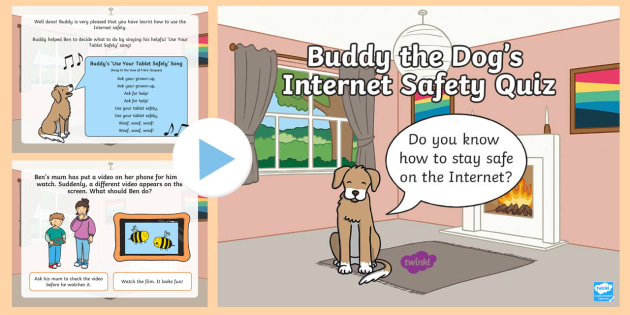
Navigating the digital landscape with young children often feels like teaching them to swim while standing on the edge of a vast, uncharted ocean. Kids encounter screens remarkably early, frequently exploring shared household tablets or hopping onto video platforms long before they enter middle school. A unique connection emerges when blending comforting animal themes with crucial digital literacy lessons, as seen in the free printable best internet safety rules for kids best dog anxiety. It sounds simple, and that’s the point. Young learners process complex concepts much easier when paired with gentle, familiar imagery. This coloring page resource reinforces vital safety messages while naturally opening up low-pressure conversations between children and trusted adults, serving as a welcoming entry point into the broader collection of creative downloads for classrooms and homes.
💡 Educational Key Takeaways:
- Core Skill: Structured Best Internet Safety Rules For Kids Best Dog Anxiety focused on developing pencil grip, stroke control, and early literacy/math confidence.
- Target Scope: Suited for homeschoolers, preschool, kindergarten, and elementary learners.
- Best Recommendation: Practice 10–15 minutes daily with ergonomic writing tools to reinforce muscle memory without hand fatigue.
What This Printable Covers
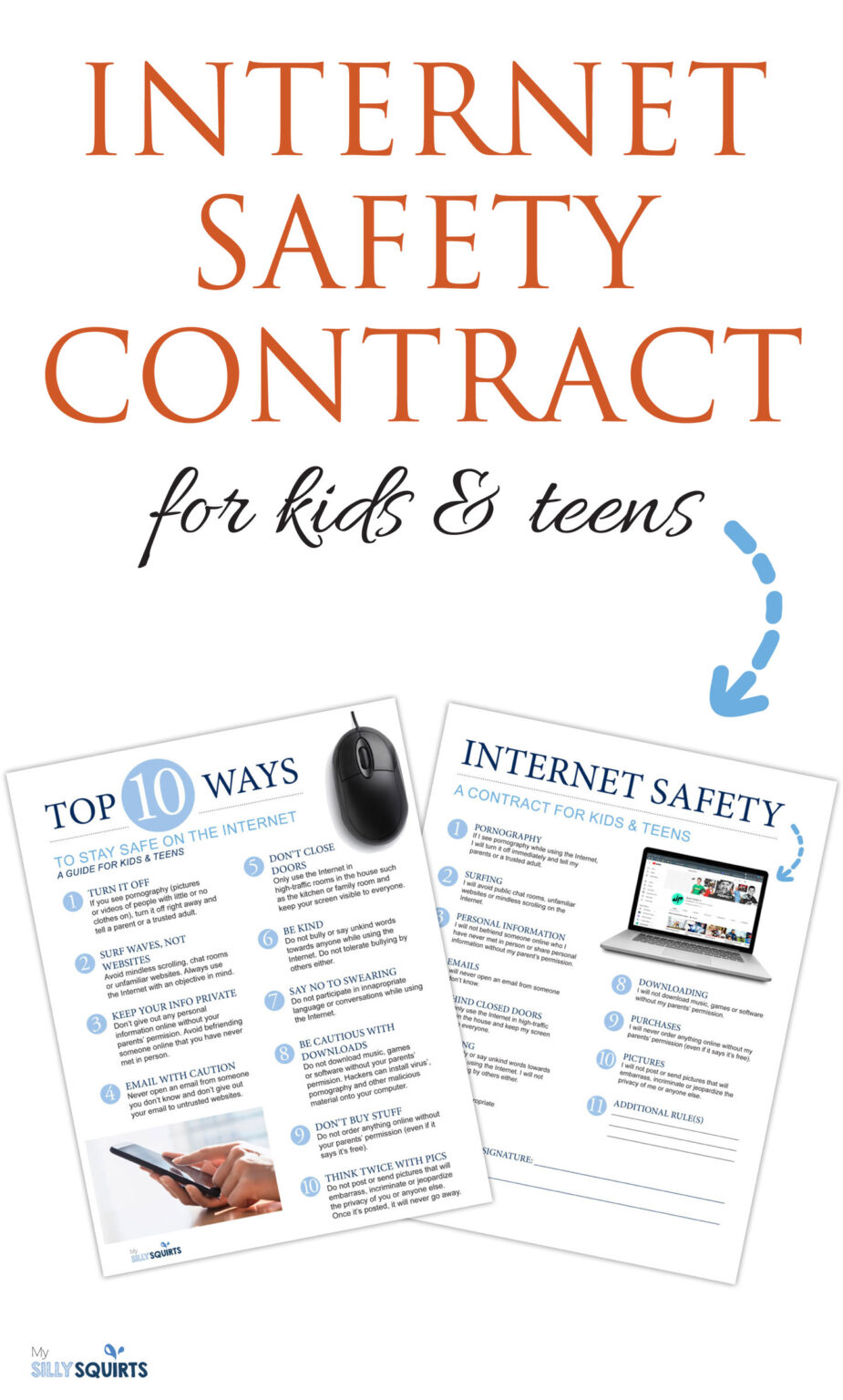
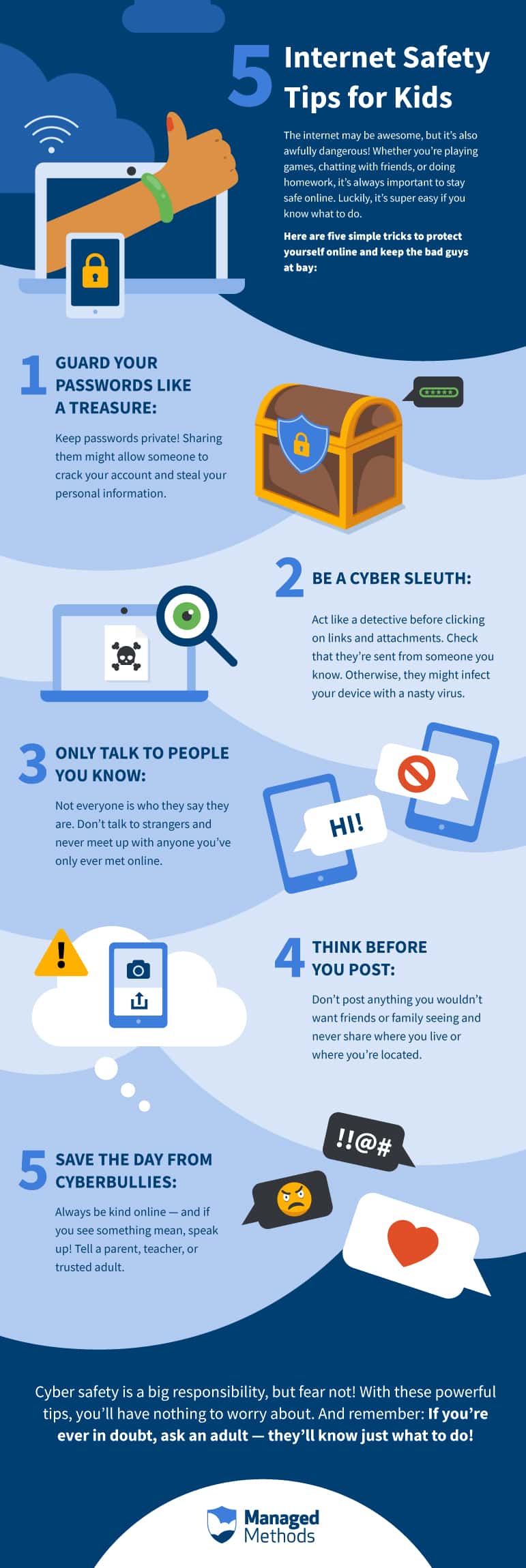
Children regularly meet online risks not through shady hidden corners of the web, but through everyday in-game chat windows and shared family devices where boundaries blur quickly. The printable focuses on foundational protective habits that keep experiences positive and secure. Key concepts include keeping personal information completely private, choosing strong passwords, pausing to think before sharing, and understanding that reporting anything uncomfortable never leads to trouble. By associating these rules with the calming concept of soothing a nervous pet, the material removes fear and replaces it with proactive care. Instead of lecturing about potential dangers, the activity encourages kids to become protective guardians of their own digital well-being. Related guide: Teachers Of Grades 9–12 Should Expand Internet Safety Instruction To Include Which Of The Following Topics?.
Key Learning Outcomes
Working through this creative exercise helps children internalize specific digital citizenship skills that transfer directly to real-world device use. Students learn to recognize gut feelings of discomfort when something on a screen feels wrong, reinforcing the instinct to step away and find an adult. According to Common Sense Media, children benefit immensely from structured dialogue that translates abstract digital rules into concrete, memorable daily habits. Learners also practice identifying what constitutes private information, such as home addresses and full names, ensuring they understand what stays offline. These concepts align with foundational strategies found across reliable educational safety guides designed for elementary learners.
How to Use This Printable
Classrooms, homeschool spaces, and counseling offices thrive on activities that spark organic dialogue without inducing anxiety. Handing a child crayons and a themed sheet instantly lowers defenses, creating a quiet space where tough conversations flow naturally. Educators can introduce the activity during morning meetings, prompting students to discuss how they keep themselves safe online just like a pet handler keeps an animal calm and secure. It sounds simple, and that’s the point. Coloring acts as a physical anchor, allowing wandering attention spans to settle while core safety messages take root in the mind. The goal remains building resilient habits, not relying on a single sheet of paper to guarantee total protection.
Practical Tips for Parents and Teachers
Guiding children through digital citizenship requires patience, active listening, and consistency across environments. Adults should avoid hovering or turning the coloring session into a rigid quiz, opting instead to ask open-ended questions about what the animal character is doing to stay safe. Emphasize that children are never in trouble for reporting an awkward pop-up, a mean message in a game, or accidental clicks. Establishing this unconditional trust ensures that if something does go wrong later, the child feels safe speaking up immediately. Educators looking to expand these lessons often explore dedicated instructional activity sheets to reinforce digital boundaries throughout the academic year.
Age-Appropriate Recommendations
Tailoring digital safety conversations to a child’s developmental stage prevents overwhelm and ensures comprehension. For younger elementary students aged five to eight, the focus stays on basic device rules, such as asking permission before downloading apps and keeping screens in common family areas. Older children aged nine to twelve transition into discussions about respectful digital communication, recognizing online manipulation, and managing screen time responsibly. This developmental progression integrates smoothly with the Common Sense Education Digital Citizenship Curriculum framework, which emphasizes empathy, security, and critical thinking at every grade level. Keeping expectations developmentally appropriate ensures children view technology as a tool for learning and creativity rather than a source of stress.
Children frequently encounter online risks in familiar spaces like shared family tablets and multiplayer game chats, making early habit-building essential for safe digital navigation. — Pew Research Center
Frequently Asked Questions
What is the best way to access and print this safety resource? How does a coloring activity actually teach online safety? What does the National Center for Missing & Exploited Children recommend for talking to kids about internet safety? Clear, direct answers help parents and educators implement these tools effectively. The following section addresses common inquiries to support seamless integration into homes and classrooms.
Open communication between children and trusted adults remains one of the most effective protective factors against online exploitation and distress. — National Center for Missing & Exploited Children
Explore More Free Kids Online Safety Printables
Expanding a digital citizenship toolkit requires a variety of engaging formats that appeal to different learning styles. Adults can complement coloring activities with targeted lessons focusing on password strength, cyber kindness, and media literacy. Every conversation builds a stronger foundation of trust and awareness, helping kids navigate the digital world with confidence and poise. Discover additional resources by browsing the comprehensive library of online safety printables crafted specifically for growing minds.
Developmental Milestone & Activity Table
| Development Stage | Recommended Daily Duration | Primary Learning Objective |
|---|---|---|
| Preschool & Pre-K | 10 – 15 Minutes | Pencil grip development & basic pre-stroke lines |
| Kindergarten | 15 – 20 Minutes | Letter/number formation & spatial line awareness |
| Early Elementary (Grade 1–2) | 20 – 30 Minutes | Fluency, sentence construction & neatness |
Images References