Introduction
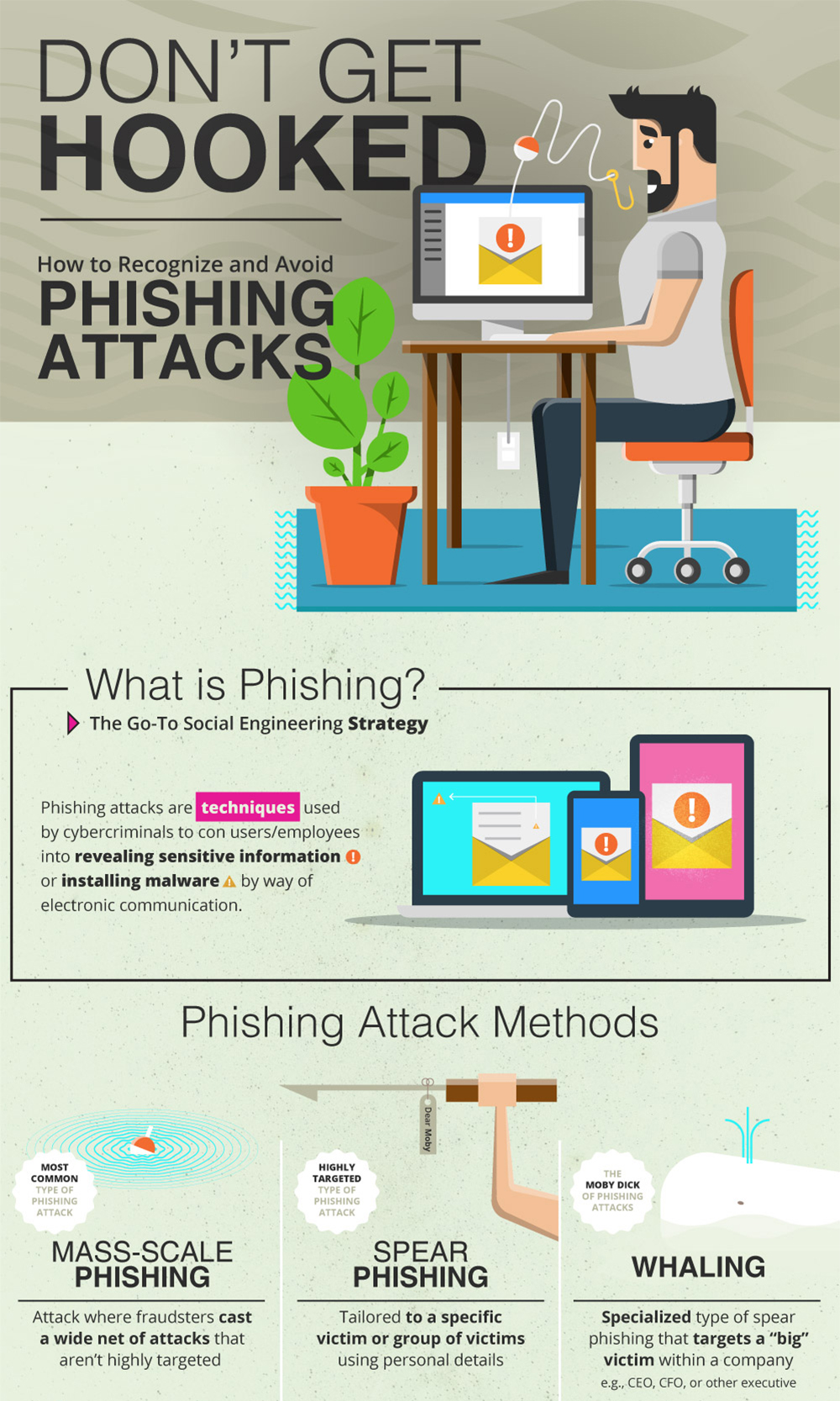
Digital spaces are playgrounds, classrooms, and social hubs rolled into one for modern children. Young learners frequently encounter digital risks in unexpected places, such as shared family tablets, in-game chat windows on gaming platforms, and comment sections of popular video streaming apps. These environments often present deceptive messages designed to trick curious minds into giving away personal details. Teaching children to recognize online deception requires patience, consistent messaging, and practical tools that transform abstract concepts into tangible skills. Educators and families need reliable resources that foster critical thinking without inducing fear or anxiety. The free printable how to avoid phishing info for kids available on {site_name} bridges the gap between complex cybersecurity concepts and early childhood comprehension, making digital literacy accessible and engaging. Related guide: Teachers Of Grades 9–12 Should Expand Internet Safety Instruction To Include Which Of The Following Topics?.
💡 Educational Key Takeaways:
- Core Skill: Structured How To Avoid Phishing Info For Kids focused on developing pencil grip, stroke control, and early literacy/math confidence.
- Target Scope: Suited for homeschoolers, preschool, kindergarten, and elementary learners.
- Best Recommendation: Practice 10–15 minutes daily with ergonomic writing tools to reinforce muscle memory without hand fatigue.
What This Printable Covers
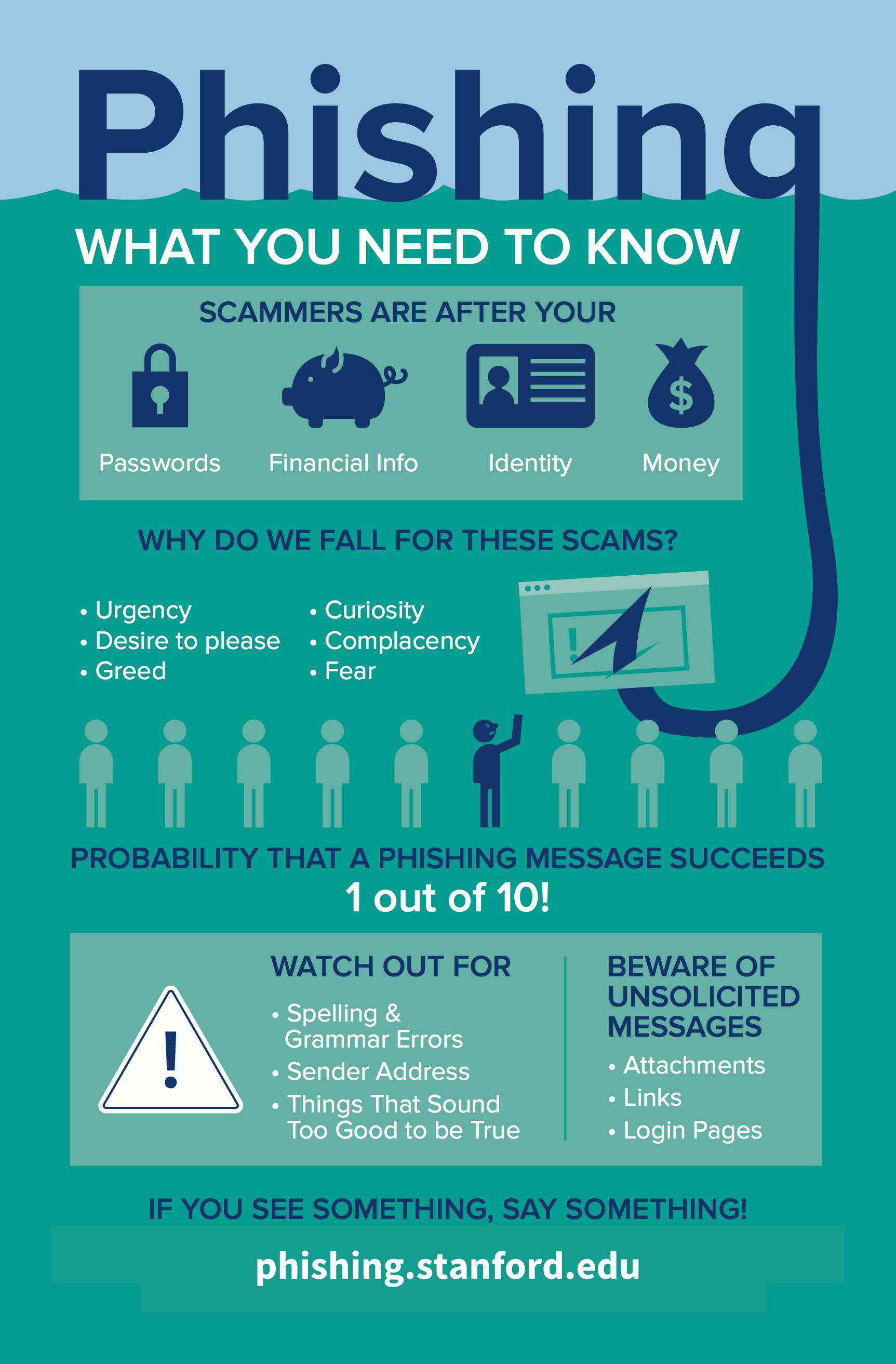
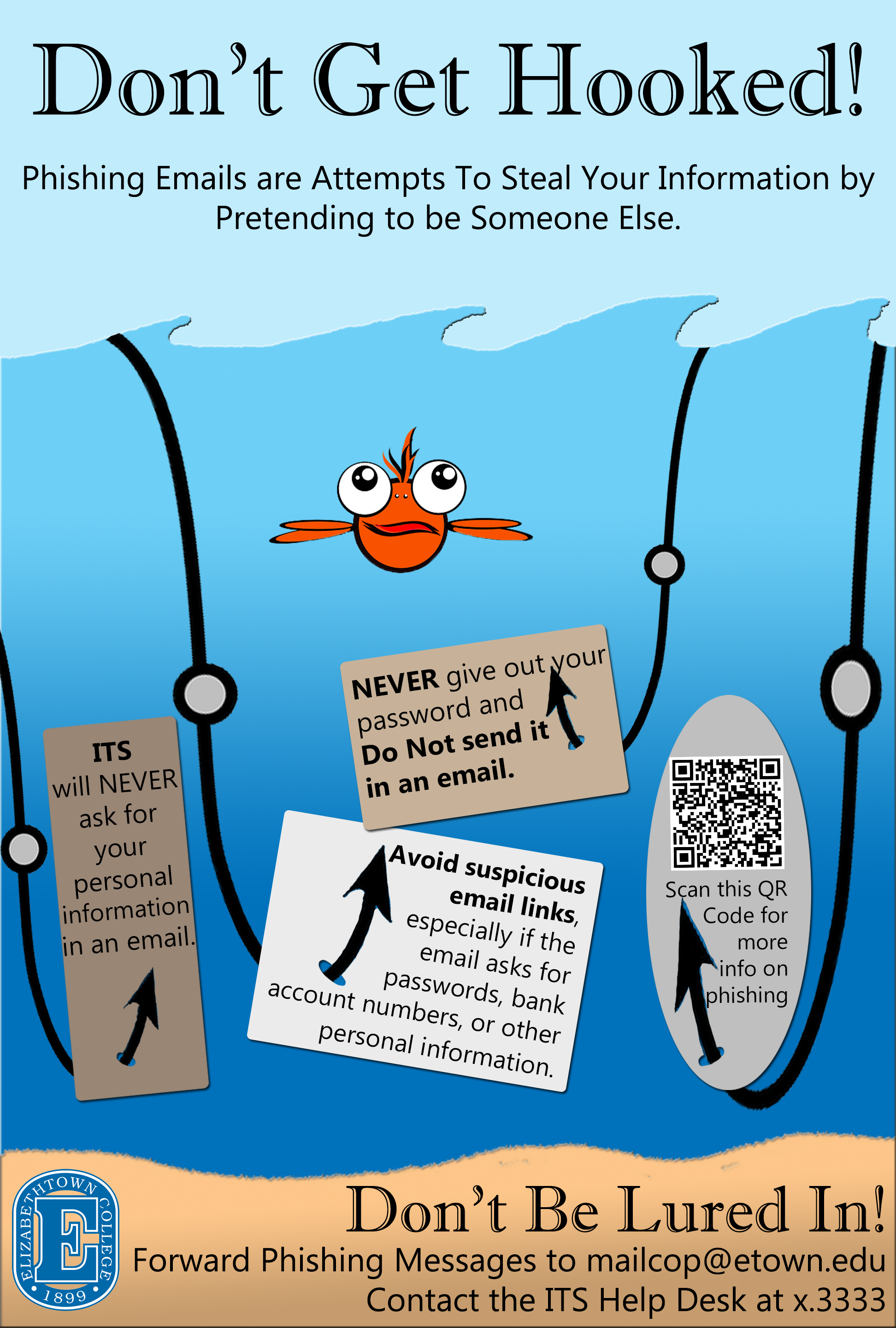
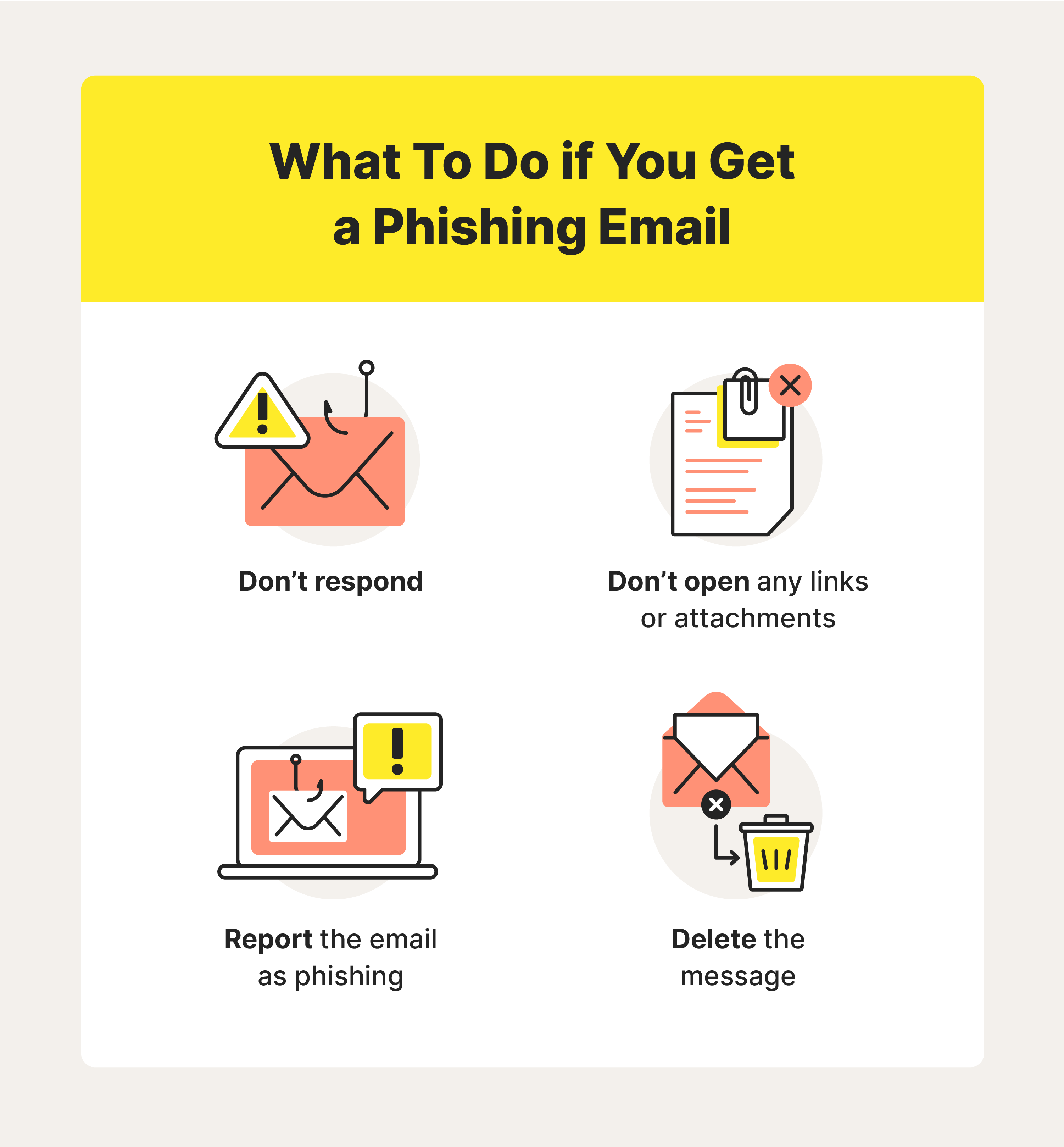
Deceptive online messages rarely look menacing to young eyes. Tricksters often use bright colors, familiar cartoon characters, and enticing promises of free virtual currency or game upgrades to lower a child’s guard. The printable resource focuses on identifying red flags, questioning unexpected requests for information, and practicing the golden rule of digital safety: pausing before clicking. It emphasizes protective habits such as keeping personal info private, understanding the difference between safe adults and strangers online, and reinforcing strong passwords. Children learn that if a message or pop-up feels too good to be true, it usually requires a second look and a conversation with a trusted adult. Crucially, the material instills the empowering message that children are never in trouble for reporting something uncomfortable, establishing an open line of communication between youth and their caregivers.
Key Learning Outcomes
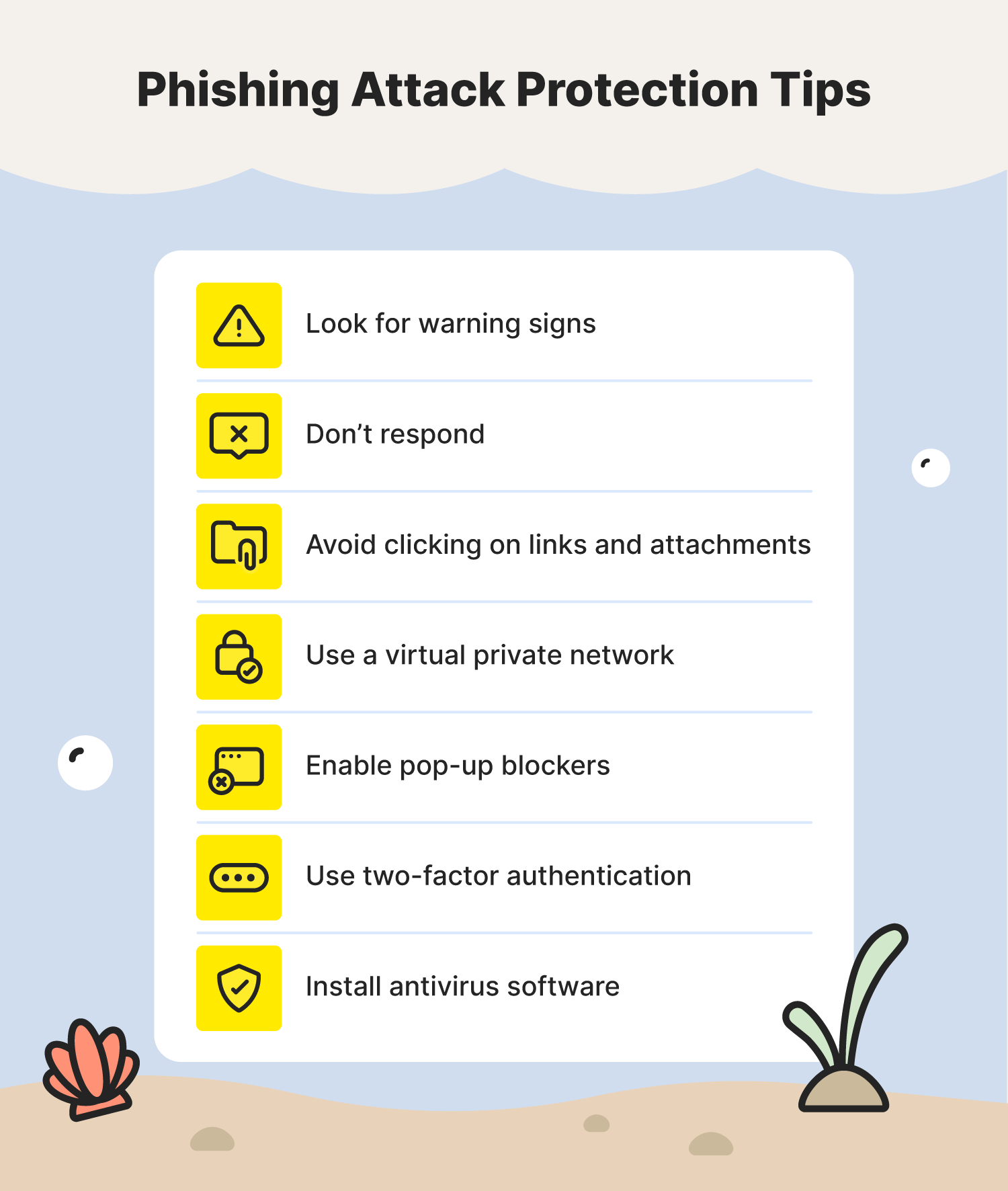
Working through this educational activity allows children to practice specific skills needed for navigating the digital world safely. Learners identify common warning signs of deceptive links, such as urgent demands for personal details or unfamiliar web addresses. The exercise strengthens critical thinking by prompting students to evaluate digital intentions rather than reacting impulsively to flashy graphics. According to the Federal Trade Commission, educating youth on spotting online scams early significantly reduces the likelihood of successful digital manipulation. Furthermore, the worksheet format reinforces the habit of seeking adult guidance when encountering unfamiliar or confusing prompts online. It sounds simple, and that’s the point. Building these foundational habits early creates a mental checklist that children can rely on whenever they interact with the internet.
How to Use This Printable
Implementation requires no advanced technical knowledge, making it ideal for busy classrooms, quiet homeschool afternoons, and evening kitchen table discussions. Adults can introduce the topic by asking children what they would do if a friendly character in a game offered them a rare prize in exchange for their home address or password. Once the scenario is established, the printable serves as a guided discussion starter rather than a traditional quiz. Educators often pair these exercises with broader lessons found within interactive student assignments to cement the learning objectives. The goal is to encourage dialogue, allowing children to voice their own online experiences and ask questions in a safe, non-judgmental environment.
Practical Tips for Parents and Teachers
Maximizing the impact of this resource involves turning lessons into routine conversations rather than one-time lectures. Adults should model safe digital behaviors by pausing before clicking suspicious links on shared devices and talking through the decision-making process out loud. Keeping sessions lighthearted and curious prevents children from becoming overly anxious about exploring technology. When children bring up a strange pop-up or an uncomfortable game chat, responding with calm appreciation reinforces trust. Exploring related topics through comprehensive internet resources helps reinforce these lessons across different settings. Consistency between home and school ensures that children hear the same positive safety messages wherever they go.
Age-Appropriate Recommendations
Tailoring digital citizenship instruction to a child’s developmental stage is essential for effective learning. For younger children ages five through eight, focus remains on basic rules, such as never sharing full names or locations, and always asking an adult before tapping unfamiliar buttons. Older children ages nine through twelve can dive deeper into the mechanics of digital deception, analyzing how tricks work and discussing peer pressure in online gaming communities. This progressive approach aligns directly with the Common Sense Education Digital Citizenship Curriculum, which emphasizes age-graded competencies for responsible technology use. By scaffolding the content, educators ensure that the material remains challenging yet entirely achievable for every developmental milestone.
Research from the Pew Research Center indicates that the vast majority of children access the internet daily through mobile devices, making foundational digital literacy skills more critical than ever for young users. — Pew Research Center
Frequently Asked Questions
Clear answers help adults integrate these safety practices smoothly into daily routines. The following responses address common inquiries regarding downloading materials, educational frameworks, and organizational standards.
According to the National Center for Missing & Exploited Children, proactive family communication about online activities remains one of the most effective safeguards for children navigating digital spaces. — NCMEC
Explore More Free Kids Online Safety Printables
Expanding a digital safety library provides continuous opportunities to reinforce essential habits throughout the school year. Educators and families can discover additional materials by browsing specialized online safety collections designed to make learning engaging and interactive. Pairing these activities with creative resources like educational coloring sheets allows younger children to process serious safety topics through artistic expression. Every conversation and shared activity brings children one step closer to becoming confident, capable, and secure digital citizens.
Developmental Milestone & Activity Table
| Development Stage | Recommended Daily Duration | Primary Learning Objective |
|---|---|---|
| Preschool & Pre-K | 10 – 15 Minutes | Pencil grip development & basic pre-stroke lines |
| Kindergarten | 15 – 20 Minutes | Letter/number formation & spatial line awareness |
| Early Elementary (Grade 1–2) | 20 – 30 Minutes | Fluency, sentence construction & neatness |
Images References