Introduction
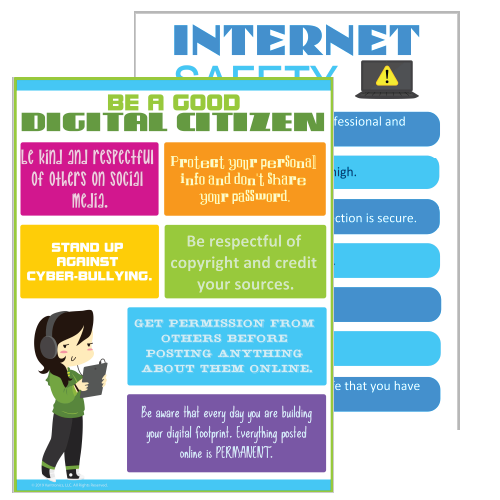
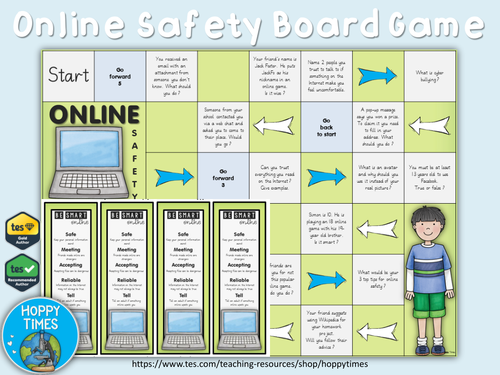
Navigating the digital landscape alongside developing minds requires more than just restricting screen time; it demands proactive skill-building. Children today encounter online environments through shared family tablets, in-game chat features within multiplayer titles, and streaming video platforms long before they reach secondary education. Educators and parents constantly search for effective methods to introduce digital literacy topics that resonate without causing fear. This challenge inspires the creation of targeted educational tools designed to simplify complex concepts into manageable daily habits. Exploring resources found within Internet and Digital Safety collections helps adults bridge the gap between classroom theory and everyday online behavior. The free printable focusing on high school curriculum expansion regarding online safety offers a unique lens through which educators can reverse-engineer foundational habits for younger age groups. Designing effective prevention strategies relies heavily on constructive conversations rather than restrictive bans, empowering children to recognize digital boundaries naturally.
💡 Educational Key Takeaways:
- Core Skill: Structured Teachers Of Grades Nine Through 12 Should Expand Internet Safety Instruction To Include Which Of The Following Topics focused on developing pencil grip, stroke control, and early literacy/math confidence.
- Target Scope: Suited for homeschoolers, preschool, kindergarten, and elementary learners.
- Best Recommendation: Practice 10–15 minutes daily with ergonomic writing tools to reinforce muscle memory without hand fatigue.
What This Printable Covers
The printable directly addresses the shifting curriculum demands facing upper-grade educators, translating advanced digital citizenship concepts into accessible developmental milestones for younger learners. It highlights the importance of critical thinking, personal data privacy, and the nuances of digital footprints before children step into high school environments. Instead of treating safety as an abstract rulebook, the material outlines specific thematic areas that educators and caregivers must address progressively over time. According to Common Sense Media, children engage with digital media at increasingly younger ages, making early discussions around online etiquette and boundary setting essential. The document prompts meaningful reflection on how older students navigate complex social dynamics online, allowing adults to prepare younger children for those future realities. Utilizing resources categorized under Worksheets allows facilitators to turn passive reading into active, hands-on learning experiences that cement these vital protective habits.
Key Learning Outcomes
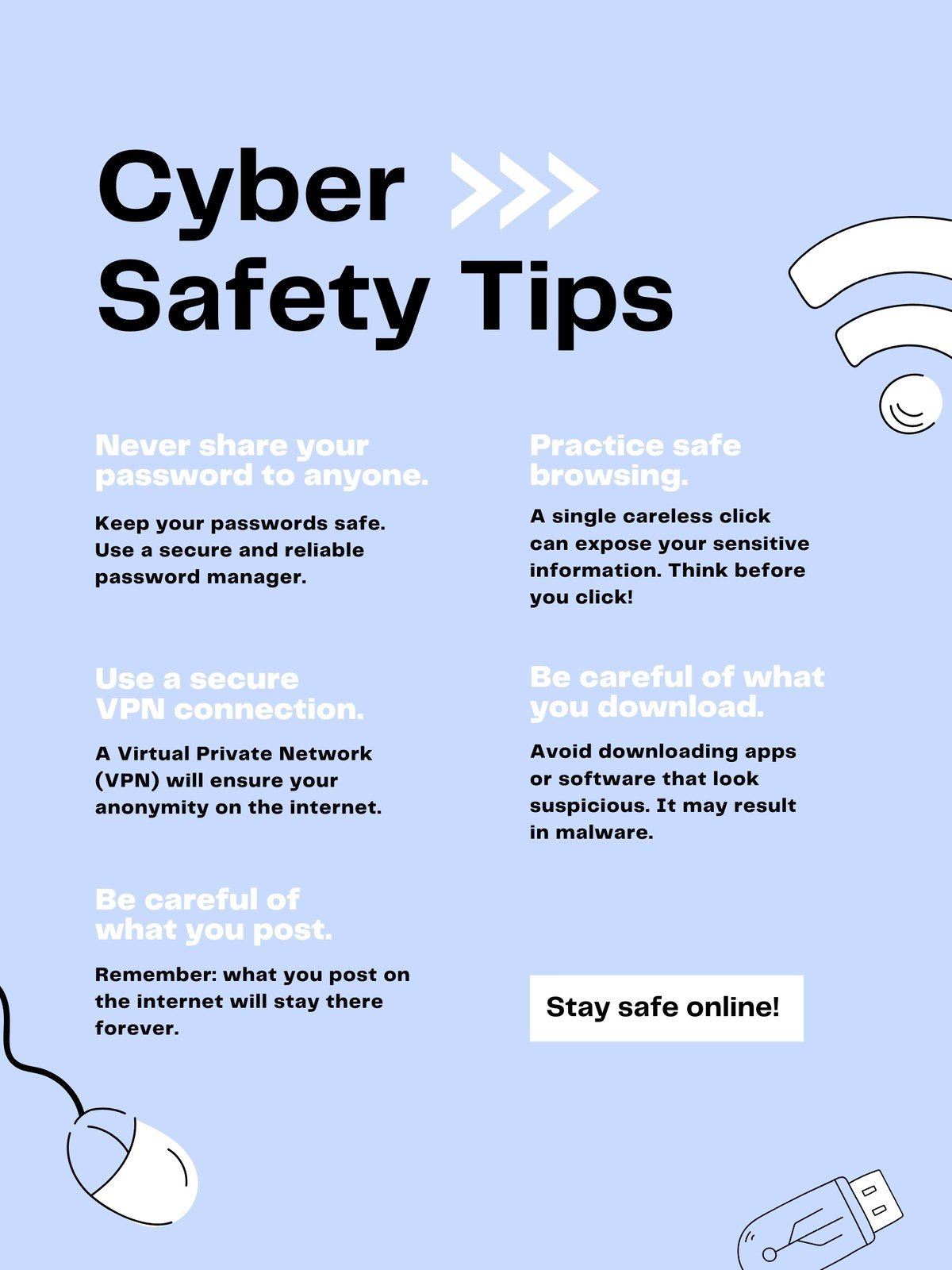
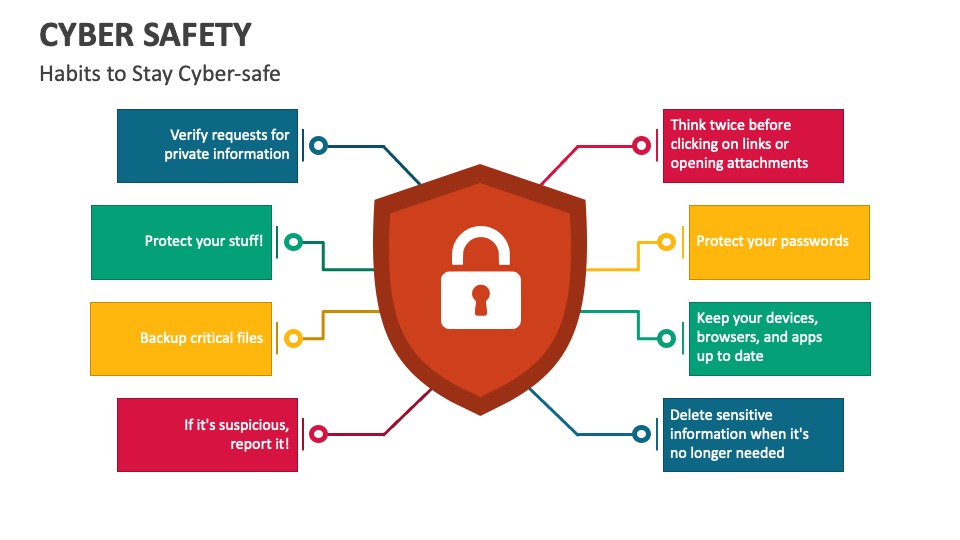
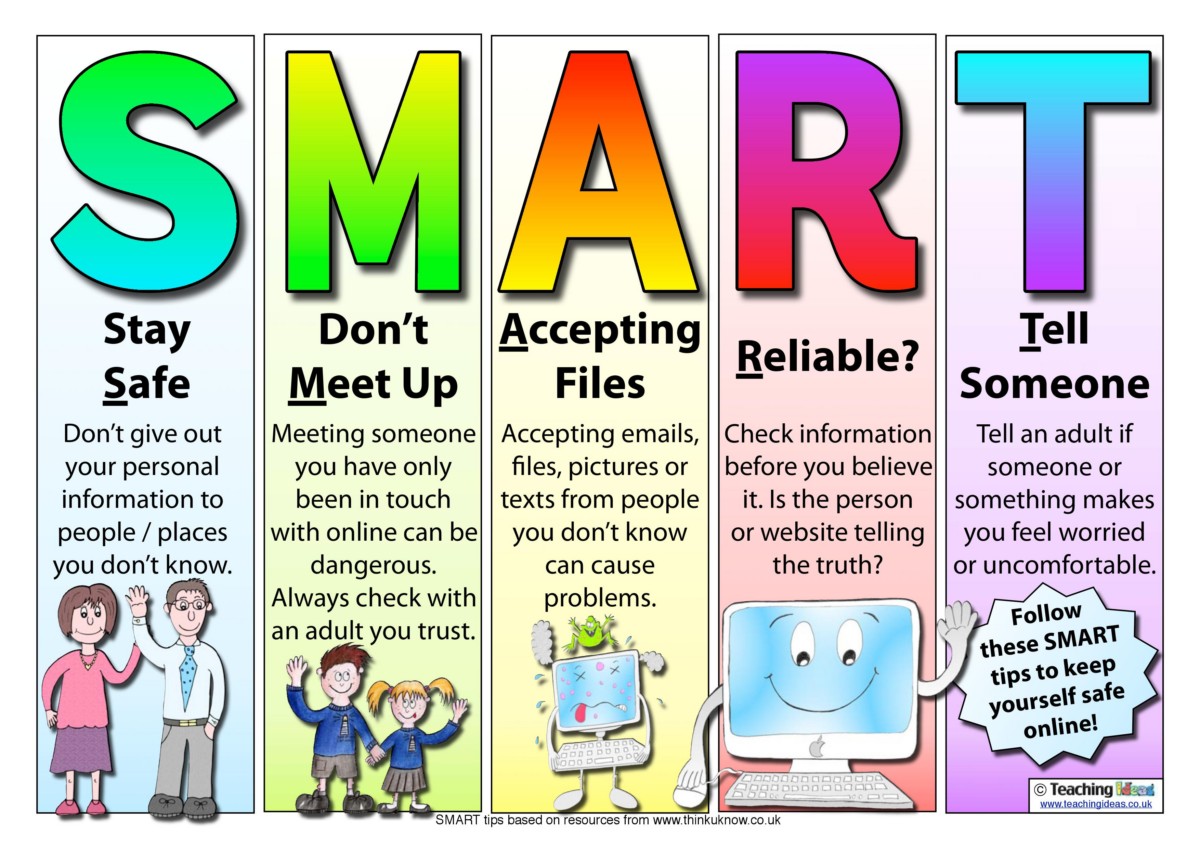
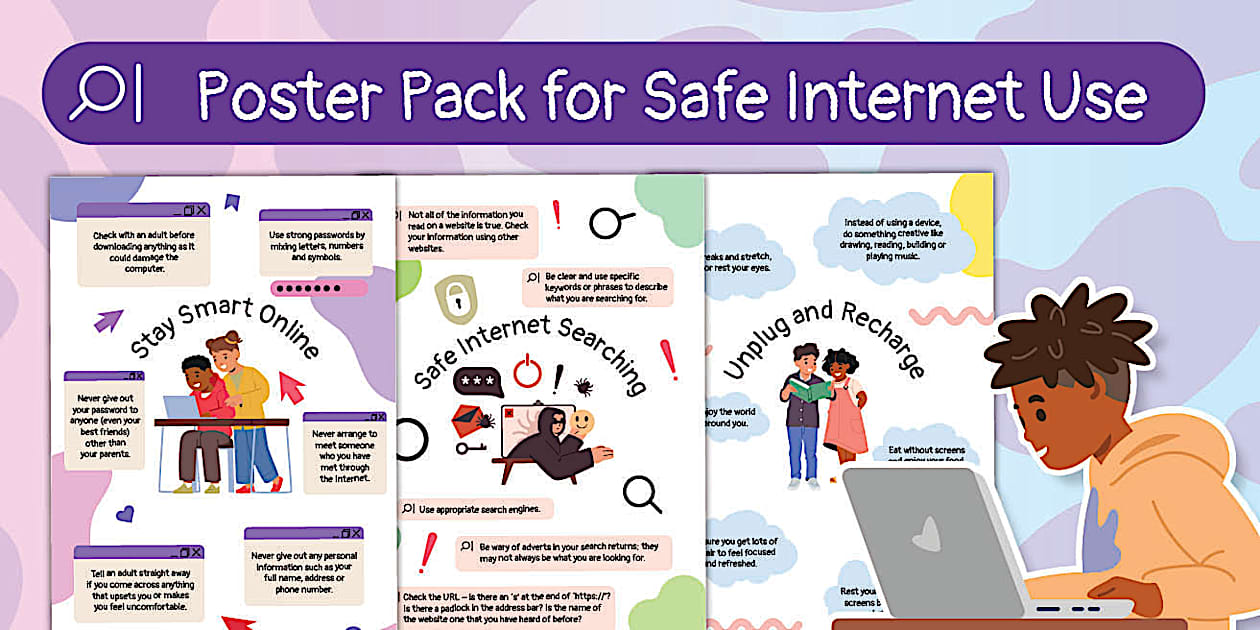
Working through the printable prompts children to identify what constitutes private personal information versus safe, general sharing. Participants practice evaluating online interactions, learning how to pause and reflect before responding to messages or peer pressure in digital spaces. Another critical focus involves reinforcing the golden rule of reporting: children internalize the assurance that informing a trusted adult about uncomfortable experiences never results in punishment. Building strong, memorable passwords and understanding why default settings matter form the technical foundation of the lesson. It sounds simple, and that’s the point. Repetition of these core messages transforms instinctive caution into permanent digital citizenship skills that protect children across shared household devices and gaming platforms alike. Related guide: 5 Cyber Safety Tips Symbols That Can Be Read By The Grede 7 Students.
How to Use This Printable
Successful implementation begins in a calm, distraction-free environment where adults and children can review the material collaboratively. Educators can introduce the sheet during morning meetings or technology lab sessions, while parents find success utilizing the activity during weekend quiet time. It sounds simple, and that’s the point. Coloring or completing the written prompts together creates a natural, low-pressure backdrop for open-ended discussions about digital life. Adults should guide the conversation by asking open-ended questions like what the child might do if an online game prompt asks for their real name or home address. Grounding the exercise in real-world scenarios helps learners bridge the gap between paper activities and actual digital device usage.
Practical Tips for Parents and Teachers
Consistency remains the bedrock of effective digital citizenship education, requiring adults to model healthy device habits alongside children. Facilitators should avoid framing internet safety around fear or surveillance, focusing instead on digital empowerment and personal responsibility. Celebrating when a child successfully identifies a suspicious link or reports an uncomfortable chat message reinforces proactive behavior far more effectively than lecturing. Maintaining an open-door policy ensures children feel completely safe approaching adults when online interactions take an unexpected turn. Exploring related tools via Online and Digital Safety pages provides additional frameworks to keep these vital conversations fresh and engaging throughout the school year.
Age-Appropriate Recommendations
Tailoring digital safety conversations to match developmental stages ensures maximum comprehension and retention for children ages five through twelve. For younger elementary students, instruction should focus on basic boundaries, such as keeping passwords secret and asking permission before downloading applications. Upper elementary students can explore more nuanced concepts, including digital footprints, respectful communication in multiplayer chat rooms, and evaluating online sources for credibility. Aligning these lessons with the ISTE Standards for Students helps educators anchor digital citizenship within broader academic and social-emotional learning goals. According to the Pew Research Center, adolescents and pre-teens navigate complex social ecosystems online daily, which underscores why introducing foundational internet ethics early in elementary school is paramount.
Children frequently encounter digital risks through shared household devices and multiplayer in-game chat features long before entering high school. — Common Sense Media
Frequently Asked Questions
Finding the right approach to digital citizenship starts with having clear, reliable answers to common questions about resource implementation and child safety standards. Reviewing these concise responses helps parents and educators maximize the educational value of downloadable classroom materials.
The National Center for Missing & Exploited Children (NCMEC) emphasizes that open, non-judgmental communication between children and trusted adults is the single most effective safeguard against online exploitation. — NCMEC
Explore More Free Kids Online Safety Printables
Expanding a digital citizenship curriculum requires a diverse toolkit of engaging, easy-to-use educational materials tailored for various age groups. Adults looking to reinforce specific concepts can browse curated collections of Coloring Pages that make discussing digital boundaries fun and approachable for young learners. Combining these creative activities with structured classroom discussions ensures children develop a balanced, healthy relationship with technology from an early age.
Developmental Milestone & Activity Table
| Development Stage | Recommended Daily Duration | Primary Learning Objective |
|---|---|---|
| Preschool & Pre-K | 10 – 15 Minutes | Pencil grip development & basic pre-stroke lines |
| Kindergarten | 15 – 20 Minutes | Letter/number formation & spatial line awareness |
| Early Elementary (Grade 1–2) | 20 – 30 Minutes | Fluency, sentence construction & neatness |
Images References