Introduction
Navigating the digital landscape often begins long before a student enters high school. Younger children frequently encounter online environments through shared family tablets, multiplayer gaming chats, and mainstream video platforms rather than dedicated desktop computers. Educators and families constantly search for engaging methods to introduce digital literacy without triggering anxiety. Free printable internet safety games bridge this gap by transforming complex protective habits into accessible, interactive challenges. Rather than relying on lectures, these materials give children tactile tools to explore concepts like privacy and respectful communication. Supporting healthy digital habits means treating safety as a foundational life skill rather than an abstract rulebook. Related guide: Teachers Of Grades 9–12 Should Expand Internet Safety Instruction To Include Which Of The Following Topics?.
💡 Educational Key Takeaways:
- Core Skill: Structured Internet Safety Games For Students High School focused on developing pencil grip, stroke control, and early literacy/math confidence.
- Target Scope: Suited for homeschoolers, preschool, kindergarten, and elementary learners.
- Best Recommendation: Practice 10–15 minutes daily with ergonomic writing tools to reinforce muscle memory without hand fatigue.
What This Printable Covers
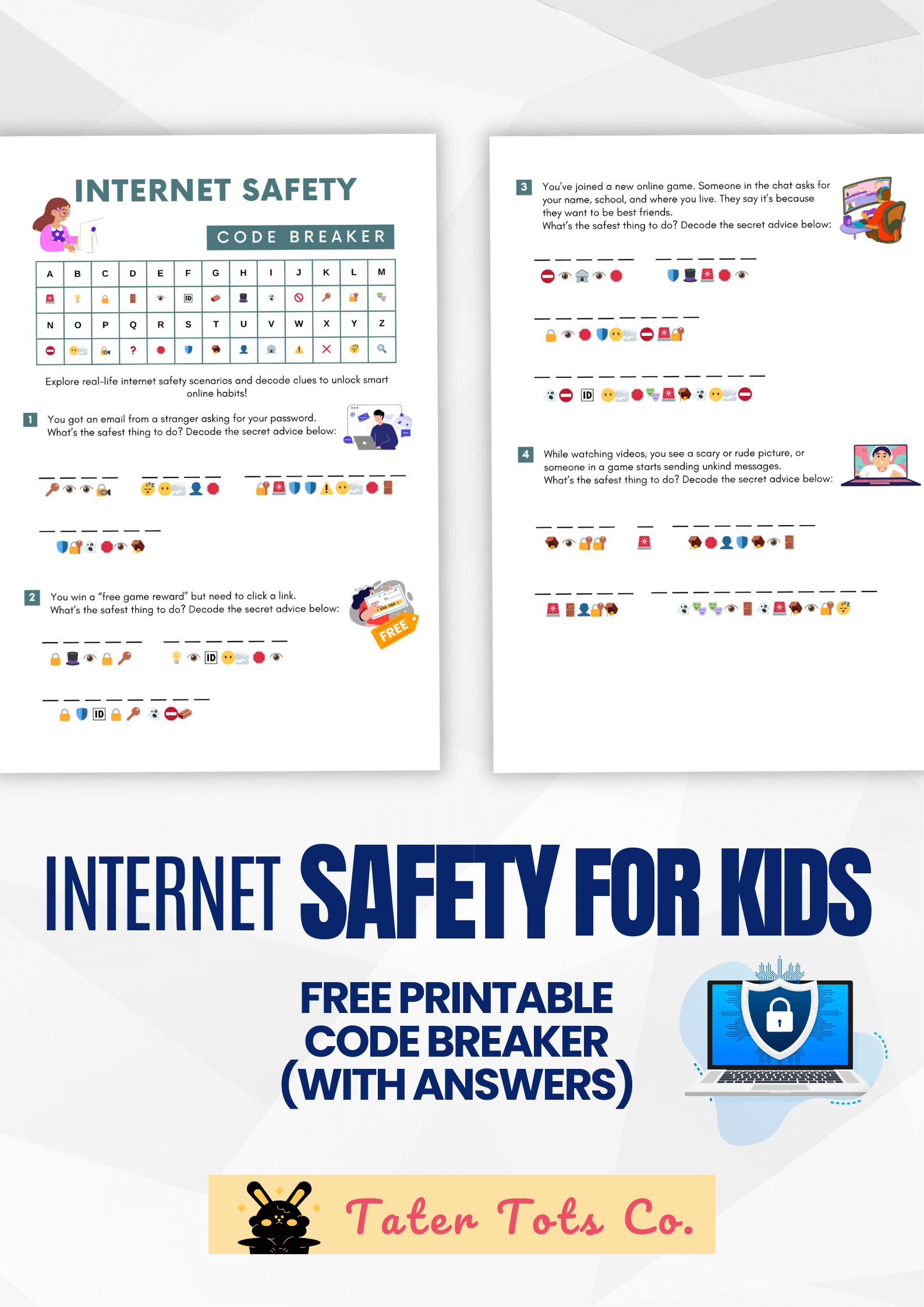
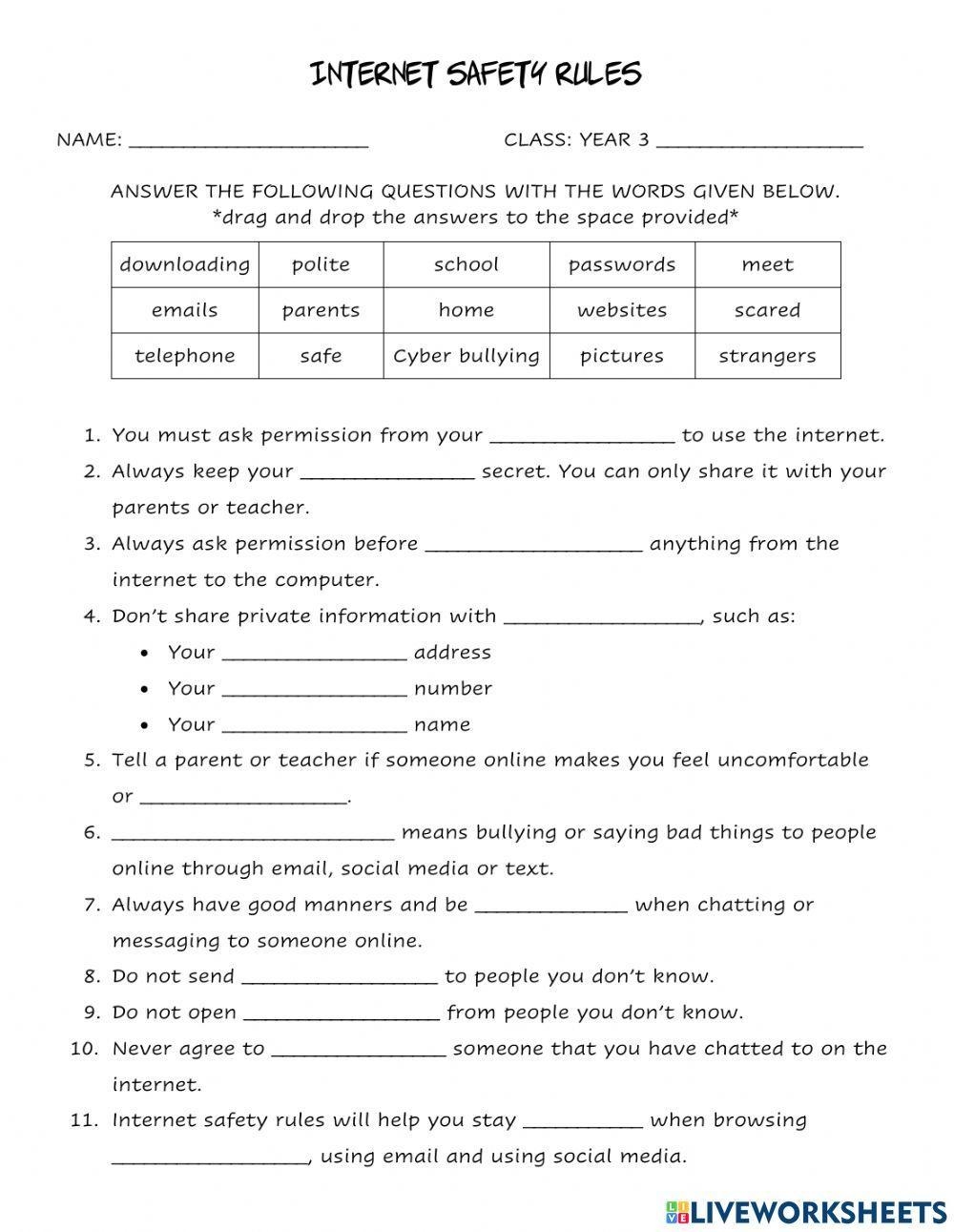
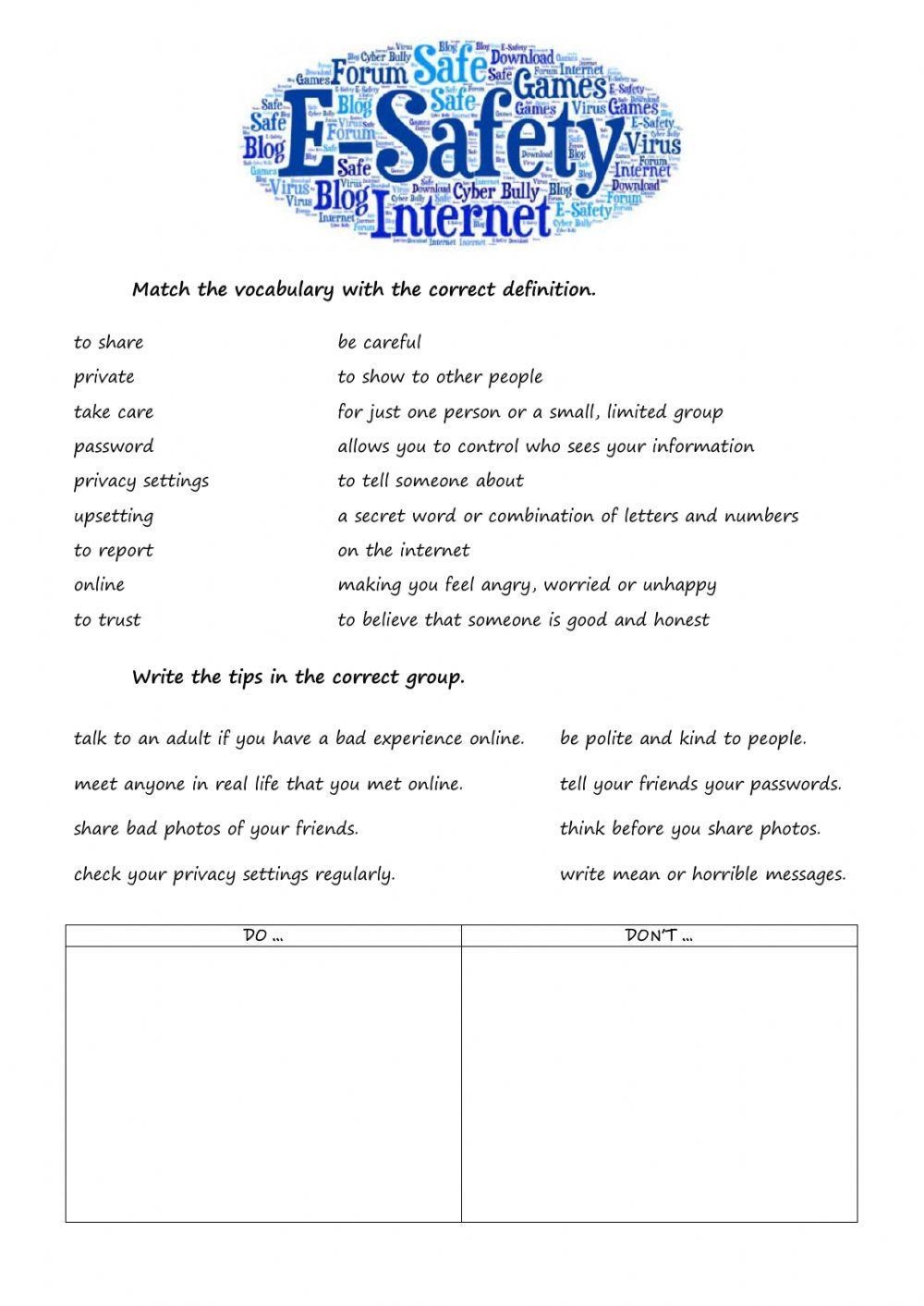
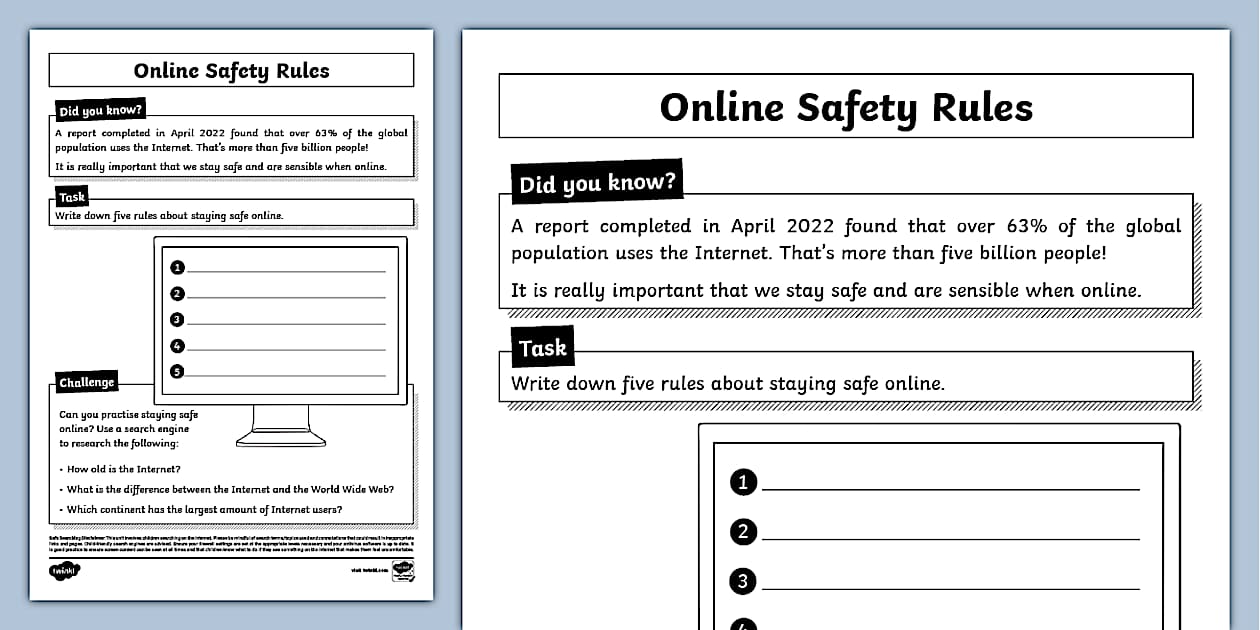
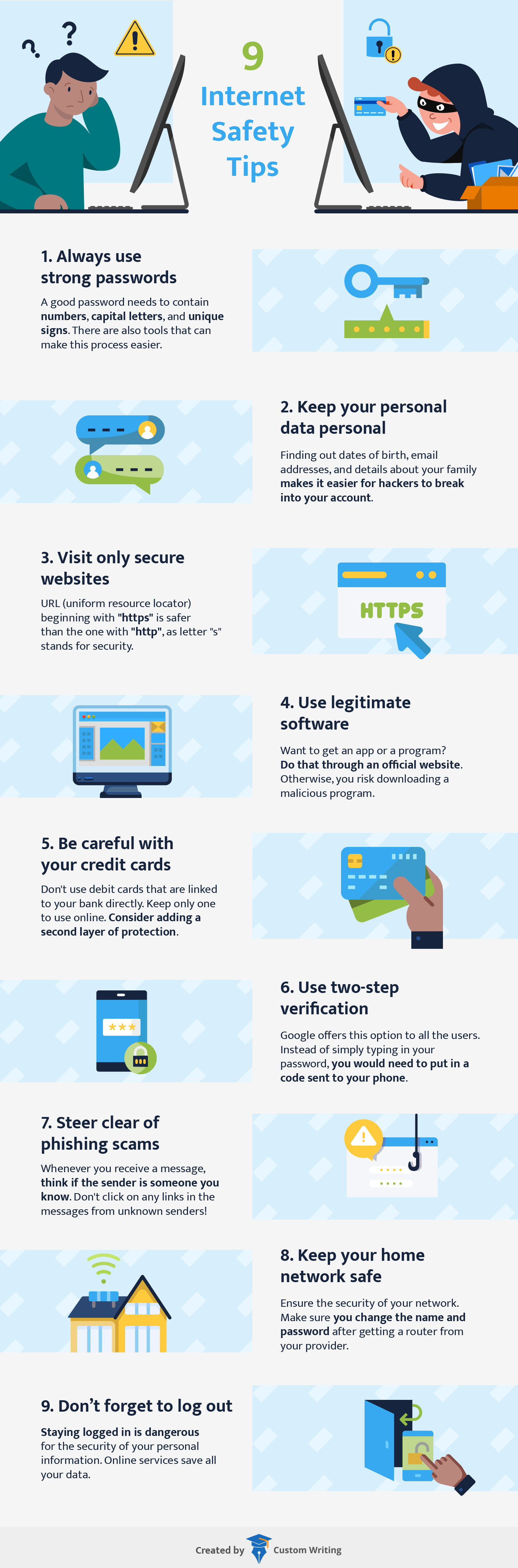
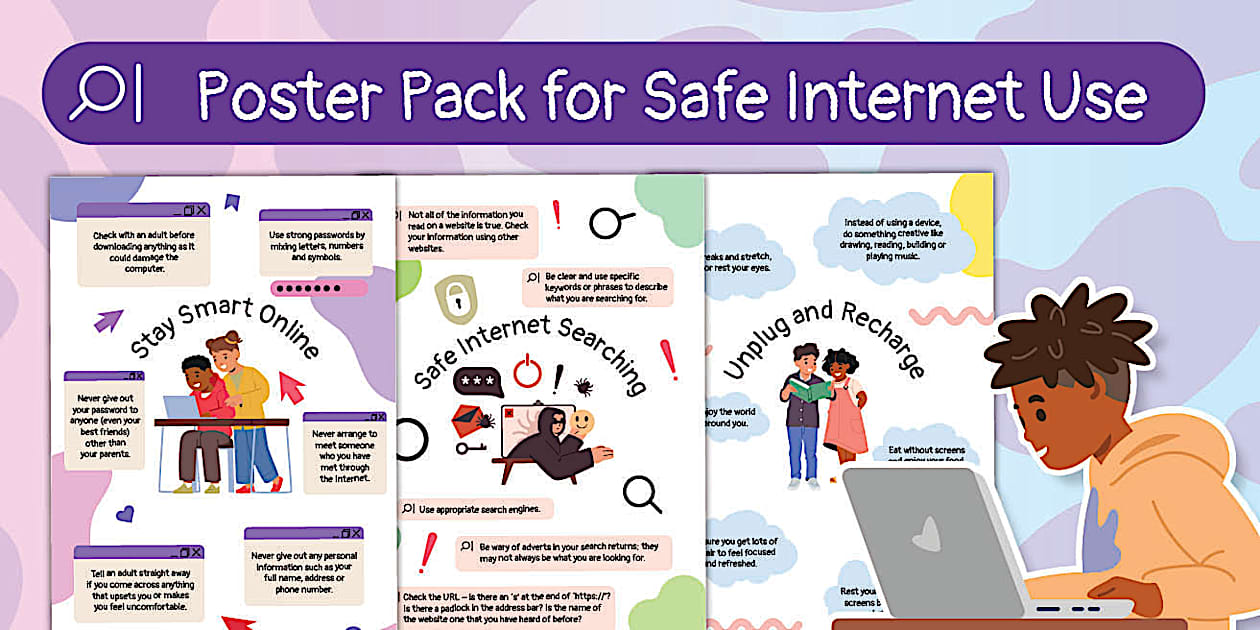
The free printable internet safety games for students high school focus on practical decision-making scenarios adapted for growing learners. Instead of focusing on scary outcomes, the content centers on positive digital citizenship, such as creating strong passwords, recognizing personal information, and pausing before clicking links. It sounds simple, and that’s the point. Children absorb these lessons best when they can physically trace pathways, solve puzzles, or match scenarios to the correct response. Materials housed within the Internet and Digital Safety hub provide structured frameworks that educators can easily integrate into daily routines.
Key Learning Outcomes
Working through these printable activities helps students articulate what to do when something online feels uncomfortable. According to the Federal Trade Commission, open dialogue between adults and young internet users significantly improves a child’s willingness to report strange digital encounters. The primary goals include identifying private data like home addresses and full names, understanding that not everyone online is who they claim to be, and internalizing the absolute rule that children are never in trouble for reporting an online worry to a trusted adult. Practicing these scenarios in a low-stakes paper format builds muscle memory for future digital interactions.
How to Use This Printable
Flexibility defines the best educational printables, allowing use in traditional classrooms, homeschool settings, or counseling offices. Teachers can incorporate these games into morning meeting rotations or computer lab preparation time. Parents often find success using these activity sheets during weekend screen-time transitions, sparking organic conversations about favorite apps and games. By exploring various Worksheets designed for digital learners, adults can track comprehension while keeping the atmosphere light and encouraging.
Practical Tips for Parents and Teachers
Here’s what makes this resource different: it relies on cooperative problem-solving rather than solitary test-taking. Adults should sit alongside learners, working through the puzzles together while asking open-ended questions about favorite online games. Pausing to discuss why a certain choice makes a profile secure helps cement the concept. Celebrating correct choices reinforces confidence, turning digital citizenship into a shared achievement rather than a punitive restriction.
Age-Appropriate Recommendations
Aligning educational tools with established developmental benchmarks ensures maximum comprehension. Grounded in the Common Sense Education Digital Citizenship Curriculum framework, these printable activities scale smoothly across different maturity levels by focusing on media balance, privacy, and cyberbullying prevention. Younger elementary students benefit from matching games and visual sorting activities, while upper elementary and middle school students engage more deeply with situational role-play prompts and logic puzzles.
According to Common Sense Media research, a vast majority of children access mobile devices before starting kindergarten, making early, foundational digital literacy conversations essential for modern families and educators. — Common Sense Media
Frequently Asked Questions
How do I download and print these safety games?
Accessing these files requires simply clicking the download link on the resource page, saving the PDF to a device, and sending the document to any standard home or school printer.
How does this resource support online safety learning?
The printables use game mechanics like puzzles and scenarios to teach privacy, password strength, and communication rules without generating fear.
What does the National Center for Missing & Exploited Children recommend regarding reporting?
According to the National Center for Missing & Exploited Children, children should be taught to immediately tell a trusted adult whenever online interactions cause confusion or discomfort.
Explore More Free Kids Online Safety Printables
Expanding a digital citizenship library ensures students encounter consistent messaging across multiple subjects and formats. Additional resources such as creative Coloring Pages allow younger learners to absorb safety concepts through artistic expression and storytelling. Comprehensive strategies for safeguarding young internet users are also continually updated within the broader Online and Digital Safety archives, providing educators with reliable tools for every classroom need.
Developmental Milestone & Activity Table
| Development Stage | Recommended Daily Duration | Primary Learning Objective |
|---|---|---|
| Preschool & Pre-K | 10 – 15 Minutes | Pencil grip development & basic pre-stroke lines |
| Kindergarten | 15 – 20 Minutes | Letter/number formation & spatial line awareness |
| Early Elementary (Grade 1–2) | 20 – 30 Minutes | Fluency, sentence construction & neatness |
Images References