Introduction
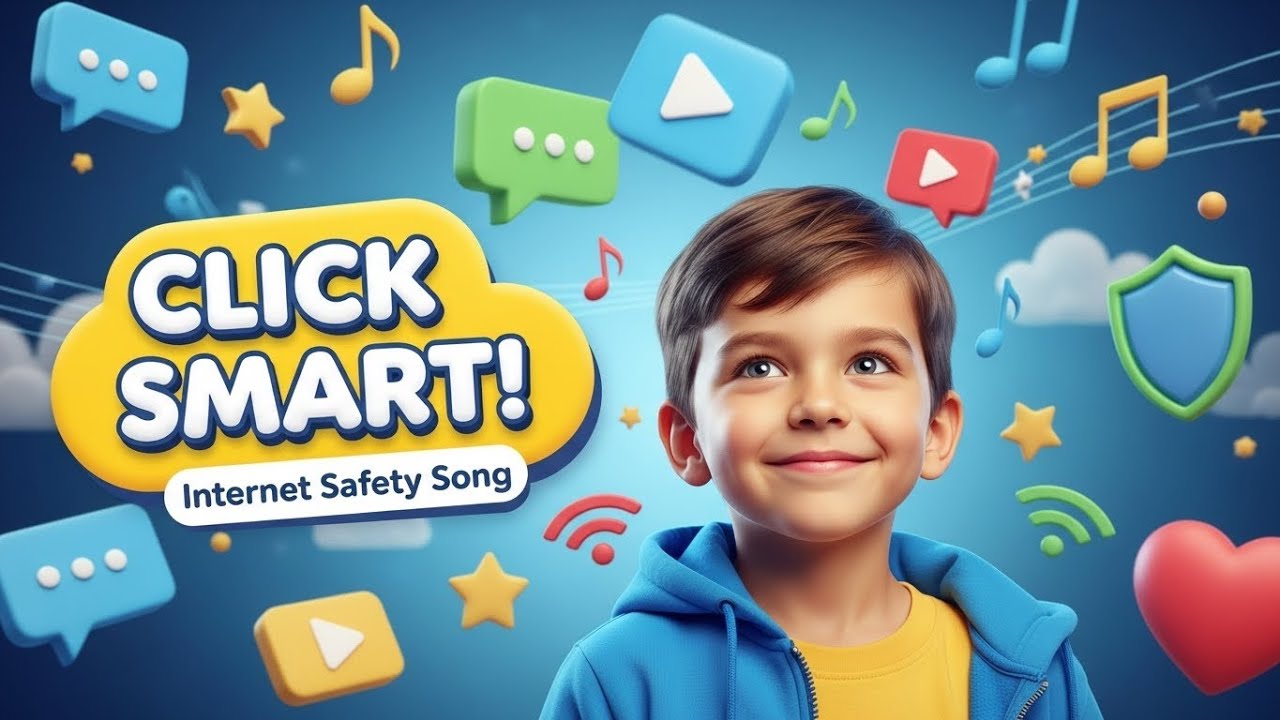
Young children routinely encounter digital media long before they master reading fluency. Tablet screens, shared family computers, and streaming applications form a regular part of daily routines for elementary students. Experience in classrooms and homes shows that children rarely face online risks through complex hacking scenarios. Instead, challenges arise during innocent searches, autoplay video loops, or in-game messaging features on shared household devices. Establishing healthy digital habits early requires tools that meet children at their developmental level. The free printable youtube internet safety song offers a musical, engaging pathway to introduce essential digital citizenship concepts without inducing fear or anxiety. Related guide: Teachers Of Grades 9–12 Should Expand Internet Safety Instruction To Include Which Of The Following Topics?.
💡 Educational Key Takeaways:
- Core Skill: Structured You Tube Internet Safety Song focused on developing pencil grip, stroke control, and early literacy/math confidence.
- Target Scope: Suited for homeschoolers, preschool, kindergarten, and elementary learners.
- Best Recommendation: Practice 10–15 minutes daily with ergonomic writing tools to reinforce muscle memory without hand fatigue.
What This Printable Covers
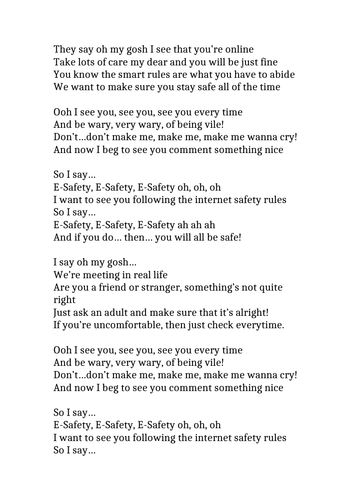
Musical mnemonics remain one of the most effective methods for young learners to retain safety rules. This printable resource translates core online boundaries into catchy, rhythmic lyrics designed specifically for ages five through twelve. Children learn how to pause before clicking unfamiliar links, recognize autoplay traps, and protect sensitive personal details like full names or home locations. Furthermore, the resource reinforces the golden rule of digital spaces: stopping to ask a trusted adult whenever something feels confusing or uncomfortable. It sounds simple, and that’s the point. Building these foundational reflexes transforms abstract internet rules into memorable, actionable habits that children can recall independently.
Key Learning Outcomes
Educational resources must target specific competency goals to drive meaningful behavior change. Here’s what makes this resource different: it pairs auditory learning with visual recognition, solidifying concepts through repetition. Students practice identifying safe sharing behaviors, understanding the permanence of digital footprints, and establishing the confidence to report uncomfortable encounters. Crucially, the material reinforces the message that children are never in trouble for coming forward to share what they saw on a screen. According to the Federal Trade Commission, open communication between youth and trusted adults serves as a primary shield against online exploitation.
How to Use This Printable
Music bridges the gap between passive listening and active participation in any learning environment. Educators and caregivers can sing the verses together during morning meetings, transition times, or family car rides until the rhythm becomes second nature. Pairing the lyrics with movement or hand gestures helps kinesthetic learners internalize the pacing. Beyond rote memorization, these printable lyrics act as an accessible springboard for deeper discussions about responsible media consumption. Exploring related concepts becomes seamless when utilizing supplementary resources found within Internet and Digital Safety modules.
Practical Tips for Parents and Teachers
Consistency between school expectations and home routines creates a unified safety net for developing minds. Adults should introduce the song in a relaxed, upbeat tone rather than framing it as a strict warning about looming dangers. Educators frequently observe that children engage more deeply with digital citizenship topics when adults model curiosity instead of lecturing. Reviewing the lyrics during casual downtime normalizes conversations regarding screen time boundaries. For additional creative activities that reinforce these habits, browse through diverse Worksheets designed for elementary classrooms and homeschool settings.
Age-Appropriate Recommendations
Kindergarteners require concrete, simple rules focused on device-sharing and asking permission before launching a video app. Upper elementary students, conversely, can analyze media literacy concepts, stranger interactions, and the implications of persistent digital footprints. The Common Sense Education Digital Citizenship Curriculum provides a robust developmental framework for tailoring these musical lessons across grade bands. Educators adapt the pace of the song to match the cognitive maturity of the audience, ensuring younger children grasp basic boundaries while older students explore critical thinking regarding online content.
According to Common Sense Media, the vast majority of children access digital video platforms daily, making early habit-formation essential for navigating autoplay loops and recommended content safely. — Common Sense Media
Frequently Asked Questions
Clear guidance helps adults implement digital literacy tools effectively. The following questions address common inquiries regarding access, learning integration, and foundational safety research.
Explore More Free Kids Online Safety Printables
Expanding a digital citizenship library requires access to versatile, classroom-tested materials. Caregivers and educators can discover additional creative exercises by exploring curated Online and Digital Safety printables. Pairing musical activities with visual resources like Coloring Pages reinforces positive screen habits through artistic expression and collaborative dialogue.
Developmental Milestone & Activity Table
| Development Stage | Recommended Daily Duration | Primary Learning Objective |
|---|---|---|
| Preschool & Pre-K | 10 – 15 Minutes | Pencil grip development & basic pre-stroke lines |
| Kindergarten | 15 – 20 Minutes | Letter/number formation & spatial line awareness |
| Early Elementary (Grade 1–2) | 20 – 30 Minutes | Fluency, sentence construction & neatness |
Images References