Introduction
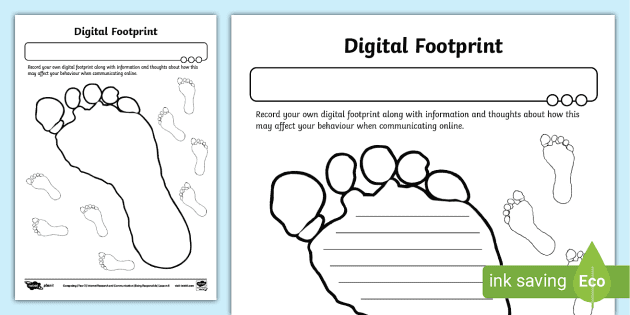
Digital spaces are woven into the fabric of modern childhood, appearing everywhere from classroom tablets to living room gaming consoles. Long before children create formal social media accounts, they leave digital footprints through shared family devices, multiplayer avatar customization, and video platform comment sections. Introducing these concepts requires tools that do not induce fear, but rather build enduring protective habits. The free cyber safety poster for school digital foot print free download for colouring page bridges this gap, translating abstract online concepts into tangible, hands-on learning experiences for young learners. Exploring resources within Internet and Digital Safety helps educators and families establish healthy boundaries early on.
💡 Educational Key Takeaways:
- Core Skill: Structured Cyber Safty Poster For School Digital Foot Print Free Download For Colouring Page focused on developing pencil grip, stroke control, and early literacy/math confidence.
- Target Scope: Suited for homeschoolers, preschool, kindergarten, and elementary learners.
- Best Recommendation: Practice 10–15 minutes daily with ergonomic writing tools to reinforce muscle memory without hand fatigue.
WhatThis Printable Covers
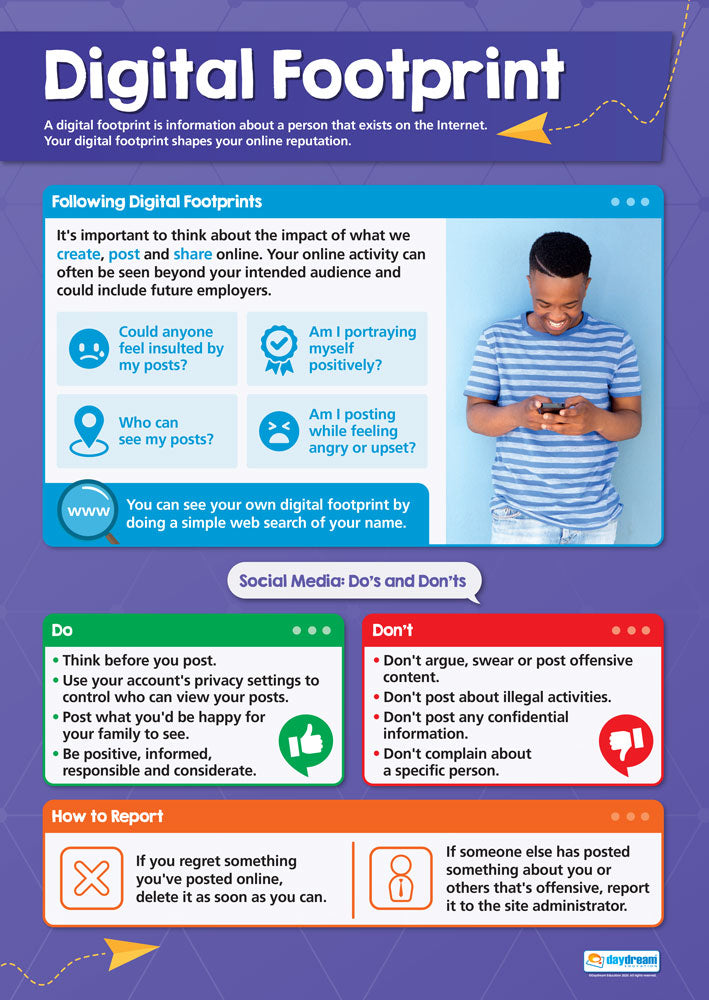
Visual learning tools serve as powerful anchors for abstract ideas, especially when teaching children aged five to twelve about permanent digital trails. This specific coloring resource illustrates how online actions—ranging from uploaded drawings to chat messages—remain visible long after screens turn off. It sounds simple, and that’s the point. By focusing on fundamental protective habits like keeping personal information private and thinking before sharing, the illustration prompts children to reflect on their choices. Coloring reinforces these messages through tactile engagement, allowing young minds to process information at their own pace without feeling overwhelmed by lectures or rigid rules. Related guide: Two Factor Authentication Coloring Page Kids.
Key Learning Outcomes
Children who engage with creative offline activities develop a clearer understanding of digital permanence and privacy boundaries. Through coloring, students learn that every online interaction leaves a trace, much like footprints in the sand. Here’s what makes this resource different: it shifts the focus from restriction to mindfulness, teaching students to identify what information belongs in the private sphere versus the public domain. Furthermore, the activity reinforces the vital reassurance that children are never in trouble for reporting something uncomfortable to a trusted adult, fostering an open line of communication between home and school.
How to Use This Printable
Classrooms and living rooms transform into collaborative spaces when adults sit down alongside children with crayons and markers. Educators can introduce the poster during morning meetings, while parents might pin the finished artwork near the family computer station as a gentle, visual reminder of safe practices. Incorporating related materials like Worksheets adds depth to the lesson by prompting written or verbal reflections. The goal is to spark organic conversations about online experiences, allowing children to articulate what they see in in-game chats or video platforms without judgment.
Practical Tips for Parents and Teachers
Facilitating meaningful discussions around digital citizenship begins with asking open-ended questions while the coloring takes place. Adults can prompt reflection by asking what kind of tracks they want to leave online, connecting the artwork directly to everyday device use. Establishing strong passwords and recognizing red flags become team efforts rather than solitary chores when paired with creative tasks. Keeping the tone calm and empowering ensures that safety remains a skill to build rather than a threat to dread, positioning adults as supportive guides in the digital world.
Age-Appropriate Recommendations
Younger elementary students benefit from focusing on basic boundaries, such as keeping full names and home addresses offline, while older children can explore the broader concept of digital reputation. Aligning these lessons with the ISTE Standards for Students ensures that children cultivate responsible, ethical behavior as digital citizens suited to their developmental stage. Educators can scale the complexity of the accompanying conversation based on age, ensuring kindergarteners grasp simple sharing rules while fourth graders discuss the permanence of public comments on shared devices.
According to Common Sense Media, children as young as five regularly navigate digital platforms on shared household devices, making early literacy in digital footprints essential for safe exploration.
Frequently Asked Questions
Navigating digital citizenship resources is straightforward when clear answers are readily available for parents, teachers, and school counselors.
Explore More Free Kids Online Safety Printables
Expanding the digital safety toolkit helps reinforce these crucial lessons across different settings and learning styles. Exploring collections like Coloring Pages offers additional creative opportunities to discuss online boundaries with elementary students. For broader strategies on protecting young learners, browsing resources centered on Online and Digital Safety ensures that homes and classrooms remain equipped with up-to-date, empowering guidance for every stage of childhood.
Developmental Milestone & Activity Table
| Development Stage | Recommended Daily Duration | Primary Learning Objective |
|---|---|---|
| Preschool & Pre-K | 10 – 15 Minutes | Pencil grip development & basic pre-stroke lines |
| Kindergarten | 15 – 20 Minutes | Letter/number formation & spatial line awareness |
| Early Elementary (Grade 1–2) | 20 – 30 Minutes | Fluency, sentence construction & neatness |
Images References