Introduction
Young children step into digital spaces long before they learn to write essays or manage complex passwords. Modern childhood frequently involves shared household tablets, cooperative in-game chat features, and video streaming platforms where algorithmic recommendations shift rapidly from cartoons to unexpected content. Adults face the ongoing challenge of introducing protective habits without generating fear. Effective digital citizenship education requires accessible tools that meet young learners at their developmental level. The internet safety coloring pages printable available on {site_name} bridges this gap by transforming abstract rules into engaging, hands-on learning moments. Coloring reinforces safety messages through motor engagement, helping children internalize protective concepts while keeping the atmosphere calm and approachable.
💡 Activity Key Takeaways:
- Core Focus: Printable Internet Safety Coloring Pages Printable designed for creative expression and fine-motor coordination.
- Target Scope: Ideal for toddlers, preschool, kindergarten, and classroom art activities.
- Best Recommendation: Use standard heavy printer paper (24–28 lb) or cardstock for vibrant results with crayons, colored pencils, or washable markers.
What This Printable Covers
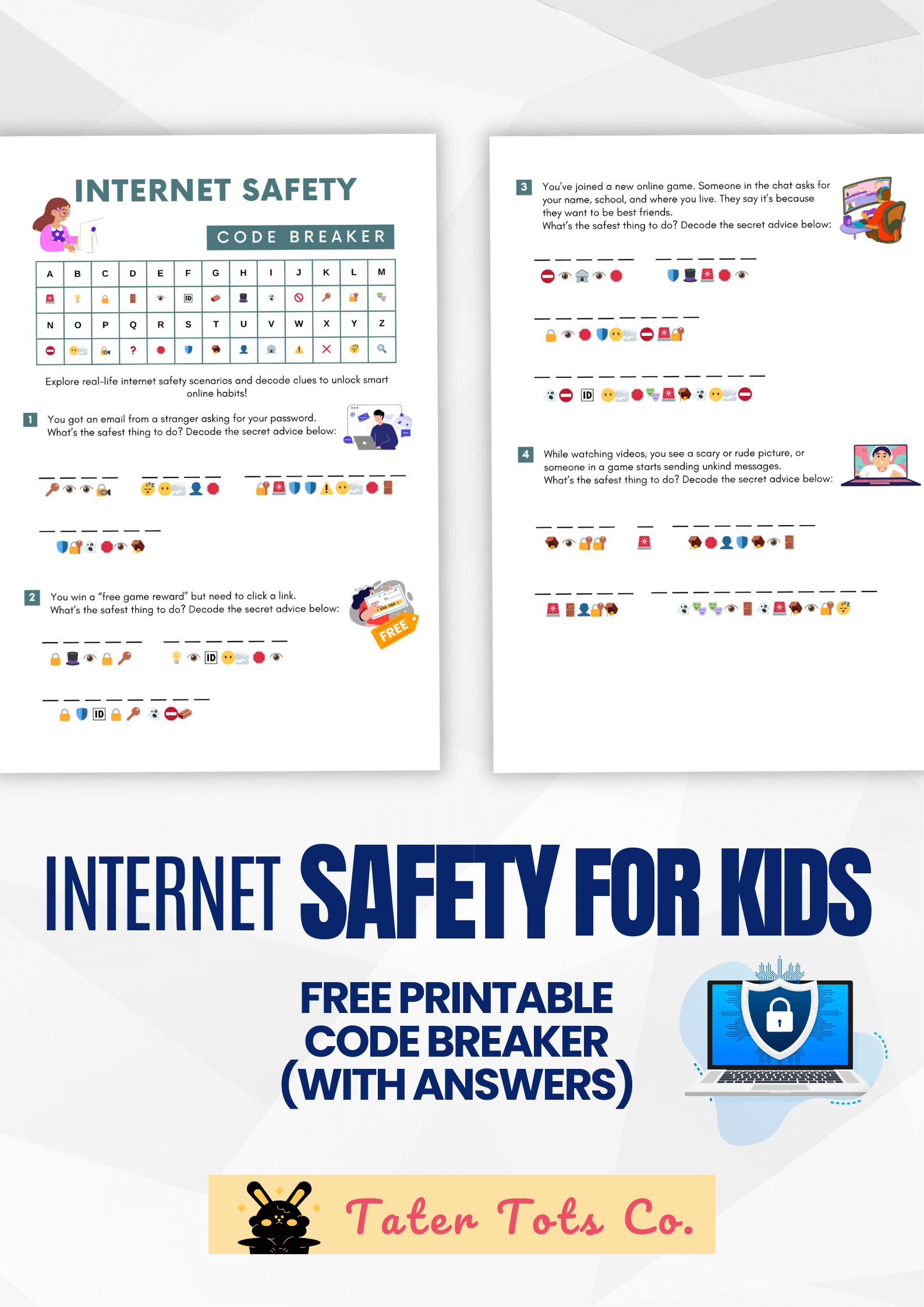
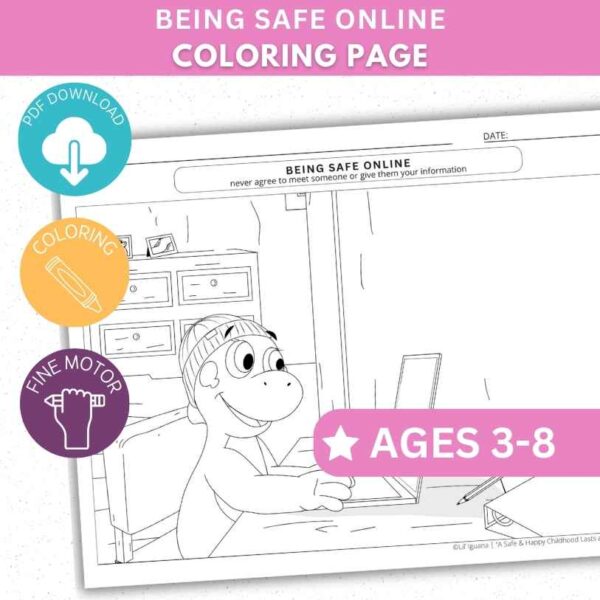
Visual learning tools work exceptionally well for early elementary students who are still developing critical thinking and abstract reasoning skills. This resource addresses foundational protective habits that every child needs before navigating connected devices independently. Artwork highlights scenarios involving keeping personal information private, recognizing strong passwords, understanding that not everything online is true, and knowing whom to approach when something feels wrong. Children encounter digital risks naturally during routine screen time, such as entering a username in an app or interacting with peers inside a multiplayer game environment. It sounds simple, and that’s the point. Grounding safety lessons in familiar, everyday scenarios empowers children to make smart choices without feeling overwhelmed by technical jargon. Related guide: Two Factor Authentication Coloring Page Kids.
Key Learning Outcomes
Working through these pages helps children connect creative expression with real-world digital safety rules. Learners begin to identify what constitutes private information, such as home addresses and full names, distinguishing those details from harmless preferences like favorite colors. Another primary outcome is reinforcing the golden rule of digital communication: pausing before clicking, sharing, or responding to unfamiliar prompts. Most importantly, the resource emphasizes that children are never in trouble for reporting something uncomfortable, confusing, or scary they encountered online. Cultivating this open line of communication ensures kids view trusted adults as safe harbors rather than enforcers of arbitrary punishments.
How to Use This Printable
Educators and caregivers can integrate these creative exercises seamlessly into morning meetings, rainy day recess activities, or calm-down corners. Coloring provides a low-pressure environment where children feel comfortable asking questions and sharing observations about their own screen time experiences. As crayons move across the paper, natural opportunities arise to discuss the broader Internet and Digital Safety landscape without turning the lesson into a lecture. Adults can ask open-ended questions about what the characters in the coloring sheet are doing, guiding the conversation toward smart decision-making and digital resilience. For deeper exploration, pair these artistic exercises with targeted Worksheets designed to test comprehension through matching and sorting activities.
Practical Tips for Parents and Teachers
Maximizing the educational value of these pages involves slowing down the process and treating coloring time as conversation time. Instead of handing out the sheets as independent busywork, adults should sit alongside children and color together, fostering a collaborative dialogue. Here’s what makes this resource different: it serves primarily as a conversation starter rather than a standalone compliance tool. Asking children to explain why a character in the drawing chose to tell a grown-up about a strange pop-up helps solidify the desired behavior. Consistency matters, so revisiting these visual themes periodically ensures the concepts remain top of mind as children grow and encounter new digital platforms.
Age-Appropriate Recommendations
Tailoring digital literacy to developmental stages ensures that learning stays relevant and digestible for children aged five through twelve. Younger children in kindergarten and first grade benefit immensely from coloring pages focusing on basic boundaries, such as keeping devices in common family areas and asking for permission before downloading apps. Second and third graders can explore slightly more advanced concepts, including password privacy and polite communication in shared multiplayer spaces. According to the Common Sense Education Digital Citizenship Curriculum framework, teaching these skills progressively helps children build agency and self-regulation over time. Older elementary students can use the imagery to reflect critically on their digital footprints and the permanence of online actions.
Young children frequently encounter digital environments through shared family devices and interactive gaming platforms, making early habit-building essential. — Pew Research Center
Frequently Asked Questions
Getting started with digital citizenship resources should be straightforward for busy educators and parents managing classrooms or households. Clear answers regarding accessibility and educational value help adults deploy these tools with confidence. Every printable asset is designed for immediate home or classroom integration, requiring no specialized preparation beyond standard printing supplies. Reviewing these common inquiries ensures a smooth implementation process for all caregivers seeking to build robust digital safety habits in young learners.
Teaching children to identify trusted adults for reporting online discomfort significantly reduces long-term digital vulnerability. — National Center for Missing & Exploited Children
Explore More Free Kids Online Safety Printables
Expanding a digital citizenship curriculum requires a diverse array of complementary resources that reinforce key lessons from different angles. Educators and families can browse additional Coloring Pages to find fresh artwork targeting specific online behaviors and positive digital habits. Building a comprehensive safety toolkit also involves exploring broader resources dedicated to Online and Digital Safety to ensure children receive consistent guidance across every learning environment they inhabit.
Key Specifications & Age-Group Overview
| Age / Grade Group | Target Skill Focus | Recommended Medium |
|---|---|---|
| Toddlers (Ages 2–4) | Hand-eye coordination & broad motor grasp | Jumbo crayons & washable finger paints |
| Early Elementary (Ages 5–7) | Line boundaries & fine pencil control | Standard colored pencils & fine-tip markers |
| Intermediate (Ages 8+) | Color blending, shading & artistic patience | Watercolor pencils, gel pens & dual-brush markers |
Images References