Introduction
Digital safety education often starts with abstract warnings that zoom right past young learners. Children navigate technology differently today, frequently encountering online risks through shared family tablets, in-game chat features on multiplayer platforms, or autoplay video channels rather than mysterious back-alley corners of the internet. Translating digital citizenship into accessible concepts requires tools that engage the hands while focusing the mind. Coloring provides a low-stakes, tactile medium that helps young children process complex ideas without anxiety. Utilizing free printable cyber safe coloring pages available through {site_name} bridges the gap between screen time and real-world understanding, turning quiet art sessions into natural gateways for meaningful conversations about online boundaries.
💡 Activity Key Takeaways:
- Core Focus: Printable Cyber Safe Coloring Pages designed for creative expression and fine-motor coordination.
- Target Scope: Ideal for toddlers, preschool, kindergarten, and classroom art activities.
- Best Recommendation: Use standard heavy printer paper (24–28 lb) or cardstock for vibrant results with crayons, colored pencils, or washable markers.
What This Printable Covers
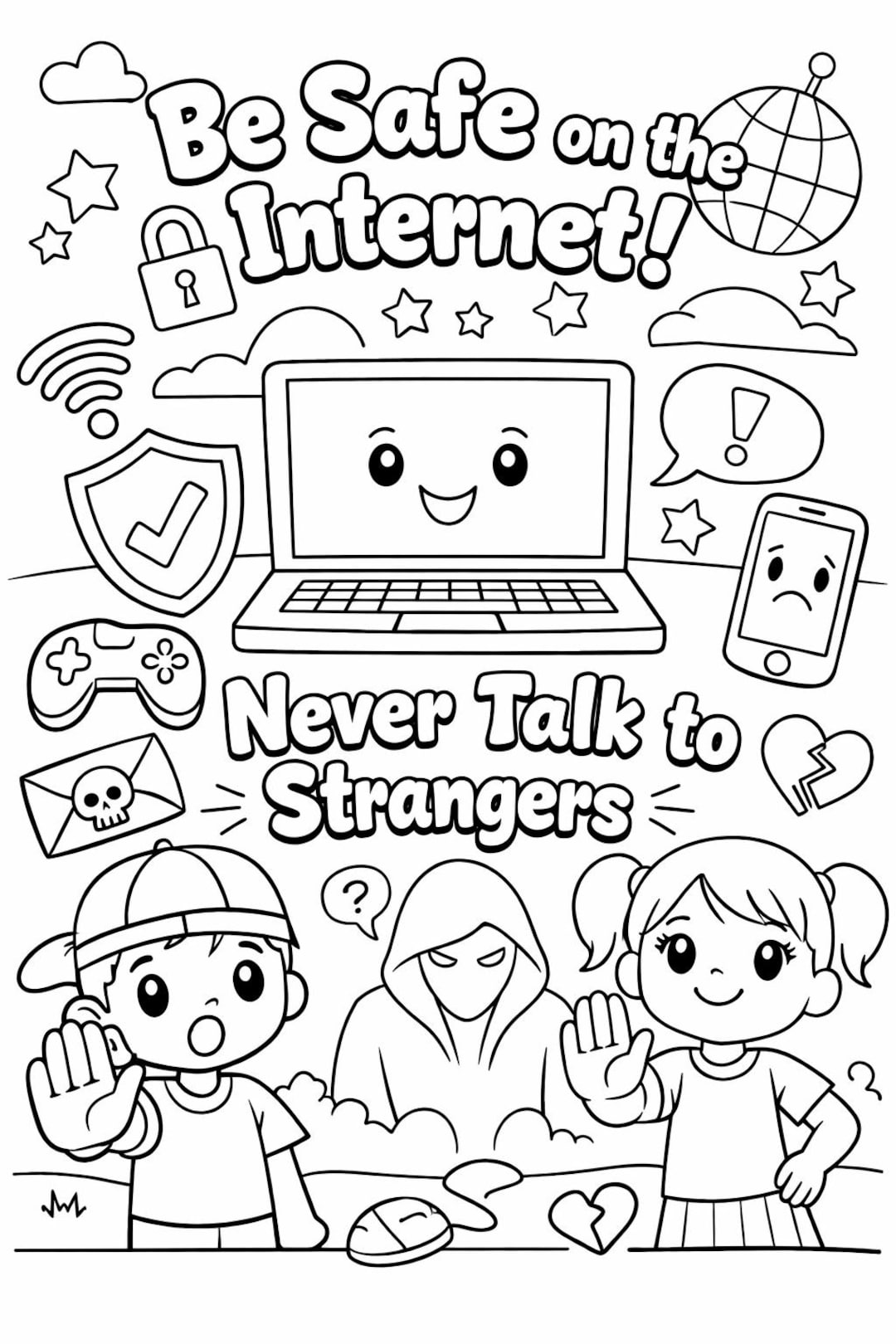
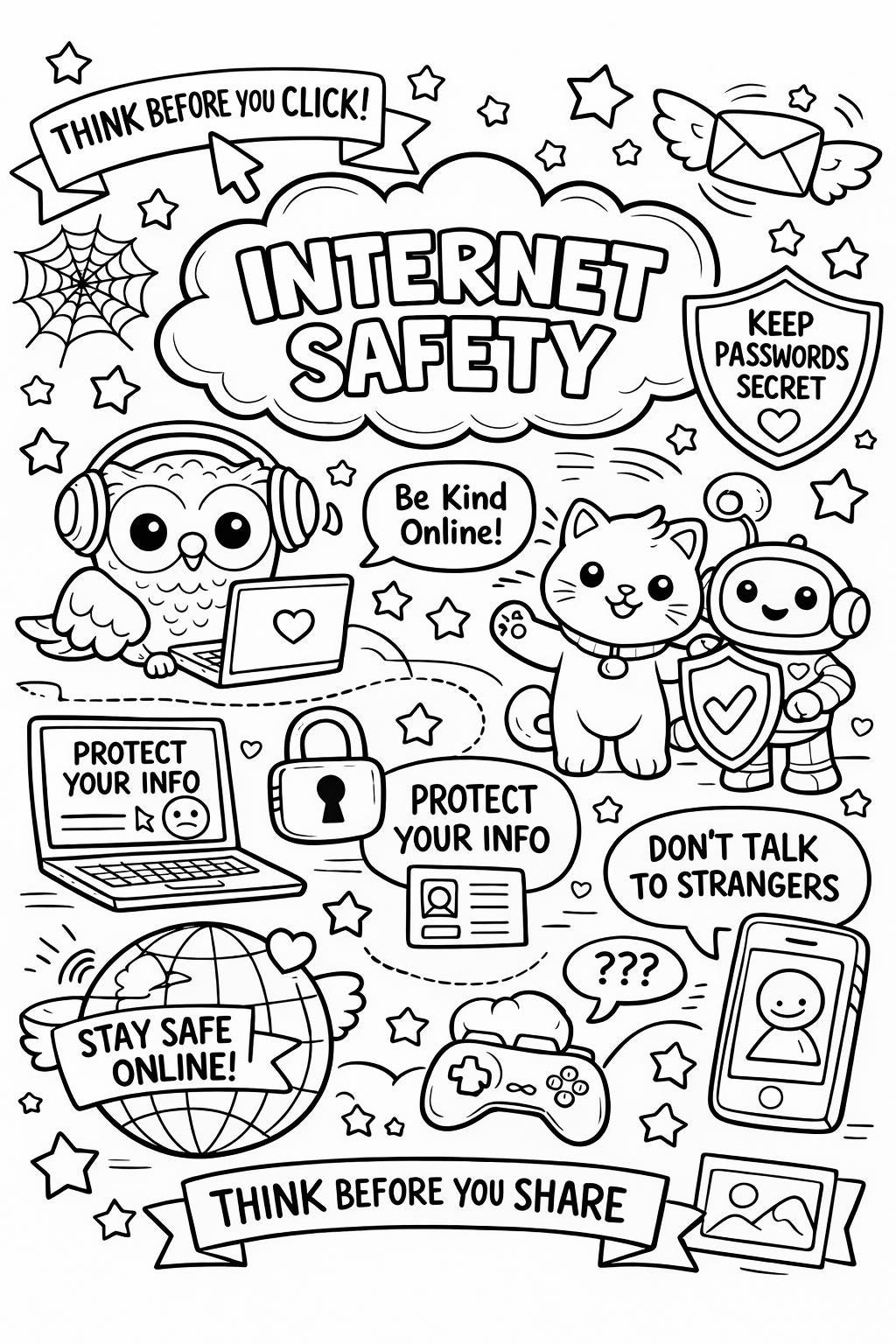
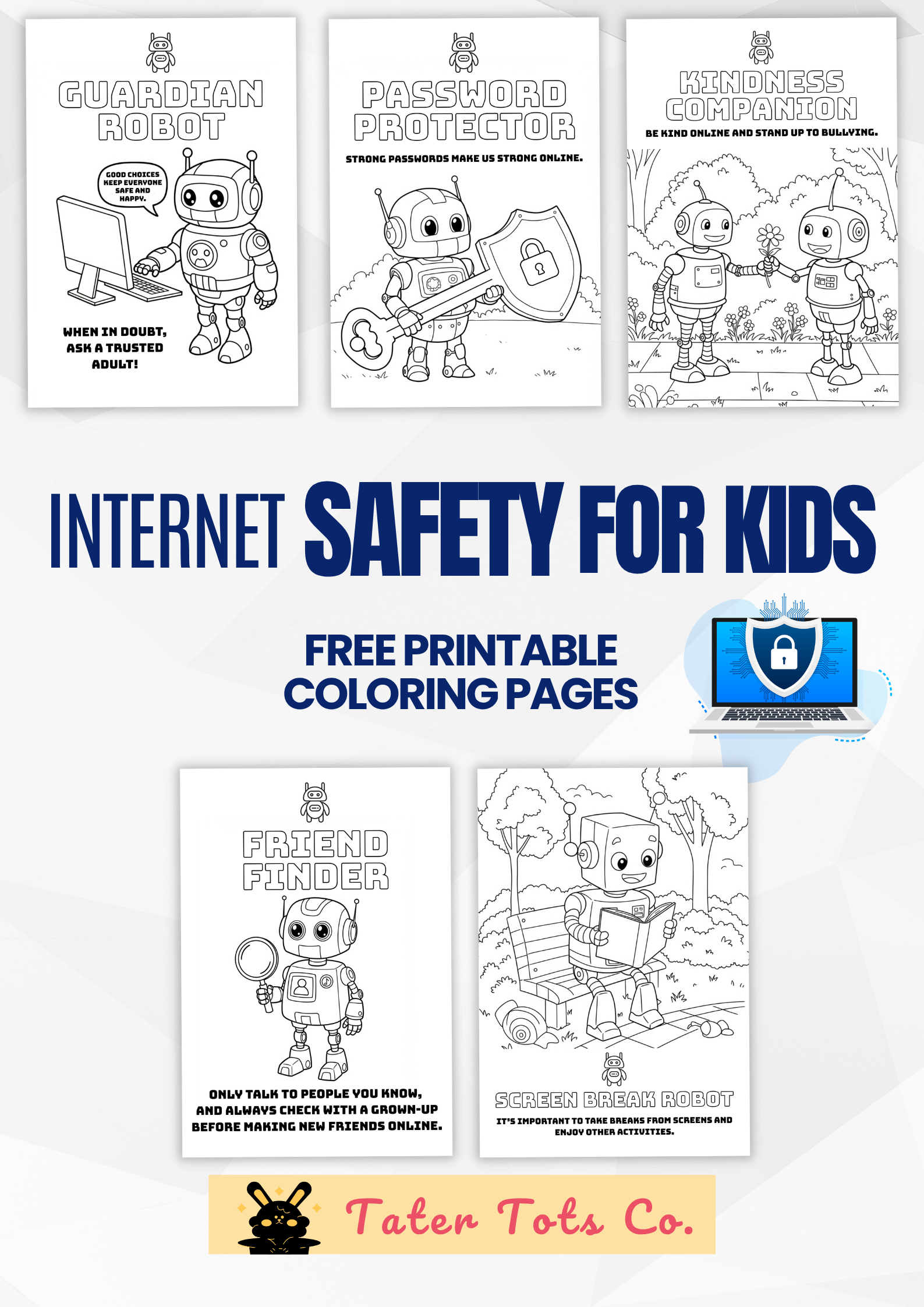
Artistic expression acts as an anchor for memory retention, making foundational internet habits stick far better than verbal lectures alone. The illustrations focus on protective, proactive routines such as creating strong passwords, guarding personal information like home addresses and full names, and pausing before clicking or sharing content. Every design visually reinforces the golden rule of digital spaces: treating online peers with kindness and immediately seeking a trusted adult when something feels confusing or uncomfortable. It sounds simple, and that’s the point. Young learners absorb these messages best when stripped of fear-mongering and framed as superpowers for navigating the digital world safely.
Key Learning Outcomes
Children develop a concrete vocabulary for digital boundaries through targeted coloring activities that isolate one safety concept per page. Recognizing secure situations versus red flags becomes second nature when students repeatedly color scenes depicting kids logging out of shared accounts or asking permission before downloading apps. According to Common Sense Media, children engage more deeply with media literacy concepts when paired with hands-on creative tasks that allow them to reflect at their own pace. Furthermore, these sheets consistently emphasize a critical reassurance: children are never in trouble for reporting an uncomfortable online encounter, establishing a vital line of transparent communication between home, school, and the child.
How to Use This Printable
Integrating these pages into existing routines requires minimal preparation, whether at a kitchen table or a kindergarten art center. Educators often use the Coloring Pages as a calm-down transition after heavy screen-time lessons, letting students decompress while reinforcing good habits. Adults can sit alongside the children, coloring their own sheet while prompting gentle, open-ended questions about favorite games or online experiences. Instead of grilling children about their internet usage, adults can simply ask what the character on the page is doing to stay safe. This casual approach removes defensive barriers and invites honest dialogue about everyday digital habits.
Practical Tips for Parents and Teachers
Maximizing the educational value of these printables involves leaning into the artwork as a storytelling prompt. Asking learners to describe what happens next in the colored scene helps bridge imaginative play with practical decision-making skills. For deeper exploration of foundational topics, pairing these artistic exercises with broader Internet and Digital Safety curricula ensures consistency across different learning environments. Educators and caregivers should display completed artwork proudly on bulletin boards or refrigerators, turning everyday kitchen spaces into positive visual reminders of smart digital citizenship.
Age-Appropriate Recommendations
Children between ages five and twelve process digital environments through vastly different developmental lenses, meaning adult facilitation must scale accordingly. Younger elementary students need concrete visuals focusing on basic boundaries, such as keeping devices in common family areas and asking before clicking pop-ups. Older elementary students benefit from diving into nuanced topics like digital footprint management and respectful communication within multiplayer gaming lobbies. This progressive approach aligns directly with the ISTE Standards for Students, which encourage empowered, responsible digital learners who understand the permanent nature of their online choices. Curating these activities alongside structured Worksheets provides a well-rounded toolkit for educators addressing multiple learning styles in a single classroom.
According to recent research by the Pew Research Center, the vast majority of parents express concern about their young children navigating digital platforms and encountering inappropriate content prematurely, highlighting the ongoing need for early, accessible safety education. — Pew Research Center
Frequently Asked Questions
Parents and educators frequently ask how to access these materials and weave them seamlessly into daily instruction. The answers below address downloading logistics, educational value, and institutional guidelines designed to support safe device usage.
Explore More Free Kids Online Safety Printables
Building a robust foundation in digital citizenship takes consistent reinforcement across multiple formats and platforms. Expanding the lesson plan with additional Online and Digital Safety resources ensures that children continuously encounter positive messaging about protecting their privacy and treating peers with respect. Every conversation sparked by these printables strengthens a child’s inner resilience, ensuring they feel confident, supported, and well-equipped to explore the digital world safely.
Key Specifications & Age-Group Overview
| Age / Grade Group | Target Skill Focus | Recommended Medium |
|---|---|---|
| Toddlers (Ages 2–4) | Hand-eye coordination & broad motor grasp | Jumbo crayons & washable finger paints |
| Early Elementary (Ages 5–7) | Line boundaries & fine pencil control | Standard colored pencils & fine-tip markers |
| Intermediate (Ages 8+) | Color blending, shading & artistic patience | Watercolor pencils, gel pens & dual-brush markers |
Images References