Introduction
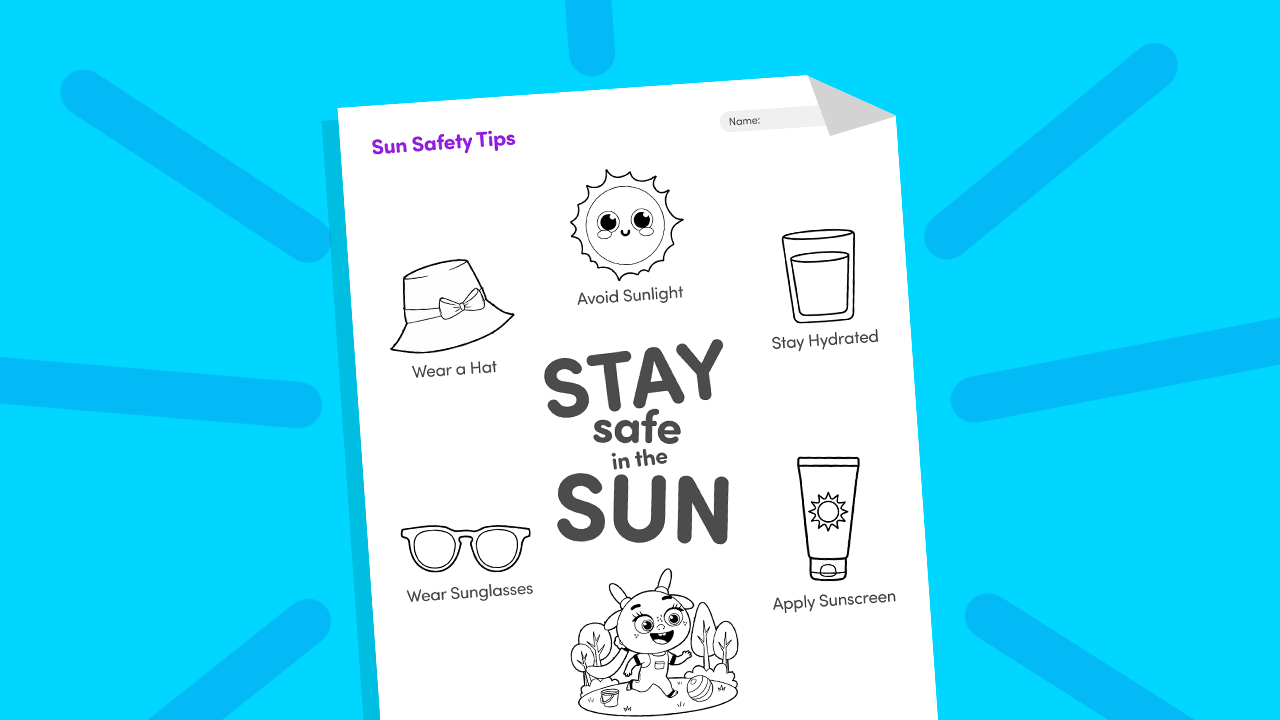
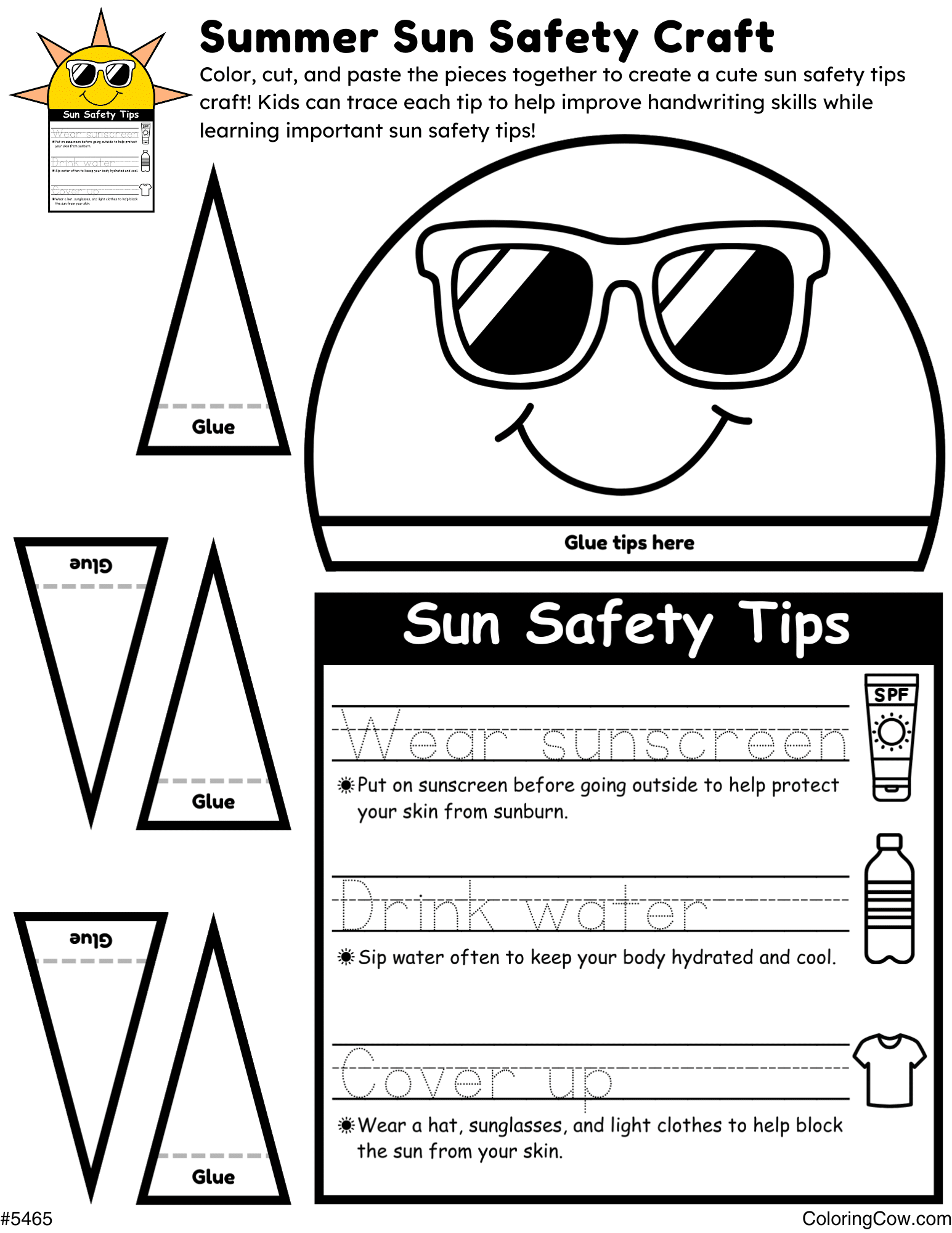
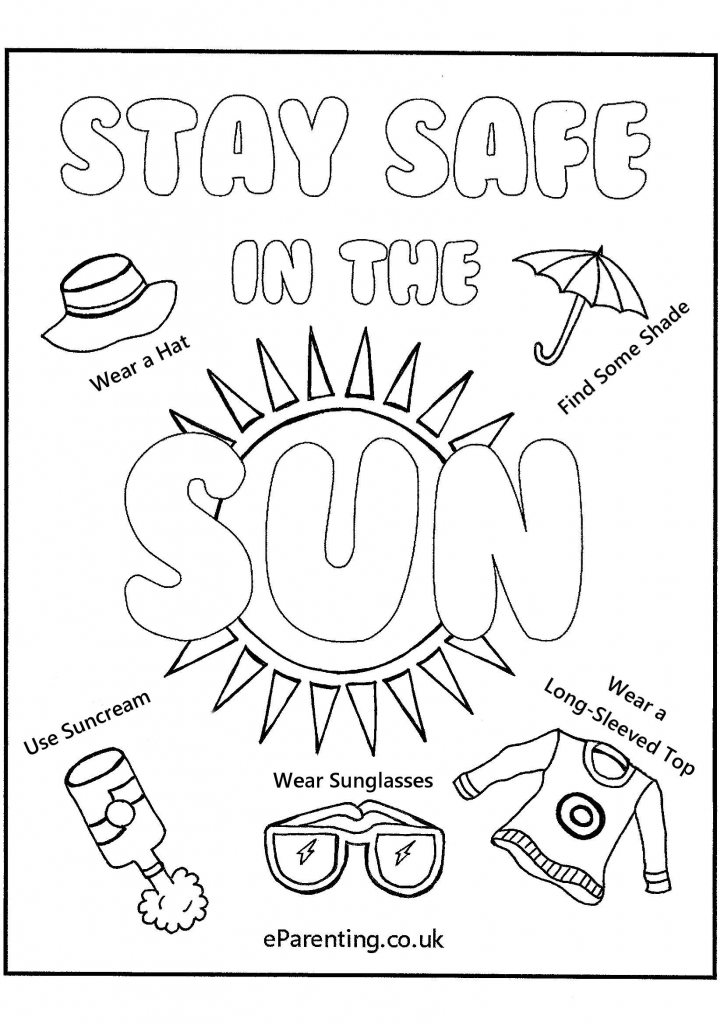
Digital citizenship education rarely begins with complex coding concepts or high-tech firewall configurations. Instead, foundational internet safety starts with tactile, recognizable metaphors that young children easily grasp long before typing their first username. Young learners frequently encounter online environments through shared household tablets, casual in-game chats on gaming consoles, or looping video platforms during downtime. Connecting physical world safety routines, such as wearing sunblock to protect the skin, creates an intuitive bridge for understanding digital boundaries. Introducing the free printable stay safe in the sun printable colouring resource provides educators and families with a creative tool to launch these vital discussions. Coloring page activities reinforce safety messages effectively while simultaneously opening natural conversations about protecting personal well-being in both physical and virtual spaces. Related guide: Two Factor Authentication Coloring Page Kids.
💡 Educational Key Takeaways:
- Core Skill: Structured Stay Safe In The Sun Printable Colouring focused on developing pencil grip, stroke control, and early literacy/math confidence.
- Target Scope: Suited for homeschoolers, preschool, kindergarten, and elementary learners.
- Best Recommendation: Practice 10–15 minutes daily with ergonomic writing tools to reinforce muscle memory without hand fatigue.
WhatThis Printable Covers
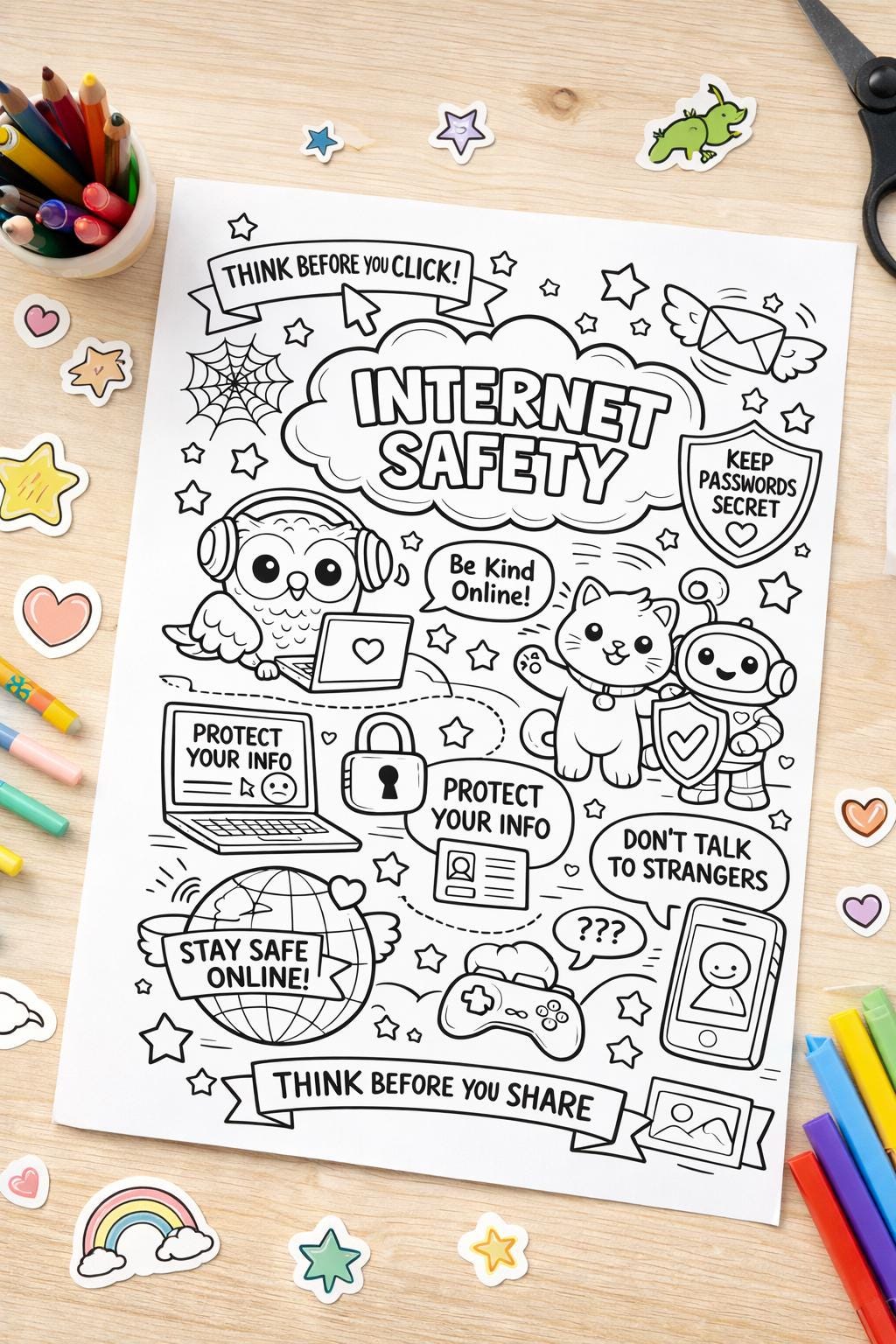
This printable resource uses engaging imagery to illustrate the importance of putting on protective layers before heading out into bright sunlight, mirroring how protective habits shield individuals online. Children explore core concepts of digital wellness by drawing parallels between physical exposure and sharing personal data across interconnected networks. It sounds simple, and that is the point. When kids color scenes depicting preparation and caution, cognitive associations form regarding internet literacy and self-defense. The artwork highlights essential habits such as keeping private information secure, recognizing when something feels uncomfortable, and immediately informing a trusted adult. Crucially, the accompanying discussions reinforce that children are never in trouble for reporting unexpected or distressing digital encounters.
Key Learning Outcomes
Working through these creative sheets builds specific cognitive and social-emotional competencies for elementary-aged learners. Children practice identifying trusted helpers in their immediate communities and digital environments, establishing a reliable network of support. Learners discover the importance of pausing before sharing details online, translating the mindfulness of checking weather conditions into thoughtful digital behavior. Furthermore, participants learn to articulate boundaries clearly when faced with unfamiliar online requests or messaging prompts. These skills support broader digital citizenship goals found across various Internet and Digital Safety curricula used in modern classrooms.
How to Use This Printable
Classrooms, homeschool groups, and counseling offices benefit from integrating these creative pages into morning meeting routines or quiet center time. Adults can distribute crayons or markers, allowing participants to settle into a focused, low-pressure creative state that naturally encourages open dialogue. Here is what makes this resource different: the artwork acts as a visual anchor, removing the interrogation-style pressure often associated with talking about technology use. Educators can prompt casual reflections by asking open-ended questions about how protection keeps people safe both outside and inside digital worlds. Children often express nuanced thoughts about their favorite games or video apps more freely while their hands are busy coloring.
Practical Tips for Parents and Teachers
Facilitating these sessions requires a calm, empowering approach that frames safety as a lifelong skill to build rather than a threat to dread. Adults should avoid instilling fear and instead focus on empowering kids to make smart choices when navigating shared screens. Establishing a predictable routine helps reinforce these lessons over time, transforming abstract safety rules into actionable daily habits. Pairing visual arts with engaging Worksheets deepens comprehension and extends learning across different subjects. Keeping the tone positive ensures children view technology as an exciting tool that requires mindful navigation and appropriate preparation.
Age-Appropriate Recommendations
Children aged five through seven require concrete examples, making sun protection a brilliant allegory for guarding personal details like full names or home locations. Older elementary students, ranging from ages eight to twelve, can dive deeper into discussions regarding password strength, digital footprints, and respectful communication in multiplayer chat rooms. Aligning these lessons with the Common Sense Education Digital Citizenship Curriculum provides structured pathways that match developmental milestones across different grade levels. According to Common Sense Media, young people frequently access digital media through mobile devices in unsupervised spaces, highlighting the ongoing need for continuous, age-appropriate guidance from caring adults.
Children increasingly encounter digital environments through mobile screens and shared household devices — Common Sense Media
Frequently Asked Questions
Navigating digital citizenship resources successfully often brings up logistical and pedagogical questions for educators and caregivers alike. Providing clear, concise answers helps streamline implementation both at home and inside school environments. Reviewing these common inquiries ensures that adults maximize the educational value of creative safety activities without adding stress to their daily planning. Exploring additional Online and Digital Safety tools can further enhance these foundational lessons.
According to the Federal Trade Commission, equipping youth with digital literacy skills significantly reduces online vulnerability — Federal Trade Commission (FTC)
Explore More Free Kids Online Safety Printables
Expanding a child’s digital literacy toolkit requires access to diverse, engaging materials that address various aspects of modern technology use. Exploring additional Coloring Pages offers fresh opportunities to reinforce positive habits through creative expression. Consistent practice and open communication remain the most effective ways to ensure children feel confident, secure, and supported in all their digital adventures.
Developmental Milestone & Activity Table
| Development Stage | Recommended Daily Duration | Primary Learning Objective |
|---|---|---|
| Preschool & Pre-K | 10 – 15 Minutes | Pencil grip development & basic pre-stroke lines |
| Kindergarten | 15 – 20 Minutes | Letter/number formation & spatial line awareness |
| Early Elementary (Grade 1–2) | 20 – 30 Minutes | Fluency, sentence construction & neatness |
Images References