Introduction
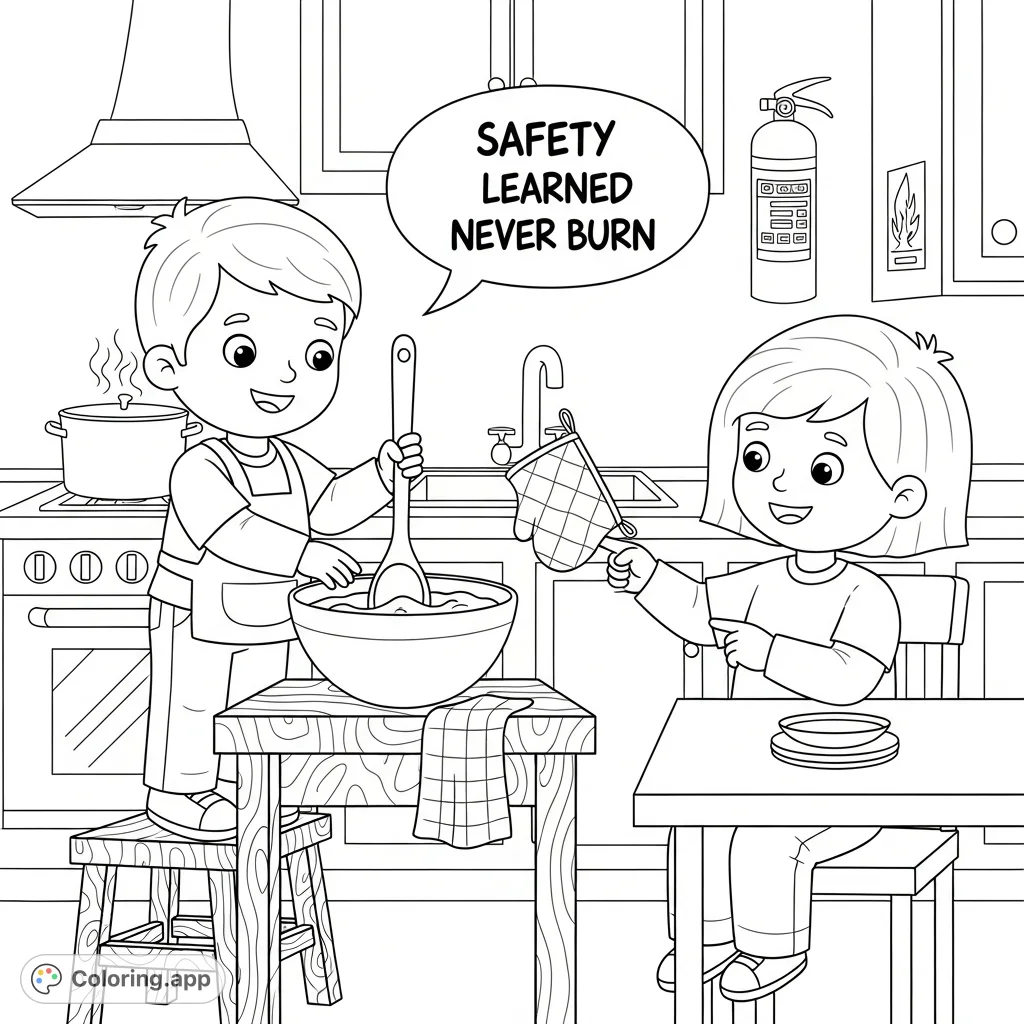
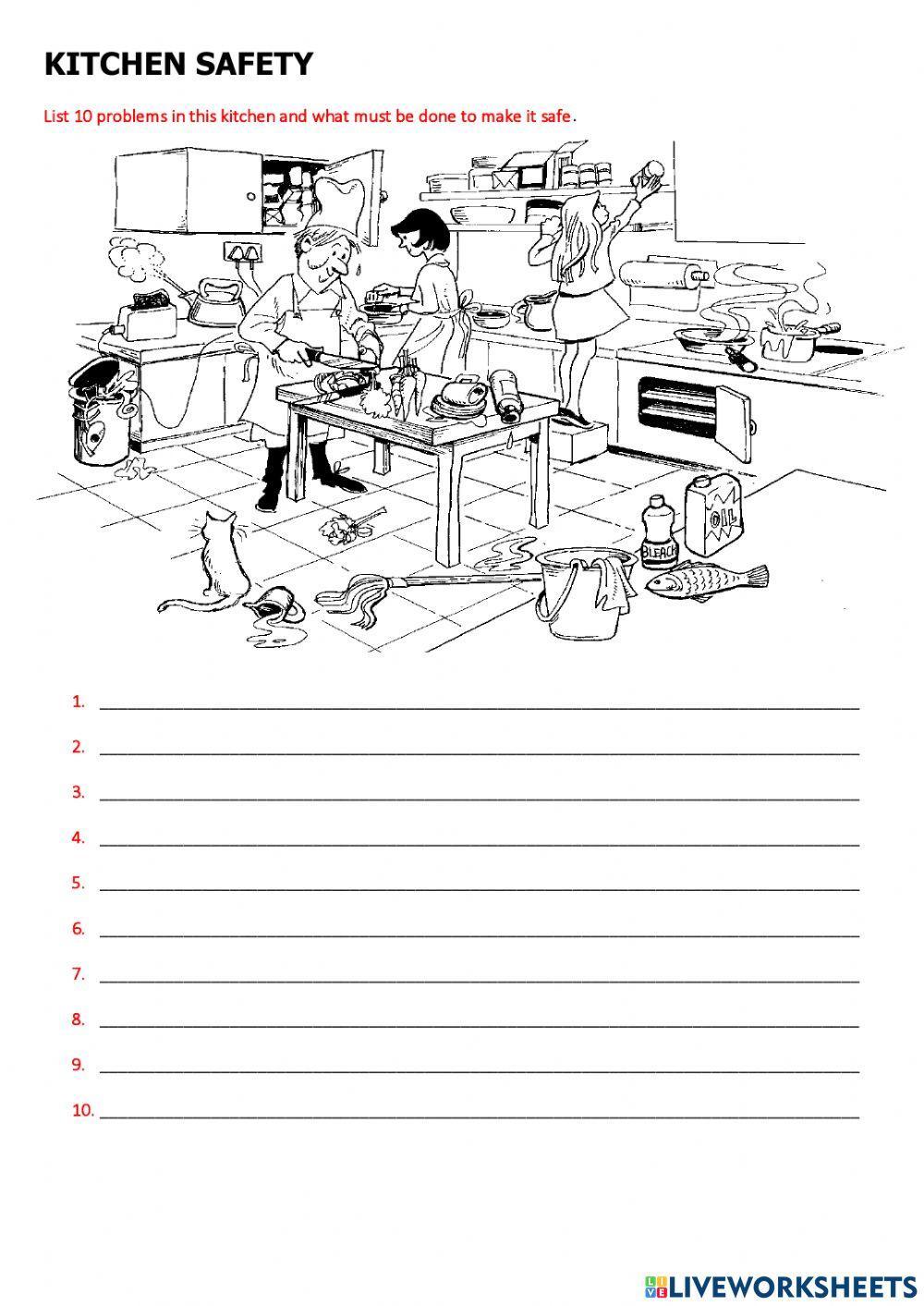
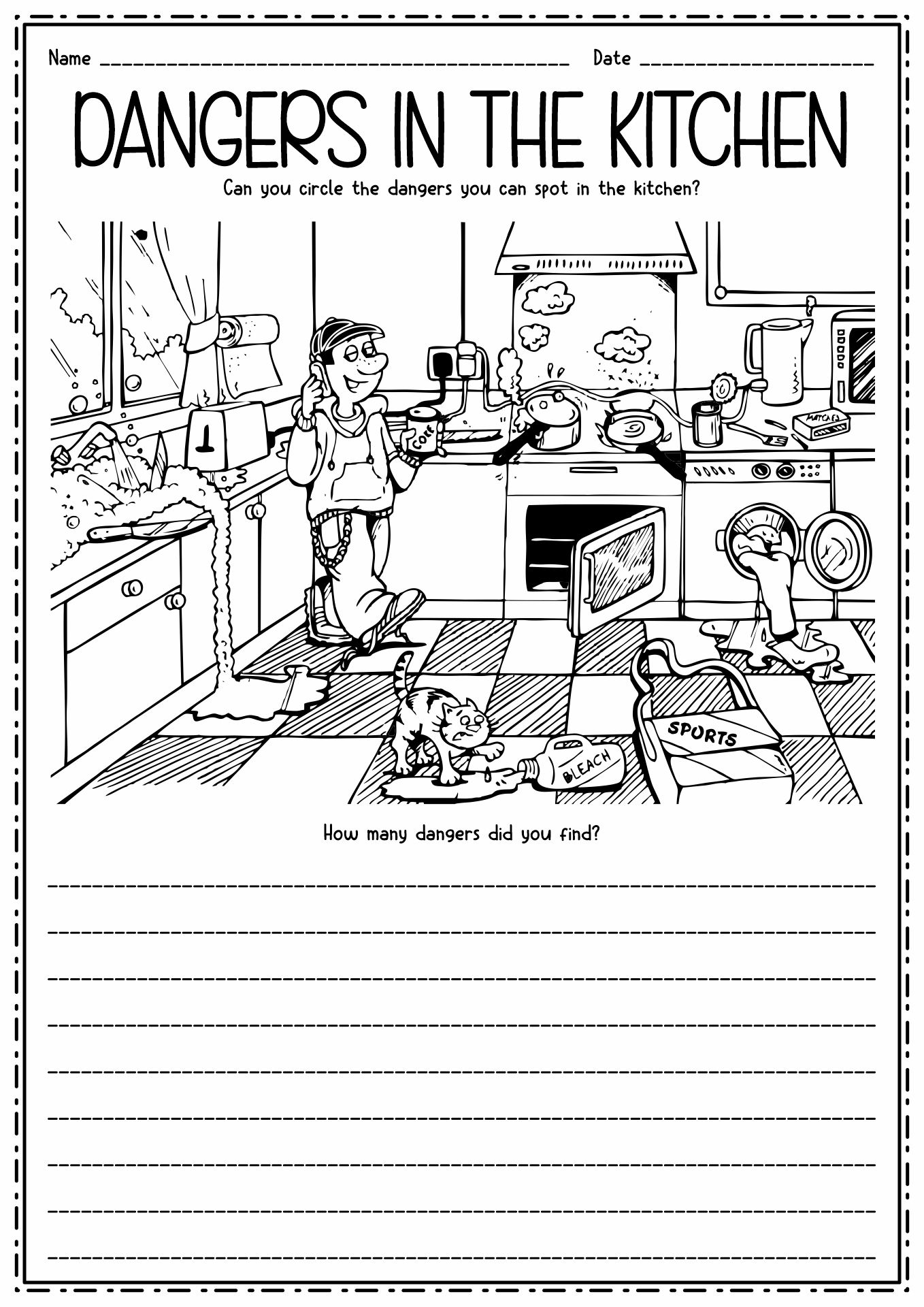
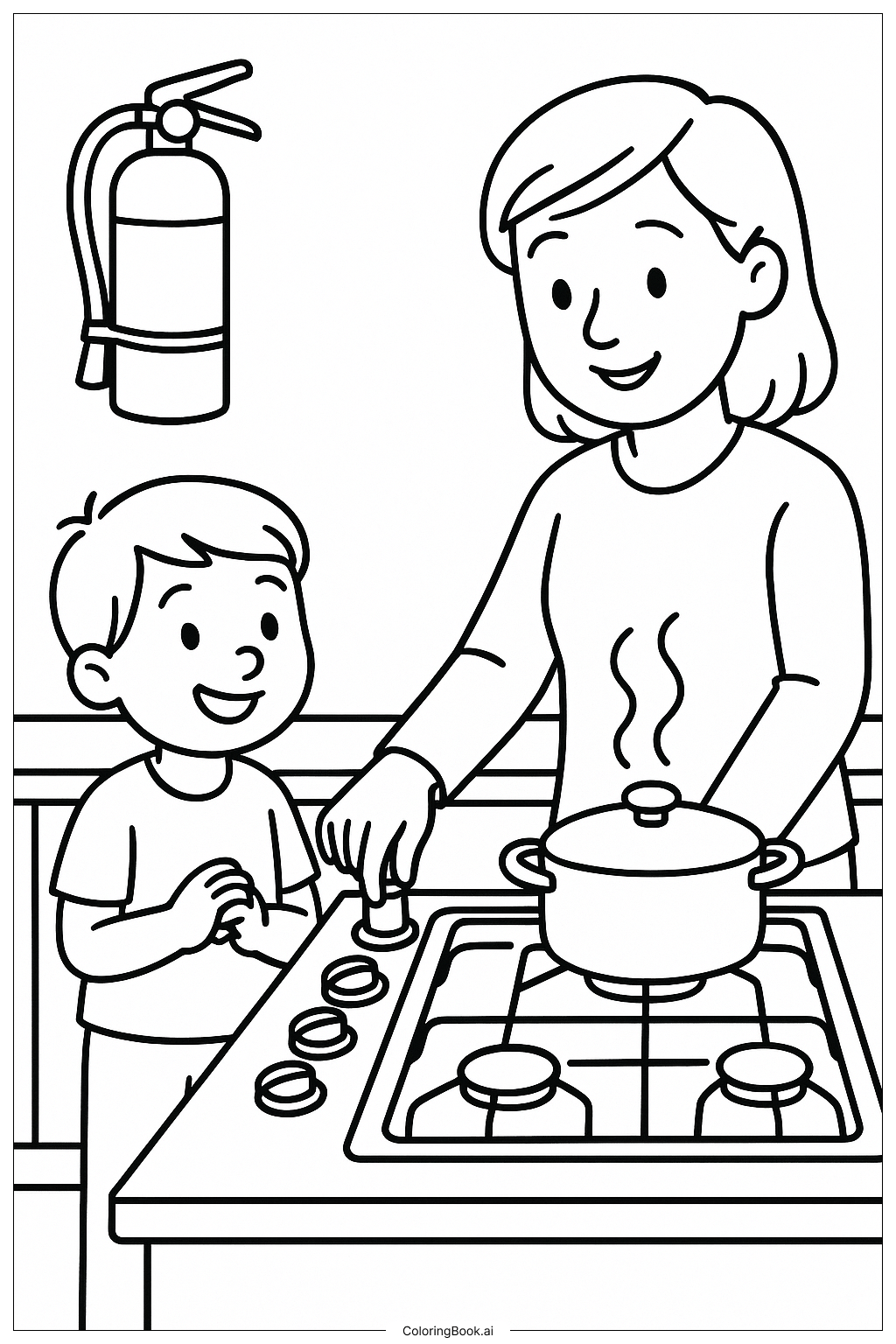
Guiding young children through the modern digital landscape requires tools that bridge the gap between abstract concepts and concrete understanding. Digital citizenship is rarely taught in a single lesson; instead, it grows through consistent, low-stakes conversations about boundaries, sharing, and trust. Educators and families frequently look for creative mediums that allow children to process these ideas at their own developmental pace. This is where artistic expression serves a profound purpose. The free kitchen safety coloring pages printable offers a brilliant parallel for discussing digital spaces, transforming domestic caution into memorable online habits through the trusted hub of Coloring Pages.
💡 Activity Key Takeaways:
- Core Focus: Printable Free Kitchen Safety Coloring Pages Printable designed for creative expression and fine-motor coordination.
- Target Scope: Ideal for toddlers, preschool, kindergarten, and classroom art activities.
- Best Recommendation: Use standard heavy printer paper (24–28 lb) or cardstock for vibrant results with crayons, colored pencils, or washable markers.
What This Printable Covers
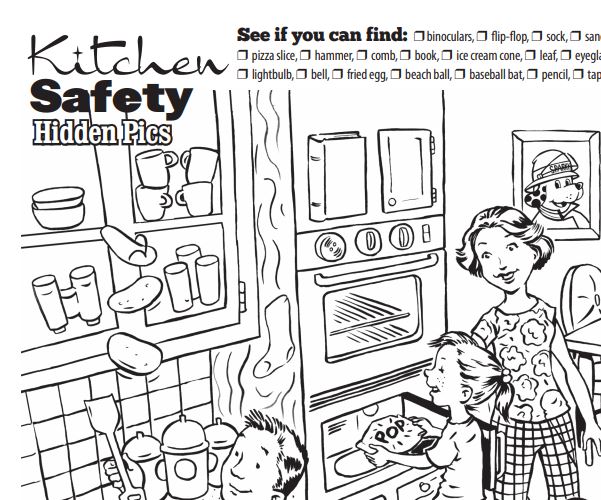
Visual learning tools excel at anchoring complex safety rules in familiar imagery. While the artwork depicts physical environments like stoves, sharp utensils, and pantry boundaries, the underlying themes map directly onto virtual environments. Children often navigate shared household tablets, encounter unexpected pop-ups during video viewing, or chat with peers inside multiplayer game lobbies without fully grasping invisible boundaries. Coloring reinforces safety messages by keeping hands busy while minds remain open to dialogue. As crayons fill in the lines of household scenarios, adults can seamlessly pivot the conversation toward digital spaces, drawing parallels between locking a physical door and keeping personal information private. Related guide: Please Provide Free 8.5″X11″ Digital Safety Coloring Pages For K-2 Grade.
Key Learning Outcomes
Working through these visual exercises helps children identify potential hazards before taking action. Young learners build critical thinking skills by pausing to evaluate a scene, much like they should pause before clicking an unknown link or sharing a real name online. Furthermore, these activities normalize asking for help from a trusted adult. When children understand that boundaries exist to protect them rather than restrict them, they feel more confident reporting uncomfortable online interactions. Crucially, reinforced messaging establishes that children are never in trouble for reporting something strange, fostering a transparent environment where safety rules are viewed as supportive rather than punitive.
How to Use This Printable
Implementing creative activities effectively means prioritizing discussion over perfection. Adults can print out the sheets and invite children to sit down for a relaxed art session, using the images as conversational prompts rather than tests of compliance. Asking open-ended questions about what characters in the pictures should do next encourages active problem-solving. It sounds simple, and that’s the point. Grounding digital concepts in tangible, everyday scenarios makes abstract rules about strong passwords and online behavior digestible for five-to-twelve-year-olds who learn best through concrete association.
Practical Tips for Parents and Teachers
Consistency matters when building lasting safety habits across home and school environments. Educators can pair these coloring activities with broader lessons found in curated Worksheets to reinforce learning through repetition. Adults should avoid lecturing during art time; instead, narrative storytelling works wonders. Telling a brief story about a time a character felt unsure about sharing information helps children relate personally. Displaying completed artwork on a refrigerator or classroom bulletin board also keeps the safety conversation visible and approachable day after day.
Age-Appropriate Recommendations
Children process safety rules differently depending on their developmental stage. For younger learners aged five to eight, focus centers on basic boundaries, such as asking an adult before using a device or sharing personal details. Older children aged nine to twelve can explore more nuanced topics, aligning with the Common Sense Education Digital Citizenship Curriculum framework, which emphasizes digital footprint management, respectful communication, and critical media literacy. Tailoring the conversation ensures that expectations match cognitive maturity without inducing unnecessary anxiety.
Young children frequently encounter digital risks through shared family devices and unmonitored in-game chat features during everyday play. — Pew Research Center
Frequently Asked Questions
Clear guidance helps adults maximize the impact of educational printables in classrooms and living rooms. Parents and teachers often wonder about the best ways to access and utilize these files without feeling overwhelmed by technical steps. The following answers address common inquiries regarding downloading, educational integration, and organizational recommendations for teaching online safety to children.
Routine open communication between children and trusted adults significantly reduces the lasting impact of negative online experiences. — National Center for Missing & Exploited Children
Explore More Free Kids Online Safety Printables
Expanding a digital citizenship toolkit requires access to diverse, high-quality materials tailored for growing minds. Educators and families can discover additional resources focusing on foundational habits, respectful communication, and device boundaries by exploring comprehensive collections on Internet and Digital Safety. Continuing education through creative exercises ensures that online safety remains an empowering, ongoing journey rather than a one-time lecture, supported by reliable insights found in Online and Digital Safety.
Key Specifications & Age-Group Overview
| Age / Grade Group | Target Skill Focus | Recommended Medium |
|---|---|---|
| Toddlers (Ages 2–4) | Hand-eye coordination & broad motor grasp | Jumbo crayons & washable finger paints |
| Early Elementary (Ages 5–7) | Line boundaries & fine pencil control | Standard colored pencils & fine-tip markers |
| Intermediate (Ages 8+) | Color blending, shading & artistic patience | Watercolor pencils, gel pens & dual-brush markers |
Images References