Introduction
Digital spaces are woven into the fabric of childhood long before children reach double digits. Young learners navigate school tablets, family smartphones, and multiplayer gaming consoles with remarkable dexterity. Yet, physical dexterity rarely matches digital discernment. Children frequently encounter unexpected pop-ups, chat prompts in favorite games, or shared family devices where account boundaries blur. Adults often rush to install restrictive filters, forgetting that technology changes faster than any software update. Building lasting habits requires more than blocking content; it requires building cognitive filters inside young minds. A thoughtful colouring page on online safety bridges the gap between abstract internet rules and tangible comprehension. Coloring engages the creative centers of the brain while calming the nervous system, creating an ideal state for absorbing new concepts without anxiety. Framing safety as a positive skill to master—rather than a terrifying minefield to navigate—empowers children to become thoughtful digital citizens. Related guide: Two Factor Authentication Coloring Page Kids.
💡 Educational Key Takeaways:
- Core Skill: Structured Colouring Page On Online Safety focused on developing pencil grip, stroke control, and early literacy/math confidence.
- Target Scope: Suited for homeschoolers, preschool, kindergarten, and elementary learners.
- Best Recommendation: Practice 10–15 minutes daily with ergonomic writing tools to reinforce muscle memory without hand fatigue.
WhatThis Printable Covers
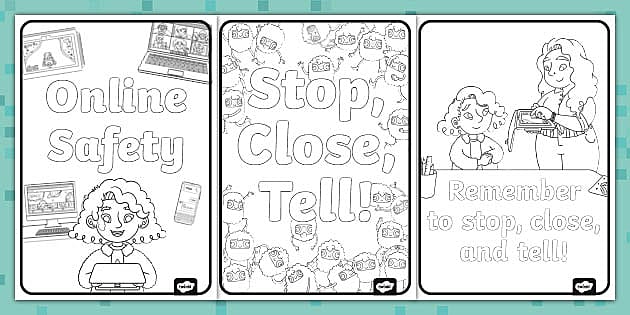
Visual learning tools work wonders for elementary-aged learners who are still developing abstract reasoning skills. This resource translates complex digital boundaries into memorable, concrete illustrations featuring friendly characters and relatable scenarios. The artwork highlights four foundational pillars of digital wellness: keeping personal information private, creating strong passwords, pausing before clicking or sharing, and immediately involving a trusted adult when something feels wrong. According to the Federal Trade Commission, children frequently use shared household devices and often stumble upon marketing traps or unintended downloads without realizing the implications. The messaging embedded in these pages reinforces that children are never in trouble for reporting an uncomfortable digital encounter. Establishing this trust early ensures young users will seek guidance instead of hiding mistakes out of fear.
Key Learning Outcomes
Working through these creative sheets helps children internalize critical online safety concepts through active participation. Learners identify what constitutes private information, such as home addresses, full names, and school names, distinguishing these details from harmless preferences like favorite colors or animals. The activity demonstrates how to pause and evaluate digital content before interacting with unexpected links or downloads. Participants also learn to recognize the emotional cues that signal a need for adult assistance, turning vague anxiety into a clear action step. Educators can pair these insights with lessons found across Internet and Digital Safety modules to deepen classroom discussions and build cohesive school-to-home messaging.
How to Use This Printable
Creative downtime provides a natural opening for low-pressure conversations about digital habits. Instead of treating internet safety as a formal lecture, adults can introduce the artwork during quiet reading time, art centers, or afternoon homework hours. As markers scratch across the paper, natural openings emerge to ask open-ended questions about favorite apps and online games. It sounds simple, and that is precisely the point. Children open up more easily when their hands are busy and eye contact is optional. The finished artwork can then be displayed near family charging stations or classroom computer carts as a colorful, child-made reminder of good digital citizenship choices.
Practical Tips for Parents and Teachers
Maximizing the educational impact of this activity requires intentional pacing and positive reinforcement. Adults should avoid turning the coloring session into a quiz or testing session; instead, let the imagery guide the dialogue organically. Mention real-world scenarios, such as receiving a strange message in an in-game chat or seeing a pop-up promising a free prize. Ask the children what character they would ask for help in that exact moment. Reinforcing these protective habits through ongoing dialogue ensures the lessons stick long after the crayons are put away. For those seeking additional hands-on materials, exploring the curated selection of Worksheets offers fantastic extensions for older elementary students.
Age-Appropriate Recommendations
Cognitive development dictates how children process digital risk, requiring tailored approaches for different developmental stages. Younger children in kindergarten through second grade benefit immensely from concrete visual aids that emphasize trusting adults and keeping basic information private. Older elementary students in third through fifth grade are ready to discuss broader concepts like password strength, digital footprints, and respectful communication in shared online spaces. Grounding these lessons in frameworks like the Common Sense Education Digital Citizenship Curriculum helps educators align activities with established developmental benchmarks. By meeting children at their exact developmental level, adults lay a sturdy foundation for lifelong digital resilience.
According to Common Sense Media research, a significant majority of children under the age of nine use mobile devices daily, often navigating apps and games independently before they have fully developed impulse control. — Common Sense Media
Frequently Asked Questions
Navigating digital citizenship questions can feel overwhelming for busy educators and families. Clear, direct answers help streamline the process of integrating safety resources into daily routines. Reviewing these common inquiries ensures seamless implementation whether working in a bustling classroom or setting up a home study space. For a broader variety of creative resources, browsing the available Coloring Pages provides endless opportunities to engage young learners. Integrating these materials consistently helps turn abstract rules into second nature.
Explore More Free Kids Online Safety Printables
Building a robust digital safety toolkit requires access to diverse, engaging educational resources that grow alongside developing minds. Supplementing creative exercises with structured lessons ensures children receive comprehensive guidance on navigating virtual environments safely and responsibly. Educators and families can discover additional tools by visiting Online and Digital Safety hubs for updated teaching strategies, printable prompts, and expert-backed guidance designed to empower the next generation of digital citizens.
Developmental Milestone & Activity Table
| Development Stage | Recommended Daily Duration | Primary Learning Objective |
|---|---|---|
| Preschool & Pre-K | 10 – 15 Minutes | Pencil grip development & basic pre-stroke lines |
| Kindergarten | 15 – 20 Minutes | Letter/number formation & spatial line awareness |
| Early Elementary (Grade 1–2) | 20 – 30 Minutes | Fluency, sentence construction & neatness |
Images References