Introduction
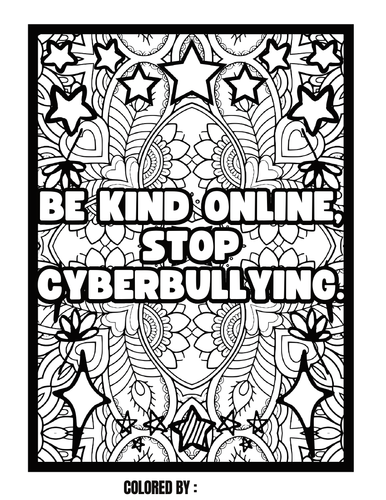
Digital spaces now form a primary playground for modern children. Young minds navigate shared household tablets, communicate through in-game chat features during virtual building sessions, and consume content on video platforms long before they reach secondary school. Navigating these rich virtual environments requires intentional guidance rather than avoidance. Educators and families constantly search for approachable methods to introduce digital citizenship without inducing fear. Art and creative play offer a natural entry point for these heavy topics. Creative exercises lower psychological barriers, allowing children to absorb protective habits naturally. Integrating free printable stop cyberbullying coloring pages into a daily routine provides a tactile, low-stress foundation for essential online safety discussions.
💡 Activity Key Takeaways:
- Core Focus: Printable Stop Cyberbullying Coloring Pages designed for creative expression and fine-motor coordination.
- Target Scope: Ideal for toddlers, preschool, kindergarten, and classroom art activities.
- Best Recommendation: Use standard heavy printer paper (24–28 lb) or cardstock for vibrant results with crayons, colored pencils, or washable markers.
What This Printable Covers
Visual learning tools simplify complex social concepts for young learners. The illustrations feature positive online behaviors, such as treating peers with kindness behind screens, choosing not to forward hurtful messages, and recognizing the boundary between playful teasing and persistent meanness. Children often encounter boundary-pushing language inside casual gaming lobbies or messaging apps where tone of voice gets lost. These graphics depict relatable scenarios that spark organic dialogue about empathy in digital spaces. Coloring reinforces safety messages and opens conversation because the manual act of shading gives restless hands a focal point, reducing the pressure sometimes felt during direct lectures. Here’s what makes this resource different: it transforms abstract internet rules into concrete, colorful examples that younger minds can easily process and remember.
Key Learning Outcomes
Targeted learning objectives ensure that creative time translates into real-world protective habits. Participants learn to identify respectful communication online and understand the value of treating others with the same dignity displayed in physical classrooms. Another core outcome involves reinforcing the safety net of trusted adults. Children discover that reporting uncomfortable digital interactions never lands them in trouble. Instead, seeking help from a parent, teacher, or counselor remains the smartest choice when something feels wrong. Lessons also touch upon keeping personal information private and pausing to think before sharing digital content.
How to Use This Printable
Implementing these creative activities requires minimal preparation across both home and school environments. Educators often introduce the sheets during morning meeting segments or computer lab transition times, pairing the artwork with a brief group discussion about digital kindness. Caregivers find success using the printables at the kitchen table while discussing household technology agreements. It sounds simple, and that’s the point. Coloring naturally slows down the pace, creating a relaxed window of time where children feel safe sharing online experiences, including minor conflicts or confusing moments witnessed on shared devices.
Practical Tips for Parents and Teachers
Maximizing the educational value of any artistic safety activity involves asking open-ended questions while crayons hit the paper. Adults can prompt reflection by asking what kindness looks like in a favorite video game or how a character on the page might feel. Avoid interrogative phrases that trigger defensiveness. Maintaining a calm, empowering tone ensures children view safety as a helpful skill to build rather than a looming threat to dread. Establishing clear rules regarding device usage alongside creative exercises reinforces these lessons in practical, everyday ways.
Age-Appropriate Recommendations
Tailoring digital citizenship instruction to developmental stages prevents overwhelming younger audiences while keeping older elementary students engaged. According to the Common Sense Education Digital Citizenship Curriculum framework, children in early elementary grades benefit most from foundational concepts focusing on basic kindness and simple privacy rules, while upper elementary students can analyze complex scenarios involving digital drama and bystander intervention. Kindergarteners and first graders respond well to visual recognition of friendly versus unfriendly screen behavior. Meanwhile, fourth and fifth graders can write brief captions or talk through strategies for supporting a peer who experiences exclusion online. According to Pew Research Center, a significant portion of teens and tweens experience some form of digital harassment, making early, age-appropriate habit-building vital for long-term resilience.
A significant portion of adolescents experience cyberbullying and digital harassment during their school-age years — Pew Research Center
Frequently Asked Questions
Answers to common inquiries help adults implement these resources effectively. For more structured lessons, explore additional resources available under Internet and Digital Safety materials to build a comprehensive digital citizenship curriculum.
Explore More Free Kids Online Safety Printables
Expanding a child’s digital literacy toolkit involves combining creative arts with practical exercises. Educators looking for supplementary materials can browse Online and Digital Safety guides alongside targeted Worksheets designed to reinforce password security, privacy awareness, and respectful online communication habits across all elementary grade levels.
Key Specifications & Age-Group Overview
| Age / Grade Group | Target Skill Focus | Recommended Medium |
|---|---|---|
| Toddlers (Ages 2–4) | Hand-eye coordination & broad motor grasp | Jumbo crayons & washable finger paints |
| Early Elementary (Ages 5–7) | Line boundaries & fine pencil control | Standard colored pencils & fine-tip markers |
| Intermediate (Ages 8+) | Color blending, shading & artistic patience | Watercolor pencils, gel pens & dual-brush markers |
Images References