Introduction
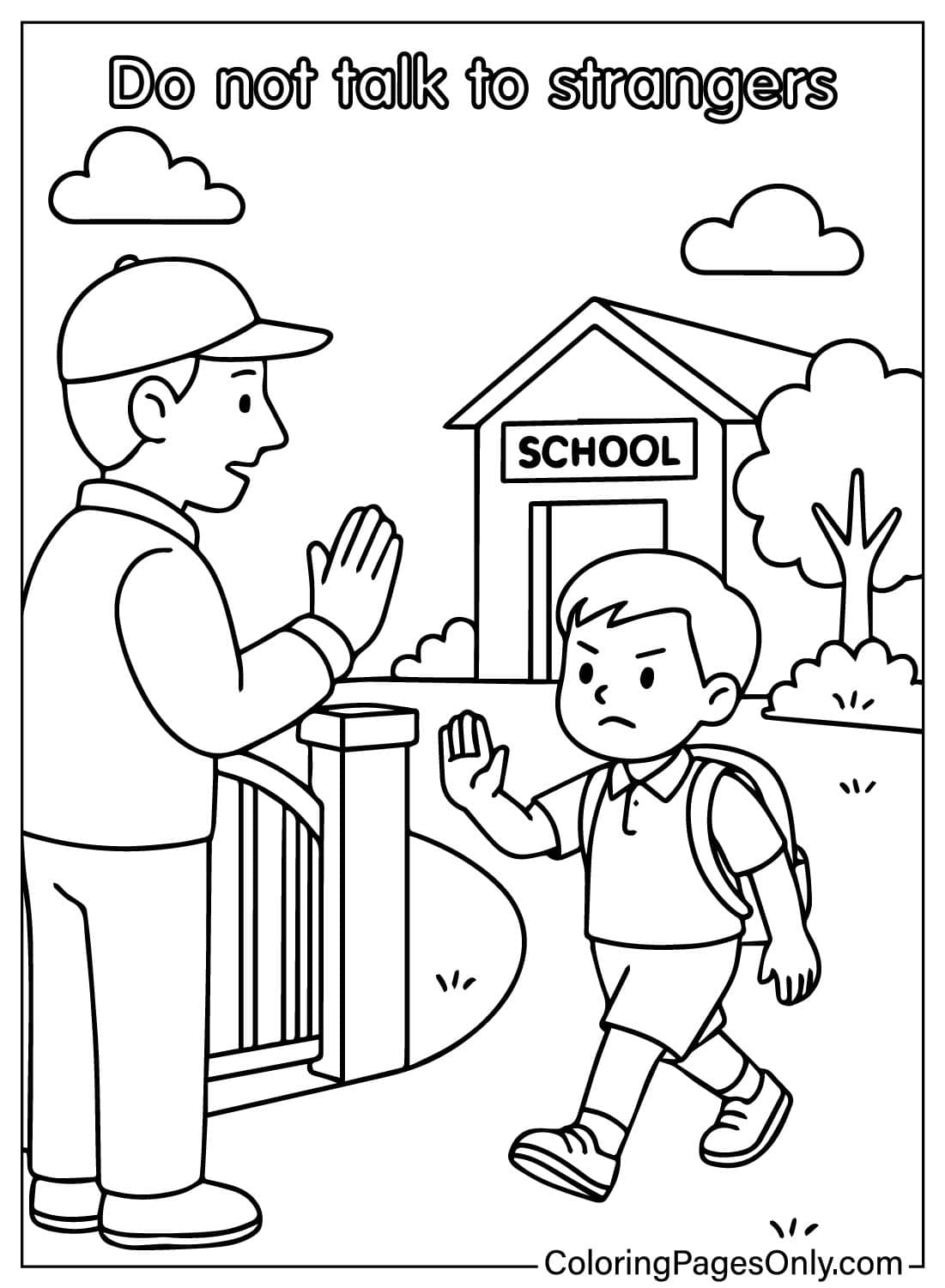
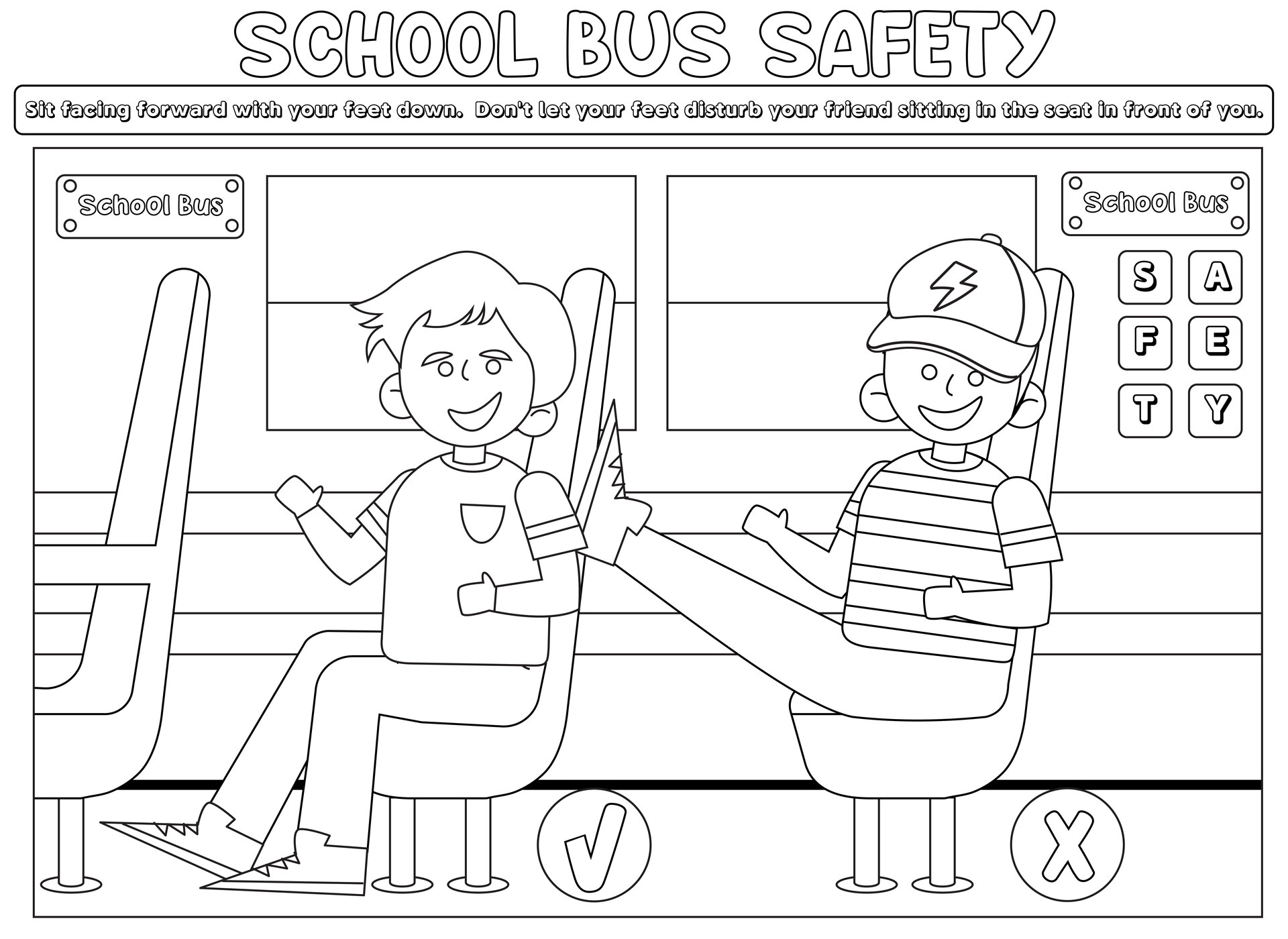
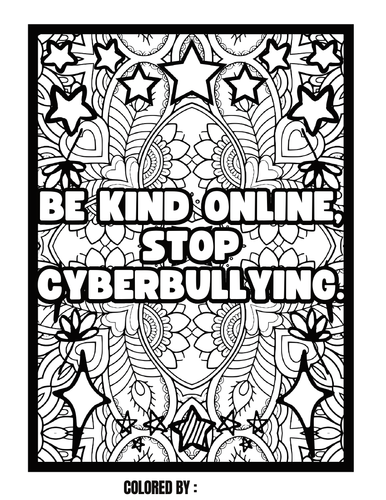
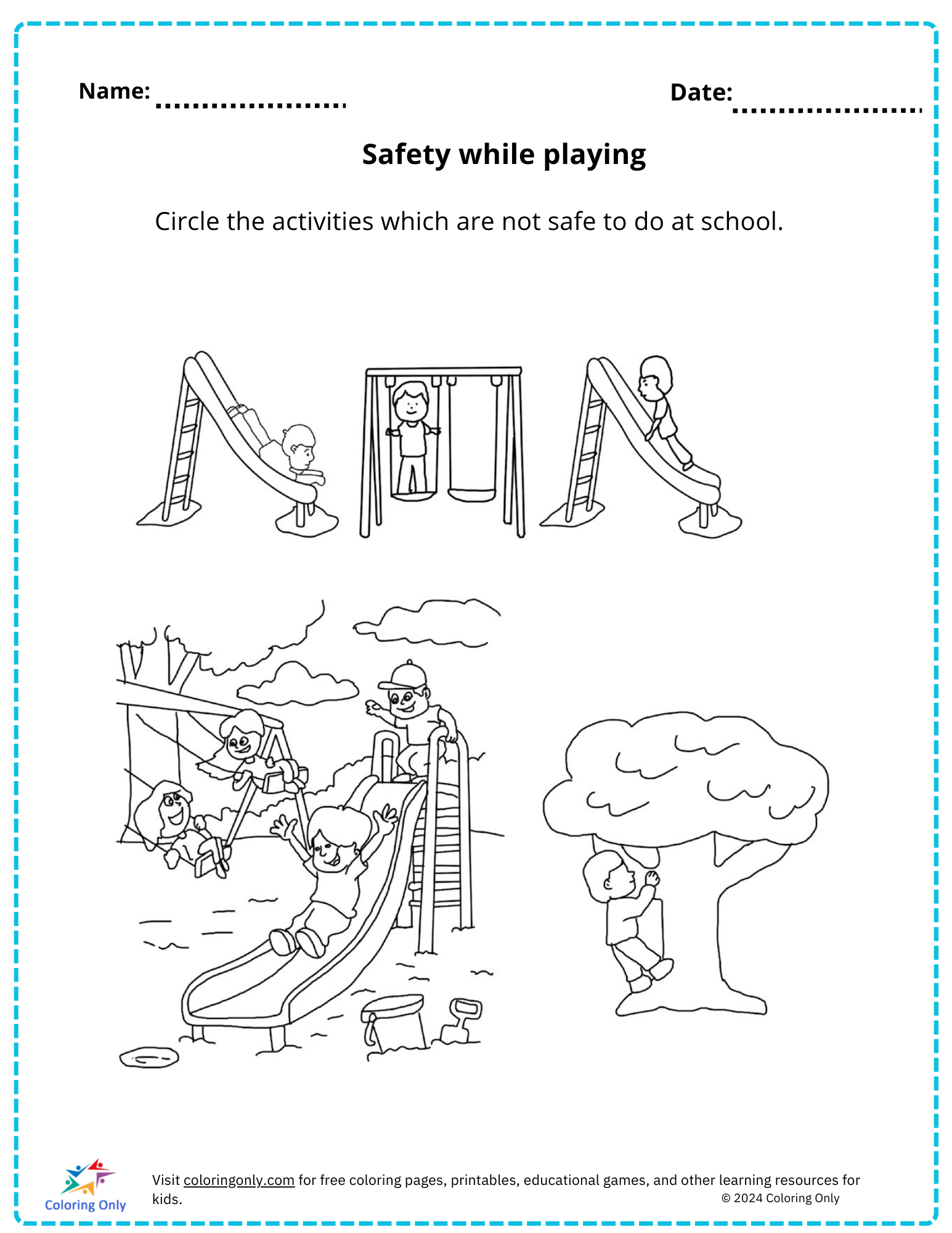
Digital literacy begins long before children navigate complex web spaces independently. Educators and caregivers frequently witness young learners encountering connected technology through shared household tablets, casual video streaming platforms, and multiplayer gaming chats embedded in everyday entertainment. Rather than instilling fear, modern digital citizenship requires building resilient habits through creative engagement. The free safety in school coloring worksheet available on {site_name} bridges the gap between foundational offline learning and crucial online boundary-setting. Grounded in years of classroom observation, coloring reinforces safety messages by keeping young hands busy while minds process abstract concepts into concrete rules.
💡 Activity Key Takeaways:
- Core Focus: Printable Safety In School Coloring Worksheet designed for creative expression and fine-motor coordination.
- Target Scope: Ideal for toddlers, preschool, kindergarten, and classroom art activities.
- Best Recommendation: Use standard heavy printer paper (24–28 lb) or cardstock for vibrant results with crayons, colored pencils, or washable markers.
WhatThis Printable Covers
Visual storytelling provides an accessible entry point for elementary students learning about the digital world. The safety in school coloring worksheet introduces core protective habits through recognizable scenes, such as guarding private information, creating strong passwords, and pausing before clicking links. It sounds simple, and that’s the point. When children color these illustrations, cognitive space opens up for meaningful dialogue about digital footprints. According to Common Sense Media research regarding media habits, young children absorb digital routines rapidly through visual cues and consistent reinforcement from trusted adults in their daily environments.
Key Learning Outcomes
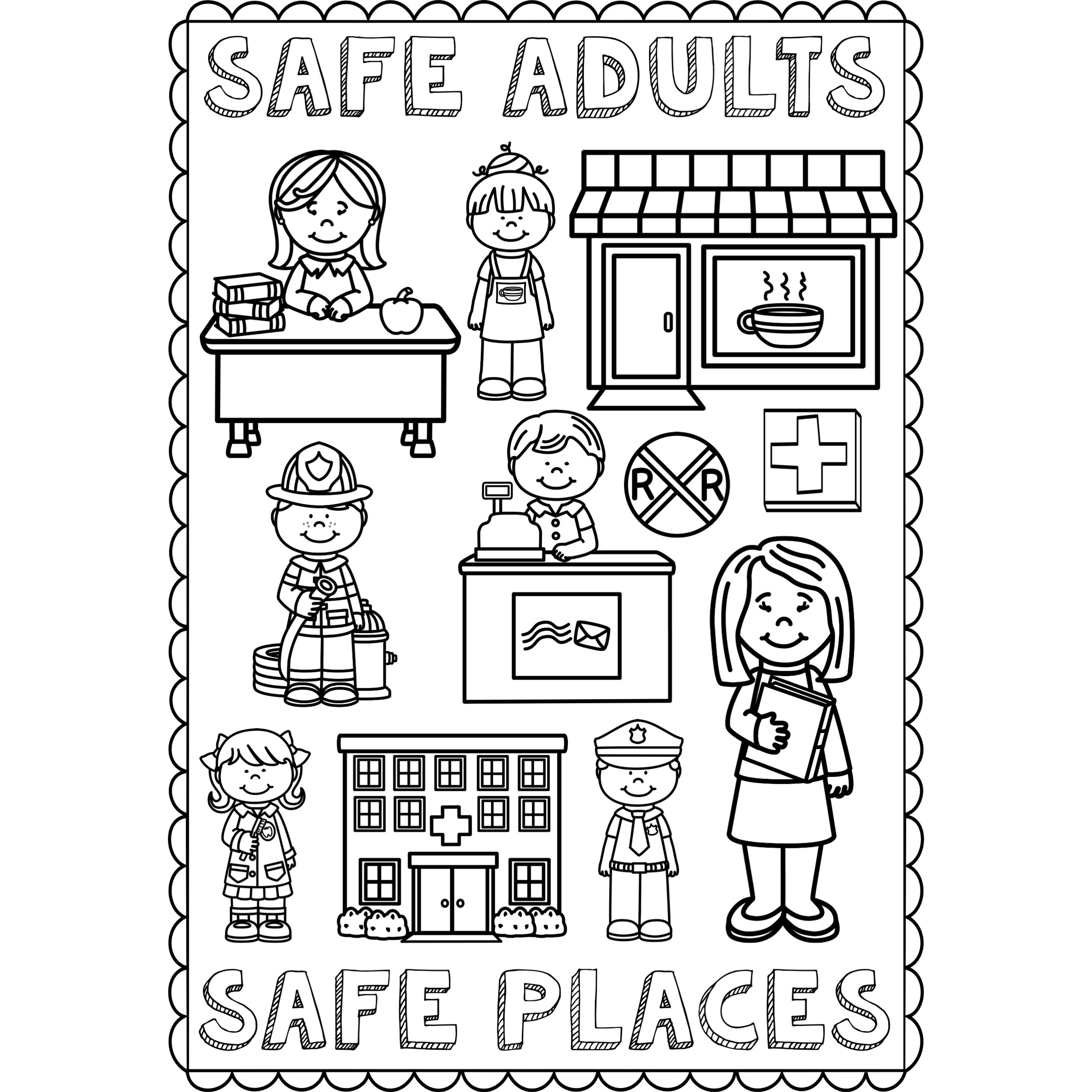
Targeted learning objectives ensure that creative time translates directly into practical life skills. Children practice recognizing trustworthy adults to approach whenever something online feels confusing, weird, or uncomfortable. Crucially, the resource reinforces that youngsters are never in trouble for reporting an unsettling digital encounter. Exploring additional interactive printables helps solidify these concepts. Furthermore, students learn to identify private data—like full names, home addresses, and school names—and understand why that information stays hidden from strangers on the internet.
How to Use This Printable
Facilitating a productive session requires more than handing out crayons and paper. Adults can introduce the sheet during morning meetings, art centers, or quiet afternoon homework blocks at the kitchen table. Here’s what makes this resource different: it actively transforms a quiet solo activity into a guided conversation starter. As markers glide across the page, educators and parents can ask open-ended questions about favorite online games or apps, observing how children navigate virtual environments naturally without making them feel interrogated or defensive.
Practical Tips for Parents and Teachers
Creating a safe space for disclosure matters just as much as teaching technical rules. Adults should maintain a calm, welcoming tone when children ask questions about pop-ups, chat boxes, or strange messages encountered on family devices. Pairing this activity with broader lessons found within educational safety guides ensures consistency between home expectations and classroom policies. Keep extra copies on hand because young learners benefit immensely from revisiting core safety concepts multiple times throughout the academic year.
Age-Appropriate Recommendations
Tailoring digital citizenship instruction to developmental stages ensures maximum retention and emotional safety. For kindergarteners and first graders, focus heavily on the golden rule of telling an adult immediately when something looks strange. Second through fifth graders can engage in deeper discussions regarding digital footprints and respectful online communication. Aligning these lessons with the Common Sense Education Digital Citizenship Curriculum provides a structured pathway for building responsible media creators. For broader educational resources, browse through digital wellness materials designed for elementary learners.
According to the Federal Trade Commission, young children frequently encounter digital environments through shared family devices and connected educational platforms, making early habit-building essential for safe navigation. — Federal Trade Commission (FTC)
Frequently Asked Questions
Navigating digital citizenship resources brings up common questions from educators and families striving to protect young minds effectively. Clear answers help streamline implementation across classrooms and living rooms alike, ensuring everyone remains focused on empowering children with positive, actionable safety habits.
According to the National Center for Missing & Exploited Children (NCMEC), teaching children to identify trusted adults and report uncomfortable online situations early is a vital component of proactive digital safety education. — National Center for Missing & Exploited Children
Explore More Free Kids Online Safety Printables
Expanding a child’s digital literacy toolkit involves utilizing a diverse array of creative exercises and visual reminders. Caregivers can discover additional resources by browsing creative safety sheets that complement daily lesson plans. Integrating these materials consistently fosters open communication, ensuring children feel confident, supported, and well-prepared as they explore modern technology.
Key Specifications & Age-Group Overview
| Age / Grade Group | Target Skill Focus | Recommended Medium |
|---|---|---|
| Toddlers (Ages 2–4) | Hand-eye coordination & broad motor grasp | Jumbo crayons & washable finger paints |
| Early Elementary (Ages 5–7) | Line boundaries & fine pencil control | Standard colored pencils & fine-tip markers |
| Intermediate (Ages 8+) | Color blending, shading & artistic patience | Watercolor pencils, gel pens & dual-brush markers |
Images References