Why Visual Literacy and Early Tech Habits Matter
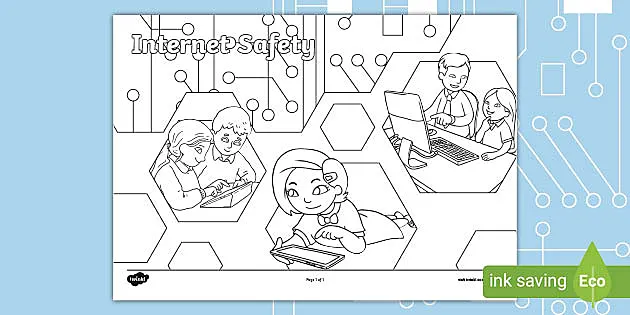
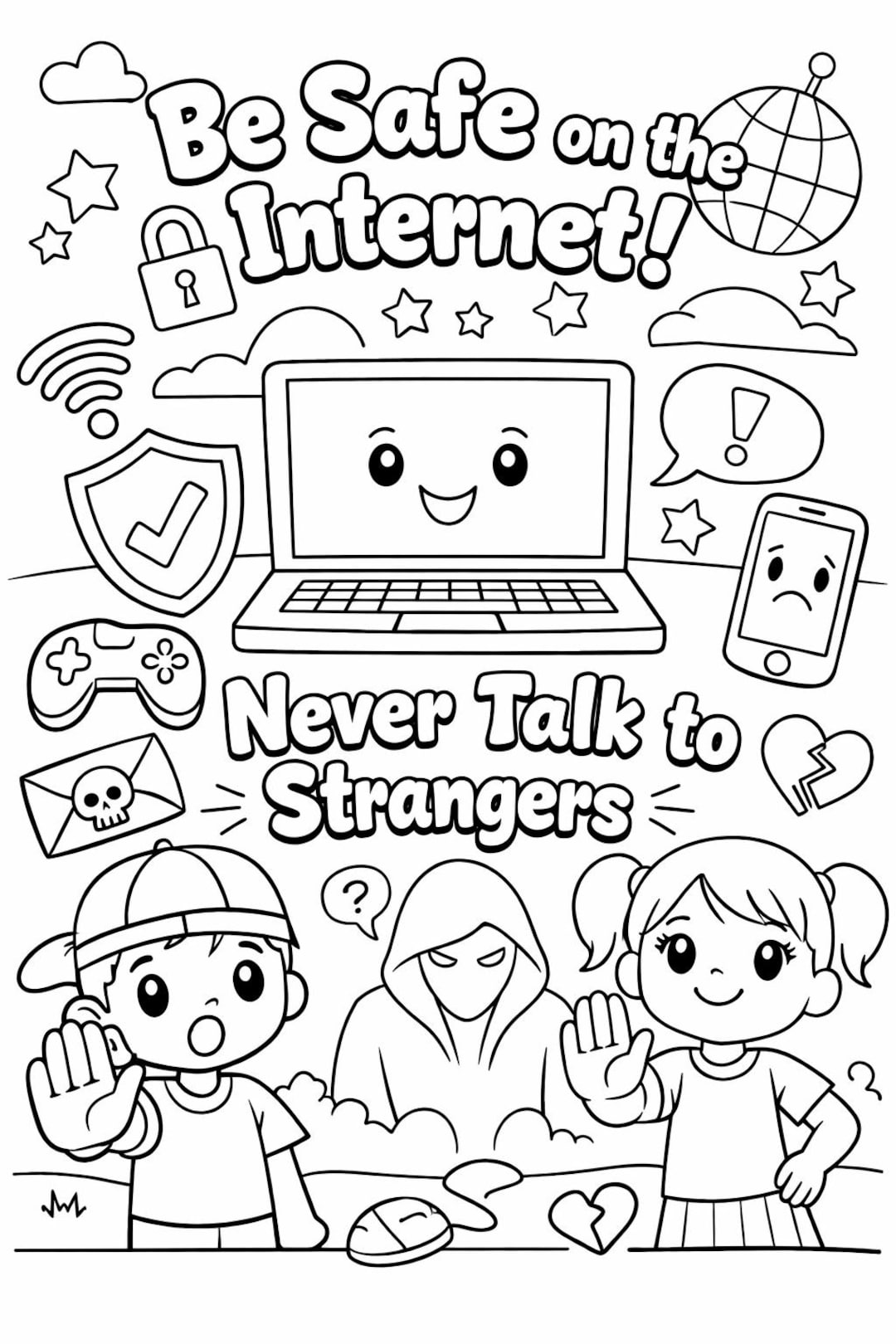
Introducing foundational tech habits to young students requires tools that match their developmental stages. Long before children navigate complex social algorithms or encounter online data privacy concerns, they need concrete, tactile ways to understand digital boundaries. Utilizing internet safety coloring pages provides educators and parents with a low-pressure medium to introduce essential concepts like screen-free time, password secrecy, and kind communication. Grounded in safety guidance from organizations like ConnectSafely and the Federal Trade Commission, visual learning helps younger children anchor abstract internet rules into memorable everyday actions.
💡 Activity Key Takeaways:
- Core Focus: Printable Internet Safety Coloring Pages designed for creative expression and fine-motor coordination.
- Target Scope: Ideal for toddlers, preschool, kindergarten, and classroom art activities.
- Best Recommendation: Use standard heavy printer paper (24–28 lb) or cardstock for vibrant results with crayons, colored pencils, or washable markers.
Balancing Creativity with Digital Risk Awareness
As children begin interacting with classroom tablets and home devices, adults must establish clear behavioral guardrails and technical settings. Balancing open exploration with secure configurations prevents accidental exposure to age-inappropriate content and reinforces responsible device handling across school and home environments.
| Setting / Context | Common Vulnerability | Practical Safeguard |
|---|---|---|
| Home Wi-Fi & Tablets | Unfiltered search engine results leading to inappropriate imagery or malicious pop-ups. | Enable safe search locks, strict content filters, and router-level parental controls. |
| School Chromebooks | Unintended sharing of student login credentials or personal identification details. | Teach students to keep passwords private and utilize secure school-managed sign-on portals. |
| Gaming & Chat Apps | Unvetted direct messaging with unknown users inside multiplayer video games. | Disable public chat features, turn off voice chat for young children, and monitor online interactions. |
Establishing Daily Routines and Creative Safety Workflows
Effective digital citizenship is built on consistent, calm routines rather than reactive discipline. Teachers and families can seamlessly weave internet safety coloring pages into a broader curriculum that includes engaging Worksheets for older elementary students. During art time or quiet morning work, adults can prompt discussions about what it means to be a good digital citizen. When children finish coloring a page depicting a friendly robot holding a strong password sign, use the artwork as a springboard to discuss why we never share our real names, home addresses, or schools online. Supplement these creative activities with a predictable framework at home: establish a designated family charging station in a common area where all devices sleep overnight, eliminating late-night unsupervised screen time and reducing device dependency.
Overcoming Overly Strict Bans and Student Pushback
When adults rely solely on total device bans or heavy-handed restrictions, children often respond by finding clever workarounds or hiding their online activities out of fear. Fostering a culture of trust is much more effective than policing every click. If a child makes a mistake online, such as clicking a strange link or interacting with an unfamiliar pop-up, they need to feel safe telling an adult immediately without facing harsh punishments. Educators can support this open environment by pairing visual activities like internet safety coloring pages with reassuring classroom policies that emphasize reporting over hiding. To deepen your curriculum planning, explore our dedicated collection of Online and Digital Safety tools and guides.
Common Questions About Early Digital Citizenship Resources
At what age should I introduce internet safety concepts to children?
Children as young as preschool and kindergarten benefit from foundational digital citizenship concepts. Using tactile exercises like internet safety coloring pages helps toddlers and early elementary students grasp basic rules about device boundaries and screen-time limits long before they own independent smartphones.
How do I make safety lessons engaging for restless learners?
Combine hands-on creative tasks with guided storytelling. When children color pictures illustrating safe online behaviors, ask them to describe what the characters in the picture are doing right, transforming a passive activity into an interactive discussion about real-world choices.
Are printable activities effective for older elementary students?
While coloring sheets suit younger grades, older students thrive on critical thinking exercises, scenario cards, and interactive group challenges. For comprehensive lesson planning material, browse our broader archive of Coloring Pages and companion student activities.
Explore More Digital Citizenship Resources
Equipping the next generation with healthy, secure digital habits requires continuous collaboration between teachers, school administrators, and families. Visit SafeWiredSchools.org to access our complete library of expert guides, printable activities, and actionable digital citizenship toolkits.
Printable Coloring Page Previews