Introduction
Establishing healthy digital habits begins at the earliest stages of development. The “daily screen time checklist for toddlers” serves as a foundational resource, specifically designed for Preschool ages 35, to introduce concepts of balanced media consumption. This printable worksheet plays a crucial role in reinforcing essential internet safety principles through engaging, hands-on learning experiences. Educators and parents consistently trust printable worksheets as invaluable tools for fostering digital awareness and promoting responsible online behavior. Their tangible nature allows for direct interaction, making abstract digital concepts more concrete for young learners. This approach ensures that children develop a solid understanding of screen time management from a tender age, setting a positive trajectory for their future digital citizenship.
💡 Educational Key Takeaways:
- Core Skill: Structured Daily Screen Time Checklist For Toddlers focused on developing pencil grip, stroke control, and early literacy/math confidence.
- Target Scope: Suited for homeschoolers, preschool, kindergarten, and elementary learners.
- Best Recommendation: Practice 10–15 minutes daily with ergonomic writing tools to reinforce muscle memory without hand fatigue.
What This Worksheet Covers
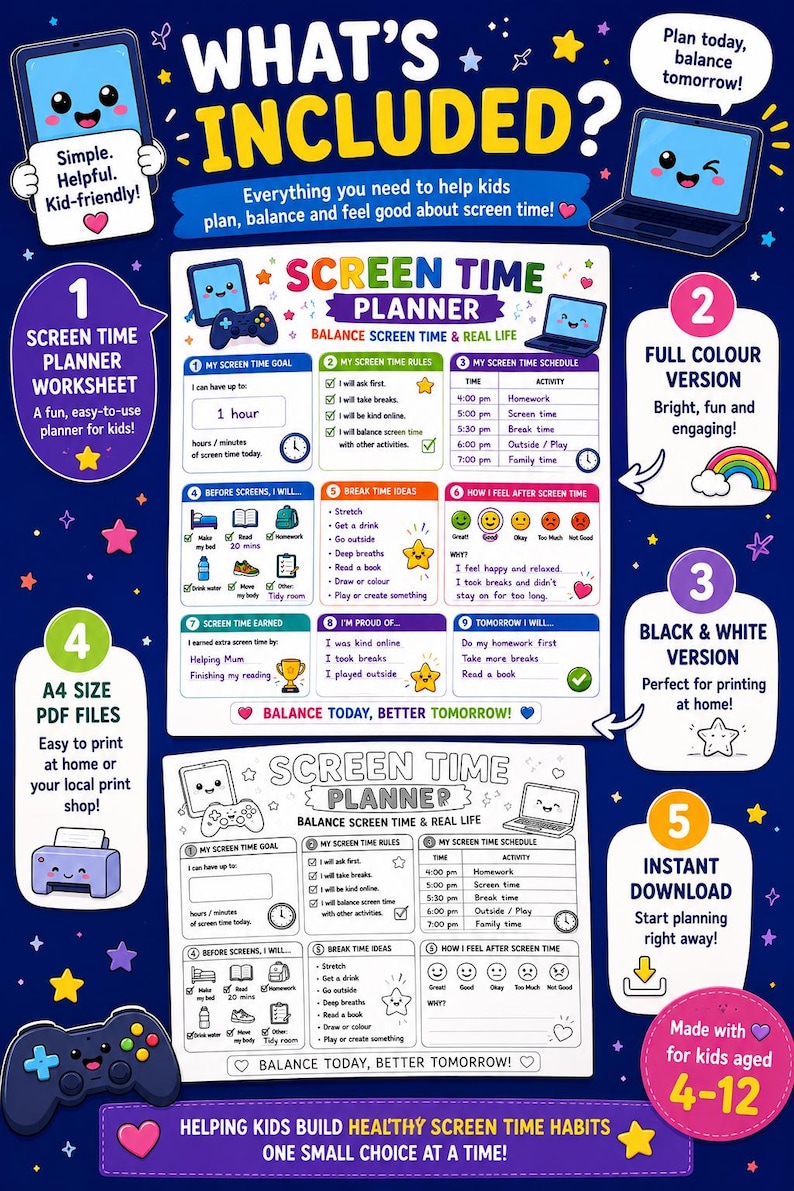
The “daily screen time checklist for toddlers” directly addresses the critical topic of responsible screen time management and the cultivation of healthy digital habits. This resource guides children and their caregivers in recognizing appropriate versus inappropriate screen use, emphasizing the importance of balancing digital engagement with a variety of offline activities. Concepts such as understanding designated screen time limits and identifying engaging alternatives to digital devices are central to its content. The worksheet‘s design inherently connects to recognized digital citizenship and child safety education standards, laying groundwork for digital well-being. It focuses on the foundational elements of media literacy, helping young minds differentiate between passive viewing and interactive, educational content while promoting a mindful approach to technology integration in daily life.
Key Learning Outcomes
By engaging with the “daily screen time checklist for toddlers,” children develop several vital skills and knowledge areas:. Browse more guides on Safe Wired Schools.
- Activity Differentiation: Children learn to distinguish between various types of screen time activities, identifying those that are educational or interactive versus those that are purely passive.
- Offline Exploration: The checklist encourages recognition and participation in a diverse range of offline activities, fostering an appreciation for play, creativity, and physical movement.
- Limit Awareness: Young learners begin to grasp the concept of screen time limits, understanding that digital engagement is part of a larger, balanced daily routine.
- Choice Making: Through guided interaction, children develop an early sense of agency in choosing between screen-based and non-screen-based activities.
How to Use This Worksheet
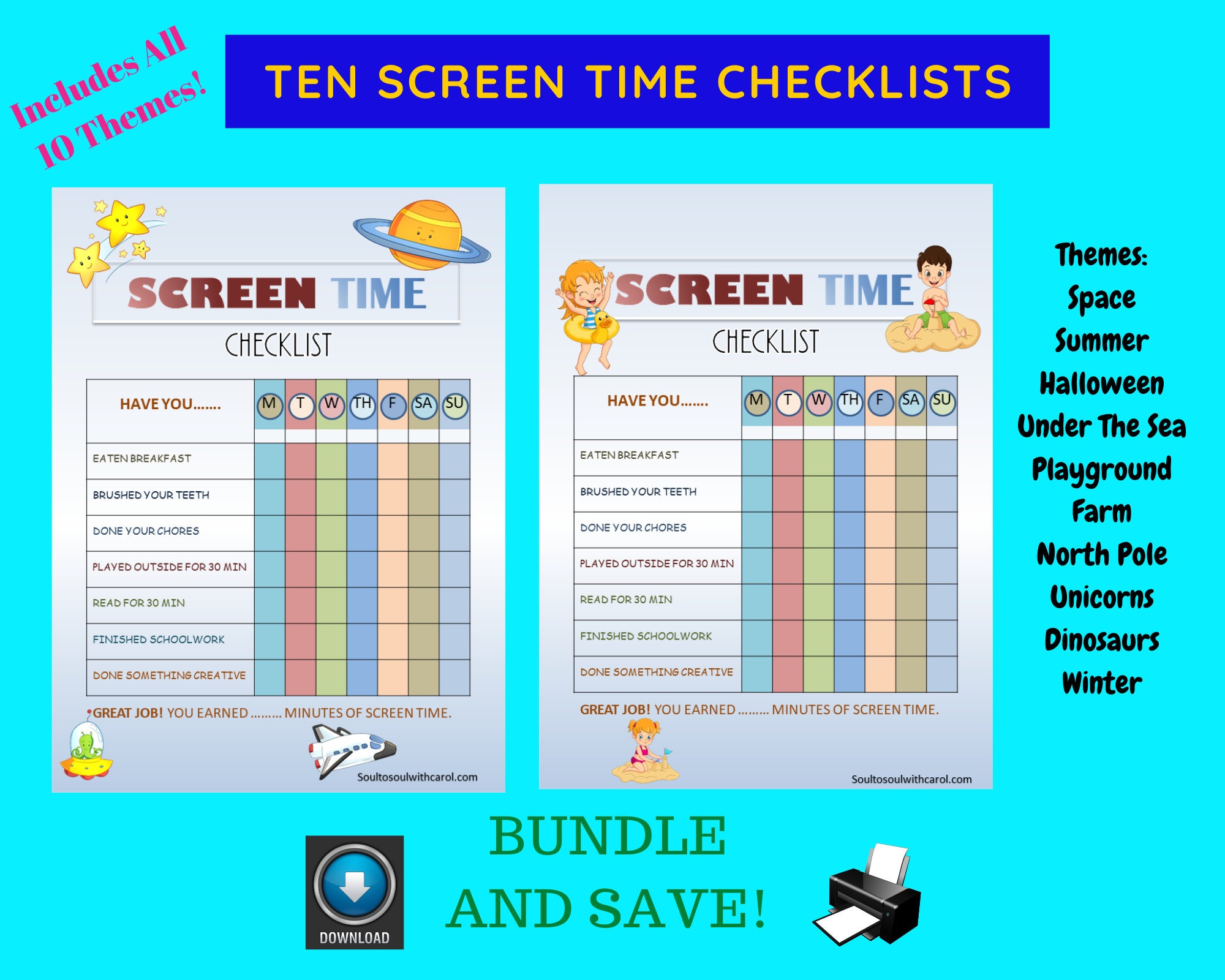
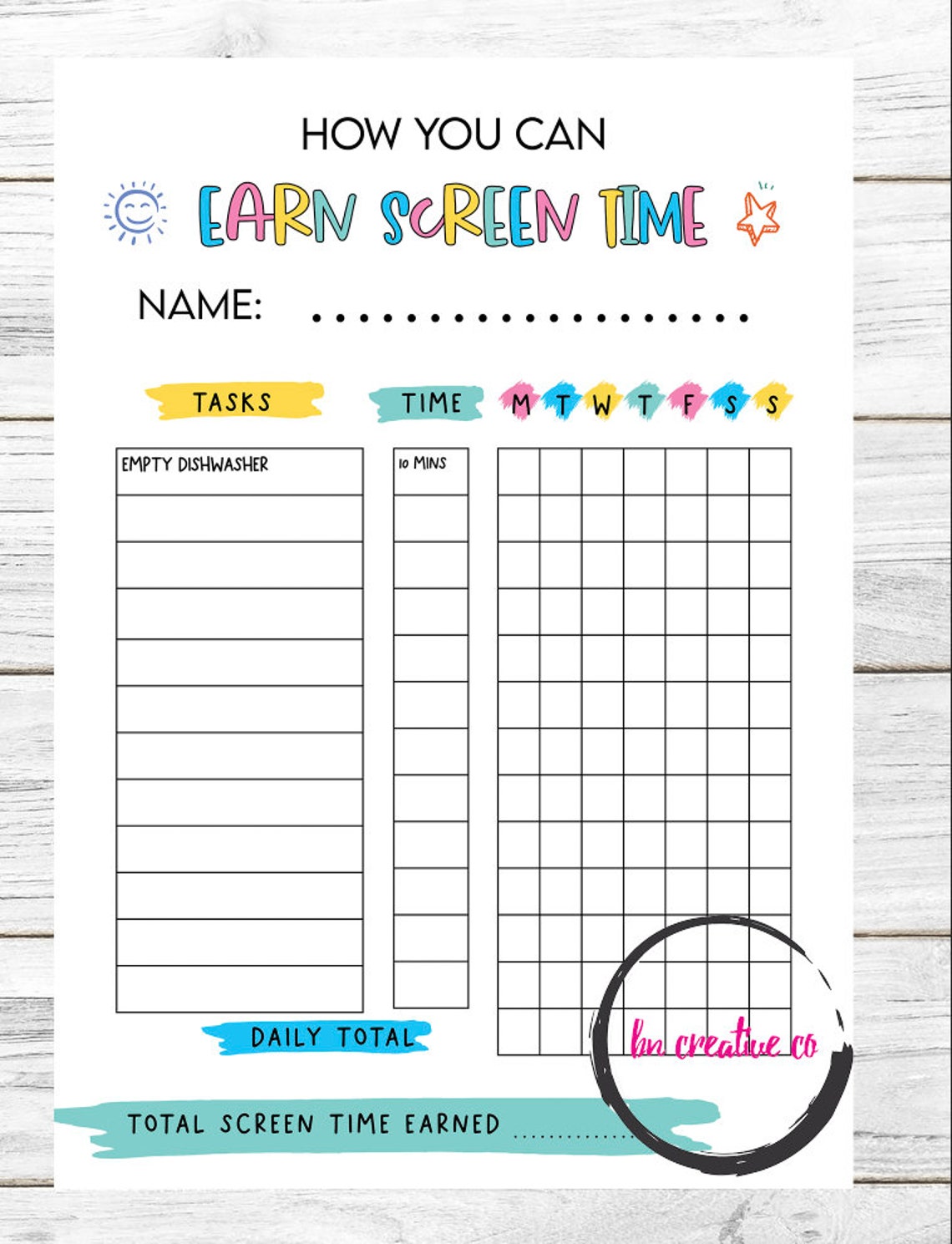
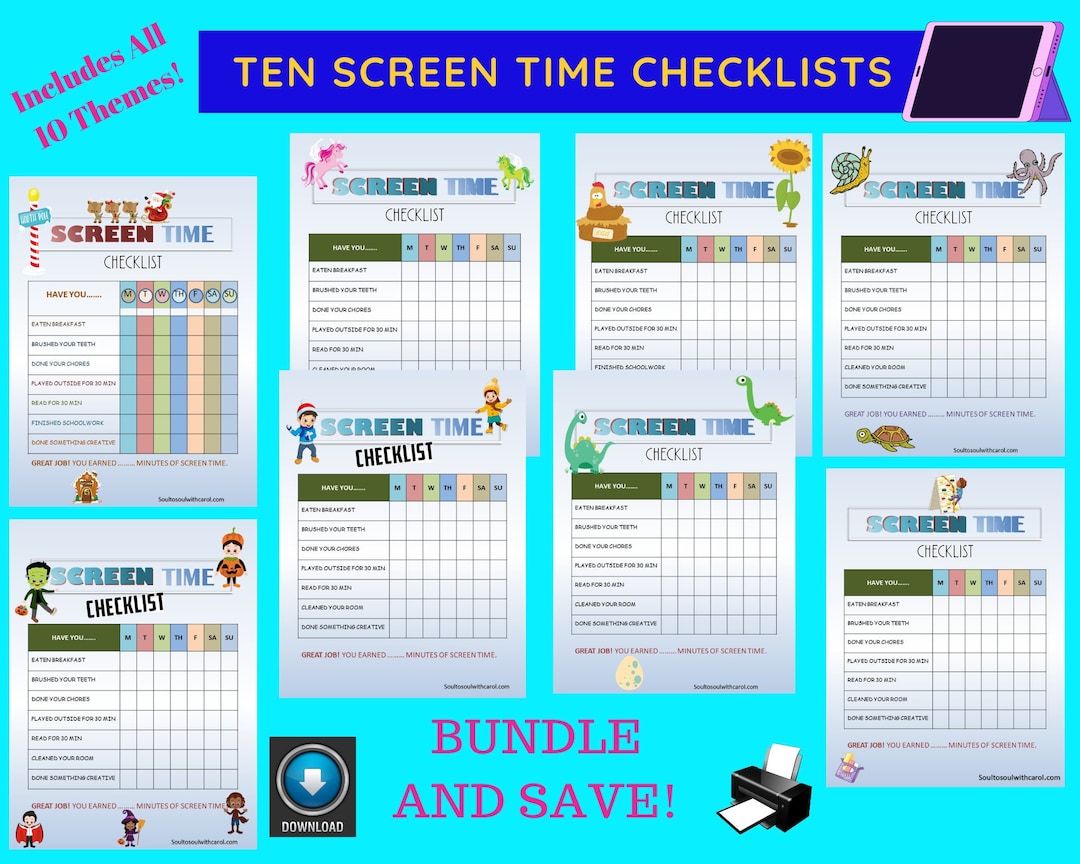
Educators can effectively integrate the “daily screen time checklist for toddlers” into early childhood classrooms as a discussion starter or a group activity. Parents can utilize it at home as a visual aid to structure daily routines and initiate conversations about digital habits. The worksheet typically employs simple activity types such as check-boxes, drawing prompts, and visual recognition tasks, designed to be highly accessible for toddlers. Its difficulty level is foundational, requiring minimal instruction and often benefiting from adult guidance. Instructions are scaffolded progressively, encouraging visual cues and simple language to support understanding. This resource functions exceptionally well as a standalone activity to reinforce concepts, a complementary component of a broader lesson plan on digital citizenship, or even as a collaborative homework assignment for families to complete together.
Practical Tips for Parents and Teachers
- Preparation is Key: Before introducing the checklist, discuss its purpose in simple terms. Explain that it helps ensure a good balance of activities each day, including screen time.
- Interactive Facilitation: Engage children by asking questions about each item on the checklist. For instance, “Did we play outside today?” or “What book did we read?” instead of simply checking boxes.
- Positive Reinforcement: Celebrate completed checklists with verbal praise or a small, non-material reward, focusing on the achievement of a balanced day rather than just screen time reduction.
- Discussion Prompts: After completing the checklist, initiate a brief discussion. Ask children what their favorite offline activity was or what new activity they discovered.
- Extend the Learning: Use the checklist as inspiration to create new offline activities together. This could involve crafting, building, or exploring nature, directly linking the checklist to real-world experiences.
Age-Appropriate Recommendations
The flexibility of the “daily screen time checklist for toddlers” allows its core principles to be adapted across various age groups, though its primary design targets the youngest learners.
For Ages 35 (Toddlers/Preschool), the checklist is used directly as intended. Parental or teacher involvement is crucial, with adults guiding children through each item, providing vocabulary support, and helping to check off activities. The focus remains on visual recognition, simple actions, and direct conversations about daily routines. Activity pacing should be slow and deliberate, allowing children ample time to process and engage with each concept.
For Ages 610 (Elementary Grades), the checklist can serve as a template for more independent learning. Children can be encouraged to fill out the checklist themselves, reflecting on their day’s activities. Teachers might use it to initiate discussions about personal responsibility in managing screen time and exploring the benefits of diverse activities. Vocabulary support might still be needed for nuanced terms, but the emphasis shifts to self-assessment and goal-setting for balanced digital habits.
For Ages 1118 (Middle/High School Grades), the “daily screen time checklist for toddlers” transforms into a conceptual tool for critical thinking about digital well-being. Educators can present the resource as a starting point for students to design their own personalized digital wellness plans or media consumption logs. Discussions can delve into the psychological impacts of screen time, the importance of digital detox, and strategies for maintaining a healthy balance between online and offline lives. This approach fosters a deeper understanding of self-regulation and media literacy, empowering older students to make informed decisions about their digital footprint.
Frequently Asked Questions
Q: What is the primary goal of the “daily screen time checklist for toddlers”? A: The main goal is to help young children and their caregivers establish balanced daily routines that include appropriate screen time alongside a variety of engaging offline activities, fostering healthy digital habits from an early age.
Q: How can this checklist benefit older children if it’s designed for toddlers? A: While directly intended for toddlers, the checklist’s principles of balanced activity can be adapted. Older children can use it as a framework to create their own digital wellness plans, reflect on their media consumption, and discuss the importance of diverse daily engagement.
Q: Where can the “daily screen time checklist for toddlers” be downloaded? A: This free printable resource, along with many other internet safety materials, is available for download directly from the SafeWiredSchools.org website, ensuring easy access for parents and educators.
Explore More Free Printable Worksheets
A single resource, however effective, works best when integrated into a consistent digital safety learning routine. The “daily screen time checklist for toddlers” provides a valuable starting point, but a comprehensive approach requires a broader collection of tools. Educators and parents are invited to explore a full collection of free printable internet safety worksheets, activity sheets, checklists, quizzes, and more at SafeWiredSchools.org Worksheets. These resources cover every internet safety topic, meticulously designed for every grade level and learning environment, ensuring continuous support for building a generation of responsible digital citizens.
Developmental Milestone & Activity Table
| Development Stage | Recommended Daily Duration | Primary Learning Objective |
|---|---|---|
| Preschool & Pre-K | 10 – 15 Minutes | Pencil grip development & basic pre-stroke lines |
| Kindergarten | 15 – 20 Minutes | Letter/number formation & spatial line awareness |
| Early Elementary (Grade 1–2) | 20 – 30 Minutes | Fluency, sentence construction & neatness |
Images References