Introduction
The digital landscape evolves rapidly, requiring continuous adaptation in educational approaches. For elementary learners, specifically those in Elementary grades 15, foundational digital literacy is paramount. The resource, “screen time rules for grade 3 printable,” directly addresses this critical need. It serves as an invaluable tool for reinforcing essential internet safety concepts through engaging, hands-on learning. Printable worksheets are trusted by educators and parents alike for their ability to provide tangible, screen-free engagement. This traditional learning format builds crucial digital awareness and fosters responsible online behavior, offering a concrete way for children to internalize complex rules. The act of physically interacting with a worksheet, rather than merely observing a screen, promotes deeper understanding and retention of vital safety principles, establishing a strong foundation for future digital citizenship.
💡 Educational Key Takeaways:
- Core Skill: Structured Screen Time Rules For Grade 3 Printable focused on developing pencil grip, stroke control, and early literacy/math confidence.
- Target Scope: Suited for homeschoolers, preschool, kindergarten, and elementary learners.
- Best Recommendation: Practice 10–15 minutes daily with ergonomic writing tools to reinforce muscle memory without hand fatigue.
What This Worksheet Covers
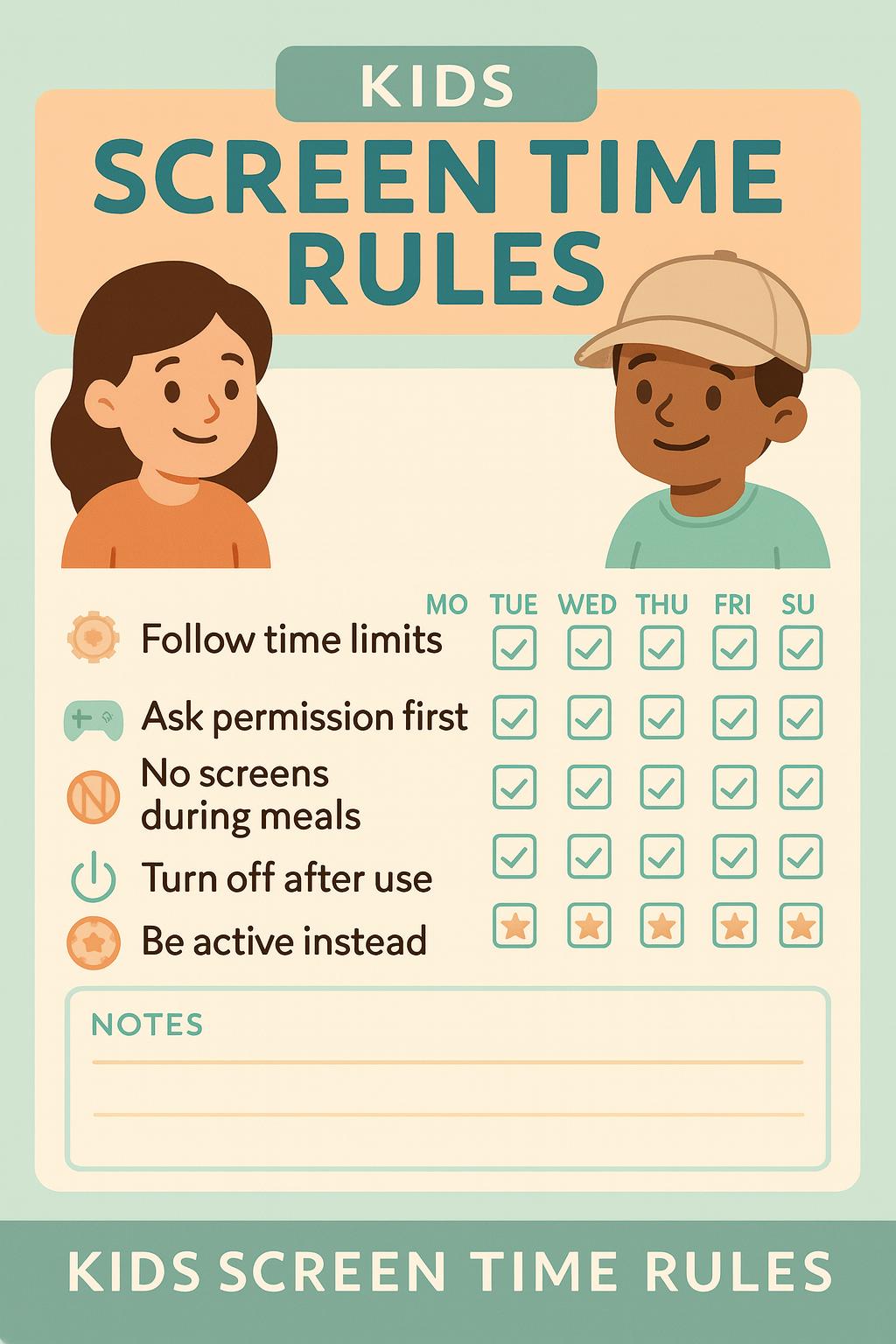
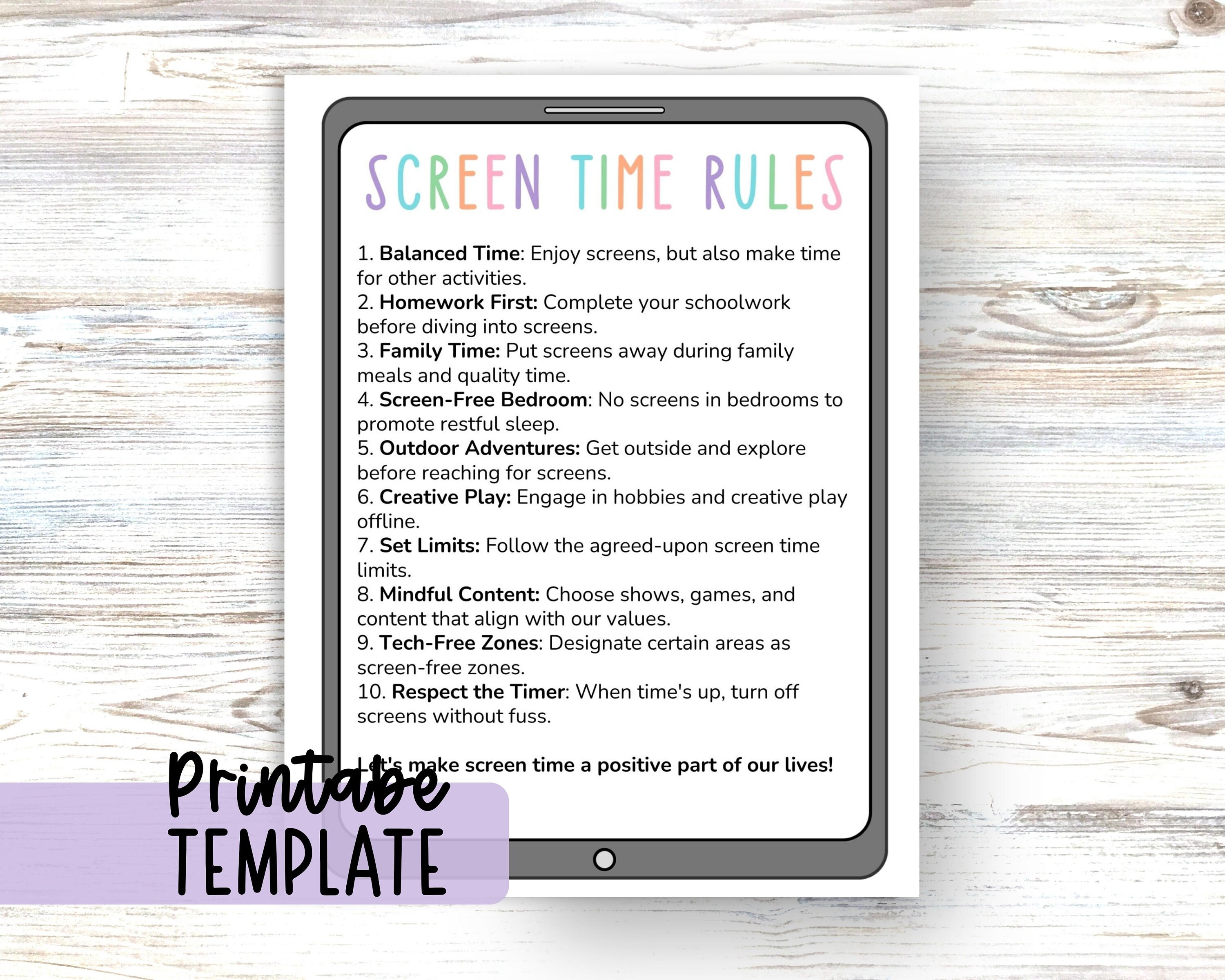
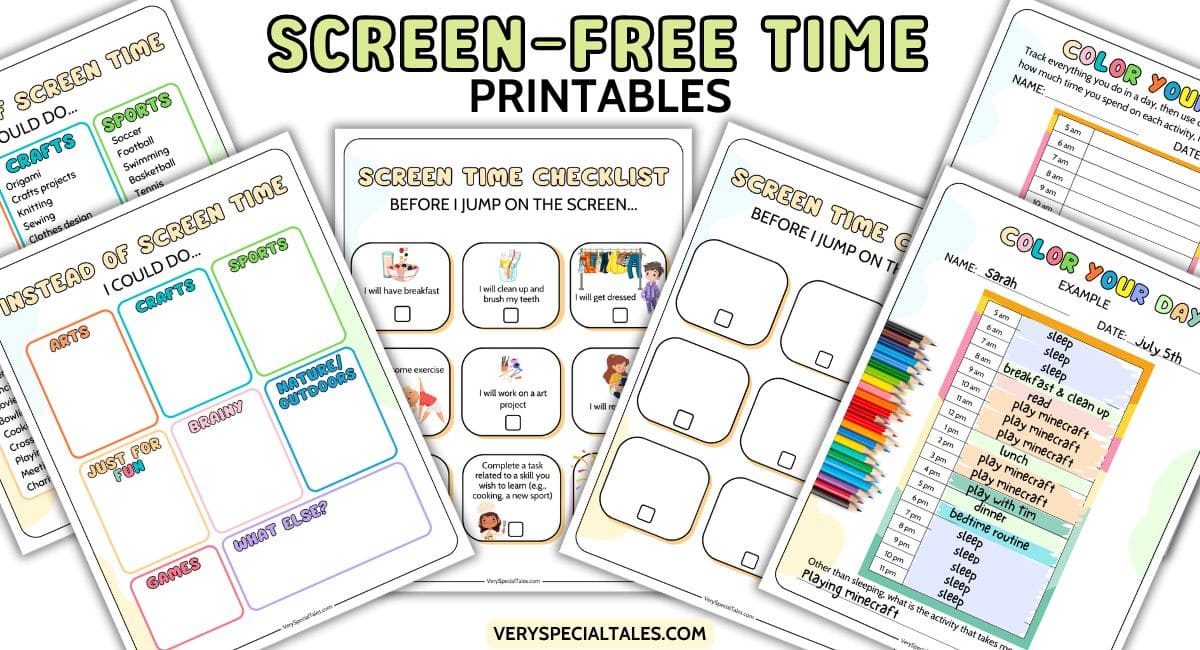
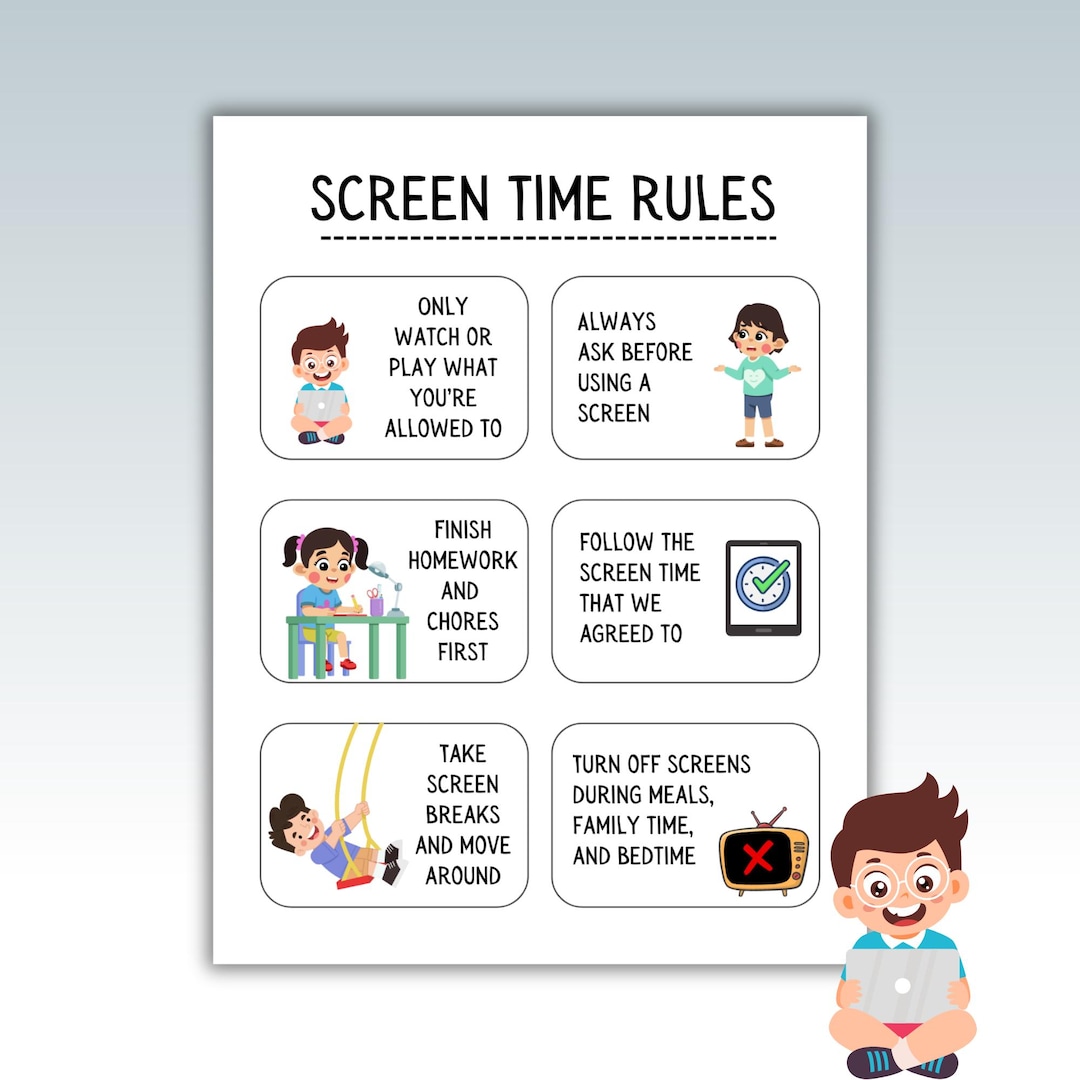
The “screen time rules for grade 3 printable” specifically addresses the vital topic of healthy screen time management and establishing clear digital boundaries. This resource helps young learners understand the importance of balancing online and offline activities. Concepts covered include setting appropriate time limits for various devices, identifying suitable content, understanding the need to ask permission before using screens, and recognizing the value of other activities like outdoor play, reading, and creative pursuits. The worksheet content aligns with recognized digital citizenship and child safety education standards, which emphasize responsible media consumption and self-regulation. It frames screen time not as an all-or-nothing concept, but as a component of a balanced lifestyle, equipping children with the understanding to make informed choices about their digital engagement.
Key Learning Outcomes
Completing the “screen time rules for grade 3 printable” will enable learners to develop several crucial skills and knowledge areas:. Browse more guides on Safe Wired Schools.
- Understanding Screen Time Limits: Children will grasp the concept of appropriate durations for screen use and why these limits are important for their well-being.
- Identifying Safe and Appropriate Content: Learners will begin to distinguish between suitable and unsuitable online activities and content for their age group.
- Practicing Permission-Seeking: The worksheet reinforces the critical habit of asking a trusted adult for permission before engaging with screens or new apps.
- Developing a Balanced Approach to Technology: Students will recognize the value of integrating screen time with other enriching, non-digital activities.
- Communicating Digital Boundaries: Learners will gain confidence in articulating their screen time needs and understanding family rules regarding device use.
How to Use This Worksheet
The “screen time rules for grade 3 printable” is designed for straightforward implementation in both classroom and home settings. The worksheet typically employs a variety of engaging activity types suitable for Grade 3 learners, such as fill-in-the-blank questions, matching exercises to pair rules with scenarios, simple true or false statements, and opportunities for drawing or reflective writing. Instructions are clear and scaffold learning progressively, ensuring accessibility for young minds. Its difficulty level is perfectly matched for children aged 8-9, fostering independence while still allowing for guided instruction. This resource can function effectively as a standalone activity to introduce or review screen time concepts, be seamlessly integrated into a broader digital citizenship lesson plan, or assigned as meaningful homework that encourages family discussion. Its flexible format supports diverse learning environments and teaching methodologies.
Practical Tips for Parents and Teachers
Maximizing the educational impact of the “screen time rules for grade 3 printable” involves thoughtful preparation and engagement:
- Review and Prepare: Before presenting the worksheet, review its content thoroughly. Identify any vocabulary that might require pre-teaching or clarification for the specific child or group.
- Facilitate Discussion: Do not merely assign the worksheet. Engage children in a conversation about each section, asking open-ended questions that encourage critical thinking about their own screen habits.
- Personalize the Rules: After completion, encourage children to help create or customize a family or classroom screen time agreement based on the rules explored in the worksheet, fostering ownership.
- Role-Playing Scenarios: Extend the learning by role-playing common screen time dilemmas. Practicing how to ask for permission or how to gracefully end screen time reinforces practical application.
- Celebrate Balanced Choices: Acknowledge and praise children when they demonstrate responsible screen time choices or engage enthusiastically in non-screen activities, reinforcing positive behavior.
Age-Appropriate Recommendations
The “screen time rules for grade 3 printable” is optimally designed for children in Elementary grades 15, with a particular focus on Grade 3 (ages 8-9). For this age band, a structured yet interactive approach works best. Vocabulary support should be provided for terms like “digital footprint” or “privacy” if they arise in discussion, though the worksheet primarily focuses on accessible concepts like “rules” and “limits.” Activity pacing should allow for focused work on each section, typically 15-25 minutes, followed by a discussion. Parental or teacher involvement is crucial for guiding comprehension and facilitating meaningful conversations, moving beyond simple correct answers to deeper understanding. For younger learners (Ages 6-7, Grades 1-2), the worksheet can be simplified through verbal guidance, focusing on the drawing or simple matching activities, with significant adult support. For older elementary students (Ages 10-11, Grades 4-5), the worksheet can serve as a springboard for more complex discussions about media literacy, critical thinking about online content, and the rationale behind screen time policies, requiring less direct instruction but more analytical engagement.
Frequently Asked Questions
Q: What is the recommended age for using this “screen time rules for grade 3 printable” resource? A: This printable resource is specifically designed for children in Grade 3, typically ages 8-9. Its content and activities are tailored to their developmental stage and comprehension levels regarding digital boundaries.
Q: How does this worksheet support overall digital citizenship education? A: The worksheet promotes responsible digital citizenship by fostering self-regulation and an understanding of healthy screen habits. It helps children internalize rules for safe and balanced technology use from an early age, contributing to their long-term online well-being.
Q: How can the “screen time rules for grade 3 printable” be accessed for use? A: The “screen time rules for grade 3 printable” is available as a free download directly from the SafeWiredSchools.org website. Navigate to the worksheets section to find and print this valuable educational resource instantly.
Explore More Free Printable Worksheets
While a single worksheet like “screen time rules for grade 3 printable” offers significant value, its impact is amplified when integrated into a consistent digital safety learning routine. Building robust digital literacy requires a comprehensive approach, where individual topics are revisited and reinforced through varied activities. SafeWiredSchools.org understands this necessity, providing a complete suite of resources. Educators and parents are invited to explore a full collection of free printable internet safety worksheets, activity sheets, checklists, quizzes, and more at SafeWiredSchools.org Worksheets. This extensive library covers every essential internet safety topic, meticulously designed for every grade level and suitable for any learning environment, ensuring a holistic and ongoing educational experience in digital safety.
Developmental Milestone & Activity Table
| Development Stage | Recommended Daily Duration | Primary Learning Objective |
|---|---|---|
| Preschool & Pre-K | 10 – 15 Minutes | Pencil grip development & basic pre-stroke lines |
| Kindergarten | 15 – 20 Minutes | Letter/number formation & spatial line awareness |
| Early Elementary (Grade 1–2) | 20 – 30 Minutes | Fluency, sentence construction & neatness |
Images References