Introduction
Establishing healthy digital habits is a cornerstone of modern education, extending from early childhood into adolescence. The “screen time rules for kids printable” resource serves as a vital tool for reinforcing internet safety concepts through engaging, hands-on learning. This printable worksheet is ideally suited for Elementary grades (1-5) and Middle School grades (6-8), offering foundational principles adaptable for younger learners (ages 4-5) and advanced discussions for older students (ages 9-14). Educators and parents consistently trust printable worksheets for their ability to actively involve learners, transforming abstract concepts into tangible actions. Such resources foster digital awareness, encourage responsible online behavior, and provide a structured framework for family discussions about technology use. The act of physically interacting with information, whether writing, drawing, or organizing, enhances retention and personalizes the learning experience, making complex digital citizenship principles more accessible and impactful for all. Implementing these practical tools ensures a proactive approach to developing a safe and balanced relationship with digital devices.
💡 Educational Key Takeaways:
- Core Skill: Structured Screen Time Rules For Kids Printable focused on developing pencil grip, stroke control, and early literacy/math confidence.
- Target Scope: Suited for homeschoolers, preschool, kindergarten, and elementary learners.
- Best Recommendation: Practice 10–15 minutes daily with ergonomic writing tools to reinforce muscle memory without hand fatigue.
What This Worksheet Covers
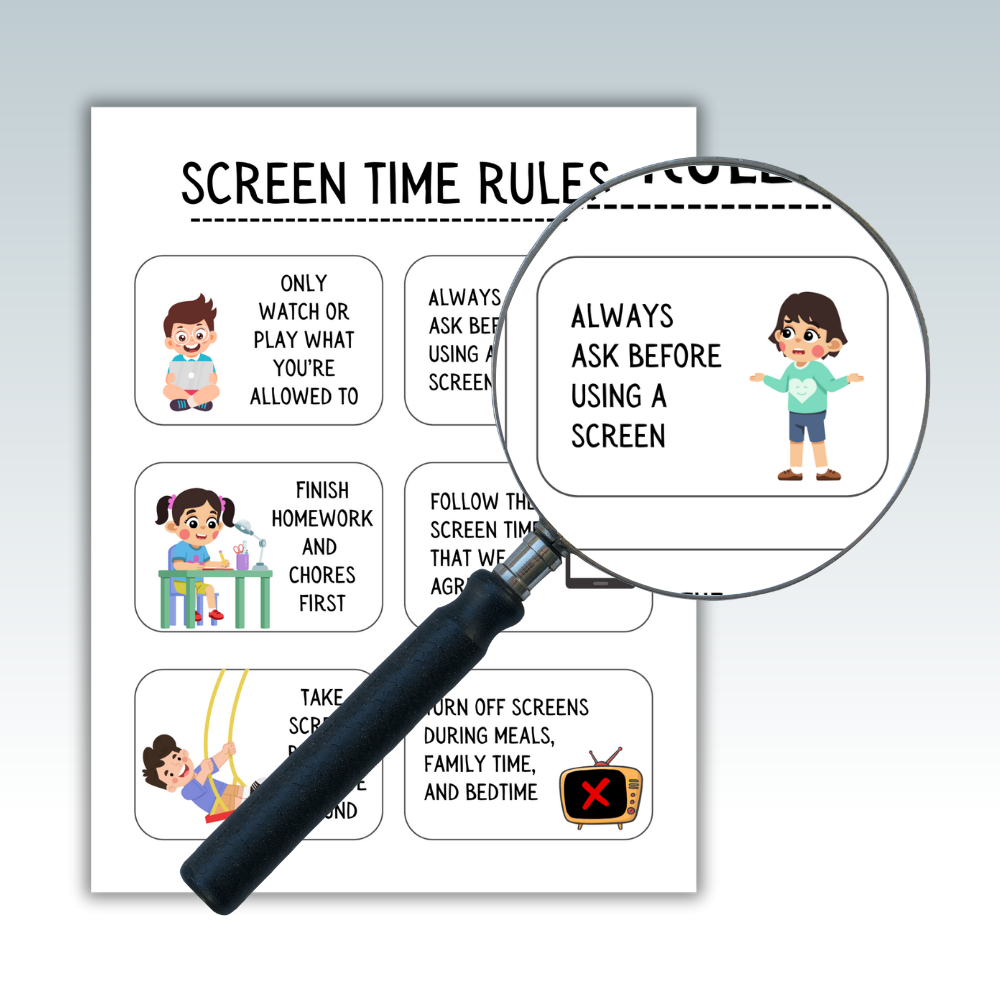
This essential “screen time rules for kids printable” directly addresses the critical topic of establishing and maintaining healthy boundaries around digital device usage. The resource guides children and families through the process of defining appropriate times, places, and durations for screen engagement. Key concepts explored include understanding the importance of balancing online and offline activities, recognizing content appropriateness, and participating in family agreements about technology. The worksheet helps articulate specific rules for device use during meals, before bedtime, and during homework, promoting a clear structure for daily routines. This content directly aligns with recognized digital citizenship and child safety education standards, which emphasize responsible technology use, media literacy, and the cultivation of self-regulation skills in a digital world. It provides a practical framework for children to internalize guidelines that contribute to their overall well-being and academic success.
Key Learning Outcomes
By engaging with the “screen time rules for kids printable,” learners will develop several crucial skills and knowledge areas:. Browse more guides on Safe Wired Schools.
- Learners will develop an understanding of balanced screen time, recognizing its role within a healthy lifestyle.
- Students will identify and articulate personal or family-specific screen time rules, fostering a sense of ownership over their digital habits.
- Children will recognize the importance of safe and responsible digital device use, connecting rules to personal safety and well-being.
- The activity cultivates self-regulation skills regarding screen engagement, empowering learners to manage their own device use effectively.
- Participants will promote critical thinking about online content consumption, encouraging thoughtful choices about what they watch or play.
How to Use This Worksheet
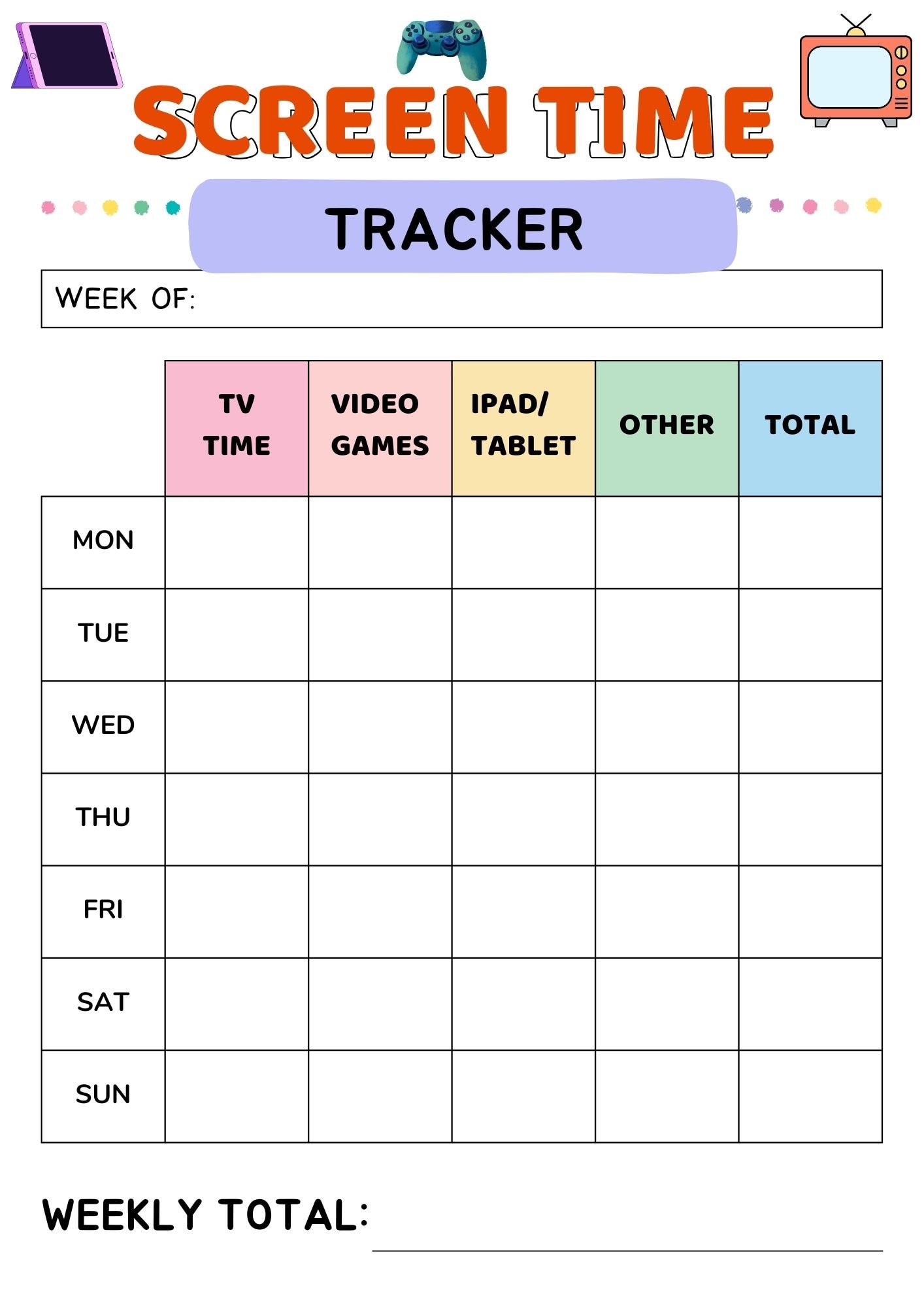
The “screen time rules for kids printable” is designed for versatile application in both educational and home settings. The worksheet typically features a mix of activity types, including fill-in-the-blank sections for custom rules, prompts for drawing or illustrating preferred activities, and reflection questions encouraging thoughtful consideration of digital habits. Its difficulty level is adaptable, with clear instructions scaffolding learning progressively from simple rule identification to more nuanced discussions. Educators can integrate the worksheet as a foundational component of a digital citizenship lesson plan, facilitating classroom discussions and group rule-setting activities. Parents can utilize it as a standalone family activity, initiating conversations about healthy technology use and collaboratively developing a personalized family media plan. The printable also functions effectively as a homework assignment, allowing children to reflect on their habits and engage their families in the process outside of school hours. Its intuitive format supports diverse learning styles and encourages active participation from all ages.
Practical Tips for Parents and Teachers
- Prepare the Environment: Print multiple copies for each child or family member, ensuring everyone has their own sheet to personalize. Provide writing utensils and coloring materials to encourage creative expression and engagement with the content.
- Initiate Discussion: Introduce the topic by asking open-ended questions about how digital devices are currently used in the home or classroom. This sets a collaborative tone and allows children to share their perspectives before diving into rule-setting.
- Collaborate on Rules: Encourage children to actively participate in defining the rules. This fosters a sense of ownership and increases adherence. For younger children, offer choices; for older students, guide them to consider the “why” behind each rule.
- Display and Review: Once completed, prominently display the “screen time rules for kids printable” in a visible location, such as a refrigerator or classroom bulletin board. Schedule regular, perhaps monthly or quarterly, reviews to adjust rules as children grow and technology evolves.
- Model Behavior: Adults should consistently model the healthy screen time behaviors outlined in the rules. Children learn best by observing the actions of trusted caregivers and educators, reinforcing the importance of the established guidelines.
Age-Appropriate Recommendations
Effective implementation of the “screen time rules for kids printable” requires tailoring the approach to the developmental stage of the child. For Ages 5-8 (Early Elementary), the focus should be on basic, concrete rules. Vocabulary support is crucial; use simple language and visual aids. Activities like drawing their favorite non-screen activities or identifying specific times when screens are off (e.g., “no screens at dinner”) are highly effective. Adult involvement should be high, guiding every step and celebrating participation. For Ages 9-12 (Late Elementary/Early Middle School), introduce more nuanced rules and encourage a deeper understanding of consequences. Vocabulary can expand to include terms like “digital balance” and “mindful use.” Activity pacing can allow for more independent reflection and written responses, perhaps brainstorming reasons behind specific rules. Moderate adult guidance helps facilitate discussions and refine personal agreements. Finally, for Ages 13-18 (Middle/High School), the worksheet can serve as a springboard for critical thinking about digital wellness, media literacy, and the impact of screen time on sleep, academics, and social interactions. Vocabulary should be sophisticated, addressing concepts such as digital footprint and online reputation. The approach should encourage self-negotiation and personal responsibility, with adult involvement shifting to a supportive, advisory role, helping them develop a personal digital contract.
Frequently Asked Questions
Q: How can “screen time rules for kids printable” be accessed?
A: The printable is available for free download directly from the SafeWiredSchools.org website. Navigate to the “Worksheets” section to locate and print this valuable resource immediately, making it easy to integrate into home or classroom learning.
Q: What makes this printable effective for different age groups?
A: Its adaptable design allows for varied application, from simple rule identification for younger children to more complex discussions about digital wellness for older students. The resource provides a flexible framework for establishing healthy screen habits across developmental stages and learning abilities.
Q: How often should screen time rules be reviewed?
A: Regular review of screen time rules is crucial to accommodate evolving digital environments and a child’s increasing independence. Annual discussions or adjustments during significant life changes, such as acquiring a new device or starting a new school year, are recommended for sustained effectiveness and relevance.
Explore More Free Printable Worksheets
A single worksheet works best as part of a broader collection of printable resources, providing continuous reinforcement of digital safety principles. This “screen time rules for kids printable” forms one component of a comprehensive approach to fostering responsible digital citizenship. Educators and parents are invited to explore a full collection of free printable internet safety worksheets, activity sheets, checklists, quizzes, and more at SafeWiredSchools.org Worksheets. These resources cover every internet safety topic, including online privacy, cyberbullying prevention, media literacy, and digital etiquette, all designed for every grade level and learning environment to ensure a well-rounded and effective digital safety education.
Developmental Milestone & Activity Table
| Development Stage | Recommended Daily Duration | Primary Learning Objective |
|---|---|---|
| Preschool & Pre-K | 10 – 15 Minutes | Pencil grip development & basic pre-stroke lines |
| Kindergarten | 15 – 20 Minutes | Letter/number formation & spatial line awareness |
| Early Elementary (Grade 1–2) | 20 – 30 Minutes | Fluency, sentence construction & neatness |
Images References