Introduction
Establishing responsible digital habits from a young age is paramount in today’s interconnected world. A valuable resource for guiding this development is the “screen time reward chart for kids.” This printable tool offers a tangible, hands-on approach to reinforce essential internet safety concepts, particularly around balanced device use. Printable learning resources are widely trusted by educators and parents due to their direct engagement, adaptability across various learning environments, and ability to translate abstract digital rules into concrete, actionable steps. These charts serve as visual contracts and motivators, building digital awareness and fostering responsible online behavior through consistent tracking and positive reinforcement. The creation of such resources stems from extensive experience in educational settings, recognizing the effectiveness of visual aids in shaping foundational understanding and encouraging self-regulation regarding screen time management. Explore more in our Worksheets category.
💡 Educational Key Takeaways:
- Core Skill: Structured Screen Time Reward Chart For Kids focused on developing pencil grip, stroke control, and early literacy/math confidence.
- Target Scope: Suited for homeschoolers, preschool, kindergarten, and elementary learners.
- Best Recommendation: Practice 10–15 minutes daily with ergonomic writing tools to reinforce muscle memory without hand fatigue.
What This Worksheet Covers
The “screen time reward chart for kids” addresses the critical internet safety topic of healthy screen time management and the development of digital well-being. It provides a structured framework for children to track their adherence to predetermined screen time limits and engage in alternative, non-digital activities. The chart encourages a balanced approach to technology use, emphasizing the importance of offline play, learning, and social interaction. Concepts covered include setting clear boundaries, understanding the value of moderation, and recognizing when to disengage from devices. This resource directly aligns with recognized digital citizenship standards focusing on health and wellness, promoting responsible technology use for physical, mental, and social well-being. It helps families and classrooms establish a routine that integrates technology thoughtfully rather than allowing it to dominate daily life. Related guide: Online Privacy Worksheet For Students.
Key Learning Outcomes
Children and students utilizing this reward chart will develop several crucial skills and knowledge areas:
- A foundational understanding of balanced screen time, recognizing the importance of diverse activities.
- The ability to set and adhere to digital boundaries, fostering self-discipline regarding device usage.
- Development of self-regulation skills, enabling independent choices about screen engagement.
- Recognition of and participation in alternative activities to screen time, enriching daily routines.
- Fostering positive digital habits that prioritize well-being and real-world engagement over constant device interaction.
How to Use This Worksheet
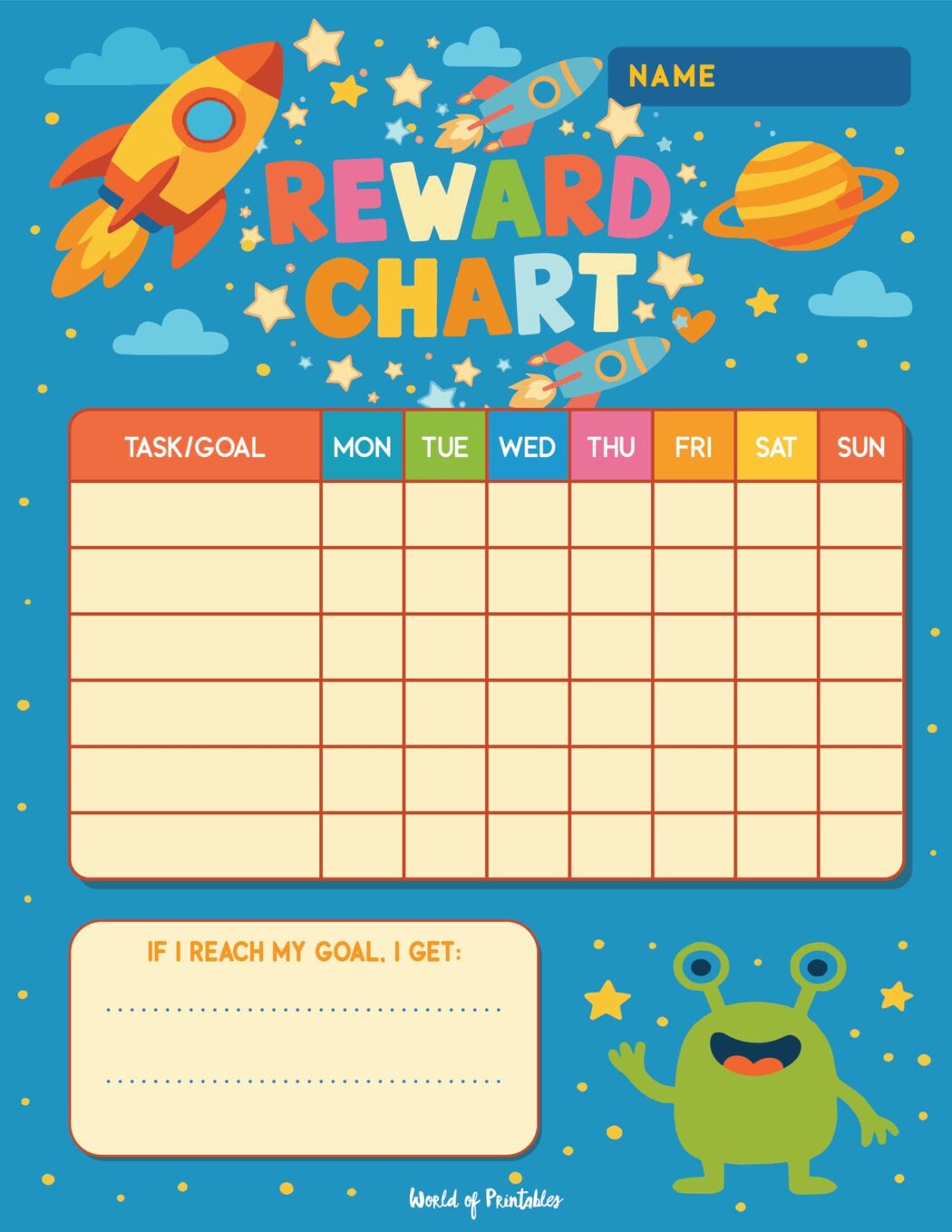
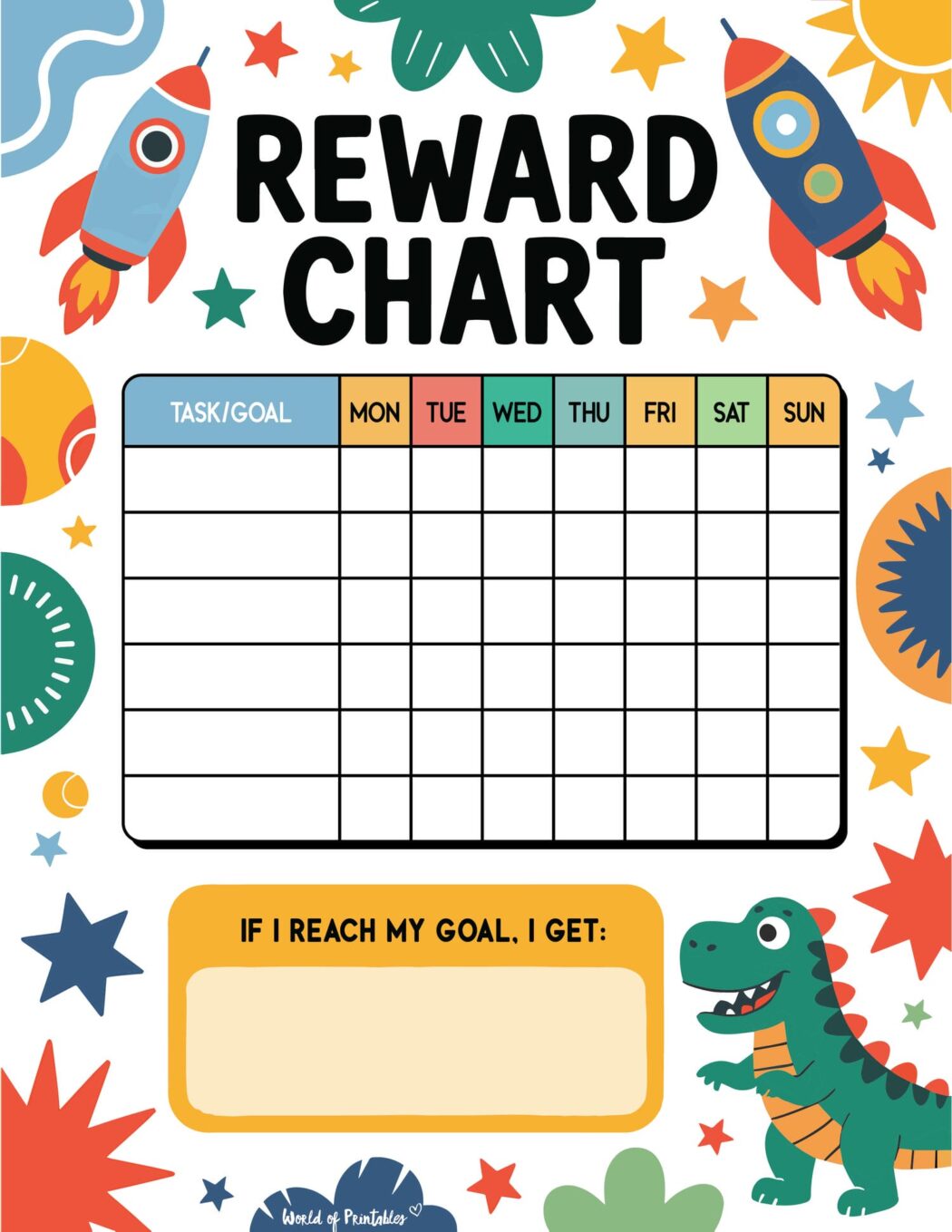
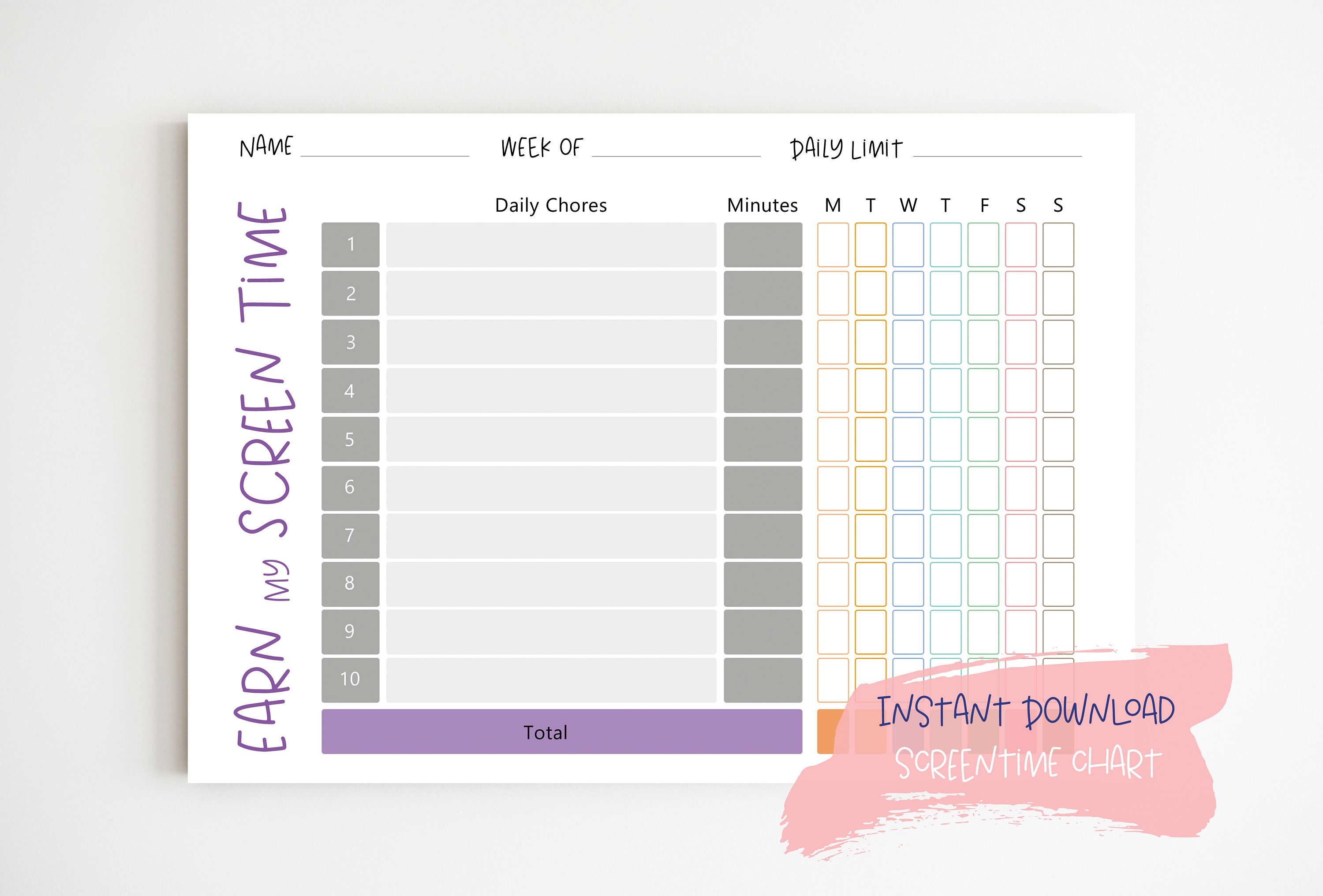
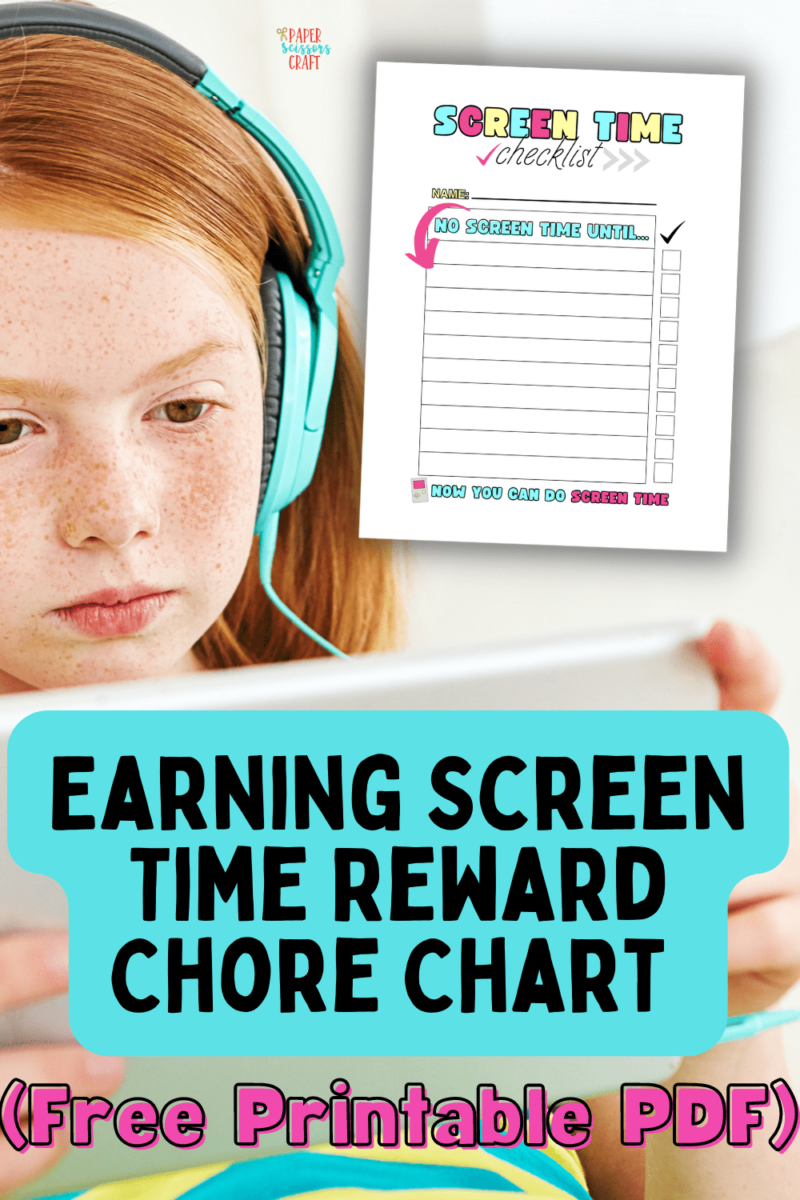
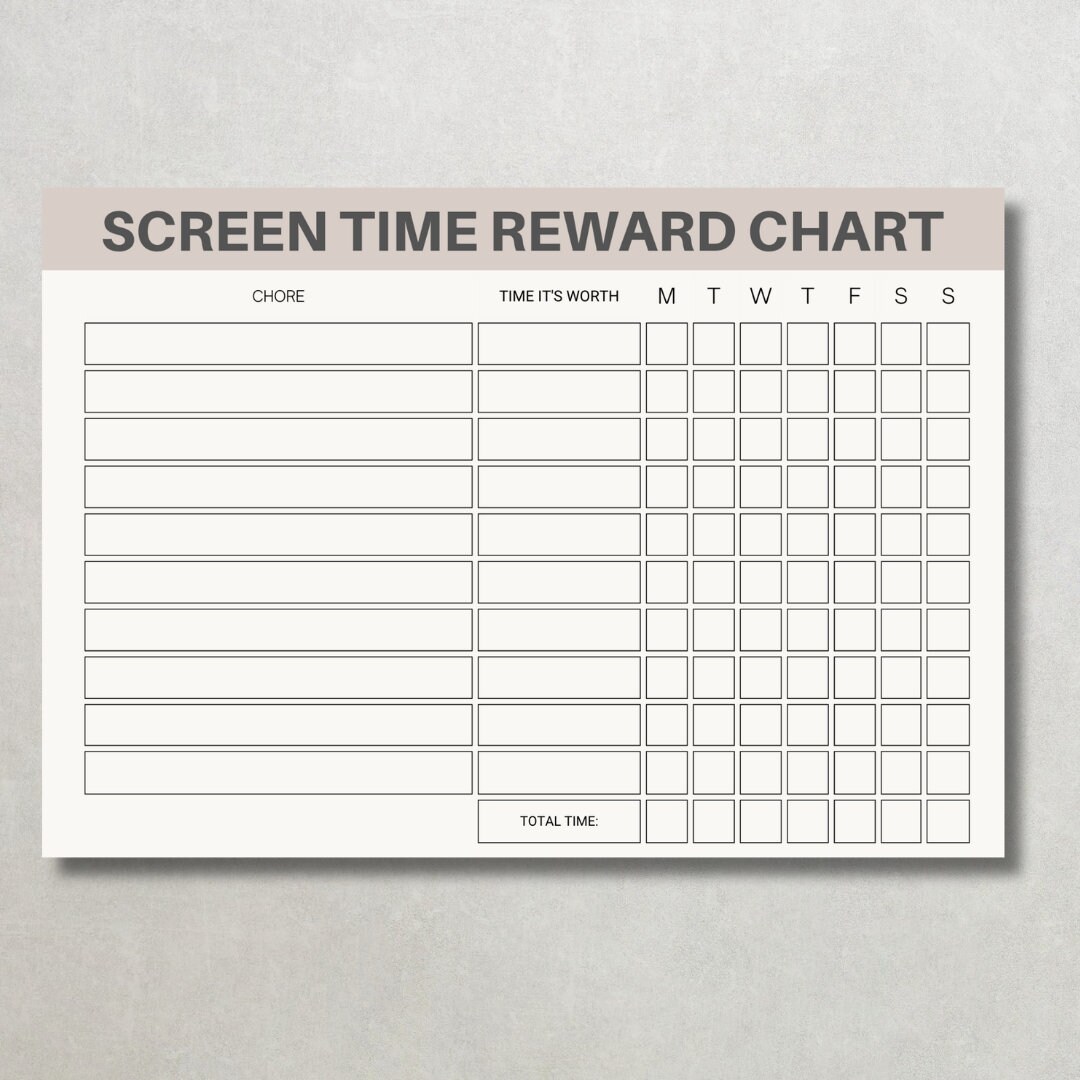
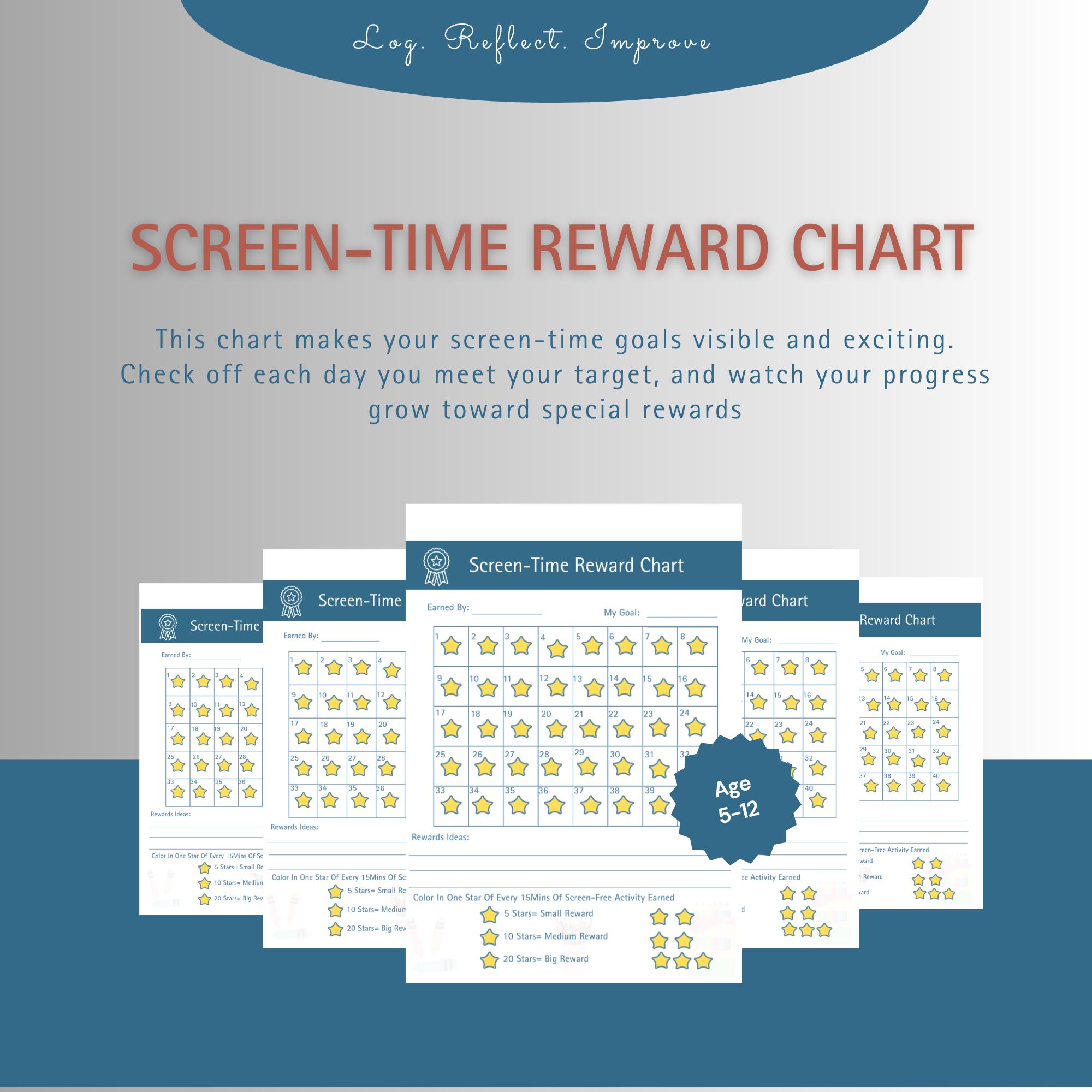
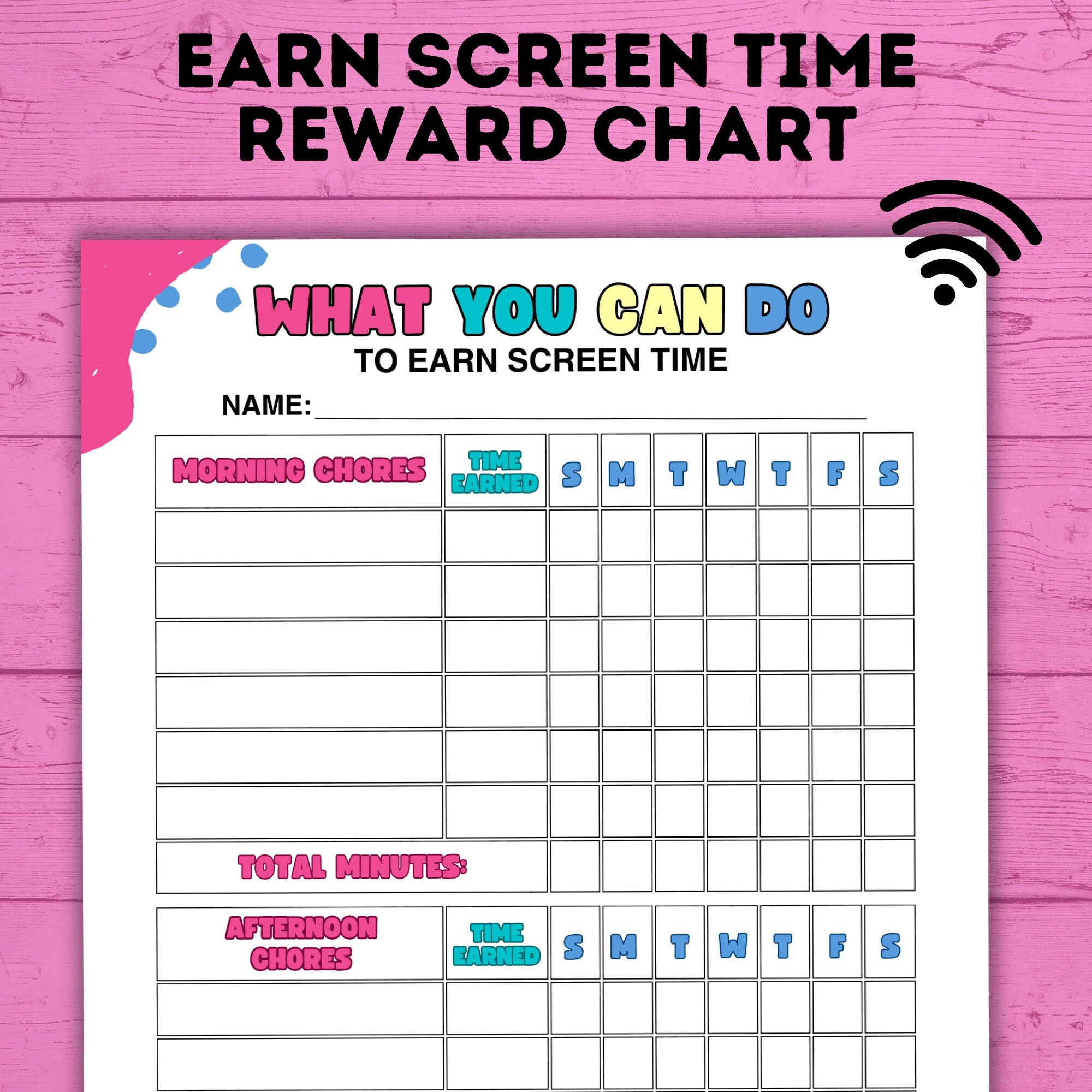
The “screen time reward chart for kids” is designed for straightforward implementation in both educational and home settings. Its format typically involves columns for days of the week, rows for specific screen time goals or alternative activities, and spaces for markers (stickers, checkmarks, stars) to indicate successful completion. The difficulty level is easily adaptable, making it suitable for a wide range of ages. Instructions are simple: establish clear, achievable goals collaboratively, consistently mark progress, and define rewards for reaching milestones. This worksheet functions effectively as a standalone activity to initiate discussions about screen time, as an integral component of a digital citizenship lesson plan, or as a practical homework assignment to bridge classroom learning with home practice. Its visual nature provides continuous feedback, reinforcing positive behaviors through tangible representation. Browse more guides on Safe Wired Schools.
Practical Tips for Parents and Teachers
Maximizing the effectiveness of the “screen time reward chart for kids” involves thoughtful application and consistent engagement:
- Collaborate on Goal Setting: Involve children in defining screen time limits and choosing non-screen activities. This fosters ownership and increases commitment.
- Ensure Consistent Tracking: Make marking the chart a daily ritual. Regularity reinforces the habit and provides clear visual progress.
- Celebrate Achievements: Acknowledge and reward milestones promptly. Positive reinforcement motivates continued effort and establishes a positive association with digital responsibility.
- Link Rewards to Non-Screen Activities: Encourage a broader range of interests by offering rewards like extra playtime, a special outing, or a new book, rather than additional screen time.
- Regular Review and Adaptation: Periodically discuss the chart’s effectiveness, adjust goals as children mature, and explore new alternative activities to keep the process engaging.
Age-Appropriate Recommendations
The “screen time reward chart for kids” can be adapted for various developmental stages, ensuring its relevance and impact across different age groups.
Ages 58 (Early Elementary): For this age group, the chart should be highly visual with large spaces for stickers or drawings. Goals should be very simple and concrete, such as “1 hour of screen time” or “played outside for 30 minutes.” Parental or teacher involvement is crucial for explaining concepts, assisting with tracking, and providing immediate feedback. Vocabulary should be basic and direct, focusing on clear rules and positive actions. Activity pacing should be relatively quick, with rewards offered for short-term achievements to maintain engagement.
Ages 912 (Later Elementary/Early Middle School): Children in this age range can participate more actively in setting their own goals and choosing rewards. The chart can include more nuanced goals, like “completed homework before screen time” or “read for 45 minutes.” Encouraging self-reflection on how balanced screen time makes them feel is beneficial. The level of supervision can gradually decrease, transitioning towards greater independence in tracking. Discussion prompts should encourage critical thinking about the benefits of balanced digital use and the potential impact of excessive screen time. Rewards can be more significant and less frequent, aligning with a developing understanding of long-term goals.
Frequently Asked Questions
Q: What is a “screen time reward chart for kids”?
A: A “screen time reward chart for kids” is a printable visual tool designed to help children track and manage their screen time habits. It encourages balanced digital use through goal setting, consistent monitoring, and positive reinforcement via rewards.
Q: How does this chart support internet safety?
A: The chart promotes internet safety by fostering healthy digital habits, teaching self-regulation, and encouraging a balance between online and offline activities. It helps prevent excessive screen time, which can impact physical health, mental well-being, and exposure to online risks.
Q: Where can the free printable “screen time reward chart for kids” be downloaded?
A: The free printable “screen time reward chart for kids” can be easily accessed and downloaded directly from the SafeWiredSchools.org website. Navigate to the worksheets section to find this and many other valuable resources.
Explore More Free Printable Worksheets
A single resource, while valuable, achieves its greatest impact when integrated into a comprehensive learning routine. The “screen time reward chart for kids” is an excellent starting point for cultivating digital responsibility. However, a holistic approach to internet safety benefits immensely from a broader collection of educational materials. Educators and parents are invited to explore a full collection of free printable internet safety worksheets, activity sheets, checklists, quizzes, and more. These resources, available at SafeWiredSchools.org Worksheets, cover every essential internet safety topic and are meticulously designed for every grade level and diverse learning environments. Building a generation of digitally savvy and responsible citizens requires continuous engagement with trusted, expert-developed tools.
Developmental Milestone & Activity Table
| Development Stage | Recommended Daily Duration | Primary Learning Objective |
|---|---|---|
| Preschool & Pre-K | 10 – 15 Minutes | Pencil grip development & basic pre-stroke lines |
| Kindergarten | 15 – 20 Minutes | Letter/number formation & spatial line awareness |
| Early Elementary (Grade 1–2) | 20 – 30 Minutes | Fluency, sentence construction & neatness |
Images References