Introduction
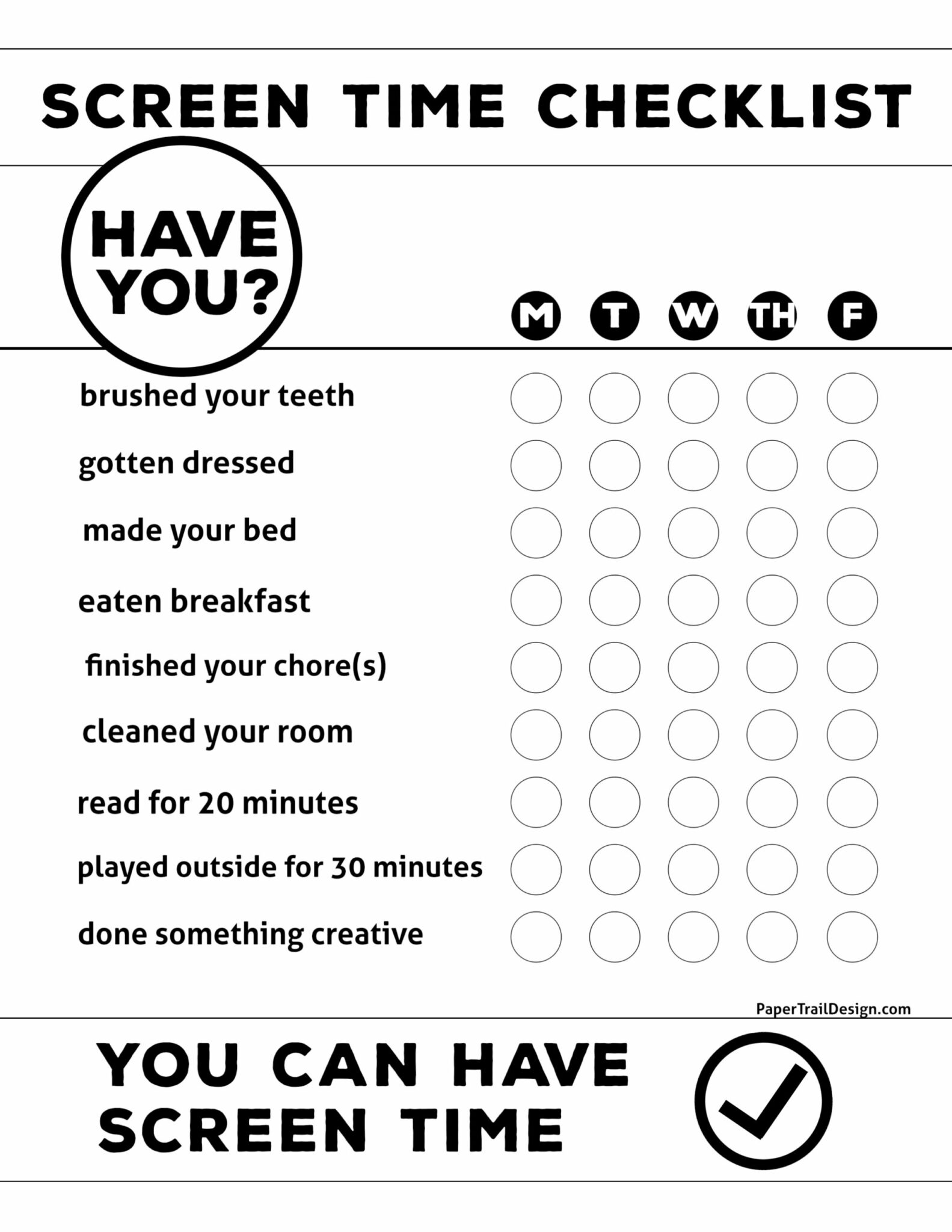
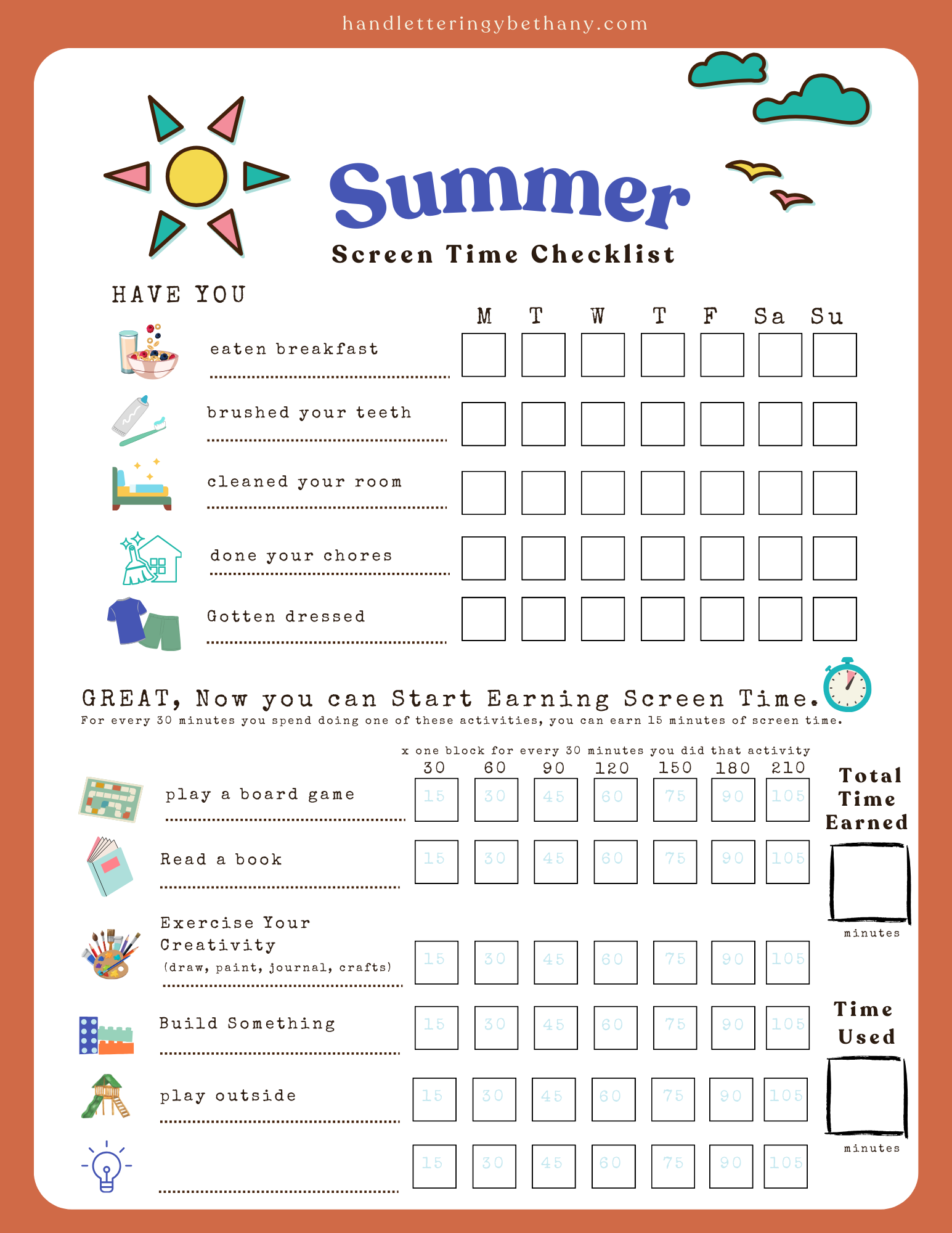
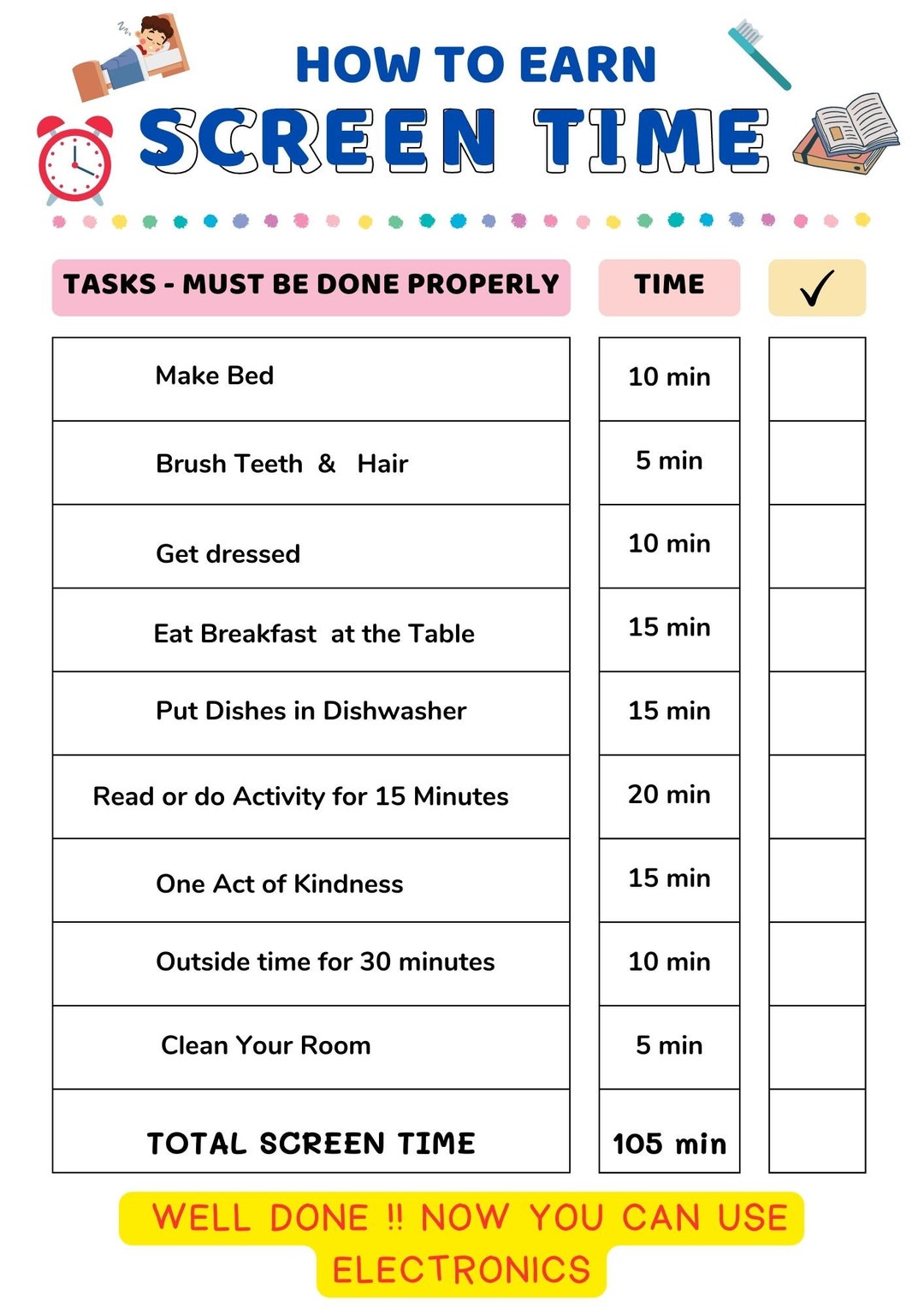
Educators and parents consistently seek effective, accessible tools for teaching vital digital citizenship skills. The “daily screen time checklist printable free” resource emerges as a cornerstone for reinforcing responsible technology use among early learners, elementary students, and middle schoolers, with adaptable strategies for high school-aged individuals. This practical worksheet offers a hands-on approach to digital wellness, making abstract concepts tangible for young minds. Printable resources hold a long-standing reputation within educational settings as trusted instruments for skill development. Their physical nature encourages active engagement, critical thinking, and a deliberate pause for reflection, qualities often difficult to cultivate in purely digital environments. Worksheets like this one empower children to internalize internet safety principles through direct interaction, fostering a foundational understanding of balanced online behavior and self-regulation. The act of physically checking off tasks on a daily screen time checklist transforms passive consumption into an active, mindful process, thereby building essential digital awareness and promoting responsible habits from an early age.
💡 Educational Key Takeaways:
- Core Skill: Structured Daily Screen Time Checklist Printable Free focused on developing pencil grip, stroke control, and early literacy/math confidence.
- Target Scope: Suited for homeschoolers, preschool, kindergarten, and elementary learners.
- Best Recommendation: Practice 10–15 minutes daily with ergonomic writing tools to reinforce muscle memory without hand fatigue.
What This Worksheet Covers
The “daily screen time checklist printable free” resource specifically addresses the critical topic of balanced digital engagement and screen time management. It guides children through a series of self-reflective prompts and actionable steps designed to promote healthier habits around device usage. Concepts covered include setting personal boundaries, identifying productive versus recreational screen activities, and understanding the importance of offline pursuits. The checklist helps users recognize patterns in their screen use, encouraging them to allocate time thoughtfully rather than reactively. This content directly aligns with recognized digital citizenship standards emphasizing responsible technology use, digital wellness, and self-management skills. It serves as a practical tool for children to develop a conscious awareness of their digital footprint and cultivate habits that support overall well-being, both online and offline. Related guide: Online Safety And Netiquette Lesson Plan Grade 4.
Key Learning Outcomes
By engaging with the “daily screen time checklist printable free,” students and children will develop several crucial skills and knowledge areas:. Browse more guides on Safe Wired Schools.
- Enhanced Self-Awareness: Children gain a clearer understanding of their own screen time habits and how digital devices fit into their daily routines.
- Boundary Setting: Individuals learn to identify and establish personal limits for screen use, fostering self-control and discipline.
- Balanced Activity Planning: The checklist encourages the integration of offline activities, promoting a healthy balance between digital and real-world engagement.
- Critical Evaluation of Content: Users begin to differentiate between passive consumption and purposeful, enriching online interactions.
- Responsible Digital Citizenship Foundation: Children develop an early understanding of self-regulation, a core component of responsible online behavior.
How to Use This Worksheet
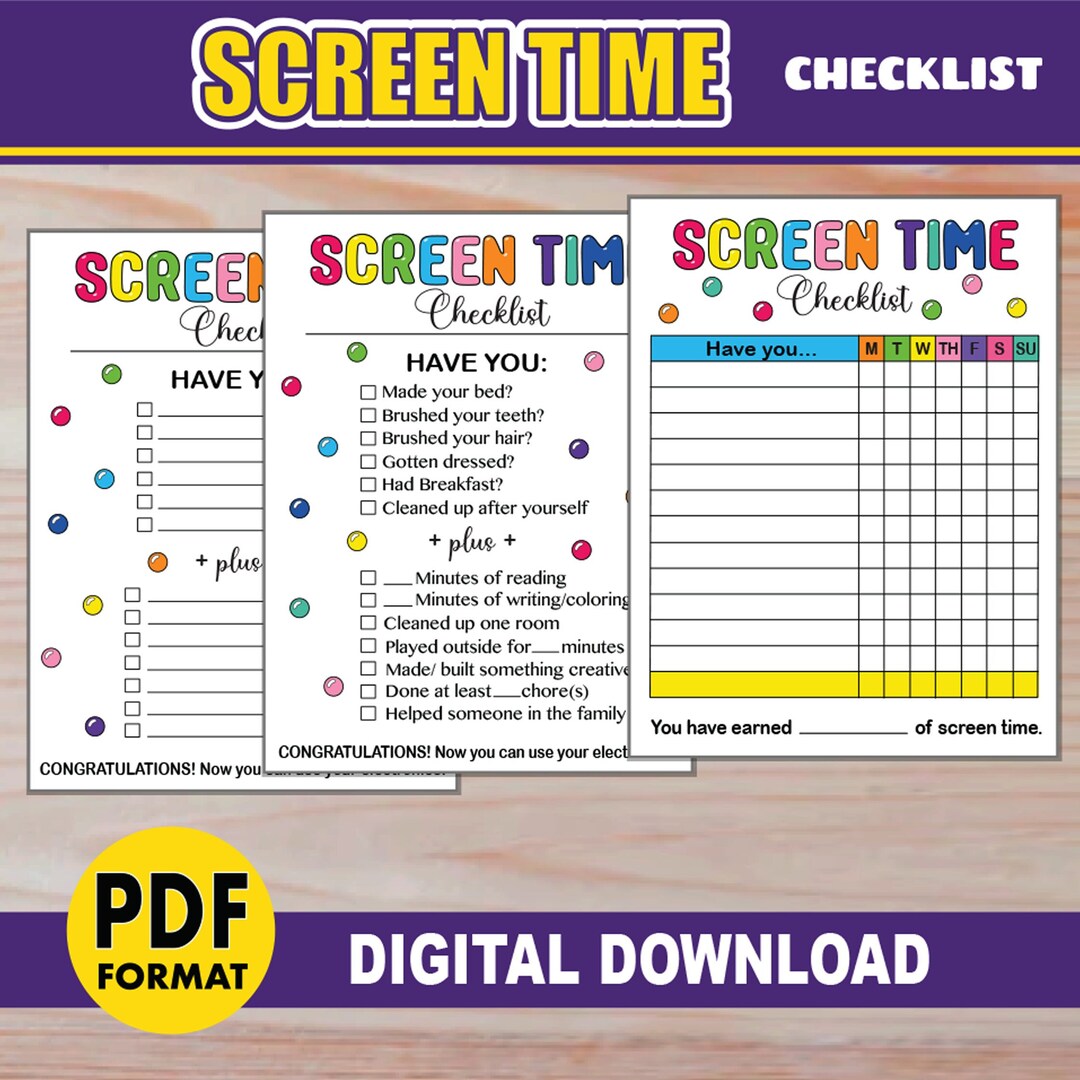
The “daily screen time checklist printable free” offers versatile application for both classroom and home environments. Its format typically includes a series of simple, direct statements or questions requiring a checkmark, a brief written response, or a rating. The difficulty level is designed to be accessible, with instructions that scaffold learning progressively, ensuring comprehension across a range of ages. For instance, younger learners might focus on checking off basic tasks like “Did I play outside today?” while older students could reflect on “Was my screen time productive or purely recreational?” This worksheet functions effectively as a standalone activity, providing a quick daily check-in. It can also be integrated into a broader lesson plan on digital wellness, serving as a practical application of concepts discussed. Furthermore, assigning the checklist as a homework activity encourages consistent self-monitoring and parent-child discussions about digital habits.
Practical Tips for Parents and Teachers
Maximizing the educational impact of the “daily screen time checklist printable free” requires thoughtful implementation. Preparation involves printing multiple copies for consistent use and establishing a designated time each day for completion. During facilitation, encourage open, non-judgmental discussion about the checklist items; focus on observation and learning, not just compliance. After completion, use the checklist as a springboard for conversations, asking questions like, “What was easy to check off today?” or “What felt challenging, and why?” To extend the learning beyond the worksheet, invite children to personalize their checklists by adding their own preferred offline activities or specific digital goals, fostering greater ownership and engagement with their digital wellness journey.
Age-Appropriate Recommendations
Adapting the “daily screen time checklist printable free” ensures its relevance and effectiveness across various developmental stages. For Ages 5-8 (Early Elementary), the focus should remain highly visual and concrete. Use simple, direct language and involve a parent or teacher in reviewing each item. The checklist can be a fun, shared activity at the end of the day, emphasizing positive reinforcement for completing offline tasks like “played with toys” or “read a book.” For Ages 9-13 (Late Elementary to Middle School), encourage greater independence in completing the checklist. Vocabulary can be slightly more nuanced, addressing concepts like “purposeful use” versus “mindless scrolling.” This age group benefits from discussing the ‘why’ behind each item, connecting their screen time habits to feelings of productivity or well-being. For Ages 14-18 (High School), the checklist transitions into a tool for self-reflection and goal-setting. Encourage critical analysis of digital habits, linking screen time to academic performance, sleep patterns, and social interactions. Discussions should revolve around personal responsibility and developing sustainable digital wellness strategies, with the checklist serving as a personal accountability tool rather than a rigid set of rules.
Frequently Asked Questions
Q: What specific benefits does a daily screen time checklist offer children? A: A daily screen time checklist helps children develop self-awareness regarding their digital habits, encourages balanced engagement with technology, and promotes healthier routines by integrating offline activities. It provides a tangible way to track and improve digital wellness. Q: How can parents and teachers introduce this checklist without making it feel like a chore? A: Introduce the checklist as a tool for personal growth and balance, not as a disciplinary measure. Involve children in discussions about healthy screen habits, celebrate their progress, and allow for some personalization of the checklist to increase engagement. Q: Where can the “daily screen time checklist printable free” be accessed and downloaded? A: This valuable resource, along with many other digital safety materials, is available for free download directly from the SafeWiredSchools.org website. Navigate to the worksheets section to find and print the checklist today.
Explore More Free Printable Worksheets
While the “daily screen time checklist printable free” offers significant value in fostering responsible digital habits, consistent learning requires a broader array of resources. This single worksheet functions optimally as part of a comprehensive digital safety curriculum. SafeWiredSchools.org provides an extensive collection of free printable internet safety worksheets, activity sheets, quizzes, and more. These resources cover every essential internet safety topic, from identifying phishing scams to understanding online privacy, and are meticulously designed for every grade level and diverse learning environments. Educators and parents are invited to explore the full collection and integrate these invaluable tools into their ongoing efforts to build a safer, smarter digital generation at SafeWiredSchools.org Worksheets.
Developmental Milestone & Activity Table
| Development Stage | Recommended Daily Duration | Primary Learning Objective |
|---|---|---|
| Preschool & Pre-K | 10 – 15 Minutes | Pencil grip development & basic pre-stroke lines |
| Kindergarten | 15 – 20 Minutes | Letter/number formation & spatial line awareness |
| Early Elementary (Grade 1–2) | 20 – 30 Minutes | Fluency, sentence construction & neatness |
Images References