Introduction
Effective management of digital device usage stands as a critical component of modern parenting and education. The resource, “free screen time behavior chart for kids,” targets Elementary grades 15 and early Middle School grades 6-8, offering a practical tool for fostering responsible digital habits. This printable worksheet plays a vital role in reinforcing fundamental internet safety concepts through a tangible, hands-on learning approach. Educators and parents consistently rely on printable resources for their proven effectiveness in building digital awareness and promoting responsible online behavior. These physical tools provide a necessary break from screens, allowing for focused engagement and tangible tracking of progress, which are essential elements in developing healthy digital citizenship skills. Their accessibility and ease of integration into daily routines make them trusted instruments for guiding children toward mindful interaction with technology.
💡 Educational Key Takeaways:
- Core Skill: Structured Free Screen Time Behavior Chart For Kids focused on developing pencil grip, stroke control, and early literacy/math confidence.
- Target Scope: Suited for homeschoolers, preschool, kindergarten, and elementary learners.
- Best Recommendation: Practice 10–15 minutes daily with ergonomic writing tools to reinforce muscle memory without hand fatigue.
What This Worksheet Covers
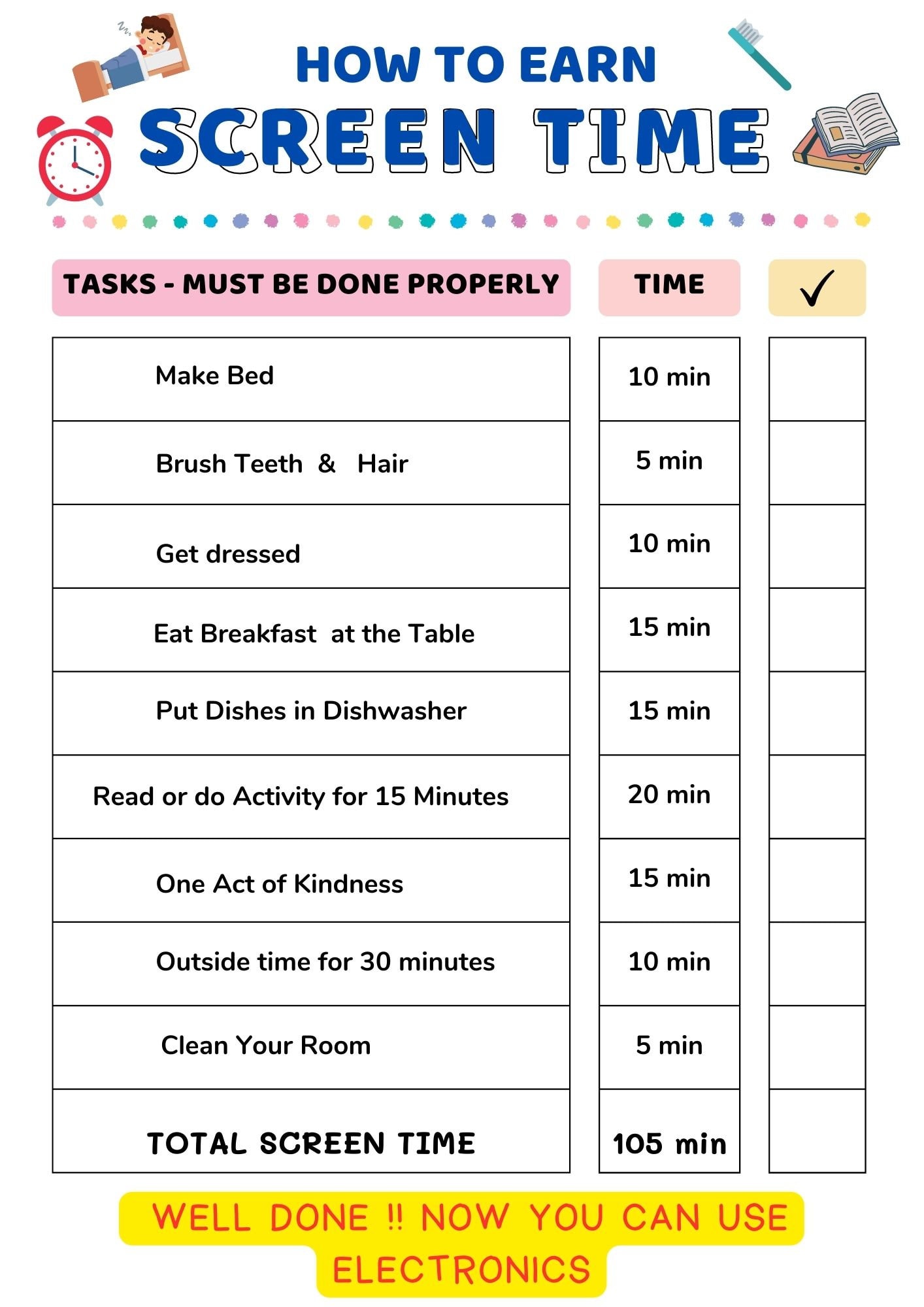
This “free screen time behavior chart for kids” specifically addresses the crucial topic of healthy screen time management and the establishment of digital boundaries. It guides children through understanding appropriate device usage, balancing online engagement with offline activities, and recognizing the value of self-regulation. The chart encourages adherence to pre-established rules for digital interactions and promotes positive screen choices. Concepts such as designated screen-free times, content awareness, and the importance of physical activity are subtly integrated. The worksheet‘s content aligns directly with recognized digital citizenship and child safety education standards, particularly those focusing on digital wellness, responsible technology use, and the development of media literacy skills. It serves as a foundational element in a comprehensive approach to internet safety education, emphasizing proactive habit formation.
Key Learning Outcomes
By engaging with the “free screen time behavior chart for kids,” children and students will develop several crucial skills and areas of knowledge:. Browse more guides on Safe Wired Schools.
- Development of self-regulation skills regarding personal digital device usage.
- Increased awareness of healthy screen time habits and the importance of established digital boundaries.
- Understanding the significance of balancing online activities with real-world engagement and responsibilities.
- Ability to track, monitor, and reflect on individual screen time engagement patterns.
- Fostering open communication within families or classrooms about digital habits and expectations.
How to Use This Worksheet
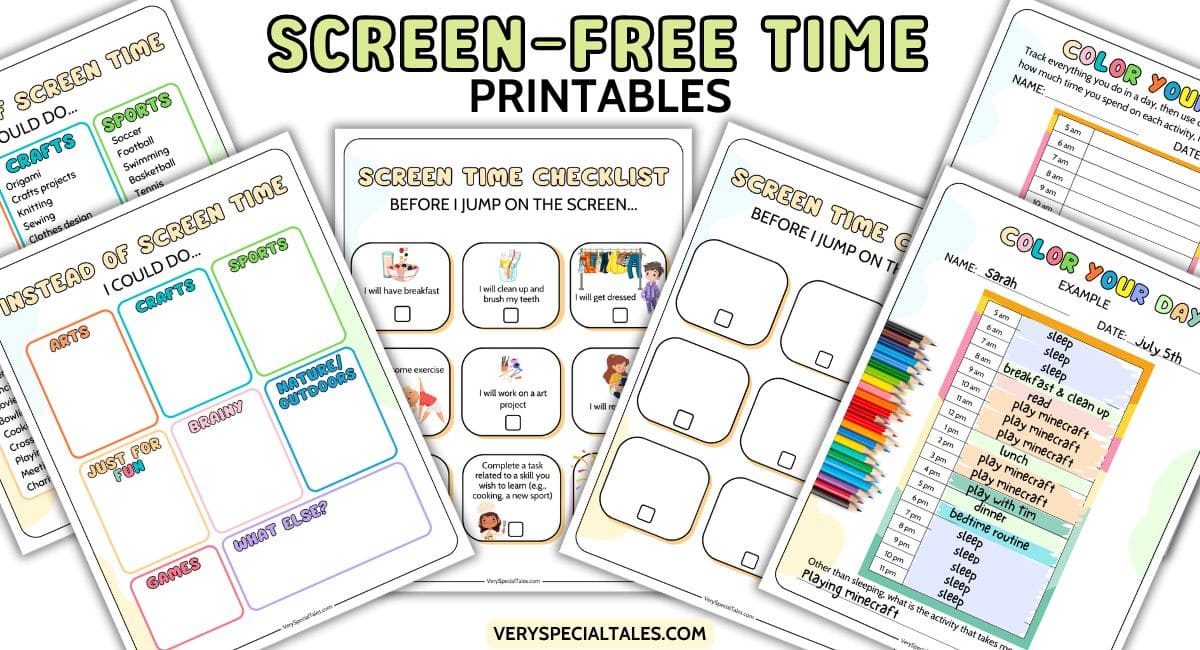
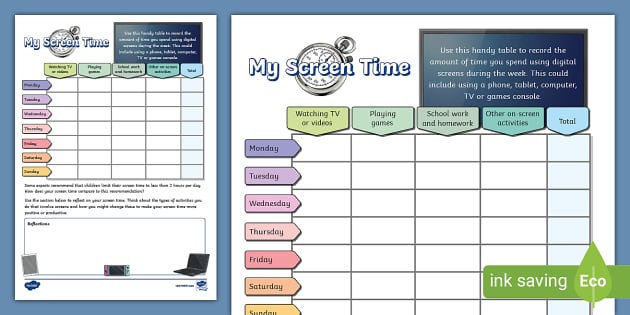
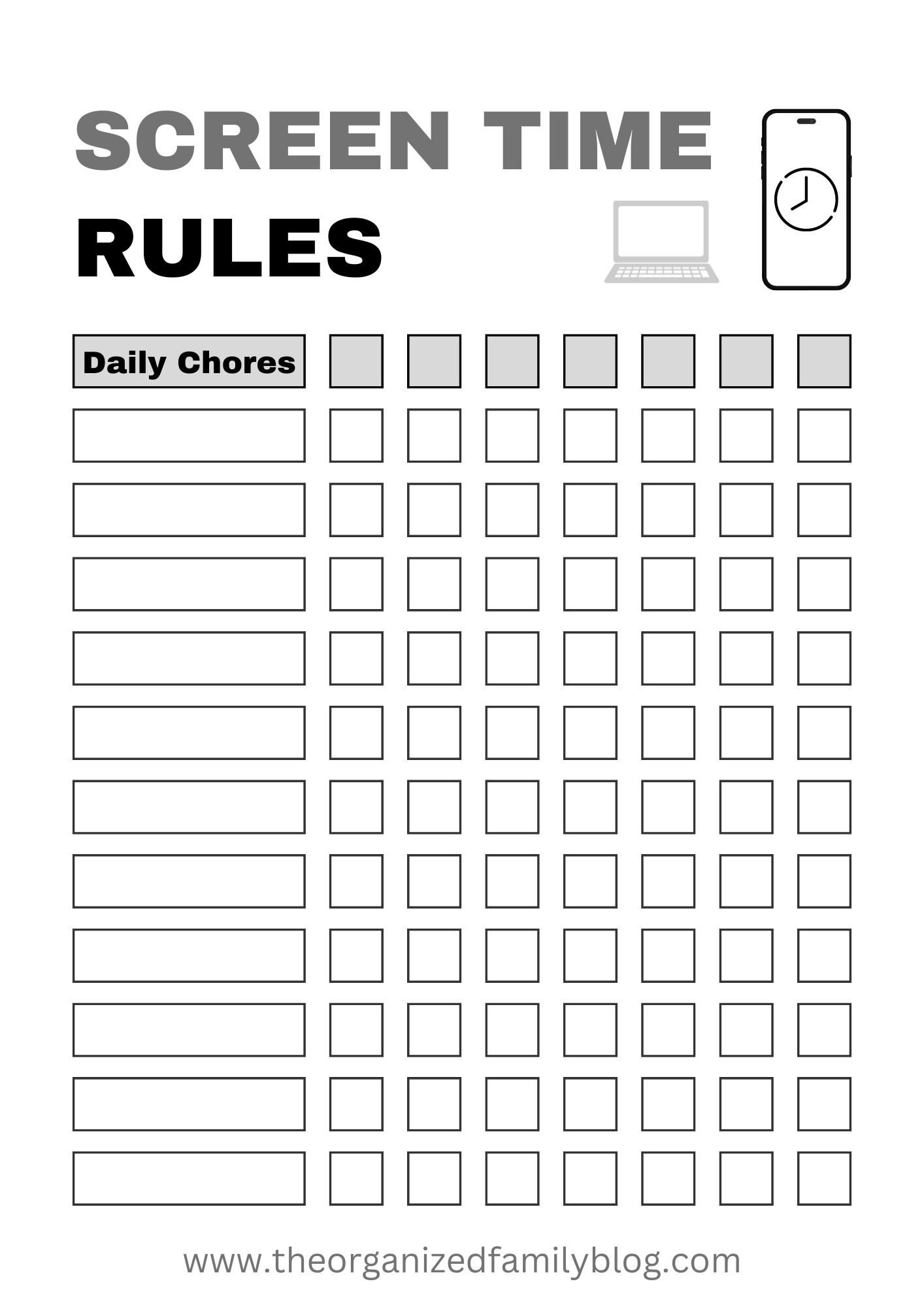
The “free screen time behavior chart for kids” offers versatile application in both educational and home environments. Its format typically includes sections for daily or weekly tracking, goal setting, and achievement recognition. Activities might involve simple checkboxes for completing designated screen time, spaces for recording time spent on educational versus entertainment content, or opportunities to log alternative offline activities. The difficulty level is designed to be accessible for elementary and early middle school ages, with clear, concise instructions that scaffold learning progressively. This worksheet can function effectively as a standalone activity to initiate discussions about digital habits, as an integrated part of a broader lesson plan on digital citizenship, or as a structured homework assignment to encourage consistent practice at home. Its adaptable design supports various learning styles and family dynamics.
Practical Tips for Parents and Teachers
Maximizing the benefits of the “free screen time behavior chart for kids” requires thoughtful implementation and ongoing engagement. Careful consideration of the chart’s placement ensures visibility and regular interaction. Facilitating a preliminary discussion about screen time expectations and the purpose of the chart helps set clear guidelines. Regularly reviewing progress with children offers opportunities for positive reinforcement and constructive feedback. After completion, engaging in prompts such as “What did you learn about your screen time habits?” or “How did balancing your screen time make you feel?” deepens reflection. Extending the learning beyond the worksheet involves modeling healthy digital habits and introducing screen-free activities that children can enjoy as alternatives.
Age-Appropriate Recommendations
Tailoring the approach to the “free screen time behavior chart for kids” based on age ensures optimal engagement and effectiveness.
For Ages 5-8 (Early Elementary), the focus should remain on basic tracking and visual reinforcement. Teachers and parents should introduce the chart with simple language, clearly explaining the concept of “screen time” and why limits are beneficial. High involvement from adults is crucial, assisting with daily check-ins and offering immediate positive feedback or small, tangible rewards for meeting goals. Activity pacing should be brief and consistent, emphasizing the connection between actions and outcomes. Visual cues like stickers or colorful markers can enhance engagement for this age group.
For Ages 9-12 (Upper Elementary/Early Middle), the chart can encourage greater self-responsibility and goal-setting. Discussions should delve deeper into the types of content consumed and the impact of screen time on other activities like homework or sleep. Children in this age range can participate more actively in defining their own screen time goals and understanding the natural consequences of exceeding limits. The chart can become a tool for negotiation and developing a sense of ownership over digital habits, with adults transitioning to a more supportive and supervisory role. Regular, scheduled reviews of the chart foster accountability and continuous improvement.
Frequently Asked Questions
Q: What is a “free screen time behavior chart for kids”?
A: It is a printable resource designed to help children track and manage their digital device usage, encouraging healthy habits and responsible online behavior. The chart provides a visual representation of screen time goals and achievements, fostering self-regulation. It serves as a tangible tool for families and educators to discuss and implement screen time guidelines effectively.
Q: How does this chart contribute to internet safety education?
A: By promoting balanced screen time, this chart inherently teaches children about responsible digital citizenship, a core tenet of internet safety. It helps prevent excessive use, which can expose children to various online risks, and encourages engagement in offline activities, fostering overall well-being. The resource supports the development of critical thinking skills regarding online content and personal time management.
Q: Where can this free printable be downloaded?
A: The “free screen time behavior chart for kids” is available for immediate download and printing directly from the SafeWiredSchools.org website. Visitors can locate the resource within the dedicated worksheets section or by utilizing the site’s search function. Accessing this valuable tool is straightforward, ensuring educators and parents can quickly implement it.
Explore More Free Printable Worksheets
The consistent integration of digital safety learning routines significantly enhances a child’s online resilience. While a single worksheet like the “free screen time behavior chart for kids” provides immense value, its impact multiplies when utilized as part of a broader collection of printable resources. Educators and parents are encouraged to explore the extensive range of free printable internet safety worksheets, activity sheets, checklists, quizzes, and more at SafeWiredSchools.org Worksheets. This comprehensive collection covers every essential internet safety topic and is meticulously designed for every grade level and diverse learning environment, ensuring continuous support for digital literacy development.
Developmental Milestone & Activity Table
| Development Stage | Recommended Daily Duration | Primary Learning Objective |
|---|---|---|
| Preschool & Pre-K | 10 – 15 Minutes | Pencil grip development & basic pre-stroke lines |
| Kindergarten | 15 – 20 Minutes | Letter/number formation & spatial line awareness |
| Early Elementary (Grade 1–2) | 20 – 30 Minutes | Fluency, sentence construction & neatness |
Images References