Introduction
Safe information in digital literacy for students encompasses any non-identifiable, educational, or general-interest content that cannot be exploited by malicious actors to compromise personal security, financial standing, or physical safety. According to the Cybersecurity and Infrastructure Security Agency (CISA), protecting sensitive personal data online requires strict separation between public content and private identifiers such as home addresses, phone numbers, and full birth dates. Understanding this boundary is essential for modern students navigating educational Worksheets and online research portals. School administrators, teachers, and parents must collaborate to establish clear parameters regarding what data remains secure for public consumption versus what must be shielded from digital footprints.
Digital Safety Snapshot:
- Core Focus: Safe information is strictly non-identifiable data that carries zero risk of exploitation, profiling, or targeted cyber threats.
- Target Scope: Middle school students, classroom educators, school administrators, and residential parents managing device use.
- Key Recommendation: Enforce a strict zero-sharing rule for personally identifiable information across all digital learning platforms.
Core Principles and Detailed Overview
Safe information constitutes digital input that lacks the capacity to uniquely identify, track, or locate a specific individual in physical or virtual spaces. When students engage with online research tools or complete assignments found within Coloring Pages databases, safe data entry is limited to general topics, non-specific pseudonyms, and school-approved educational handles. Digital citizenship curricula define unsafe data as any combination of elements that reveals a minor’s daily routines, geographical location, or institutional affiliation without administrative consent. Maintaining strict device hygiene and enforcing screen balance further ensures that students do not inadvertently expose sensitive telemetry data or geolocation metadata through interactive applications and web browsers.
Key Specifications and Breakdown
| Safety Pillar | Digital Risk Factor | Actionable Protective Habit |
|---|---|---|
| Data Privacy | Identity theft and predatory profiling | Share only generalized academic interests rather than private identifiers. |
| Digital Footprint | Permanent archiving of embarrassing or risky media | Audit uploaded classroom materials regularly for unintentional personal disclosures. |
| Cyberbullying Defense | Harassment via direct messaging channels | Restrict profile visibility and report unauthorized contact immediately to school authorities. |
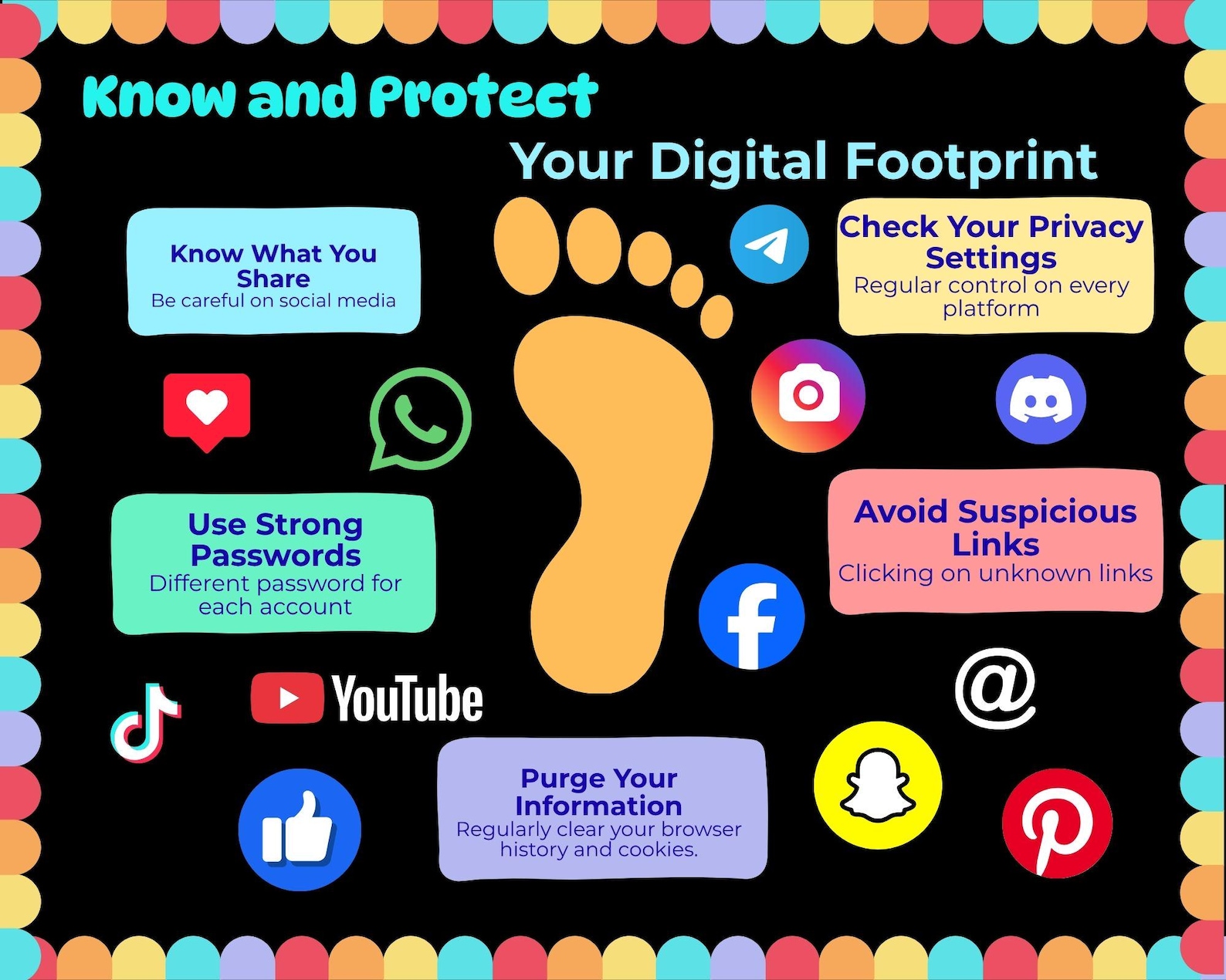
Minors must be taught to recognize that once data enters the public domain, permanent digital footprints are established that impact future academic and professional opportunities. — ConnectSafely Research
Step-by-Step Practical Application and Guidelines
Implementing safe information protocols requires a systematic approach to classroom screen balance, password management, and active cyberbullying prevention. Educators and parents must first audit all educational software accounts to ensure students utilize randomized usernames instead of legal names. Next, instructional modules should integrate lessons from Internet and Digital Safety to train students to evaluate form fields before submission, verifying whether requested data is strictly necessary for academic functions. Regular device hygiene maintenance, including clearing cache files and disabling unauthorized location permissions, reinforces these defensive habits across school-issued laptops and personal mobile devices.
Common Challenges and How to Avoid Them
Overconfidence in walled garden educational apps frequently leads students to mistakenly treat closed classroom environments as entirely risk-free zones for sharing personal details. To counteract this vulnerability, digital citizenship instructors must emphasize that peer-to-peer communication tools within school platforms can still experience data breaches or social engineering attacks. Educators avoid this trap by establishing explicit classroom policies that penalize the disclosure of personal contact details, even within casual school forums. Continuous monitoring combined with empathetic guidance ensures that students internalize safe information habits as a natural second nature during daily digital interactions.
💬 Frequently Asked Questions
Explore More Kids Safety and Digital Citizenship Guides on SafeWiredSchools
Comprehensive digital citizenship frameworks require continuous education, structured classroom resources, and collaborative oversight from both educators and families. Stakeholders seeking advanced strategies for device management, cyberbullying mitigation, and curriculum integration can explore the complete professional repository available at Safe Wired Schools to build a resilient, secure online environment for all students.
Visual Reference Gallery