Introduction
Internet safety digital citizenship integrates protective online boundaries with responsible civic behavior in virtual environments, shielding educational communities from emerging digital harms. According to the Family Online Safety Institute (FOSI), equipping students with proactive digital citizenship frameworks fundamentally transforms online navigation from a risky exposure into a constructive learning experience. Modern educational institutions, educators, families, and middle school students must collaborate closely to navigate connected landscapes safely. Comprehensive safeguarding strategies prioritize robust cyber hygiene, respectful communication, and intentional screen management across school devices. Reviewing targeted Online and Digital Safety resources assists administrators in maintaining secure institutional networks.
Digital Safety Snapshot:
- Core Focus: Internet safety digital citizenship merges technical defense mechanisms with ethical online responsibilities.
- Target Scope: Designed specifically for school administrators, classroom teachers, concerned parents, and middle school students.
- Key Recommendation: Implement consistent device hygiene practices alongside proactive digital footprint management policies.
Core Principles and Detailed Overview
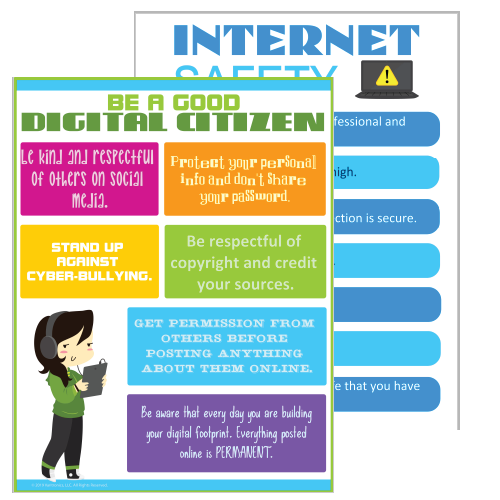
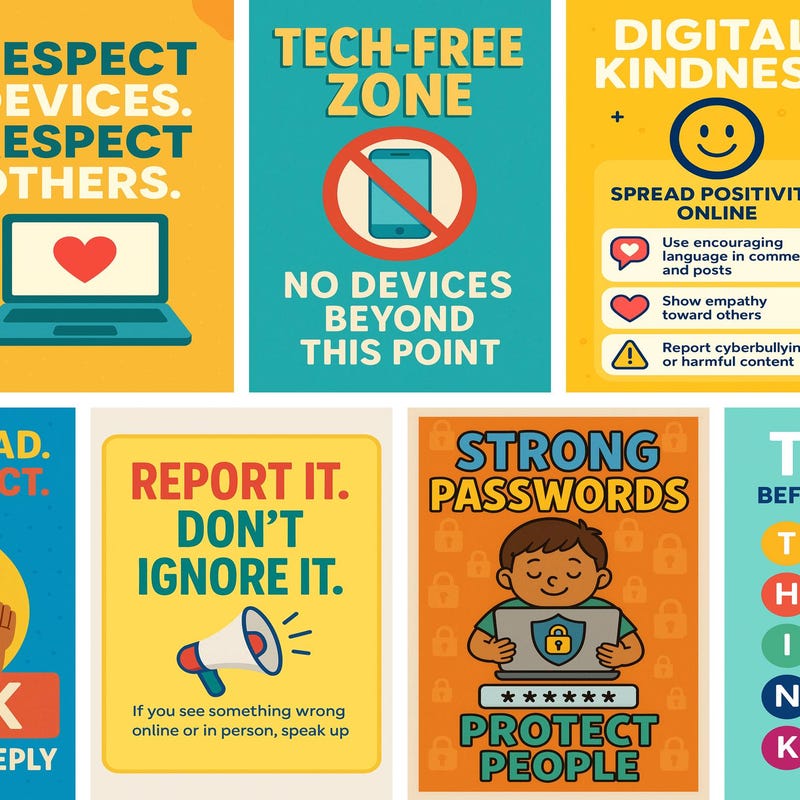
Internet safety digital citizenship relies on establishing clear protocols for classroom screen balance, permanent digital footprints, and rigorous cyberbullying prevention measures. School internet safety requires continuous monitoring of device usage, ensuring that students understand the permanent nature of online content creation. Unchecked screen consumption degrades focus, whereas structured digital limits foster healthier cognitive boundaries for adolescents. Furthermore, addressing cyberbullying requires multi-layered intervention plans that teach empathy, prompt reporting mechanisms, and strict accountability for inappropriate digital communication. Educators addressing these competencies often integrate structured Internet and Digital Safety modules directly into daily lesson plans.
Key Specifications and Breakdown
| Safety Pillar | Digital Risk Factor | Actionable Protective Habit |
|---|---|---|
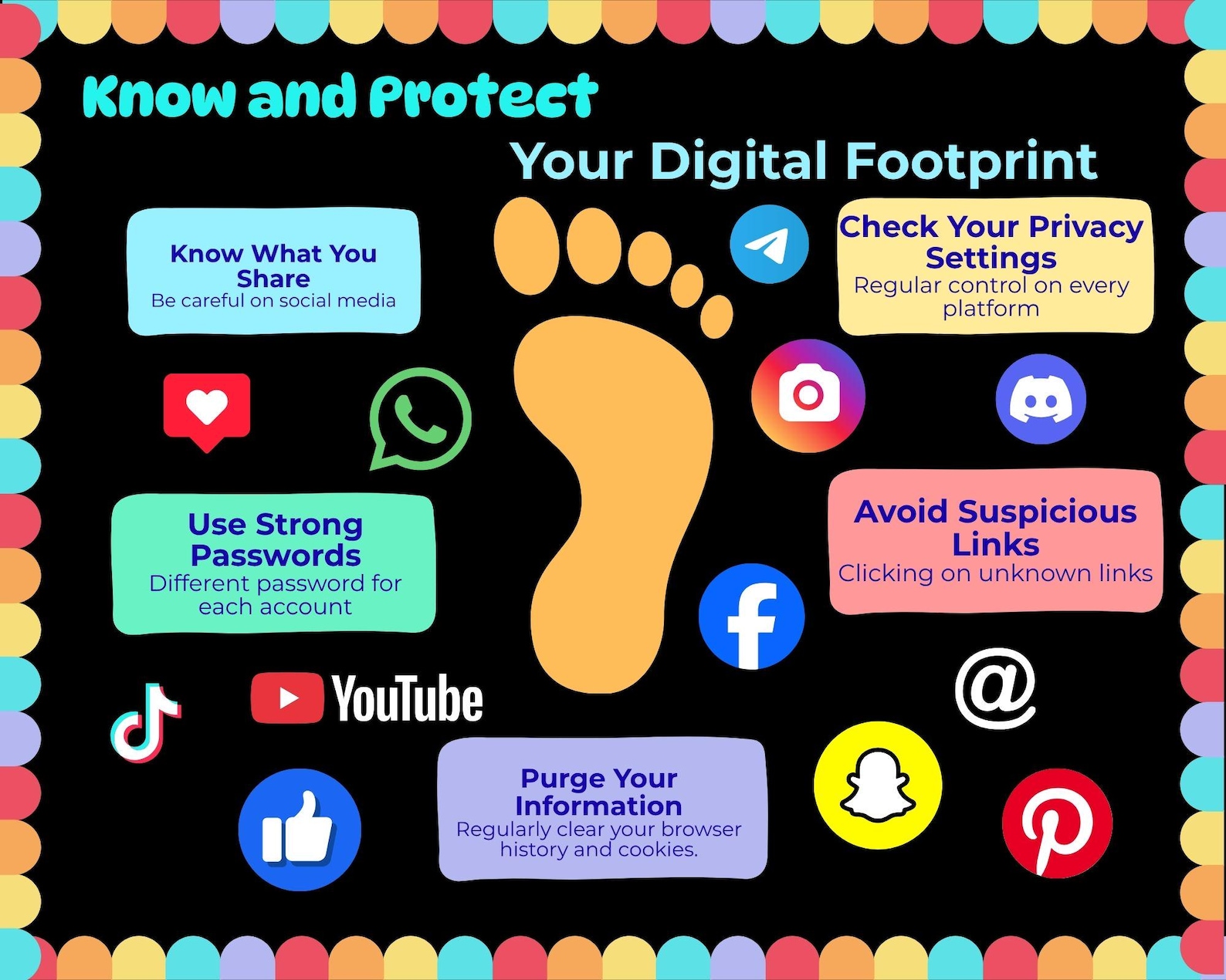
| Digital Footprint | Permanent storage of inappropriate text or images | Audit privacy settings weekly and review shareable content |
| Cyberbullying Prevention | Anonymous harassment and hostile peer exclusion | Document aggressive interactions immediately and report violations |
| Device Hygiene | Malware infiltration and compromised login credentials | Enforce strong multi-factor authentication and regular software updates |
Digital citizenship education is most effective when schools and homes establish unified behavioral expectations for online communication and device security. — Family Online Safety Institute (FOSI)
Step-by-Step Practical Application and Guidelines
Implementing internet safety digital citizenship demands a systematic approach encompassing technical safeguards, policy enforcement, and continuous student education. First, school administrators must deploy advanced content filtering on all institutional hardware to block malicious domains while maintaining necessary educational access. Second, teachers should integrate interactive Worksheets that challenge students to evaluate real-world digital dilemmas critically. Third, parents must mirror positive device hygiene at home by establishing designated offline zones during evening hours. Finally, schools should cultivate an open reporting culture where students feel fully supported when disclosing cyberbullying incidents or suspicious online contacts.
Common Challenges and How to Avoid Them
Overlooking subtle digital footprint accumulation and inconsistent policy enforcement represent the most frequent pitfalls encountered during school safety initiatives. Educational stakeholders often mistakenly assume that middle school students possess innate technological literacy, neglecting the necessity of explicit instruction regarding online privacy risks. Left unaddressed, superficial device monitoring allows covert cyberbullying to thrive within messaging applications and shared documents. Avoiding these systemic vulnerabilities requires ongoing faculty training, clear behavioral boundaries, and utilization of comprehensive Coloring Pages for younger learners to introduce digital concepts gently. Proactive institutional oversight guarantees a secure, supportive digital ecosystem across all educational platforms.
💬 Frequently Asked Questions
Explore More Kids Safety and Digital Citizenship Guides on SafeWiredSchools
Promoting a secure digital future requires ongoing access to expert educational strategies, authoritative safety standards, and practical implementation tools. Educators, parents, and administrators can discover extensive resources, actionable lesson plans, and foundational safety guidelines by visiting Safe Wired Schools.
Visual Reference Gallery