Introduction
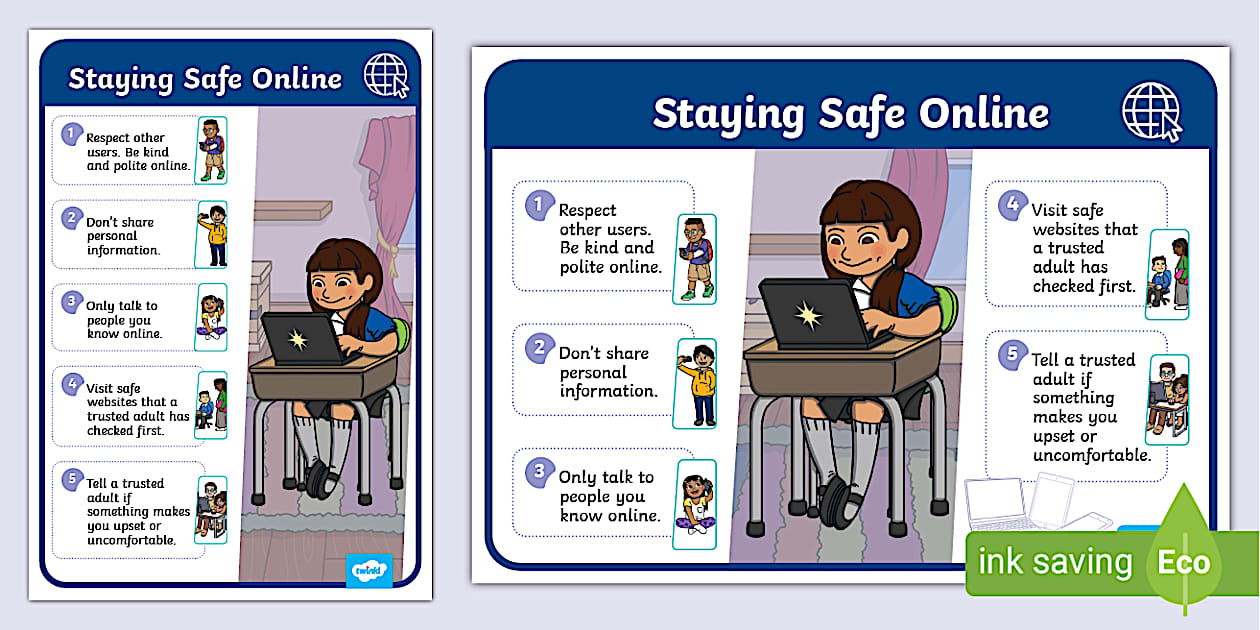
School Resource Officer (SRO) presentations for elementary students establish foundational internet safety habits by translating complex digital risks into age-appropriate protective behaviors. According to ConnectSafely, early digital citizenship instruction significantly reduces future online exposure by teaching children to recognize digital boundaries before independent device use begins. Integrating law enforcement personnel into elementary classrooms builds positive associations while delivering authoritative guidance on school internet safety, student digital footprints, cyberbullying prevention, and device hygiene. Educational communities utilize tailored resources like Internet and Digital Safety modules to reinforce these critical lessons across school and home environments.
Digital Safety Snapshot:
- Core Focus: Establishing early online boundaries and respectful digital citizenship through uniformed authority guidance.
- Target Scope: Elementary school classrooms, educators, administrators, and involved families.
- Key Recommendation: Deliver interactive, scenario-based safety lessons focusing on device hygiene and private information protection.
Core Principles and Detailed Overview
School Resource Officer interactions shape young digital citizens by establishing clear rules regarding device usage, classroom screen balance, and respectful online communication. When law officers discuss internet safety with young learners, the curriculum prioritizes concrete concepts over abstract threats, focusing on physical device care, password security, and the permanence of a student digital footprint. Educators must partner with safety officers to ensure messaging aligns with broader Online and Digital Safety standards, helping children understand that online actions carry real-world consequences and responsibilities.
Key Specifications and Breakdown
| Safety Pillar | Digital Risk Factor | Actionable Protective Habit |
|---|---|---|
| Student Digital Footprint | Permanent storage of personal photos and inappropriate comments. | Treating every online post as permanent ink visible to teachers and families. |
| Cyberbullying Prevention | Unkind messaging, exclusion, and harassment in gaming chats. | Practicing the golden rule and immediately reporting hurtful comments to trusted adults. |
| Device Hygiene | Sharing passwords, clicking unknown links, and neglecting physical care. | Keeping passwords private, avoiding strange links, and logging out after school use. |
Early intervention by trusted community figures establishes lasting behavioral frameworks for responsible digital citizenship and device management. — Cybersecurity & Infrastructure Security Agency (CISA)
Step-by-Step Practical Application and Guidelines
Effective classroom presentations by law enforcement personnel require structured delivery methods that maintain student engagement while reinforcing essential safety rules. Officers begin by establishing rapport through relatable examples of technology use, followed by interactive discussions on recognizing strangers online and protecting personal identifiers like home addresses and full names. Schools then anchor these presentations using Worksheets that prompt students to identify safe versus unsafe online choices. Concluding the session involves promoting healthy classroom screen balance, encouraging children to balance digital recreation with offline physical activities, sleep, and face-to-face socialization.
Common Challenges and How to Avoid Them
Overcoming technical jargon and fear-based messaging prevents young audiences from shutting down during important digital safety discussions. Presenters avoid overly alarmist scenarios that frighten elementary learners, instead focusing on empowerment, proactive reporting, and open communication with parents and educators. When students understand that reporting a scary online encounter brings help rather than punishment, transparency increases, and potential cyber threats are mitigated much earlier in the educational lifecycle.
💬 Frequently Asked Questions
Explore More Kids Safety and Digital Citizenship Guides on SafeWiredSchools
Empowering children requires continuous education, structured resources, and strong community partnerships among teachers, parents, and security professionals. Visitors can explore a comprehensive library of supportive materials by returning to the main Safe Wired Schools directory to discover additional tools, activity resources, and expert guidance.
Visual Reference Gallery