Introduction
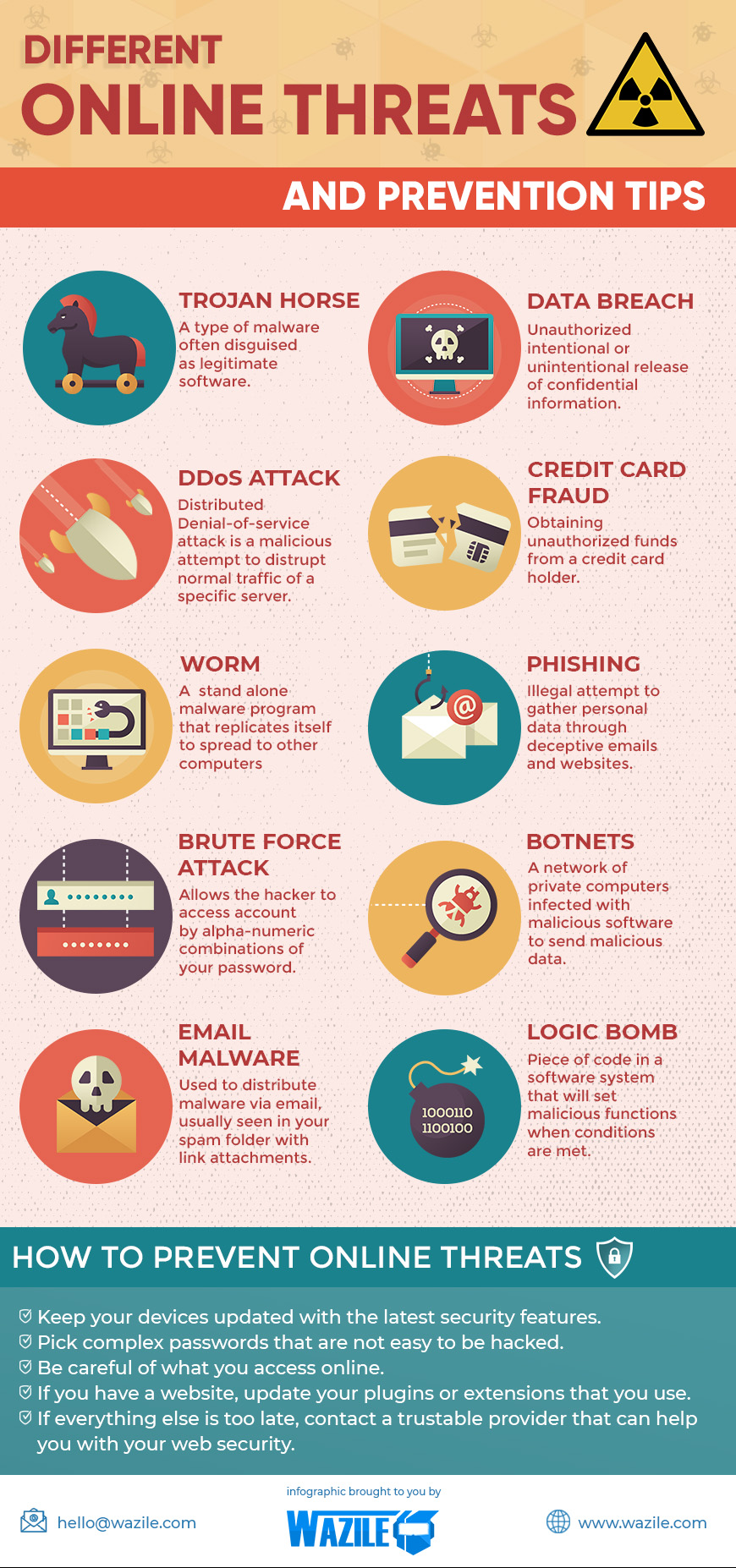
The dangers of online safety refer to the hidden vulnerabilities, structural risks, and psychological detriments that emerge when internet protocols, school networks, and student digital habits lack comprehensive defensive guardrails. According to the Cybersecurity and Infrastructure Security Agency (CISA), proactive cyber hygiene and structured digital resilience training are mandatory to mitigate persistent threats targeting educational institutions and young users. Modern educational environments face continuous exposure to data privacy breaches, targeted phishing attacks, and malicious exploitation of student metadata. Neglecting robust digital citizenship education transforms routine classroom technology integration into an operational and developmental hazard. Establishing rigorous defense mechanisms protects minors from malicious exposure while fostering a secure environment for academic technology exploration. Additional guidance is available within the Internet and Digital Safety archives.
Digital Safety Snapshot:
- Core Focus: Direct mitigation of what are the dangers of online safety across school networks and student digital footprints.
- Target Scope: Middle school students, educators, school administrators, and parents navigating institutional technology.
- Key Recommendation: Enforce multi-layered device hygiene, continuous digital footprint audits, and balanced classroom screen time policies.
Core Principles and Detailed Overview
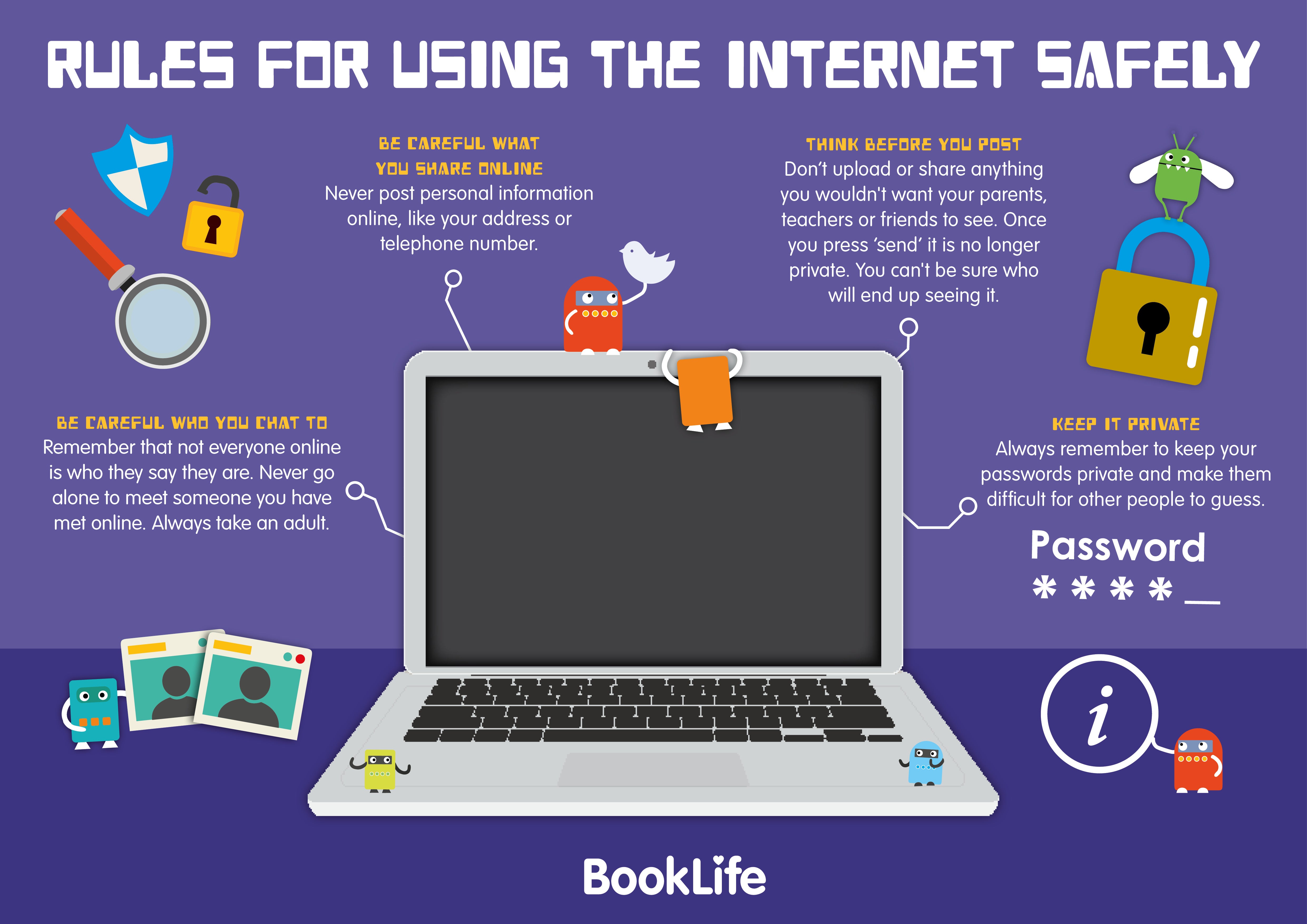
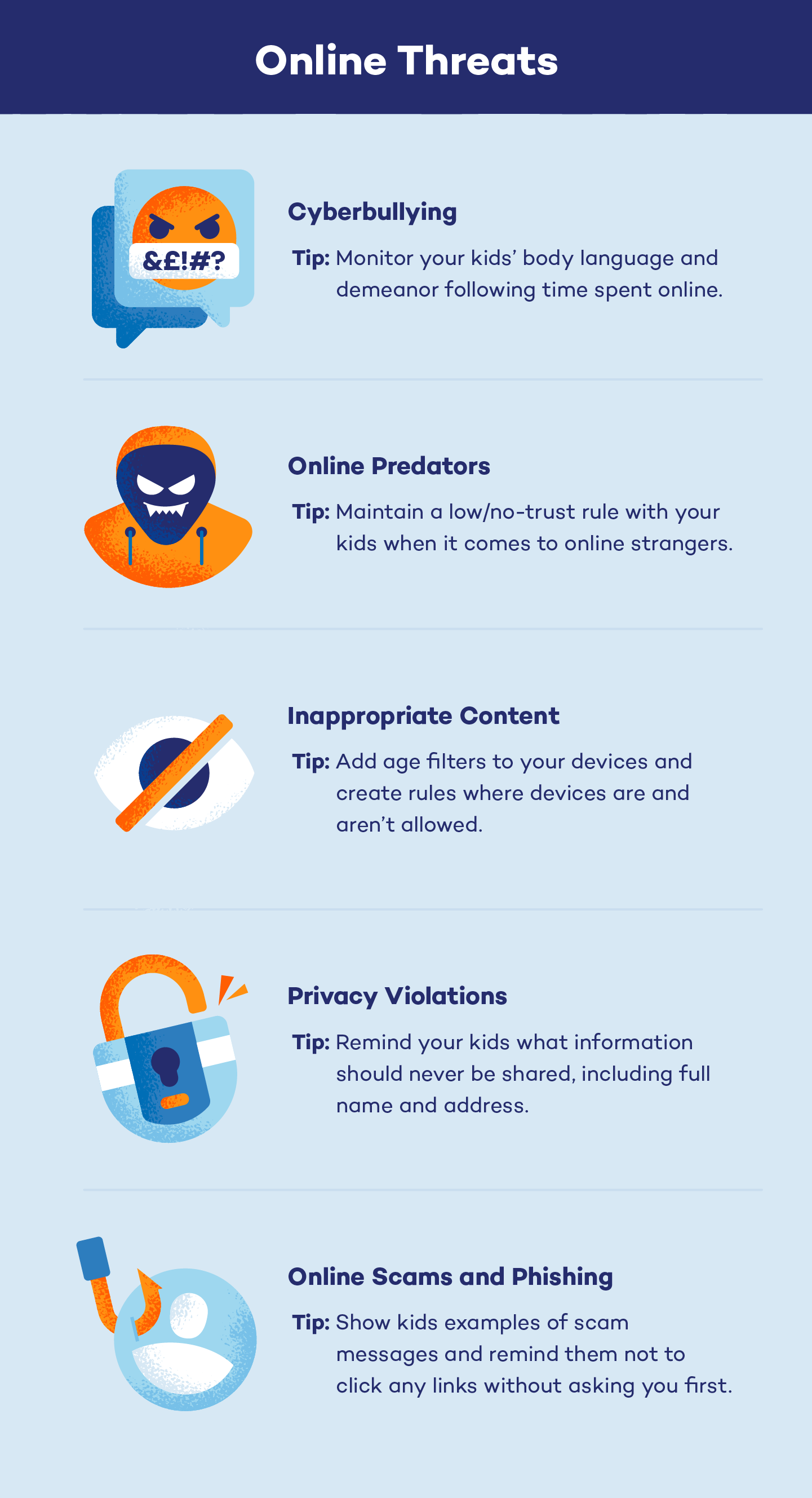
School internet safety policies must comprehensively address student digital footprints, cyberbullying vectors, and hardware maintenance to prevent severe institutional and personal liabilities. A permanent digital footprint is created whenever a student interacts with unvetted web applications, leaving behind identifiable browsing traces, geotagged photos, and behavioral metadata. Cyberbullying prevention requires active monitoring of peer-to-peer messaging inside school-issued platforms to intercept harassment before it escalates into psychological trauma. Furthermore, device hygiene protocols mandate routine software updates, secure password management, and the elimination of unauthorized software downloads on school hardware. Neglecting these core components invites malware infections, data exfiltration, and pervasive digital harassment that disrupts the educational atmosphere.
Key Specifications and Breakdown
| Safety Pillar | Digital Risk Factor | Actionable Protective Habit |
|---|---|---|
| Digital Footprint | Permanent archiving of inappropriate student posts or leaked metadata. | Conduct regular privacy audits and restrict public profile visibility. |
| Cyberbullying Prevention | Anonymous peer harassment occurring via unmonitored school chat channels. | Implement rapid reporting mechanisms and proactive content filtering tools. |
| Classroom Screen Balance | Cognitive fatigue, eye strain, and distraction from uninterrupted device usage. | Schedule mandatory offline intervals and enforce structured screen-free breaks. |
Comprehensive cyber preparedness requires integrating continuous digital citizenship frameworks directly into standard middle school curricula to safeguard institutional integrity and student mental health. — Cybersecurity & Infrastructure Security Agency (CISA)
Step-by-Step Practical Application and Guidelines
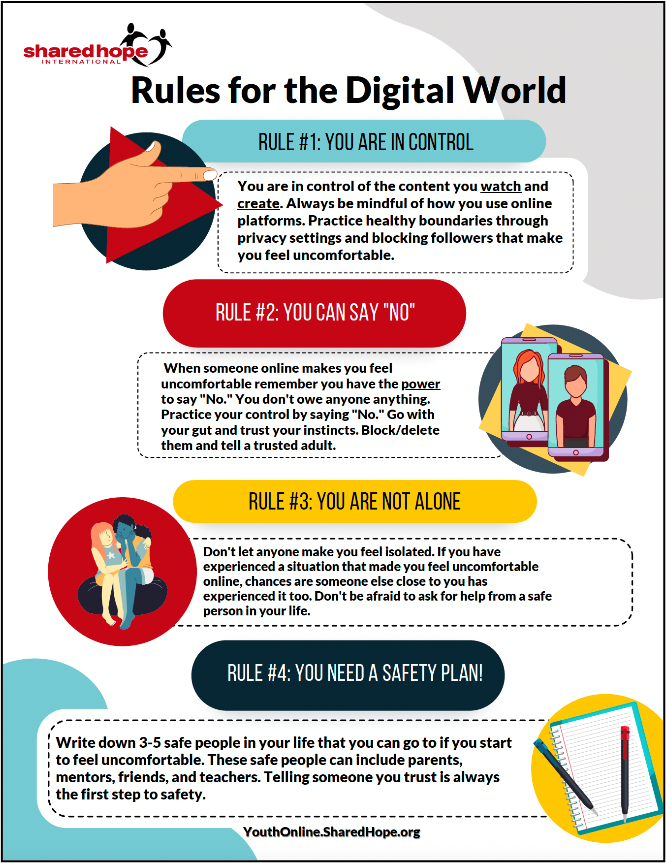
Implementing robust digital safety protocols demands a coordinated, multi-step strategy involving administrators, teachers, and parents working in unison. The first step involves auditing all existing school network access points and establishing strict web filtering categories that block malicious domains without hindering legitimate research. The second step requires educators to integrate structured digital citizenship lessons into daily instruction, teaching adolescents how to critically evaluate online sources and secure their personal accounts. The third step focuses on maintaining rigorous device hygiene standards by scheduling automated security patches and requiring unique, complex authentication credentials for every user profile. Finally, school communities must establish clear protocols for reporting cyberbullying incidents, ensuring affected students receive immediate psychological support and technical remediation.
Common Challenges and How to Avoid Them
Over-reliance on passive blocking software represents a critical misstep, as students frequently bypass basic network filters using virtual private networks or proxy extensions. Educational institutions frequently stumble by treating digital safety as an isolated IT responsibility rather than a shared cultural mandate involving teachers and parents. To overcome these obstacles, schools must couple technological safeguards with continuous behavioral education, teaching students the underlying rationale for security rules rather than simply enforcing arbitrary restrictions. Educators can reinforce these lessons using targeted instructional assets found within the Online and Digital Safety collection. Maintaining open communication channels between home and school ensures that digital safety rules remain consistent across all environments.
💬 Frequently Asked Questions
Explore More Kids Safety and Digital Citizenship Guides on SafeWiredSchools
Navigating the complexities of modern digital citizenship requires ongoing access to authoritative educational resources, policy frameworks, and instructional materials. Administrators, educators, and parents can expand their protective strategies by reviewing additional expert-curated content available across the comprehensive library at Safe Wired Schools. Continued professional development and proactive community engagement remain the most effective defenses against evolving digital threats.
Visual Reference Gallery